Table of Contents
- Introduction
- The Reality of Biological Detoxification
- How Hydration Supports the Liver and Kidneys
- The Role of Bioavailability in Hydration
- Sparkling Water and Digestive Health
- Replacing Sugary Drinks: The Indirect Detox
- Supporting Your Natural Detox Pathways
- Minerals and Sparkling Water
- Common Concerns About Sparkling Water
- How to Build an Effective Hydration Routine
- Bioavailability: Why Formulation Matters
- The Connection Between Gut Health and Toxin Removal
- Is Sparkling Water a "Detox" Drink?
- Summary of Best Practices
- FAQ
Introduction
Many of us reach for a cold, fizzy glass of sparkling water when we want something more exciting than a flat glass of tap water. It provides that familiar throat-hit and refreshing sensation without the sugars or artificial dyes found in traditional sodas. As wellness trends move toward cleaner living, a common question has surfaced: does sparkling water detox your body?
At Cymbiotika, we believe that true wellness is built on a foundation of understanding how your body actually processes what you consume. This article explores the relationship between carbonated water and your internal filtration systems, the science of hydration, and how you can support your natural detoxification pathways. If you’re looking for a more personalized starting point, the Health Quiz can help guide your routine.
Ultimately, while sparkling water is an excellent tool for staying hydrated, the process of "detox" is a complex biological function that requires more than just carbonation.
The Reality of Biological Detoxification
The word "detox" is frequently used in the wellness world to describe everything from juice cleanses to specialized teas. However, in biological terms, detoxification is a constant, 24-hour process performed by your internal organs. Your liver, kidneys, lungs, skin, and lymphatic system work together to identify, neutralize, and eliminate compounds the body no longer needs.
Sparkling water does not possess unique chemical properties that "scrub" or "flush" toxins better than still water. Carbonation is simply the result of dissolving carbon dioxide gas into water under pressure. This process creates carbonic acid, which gives the water its signature tang and fizz. While this makes the drink more palatable for many, it does not change the molecular structure of the water in a way that targets toxins specifically.
If you’re thinking more broadly about long-term support, the Healthy Aging Supplements collection is a helpful place to explore formulas designed for everyday wellness.
Key Takeaway: Detoxification is a physiological process managed by your organs; sparkling water is a hydration tool that supports these organs but does not perform the detox itself.
How Hydration Supports the Liver and Kidneys
To understand if sparkling water helps you "detox," we must first look at why any water is necessary for the body's filtration systems. Your kidneys are responsible for filtering blood and removing waste products through urine. Without adequate hydration, the kidneys cannot function efficiently, leading to a buildup of waste.
Water acts as a transport medium that carries nutrients to cells and whisks waste products away. When you are properly hydrated, your blood volume remains at an optimal level, allowing the liver to process metabolic byproducts and the kidneys to filter them out. Whether that water has bubbles or not, its primary role in "detoxing" is ensuring these systems have the fluid they need to operate.
If sparkling water helps you drink more total fluid throughout the day, it indirectly supports your body’s natural ability to clean itself. Many people find plain water unappealing, which leads to chronic under-hydration. In this specific scenario, sparkling water is a valuable ally in maintaining the fluid balance necessary for organ health.
The Role of Bioavailability in Hydration
When discussing any liquid or supplement, we must consider bioavailability—the degree and rate at which a substance is absorbed into the living system. The goal of hydration is not just to swallow water, but to ensure that water and its accompanying minerals reach your cells.
For a deeper look at formulation and absorption, the Liposomal Collection is a natural next stop. Some studies suggest that carbonated water may actually be absorbed as effectively as still water. However, the presence of minerals can change the equation. Standard bottled sparkling waters are often purified and then carbonated, sometimes stripping away the essential electrolytes that help water enter the cellular environment.
Bottom line: For hydration to support detoxification, the body must be able to absorb and utilize the water effectively at a cellular level.
Sparkling Water and Digestive Health
There is a common misconception that the bubbles in sparkling water can "clean out" the digestive tract. While the fizz can certainly feel stimulating, it does not act as a brush for your intestines. Instead, the carbon dioxide can affect the digestive system in a few specific ways.
If your goal is to support digestive balance more directly, the Gut Health Supplements collection offers a focused path to explore.
Carbonation and Satiety
For some, the gas in sparkling water creates a feeling of fullness. This can be helpful for those trying to manage their caloric intake or move away from mindless snacking. By supporting a healthy weight and reducing the intake of processed foods, you are reducing the overall "load" on your liver, which is a key part of long-term wellness.
The Impact on Stomach Acid
Carbonic acid is a very weak acid. There is no evidence that drinking sparkling water significantly alters the pH of your stomach or blood in a way that affects health. Your body has tightly controlled buffering systems to keep your internal pH in a very narrow, healthy range.
Bloating and Gas
The most direct effect of sparkling water on the gut is the introduction of air. If you are prone to bloating or gas, the carbonation in sparkling water may contribute to temporary discomfort. This doesn't mean your body is "detoxing" or reacting poorly to the water; it is simply the physical presence of gas moving through the digestive system.
Replacing Sugary Drinks: The Indirect Detox
The biggest benefit of sparkling water in a wellness routine is what it replaces. If you swap a daily soda or sweetened energy drink for a sparkling water, you are making a massive impact on your body’s toxic load.
High intake of refined sugar and high-fructose corn syrup is one of the primary stressors on the liver. When the liver is overwhelmed by processing sugar, it has less capacity to manage other metabolic tasks. By removing these sugars and replacing them with sparkling water, you are essentially "freeing up" your liver to do its job more effectively.
Myth: Sparkling water actively pulls toxins out of your fat cells. Fact: Sparkling water supports detoxification primarily by providing hydration and replacing beverages that contain liver-stressing sugars and chemicals.
Supporting Your Natural Detox Pathways
If your goal is to truly support your body's detoxification, you may want to look beyond the bubbles. While hydration is the baseline, specific nutrients and delivery methods can support the organs that do the heavy lifting.
Liver Support
The liver is the primary organ for neutralization. We designed our Liver Health+ formulation to provide the specific herbal and nutritional components that support these pathways. When the liver has the right raw materials, it can more efficiently process the environmental and metabolic compounds we encounter daily.
The Power of Glutathione
Often called the "master antioxidant," glutathione is a critical component of the body's natural defense and repair system. However, standard glutathione supplements are notoriously difficult for the body to absorb because they often break down in the digestive tract before reaching the bloodstream.
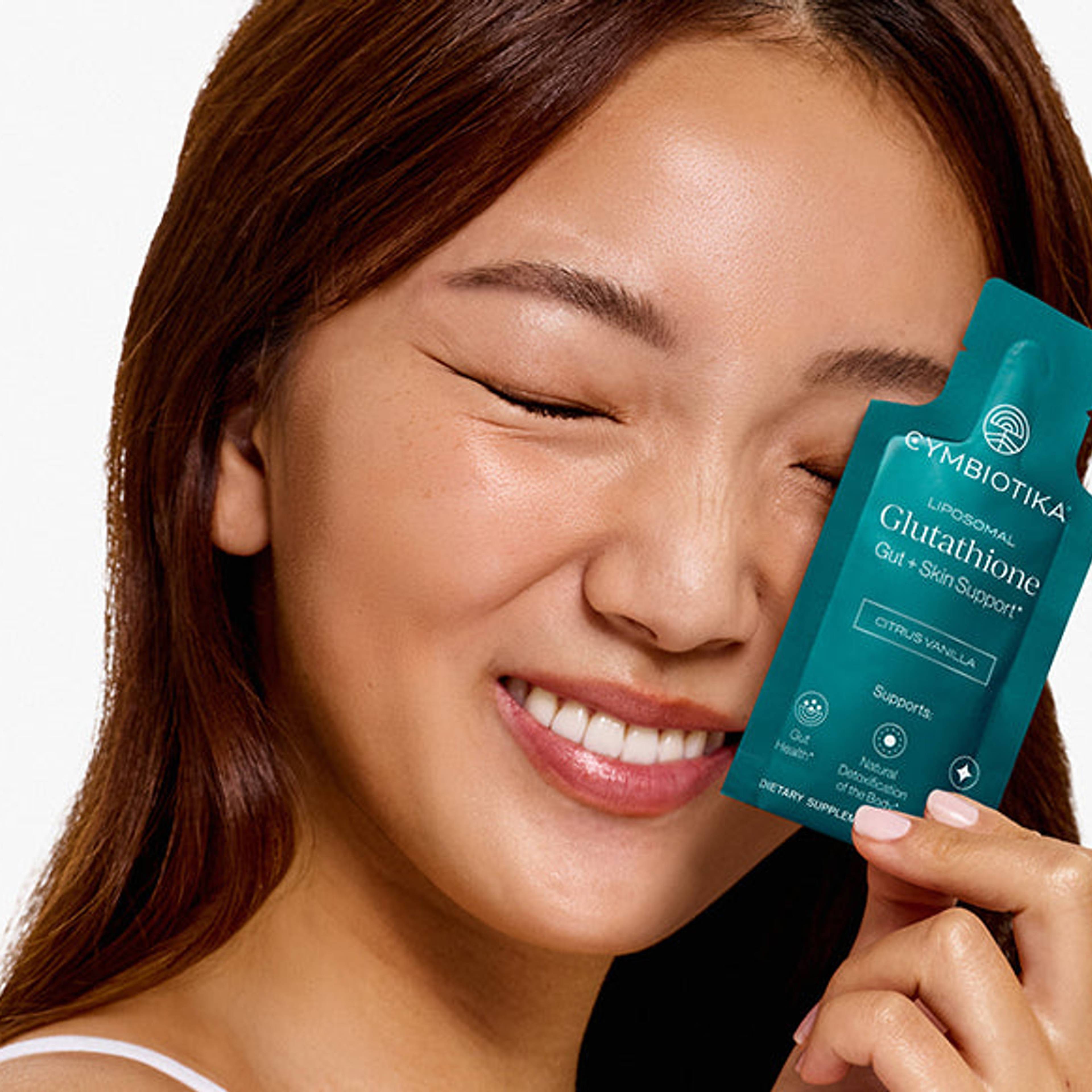
This is where liposomal delivery becomes essential. A liposome is a tiny, fatty bubble called a phospholipid bilayer that mimics the structure of your own cell membranes. By wrapping the nutrient in this protective layer, it can pass through the harsh environment of the stomach and be delivered directly into the cells. Our Liposomal Glutathione uses this technology to ensure that the "master antioxidant" actually gets to where it is needed most.
Binding Toxins in the Gut
Another aspect of a "detox" routine involves the gut. When the liver processes waste, it often sends it to the digestive tract to be eliminated. If the gut is sluggish, some of those wastes can be reabsorbed. Using something like Activated Charcoal can help by binding to certain compounds in the digestive tract, preventing them from being taken back up by the body.
Minerals and Sparkling Water
Not all sparkling waters are created equal. Some are "mineral waters," which naturally contain elements like magnesium, calcium, and potassium. Others are "seltzer," which is just plain water with added CO2.
Minerals are the "keys" that unlock many biological processes, including those involved in detoxification and energy production. If you are drinking carbonated water, choosing a mineral-rich version can provide the electrolytes necessary for better cellular hydration.
For those looking to enhance the mineral profile of their water, we suggest adding an adaptogenic mineral complex. Our Pürblack Pure Mineral Shilajit Live Resin is a potent source of fulvic acid and trace minerals. Adding a small amount to your water—even sparkling water—can provide the body with the elemental support it needs for overall vitality and metabolic function.
Key Takeaway: Hydration is more than just water volume; it is the combination of water and minerals that allows your cells to thrive and your organs to filter waste.
Common Concerns About Sparkling Water
When people ask if sparkling water is healthy, they often have concerns about its acidity and how it affects the body over time.
Does it Damage Tooth Enamel?
While sparkling water is slightly more acidic than still water, it is significantly less acidic than soda or fruit juices. For the average healthy individual, drinking sparkling water in moderation is not a major concern for dental health. However, if the sparkling water contains added citric acid or sugars, the risk to enamel increases.
Does it Affect Bone Density?
A long-standing myth suggests that carbonated drinks leach calcium from bones. Research has shown that this concern was largely linked to dark colas, which contain phosphoric acid. Plain sparkling water does not appear to have any negative effect on bone mineral density.
How to Build an Effective Hydration Routine
If you want to use sparkling water as part of a healthy, "detox-supportive" lifestyle, consistency and quality are the most important factors.
Step 1: Check the label.
Ensure your sparkling water has no added sugars, artificial sweeteners, or synthetic flavors. These ingredients add to the "toxic load" your liver has to process, defeating the purpose of a clean hydration routine.
Step 2: Balance with still water.
While sparkling water is hydrating, it can cause bloating if consumed in large quantities. Aim for a mix of still and sparkling water throughout the day to keep your digestive system comfortable.
Step 3: Support your organs.
Hydration is the foundation, but your liver and kidneys need specific nutrients to function. Consider incorporating liposomal supplements or mineral complexes to give your filtration organs the tools they need.
Step 4: Listen to your body.
Everyone reacts differently to carbonation. If you find that sparkling water makes you feel sluggish or bloated, it may be better to stick to still, filtered water with added electrolytes or minerals.
Bioavailability: Why Formulation Matters
When you choose to support your body with supplements, the delivery method is just as important as the ingredient list. Most standard capsules and tablets are designed for convenience, not for absorption. By the time a standard pill reaches your small intestine, a large portion of its active ingredients may have been destroyed by stomach acid or simply passed through your system unused.
At Cymbiotika, we focus on liposomal delivery because it solves this absorption problem. By using phospholipids—the same building blocks that make up your cell walls—we create a delivery system that the body recognizes and welcomes. This means that whether you are taking Vitamin C, Glutathione, or B12, your body can actually use what you are giving it.
The Connection Between Gut Health and Toxin Removal
A healthy gut is a vital part of any "detox" conversation. If your microbiome is out of balance, it can affect how well your body eliminates waste. Sparkling water, while refreshing, doesn't provide the probiotics or prebiotics needed for a flourishing gut.
To truly support the elimination phase of detoxification, focusing on gut integrity is key. This involves eating a fiber-rich diet and perhaps supplementing with high-quality probiotics. When your gut is moving regularly and your microbiome is diverse, the toxins processed by your liver are successfully moved out of the body rather than lingering in the colon.
Is Sparkling Water a "Detox" Drink?
To answer the original question: sparkling water is not a detox drink in the way many marketing campaigns claim. It doesn't contain magical enzymes or cleansing molecules. However, it is a healthy, hydrating alternative to sugary drinks that can support your body's natural functions.
Detoxification is an everyday reality, not a weekend event. It is the result of the food you eat, the quality of your sleep, the movement of your body, and the supplements you use to fill the gaps. Sparkling water is simply one small, bubbly part of that larger picture.
Summary of Best Practices
To get the most out of your hydration and support your body’s natural cleansing processes:
- Choose plain or mineral-rich sparkling water over flavored or sweetened versions.
- Use carbonation to help transition away from high-sugar sodas.
- Prioritize cellular absorption by ensuring you have adequate mineral intake.
- Support your liver and gut with high-quality, bioavailable supplements.
- Remember that the liver and kidneys are the true "detox" heroes.
At Cymbiotika, our mission is to empower you with the knowledge and the tools to take control of your health. We focus on transparency and science-backed formulations because we believe you deserve to know exactly what you are putting into your body and how it works. By focusing on bioavailability and clean sourcing, we help you build a routine that supports your body's natural intelligence.
If you are unsure where to start with your wellness routine, the Cymbiotika Expert is designed to help you identify your specific needs and create a personalized plan that fits your lifestyle.
FAQ
Does sparkling water hydrate as well as plain water?
Yes, sparkling water is generally just as hydrating as still water. The carbonation does not interfere with the body's ability to absorb the liquid, though the gas may cause some people to drink smaller amounts more slowly than they would with plain water.
Is sparkling water bad for your teeth or bones?
Plain sparkling water is slightly more acidic than still water, but it is not considered harmful to healthy tooth enamel when consumed in moderation. There is no scientific evidence that plain sparkling water has any negative impact on bone density or calcium levels in the body.
Can sparkling water help with weight loss?
Sparkling water can support weight management by serving as a zero-calorie alternative to sugary sodas and juices. Additionally, the carbonation can promote a feeling of fullness, which may help some individuals manage their appetite and reduce unnecessary snacking between meals.
Does sparkling water cause bloating?
Since sparkling water contains dissolved carbon dioxide gas, it can lead to temporary bloating or gas in some people. If you have a sensitive digestive system, you may find that the bubbles cause some pressure or discomfort, in which case still water would be a better choice.
*These statements have not been evaluated by the Food and Drug Administration. This product is not intended to diagnose, treat, cure, or prevent any disease.