Table of Contents
- Introduction
- Defining "Detox" in a Biological Context
- The Nutritional Profile of Limes
- Does Lime Water Support the Liver?
- Hydration: The Real Secret to "Flushing"
- The Role of Citric Acid and Digestion
- Why Bioavailability Changes the Conversation
- Supporting Your Natural Pathways: A Multi-Step Approach
- Is There a Best Time to Drink Lime Water?
- Common Misconceptions About Lime Water
- Consistency Over Intensity
- Building Your Ideal Routine
- Conclusion
- FAQ
Introduction
Many people start their morning by squeezing a fresh lime into a tall glass of water. It is a ritual praised for its refreshing taste and its purported ability to "cleanse" the system. You might have heard that this simple habit can flush out toxins, clear your skin, and jumpstart your metabolism. With so much conflicting information online, it is natural to wonder if these claims are rooted in science or if they are simply part of a larger wellness trend.
At Cymbiotika, we believe that true wellness is built on a foundation of transparency and biological understanding. To understand if lime water can actually "detox" your body, we first have to look at how your body handles waste and what nutrients it needs to perform those tasks efficiently. While no single drink can replace the sophisticated work of your internal organs, certain habits can certainly support them.
This article will explore the nutritional profile of limes, the science behind the body’s natural detoxification pathways, and the role hydration plays in overall health. We will also discuss why the way you deliver nutrients to your body—what we call bioavailability and liposomal delivery—is the most important factor in any wellness routine. Our goal is to help you determine if lime water deserves a permanent spot in your daily ritual.
Defining "Detox" in a Biological Context
The word "detox" is often used as a marketing term, but in biology, it refers to a very specific and constant process. Your body does not wait for a special tea or a citrus drink to begin clearing out waste. It is doing this work every second of every day through several interconnected systems.
The liver is the primary workhorse of this process. It filters your blood to identify and neutralize potentially harmful substances. Once the liver has processed these compounds, they are sent to the kidneys to be filtered into urine or to the digestive tract to be removed through bowel movements. Your skin and lungs also play supporting roles by releasing waste through sweat and respiration.
When people ask if a specific food or drink "detoxes" the body, what they are usually asking is whether that substance helps these organs work more effectively. No beverage "flushes" toxins out of your cells like a pressure washer. Instead, a supportive diet provides the raw materials—antioxidants, vitamins, and minerals—that the liver and kidneys need to function at their peak.
Key Takeaway: Detoxification is a natural, ongoing biological process led by the liver and kidneys; "detox" supplements and drinks are best viewed as tools to support these existing internal systems.
The Nutritional Profile of Limes
Limes are small but nutritionally dense fruits. They are primarily known for their high concentration of Vitamin C, a powerful antioxidant. An antioxidant is a molecule that helps neutralize free radicals, which are unstable atoms that can damage cells if left unchecked.
In addition to Vitamin C, limes contain:
- Citric Acid: This compound may help support healthy digestion and is often studied for its role in preventing certain types of mineral buildup in the kidneys.
- Flavonoids: These are plant-based compounds that have been shown to support a healthy inflammatory response.
- Potassium: An essential electrolyte that helps manage fluid balance and supports nervous system function.
- Limonoids: Specific phytochemicals found in citrus peels and juice that are currently being researched for their long-term health benefits.
While these nutrients are beneficial, the amount you get from a single squeeze of lime is relatively small. This is why consistency and the overall quality of your diet matter more than any single glass of water.
Does Lime Water Support the Liver?
The liver requires specific nutrients to complete what are known as Phase I and Phase II detoxification pathways. In Phase I, the liver uses enzymes to turn toxins into smaller, often more reactive molecules. In Phase II, it attaches other molecules to these reactive substances to make them water-soluble so they can be excreted.
Vitamin C and various flavonoids found in limes are helpful during these phases. They help protect the liver cells from the oxidative stress that occurs naturally during the filtration process. By providing these antioxidants, lime water may offer a small amount of support to the liver’s daily workload.
However, it is important to manage expectations. Drinking lime water while maintaining a diet high in processed sugars and synthetic additives is unlikely to result in a noticeable "detox." The liver needs a broad spectrum of nutrients—including amino acids and minerals—to do its job. Lime water is a supportive addition, not a total solution.
Hydration: The Real Secret to "Flushing"
The most significant benefit of lime water isn't necessarily the lime itself, but the fact that it encourages you to drink more water. Hydration is the most overlooked component of metabolic health.
Your kidneys require a constant supply of water to filter waste from the blood. When you are dehydrated, your kidneys conserve water, which can lead to a buildup of waste products and minerals. By adding lime to your water, you make the experience more palatable, which often leads to increased fluid intake throughout the day.
Boldly put, water is the primary vehicle for waste removal in the human body. Without adequate hydration, the "detox" processes in the liver and kidneys slow down significantly. Lime water acts as a flavor enhancer that makes the vital task of hydrating much easier to maintain.
The Role of Citric Acid and Digestion
Many people find that drinking warm lime water in the morning helps "wake up" their digestive system. There is some logic to this. The citric acid in limes can help stimulate the production of gastric acid. This acid is necessary for breaking down food and absorbing nutrients effectively.
A healthy digestive tract is a key part of the body's waste removal system. If digestion is sluggish, waste sits in the colon longer than it should, which can lead to discomfort and a feeling of "heaviness." By supporting the initial stages of digestion in the stomach, lime water may help keep the entire process moving more efficiently.
Myth: Lime water can balance your body's total pH levels. Fact: While lime juice is acidic outside the body, it has an alkalizing effect once metabolized. However, your body tightly regulates its blood pH regardless of what you drink. Lime water supports metabolic health but does not "change" your blood's pH balance.
Why Bioavailability Changes the Conversation
When we discuss the benefits of Vitamin C or minerals in lime water, we have to talk about bioavailability. This term refers to the proportion of a nutrient that enters the circulation when introduced into the body and is so able to have an active effect.
Most standard vitamins found in food or traditional supplements have to survive the harsh environment of the stomach. By the time they reach the small intestine, much of the original nutrient may be destroyed or lost. This is why you cannot always rely on a single food source to meet your therapeutic needs.
At Cymbiotika, we focus on liposomal delivery to solve this problem. A liposome is a tiny, fatty bubble (made of phospholipids) that mimics the body’s own cell membranes. By wrapping a nutrient—like Vitamin C or Glutathione—in a liposome, we protect it through the digestive tract and allow it to be absorbed directly into the bloodstream.
While lime water provides a natural, food-based source of Vitamin C, it may not provide the concentrated levels needed for significant cellular support. Using a liposomal supplement ensures that your body actually absorbs and uses the nutrients you are giving it, rather than just passing them through.
Supporting Your Natural Pathways: A Multi-Step Approach
If your goal is to support your body’s natural ability to process waste and maintain energy, you should look beyond just lime water. A comprehensive routine involves supporting the gut, the liver, and the cells themselves.
Step 1: Prioritize Hydration with Minerals
Pure water is essential, but your cells also need minerals to stay hydrated. Adding a mineral complex or an adaptogen like Shilajit Liquid Complex to your routine can help provide the trace minerals and fulvic acid your body needs to transport nutrients effectively.
Step 2: Support the Master Antioxidant
The liver relies heavily on a substance called Glutathione, often called the "master antioxidant." While limes provide Vitamin C, our Liposomal Glutathione provides a direct supply of the specific molecule the liver uses to neutralize toxins. This is an example of using advanced delivery to support a biological process more deeply than food alone can.
Step 3: Assist the Digestive Tract
If you feel sluggish or bloated, your digestive tract may need more than just citric acid. Activated Charcoal is a useful tool for a temporary "reset." It works through a process called adsorption, where its porous surface binds to certain gases and toxins in the digestive tract so they can be carried out of the body.
Step 4: Focus on Liver Health Specifically
For those looking to specifically support the liver's Phase I and Phase II pathways, we designed Liver Health+. This formula contains milk thistle and other herbal extracts that have been used for centuries to support hepatic function. Like all our formulas, it is designed with absorption in mind, ensuring the botanical compounds actually reach their destination.
Is There a Best Time to Drink Lime Water?
While you can drink lime water any time, many people prefer it first thing in the morning. After six to eight hours of sleep, your body is naturally dehydrated. Rehydrating immediately helps wake up your metabolism and supports the kidneys in clearing out the waste that accumulated overnight.
Some people prefer warm water with lime, especially in the winter. Warm liquids can be more soothing to the digestive tract and may help stimulate a bowel movement. However, the nutritional benefits of the lime remain largely the same whether the water is hot, cold, or room temperature. Just be careful not to use boiling water, as extreme heat can degrade the Vitamin C content.
Common Misconceptions About Lime Water
It is easy to get caught up in the hype of "miracle" drinks, but it is better to view lime water as a healthy habit rather than a medical intervention.
1. "Lime water will make me lose weight instantly."
Lime water is not a weight-loss drink in itself. However, if you replace high-calorie sodas or sugary juices with lime water, you will reduce your overall calorie intake. Additionally, proper hydration can help you distinguish between actual hunger and thirst, which can indirectly support weight management goals.
2. "The more lime, the better."
Limes are acidic. While they have an alkalizing effect once metabolized, the raw juice can be hard on tooth enamel if consumed in excess. It is best to dilute the juice in at least 8 to 12 ounces of water and consider rinsing your mouth with plain water afterward to protect your teeth.
3. "It replaces the need for other nutrients."
Lime water is a great source of Vitamin C, but it is not a "multivitamin." Your body still requires a diverse range of fats, proteins, and minerals to function. Think of lime water as a supplement to a healthy lifestyle, not a replacement for one.
Consistency Over Intensity
Wellness is not about a three-day "detox" or a week-long "cleanse." Those approaches often lead to a cycle of restriction and indulgence that doesn't serve your long-term health. Real results come from the small, sustainable choices you make every single day.
Adding lime to your water is a fantastic habit because it is easy to maintain. It makes hydration more enjoyable and provides a small boost of antioxidants. However, to feel your best, you should pair this habit with other high-quality inputs. This includes eating whole foods, moving your body, and choosing supplements that are formulated for maximum absorption.
At Cymbiotika, we are committed to helping you bridge the gap between "eating well" and "absorbing well." By focusing on bioavailability, we ensure that the time and effort you put into your wellness routine actually pay off at the cellular level.
Bottom Line: Lime water is a supportive tool for hydration and liver function, but it works best when part of a consistent routine that prioritizes high-quality, bioavailable nutrition.
Building Your Ideal Routine
If you are ready to take your wellness journey beyond lime water, we recommend focusing on the "Four Pillars" of health: Hydration, Gut Health, Cellular Support, and Recovery.
- Hydration: Start with lime water, but consider adding minerals to ensure the water actually enters your cells.
- Gut Health: Use probiotics and digestive enzymes to ensure you are breaking down your food and eliminating waste efficiently.
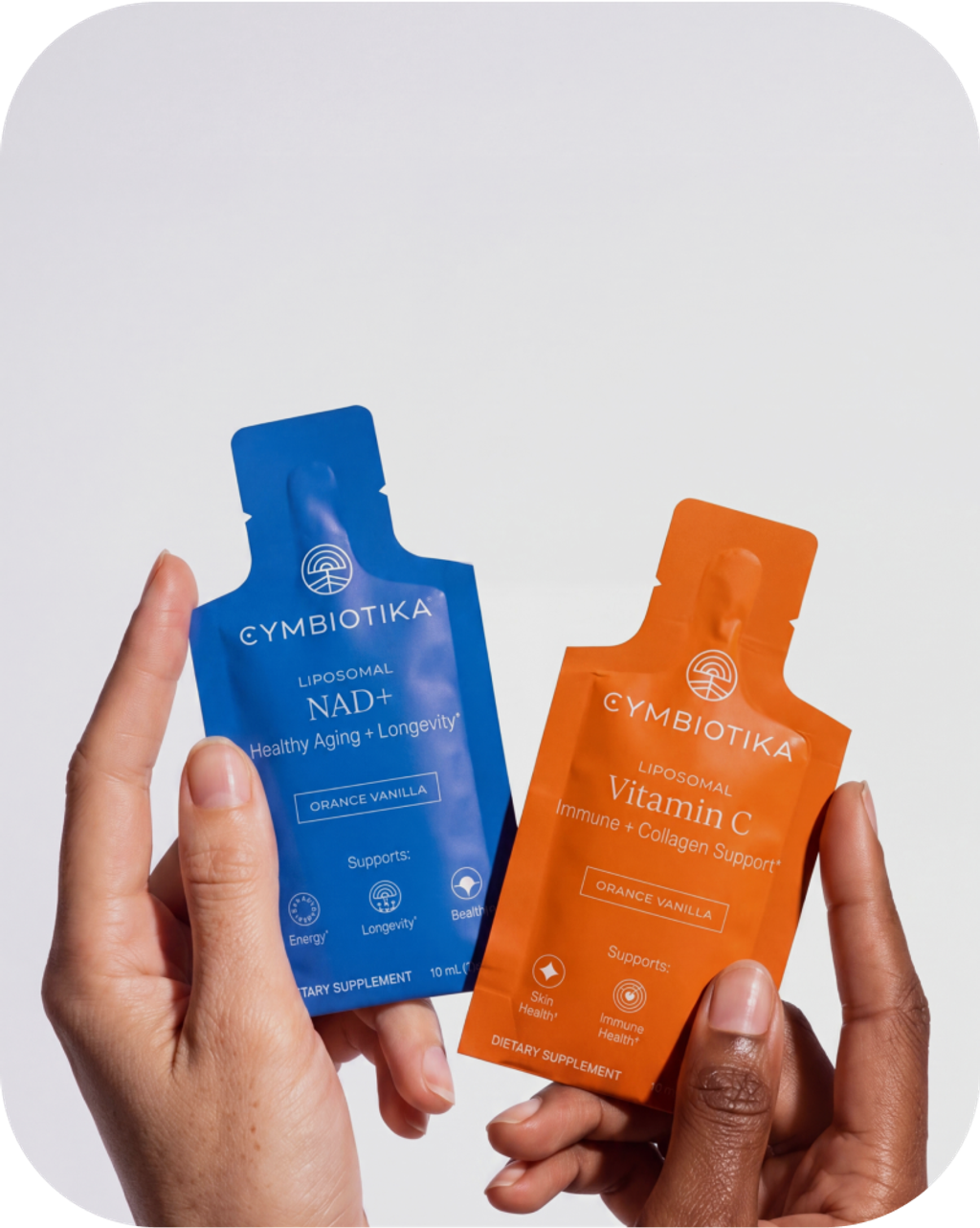
- Cellular Support: Utilize liposomal vitamins, like our Liposomal Vitamin C, to give your immune system and skin the concentrated support they need.
- Recovery: Support your liver and nervous system with targeted nutrients that help your body handle the stress of modern life.
By treating your body as a complete system, you move away from the "quick fix" mindset and toward a lifestyle of sustainable vitality.
Conclusion
Does lime water detox your body? The answer is that it supports the organs that are already doing the work. By improving your hydration, providing a modest dose of Vitamin C, and stimulating digestion, lime water is a valuable addition to any morning routine. However, it is only one piece of the puzzle. True health requires transparency in what you consume and a focus on how well your body can actually use those nutrients.
At Cymbiotika, we provide the science-backed tools you need to support your body's natural processes. From our advanced liposomal delivery systems to our commitment to clean, transparent sourcing, our mission is to empower you to take control of your health.
- Hydration is key: Lime water helps you drink more, which is the foundation of waste removal.
- Antioxidants matter: Limes provide Vitamin C to help the liver manage oxidative stress.
- Absorption is everything: For deeper support, look for bioavailable supplements that bypass digestive loss.
- Consistency wins: A daily glass of lime water is better than a once-a-month "detox."
If you are unsure where to start with your supplementation, we invite you to take our Health Quiz. It is designed to provide a personalized recommendation based on your specific goals and lifestyle, helping you build a routine you can trust.
FAQ
Does drinking lime water every day have side effects?
For most people, drinking lime water daily is very safe and beneficial. The main concern is the citric acid, which can potentially weaken tooth enamel over time if the juice is very concentrated. To prevent this, dilute your lime juice in plenty of water and consider drinking it through a straw or rinsing your mouth with plain water afterward.
Can lime water help with bloating?
Yes, many people find that lime water helps reduce bloating by stimulating the production of stomach acid and bile. This helps the body break down food more effectively and prevents it from sitting in the digestive tract for too long. If you experience chronic bloating, you may also want to look into the Gut Health collection to support your digestive routine.
Is lime water better than lemon water?
Nutritionally, limes and lemons are very similar. Both are excellent sources of Vitamin C and citric acid. Limes tend to have slightly more calcium and Vitamin A, while lemons may have slightly more Vitamin C depending on the variety. The best choice is whichever flavor you prefer, as the primary benefit is the increased hydration and consistent intake of citrus antioxidants. If you want a broader look at citrus-supportive wellness options, the Immunity Supplements collection is a helpful place to explore.
Should I drink lime water hot or cold for a detox?
The temperature of the water is largely a matter of personal preference. Warm water is often praised for being gentle on the digestive system in the morning and may help stimulate a bowel movement. Cold water can be more refreshing and may slightly increase your metabolic rate as your body works to warm it up. Both temperatures provide the same basic hydration and nutrient benefits, provided the water isn't boiling. For a broader overview of how nutrients are delivered efficiently, you can also explore our All About Liposomes guide.
*These statements have not been evaluated by the Food and Drug Administration. This product is not intended to diagnose, treat, cure, or prevent any disease.