Table of Contents
- Introduction
- Understanding the Body's Natural Detoxification System
- The Role of Tea in Daily Wellness
- The Myth of the "Teatox"
- Why Bioavailability Changes the Conversation
- Supporting Your Liver Beyond the Tea Cup
- The Importance of Hydration
- How to Build a Supportive Wellness Routine
- The Role of Trace Minerals
- Dietary Habits That Support Your "Internal Cleanse"
- Critical Thinking: Assessing Supplement Quality
- Moving Toward a Holistic View of Detox
- Conclusion
- FAQ
Introduction
Many of us reach for a warm cup of tea when we feel the need for a "reset." Whether it is after a heavy meal or a long week, the ritual of brewing tea feels inherently cleansing. The term "detox" is often used in wellness circles, but there is frequently a gap between marketing claims and how our biology actually functions. We want to help you understand what happens in your body when you sip your favorite brew and whether those "teatox" trends hold any weight.
At Cymbiotika, we believe that true wellness is built on a foundation of transparency and biological facts. In this article, we will explore the natural detoxification pathways of the human body, the specific compounds found in various teas, and how you can support your internal systems more effectively. We will also discuss why the way you consume these nutrients matters for absorption and long-term vitality. Our goal is to empower you to move beyond trendy buzzwords and build a routine that truly supports your health from the inside out.
Understanding the Body's Natural Detoxification System
Before we can answer if tea "detoxes" the body, we must define what detoxification actually is. In the human body, detoxification is not a temporary event or a specialized diet; it is a continuous, 24/7 process performed primarily by the liver and kidneys. These organs work tirelessly to filter blood, neutralize metabolic waste, and export substances that the body no longer needs.
The liver acts as the primary filtration system. It converts toxins—both those produced inside the body and those taken in from the environment—into water-soluble compounds that can be safely eliminated. The kidneys then filter these compounds out of the blood and remove them through urine. Other systems, including the lungs, skin, and digestive tract, also play supporting roles in keeping our internal environment balanced.
When people ask about "detoxing," they are usually looking for ways to support these natural pathways. While no single food or drink can "cleanse" an organ like a sponge, certain nutrients can provide the raw materials these organs need to function optimally. For a broader look at how tea fits into this picture, our guide to the best tea for detox and natural body cleansing explores the topic in more depth.
The Role of Tea in Daily Wellness
Tea is one of the most widely consumed beverages in the world, and for good reason. Real teas—those derived from the Camellia sinensis plant, such as green, black, white, and oolong—are rich in polyphenols. These are plant-based compounds that act as antioxidants in the body.
Antioxidants help neutralize free radicals, which are unstable molecules that can cause oxidative stress at a cellular level. By reducing oxidative stress, tea may help protect the cells within your detoxifying organs, like the liver. However, it is important to distinguish between "supporting a system" and "flushing it out."
Green Tea and Catechins
Green tea is perhaps the most famous "detox" tea. It is high in a specific type of catechin called EGCG (epigallocatechin gallate). Research suggests that EGCG may support metabolic health and provide antioxidant protection. When you drink green tea, you are essentially providing your body with a steady stream of these protective compounds.
Herbal Teas and Digestive Support
Many herbal teas, such as ginger, peppermint, or dandelion root, do not come from the tea plant but offer their own benefits. Dandelion root, for example, has been used traditionally to support bile production, which is a key part of the liver's waste-removal process. Peppermint and ginger are often used to support digestive comfort, ensuring that the waste products filtered by the liver can move through the GI tract efficiently.
Quick Answer: Tea does not "detox" the body in the way many marketing campaigns claim. Instead, it provides antioxidants and hydration that support the liver and kidneys in performing their natural, ongoing detoxification processes.
The Myth of the "Teatox"
In recent years, the market has been flooded with "teatox" products promising rapid weight loss and "body purification." It is vital to approach these with a critical eye. Many of these blends contain senna or other stimulant laxatives.
These ingredients do not "detox" the body; they irritate the digestive lining to speed up waste removal. This can lead to temporary water weight loss and the illusion of a flatter stomach, but it does not support the liver or kidneys. In fact, overusing these types of products can lead to dehydration and electrolyte imbalances, which actually makes it harder for your kidneys to do their job.
Myth: A 14-day tea "cleanse" will flush all the toxins out of my system.
Fact: Your liver and kidneys handle detoxification every second of every day. True support comes from long-term habits—like hydration and nutrient density—rather than short-term, laxative-based tea cycles.
Why Bioavailability Changes the Conversation
When we discuss the benefits of tea—or any supplement—we have to talk about bioavailability. This term refers to the proportion of a nutrient that actually enters the bloodstream and becomes available for the body to use. You can drink several cups of tea a day, but if the active polyphenols are not well-absorbed, the benefits remain limited.
This is a core reason why we focus so heavily on delivery methods. Standard powders and pills often struggle with absorption because the harsh environment of the stomach can break down nutrients before they reach the small intestine. We use liposomal delivery to solve this problem.
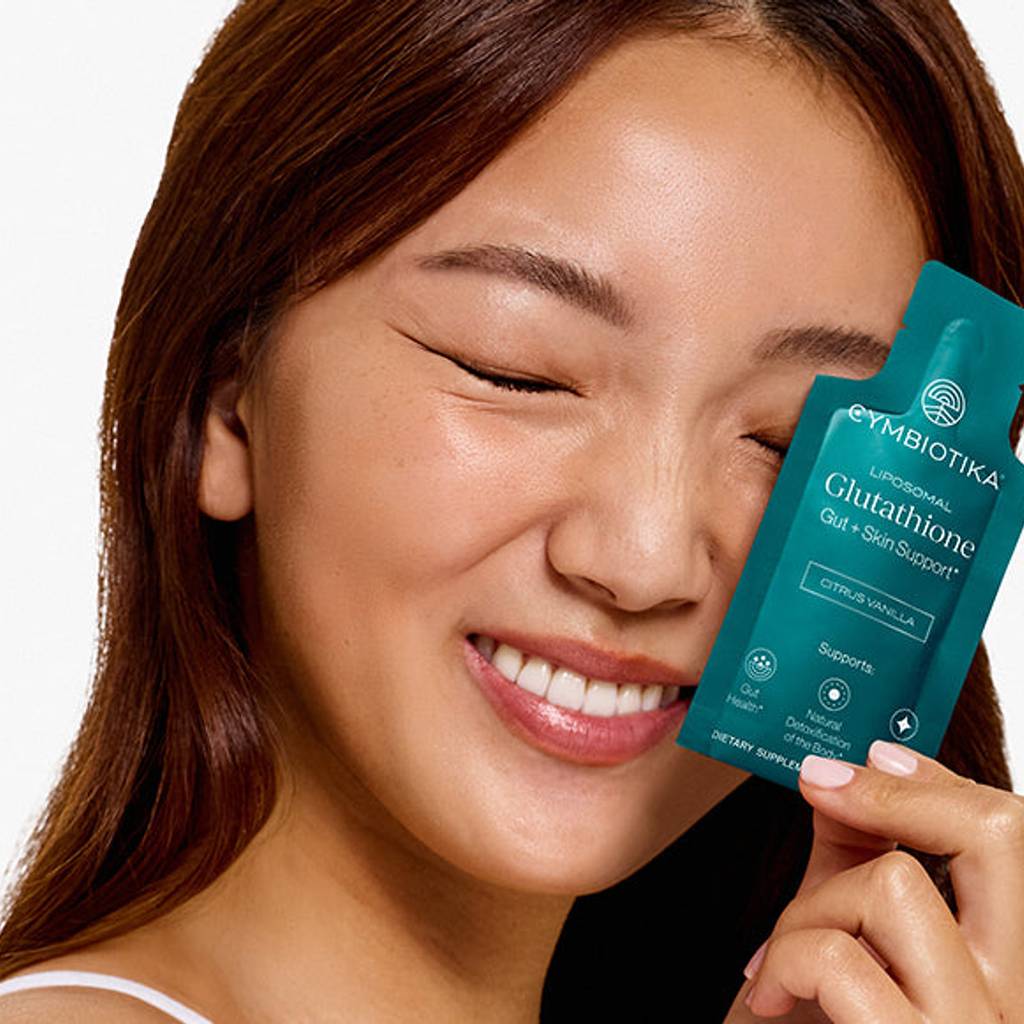
A liposome is a tiny, fatty sphere (a phospholipid bilayer) that mimics the structure of your own cell membranes. By wrapping a nutrient in this "bubble," we protect it through the digestive tract and allow it to be absorbed directly into the cells. Whether it is Liposomal Glutathione, Vitamin C, or B-vitamins, the goal is always to ensure that what you put into your body actually gets to where it is needed.
Supporting Your Liver Beyond the Tea Cup
If your goal is to support your body's natural filtering processes, tea is a great start, but it is only one piece of the puzzle. The liver requires specific nutrients to complete its two phases of detoxification.
In Phase I, the liver uses enzymes to begin breaking down toxins. In Phase II, it attaches specific molecules to those toxins to make them water-soluble. This second phase requires amino acids and powerful antioxidants like glutathione.
The Power of Glutathione
Glutathione is often called the "master antioxidant." It is found in high concentrations in the liver and is essential for neutralizing the reactive intermediates created during Phase I. If you want to learn more about how this molecule supports the body, our article on why liposomal glutathione is essential for daily wellness is a helpful next read. Our Liposomal Glutathione is designed to help bridge the absorption gap.
Activated Charcoal for Digestive Binding
Sometimes, supporting the body's "cleanse" means helping it move waste out of the digestive tract before it is reabsorbed. Activated charcoal is a porous substance that can bind to certain gases and undigested toxins in the gut. For more on this ingredient, our Activated Charcoal knowledge center page offers an educational overview.
Key Takeaway: True detoxification is a cellular and organ-based process. While tea provides mild antioxidant support, concentrated nutrients delivered via liposomal technology can provide more robust support for the liver's complex chemical pathways.
The Importance of Hydration
One of the simplest reasons tea is often associated with "detoxing" is that it encourages fluid intake. Proper hydration is non-negotiable for kidney function. The kidneys require adequate water to filter waste from the blood and turn it into urine.
When you are dehydrated, your blood becomes more concentrated, and your kidneys have to work harder to maintain balance. By drinking tea—especially caffeine-free herbal varieties—you are providing the water necessary for these filtration systems to run smoothly.
However, remember that caffeinated teas can have a mild diuretic effect. If you are drinking several cups of black or green tea, it is wise to balance that with plain water or electrolyte-rich fluids to maintain optimal hydration levels.
How to Build a Supportive Wellness Routine
Rather than looking for a quick "tea detox," we recommend building a sustainable routine that respects your body's biology. Here is a simple way to approach it:
- Start with Hydration: Drink a large glass of water first thing in the morning. Consider adding a squeeze of lemon or a pinch of sea salt for minerals.
- Choose High-Quality Tea: Look for organic teas to avoid pesticide residue. Enjoy green tea in the morning for its antioxidant profile and herbal teas like ginger or dandelion in the afternoon or evening.
- Prioritize Bioavailable Support: If you feel your system needs extra care, look at targeted supplements. Our Liver Health+ is formulated to support the liver’s natural pathways using bioavailable ingredients that the body can actually recognize and use.
- Listen to Your Digestion: Avoid "teatoxes" that contain laxatives. Instead, focus on fiber-rich foods and probiotics to support a healthy microbiome, which is your first line of defense against environmental toxins.
- Be Consistent: Wellness is the result of what you do daily, not what you do once a year for a week.
If you are still unsure where to begin, our Health Quiz can help point you toward a routine that fits your goals.
The Role of Trace Minerals
Many people forget that the detoxification process is chemically "expensive" for the body. It requires a variety of minerals to fuel the enzymatic reactions that happen in the liver. Modern soil depletion often means our food—and the tea leaves grown in that soil—may be lower in minerals than they once were.
This is why we often suggest incorporating Shilajit Liquid Complex. Shilajit is a mineral-rich substance that contains fulvic acid, which helps the body transport nutrients into the cells and move waste products out. It is a powerful way to provide the "spark plugs" your body needs to keep its natural detox systems running at full capacity.
Dietary Habits That Support Your "Internal Cleanse"
While tea is a helpful companion, your diet provides the bulk of the raw materials for detoxification. The liver thrives when it has access to sulfur-rich foods and cruciferous vegetables.
Cruciferous Vegetables: Broccoli, kale, Brussels sprouts, and cabbage contain compounds called glucosinolates. These help trigger the liver's Phase II detoxification enzymes. Pairing these foods with a cup of green tea can create a powerful environment for cellular health.
Fiber: One of the main ways the body eliminates waste is through the bowels. If waste sits too long in the colon, some toxins can actually be reabsorbed into the bloodstream (a process called enterohepatic circulation). Drinking tea and eating plenty of fiber ensures that waste moves out of the body on schedule.
Protein: The liver needs amino acids from protein to perform Phase II conjugation. Without enough protein, the liver cannot properly "package" toxins for removal. This is why "tea-only" fasts are often counterproductive; they deprive the liver of the very tools it needs to function.
For a broader view of how your daily habits can support digestion and detoxification, the Gut Health Supplements collection is a useful place to explore.
Critical Thinking: Assessing Supplement Quality
When looking for products to support your health, whether it is a tea blend or a liposomal supplement, transparency is everything. Many companies hide behind "proprietary blends," which makes it impossible to know if you are getting an effective dose of the active ingredients.
We believe you deserve to know exactly what is going into your body. That is why we provide third-party testing for purity and potency. We also avoid synthetic fillers and artificial colors that would only add to your liver's workload. When the goal is to support the body's natural clarity, the supplements themselves should be as clean as possible.
Moving Toward a Holistic View of Detox
"Does drinking tea detox your body?" The answer is that it supports the organs that do. It is a small, helpful habit in a much larger ecosystem of wellness. When you focus on high-quality ingredients, emphasize bioavailability, and stay consistent with your routine, you don't need a "detox" because your body is already doing the work perfectly.
Wellness is not about restriction or drastic "cleanses." It is about giving your body the right environment and the right nutrients to thrive. By understanding the science of absorption and the needs of your liver and kidneys, you can make informed choices that lead to lasting energy and health.
Bottom line: Tea is a wonderful source of antioxidants and hydration, but for deeper systemic support, consider the role of bioavailable nutrients that target the liver's complex pathways directly.
Conclusion
Drinking tea is a beautiful, health-supportive habit that provides essential antioxidants and encourages hydration. While it isn't a "miracle" fix that can replace the complex work of your liver and kidneys, it certainly makes their jobs easier by neutralizing free radicals and supporting digestion. To get the most out of your wellness routine, remember that quality and absorption are the most important factors.
Our mission is to provide you with the cleanest, most bioavailable tools to support your health journey. We focus on advanced delivery systems because we know that a supplement is only as good as its ability to be absorbed. If you are looking for a personalized way to see which of our formulations might best support your unique goals, we invite you to take our Health Quiz. It is a simple way to move from guesswork to a targeted routine you can trust.
FAQ
Does drinking green tea help clear the skin?
Green tea is high in antioxidants like EGCG, which help reduce oxidative stress throughout the body, including the skin. While it is not a direct "detox" for skin issues, the hydration and antioxidant support can contribute to a healthier-looking complexion over time. Many people find that replacing sugary drinks with green tea helps support overall skin clarity as part of a balanced diet.
Can I drink too much detox tea?
Yes, especially if the tea contains caffeine or natural laxatives like senna. Excessive consumption of caffeinated tea can lead to jitteriness and dehydration, while laxative-based teas can disrupt your natural digestive rhythm and cause electrolyte imbalances. It is generally best to stick to 2–3 cups of high-quality organic tea per day and focus on herbal, non-laxative varieties for long-term use.
Is it better to drink tea on an empty stomach for a detox?
Some people prefer drinking warm tea in the morning to stimulate digestion, but it is not necessary for "detoxification." In fact, some people find that the tannins in green or black tea can cause a bit of nausea when taken on a completely empty stomach. For the best results, enjoy your tea whenever it fits most comfortably into your daily routine.
What is the best tea for liver support?
Dandelion root tea and milk thistle tea are often cited for their ability to support liver health and bile production. Green tea is also excellent due to its high concentration of protective catechins. However, for more concentrated support, many people look to liposomal supplements that provide these active compounds in a more bioavailable format than a standard steeped tea can offer.
*These statements have not been evaluated by the Food and Drug Administration. This product is not intended to diagnose, treat, cure, or prevent any disease.