Aug 18, 2026

How Does Water Detox Your Body

Table of Contents

  1. Introduction
  2. The Reality of Natural Detoxification
  3. How the Kidneys Filter Your Blood
  4. The Liver’s Role in Water-Soluble Waste
  5. The Lymphatic System: The Body's Drainage Pipes
  6. Hydration and Cellular Bioavailability
  7. Water and Digestive Regularity
  8. The Role of Sweat and the Skin
  9. Bioavailability in Supplementation
  10. Water Temperature and Timing
  11. Hydration and Cognitive Function
  12. Avoiding the Over-Hydration Trap
  13. Building a Hydration Routine
  14. Why Quality Matters
  15. The Connection Between Hydration and Healthy Ageing
  16. The Cymbiotika Mission
  17. Conclusion
  18. FAQ

Introduction

We often look for the next complex solution to feel our best, but the most effective tool is likely already in your hand. Hydration is frequently marketed as a "detox" magic trick, but the reality is more grounded in biology than a weekend juice cleanse. At Cymbiotika, we believe in understanding the science of how your body actually functions so you can make informed choices. For readers who want a broader foundation for building a routine, the All About Liposomes page is a helpful place to start.

This article explores how water supports your natural filtration systems and why the quality of your hydration matters for cellular health. We will look at the specific organs that manage waste and the role water plays in keeping them efficient. Understanding the relationship between water and waste removal is the first step toward a more effective wellness routine.

The Reality of Natural Detoxification

The human body is equipped with its own sophisticated, built-in detoxification systems that work 24 hours a day. These systems do not require expensive kits or restrictive diets to function, but they do require specific raw materials. Water is the primary solvent the body uses to move substances through these biological filters.

When people ask how water detoxes the body, they are often looking for a way to "flush out" toxins. In scientific terms, this means supporting the pathways that convert waste into a form that can be safely eliminated. These pathways involve the liver, kidneys, skin, and the lymphatic system. If you are looking for supplement support that fits a broader detox routine, the Healthy Aging Supplements collection is a natural next stop.

How the Kidneys Filter Your Blood

The kidneys are the most direct answer to how water helps eliminate waste from your system. These two bean-shaped organs filter about 150 quarts of blood every single day. Their job is to sift through the bloodstream, keeping what is useful and concentrating waste products into urine.

Water acts as the transport medium for this process. It helps dissolve minerals and nutrients so they are more accessible to the body. More importantly, it dissolves waste products like urea and creatinine. When you are dehydrated, the kidneys have to work harder to concentrate these wastes into a smaller amount of fluid. This is why dark-colored urine is often a sign that your body is struggling to move waste efficiently.

Supporting Kidney Efficiency

Keeping the kidneys hydrated allows them to maintain the delicate balance of electrolytes in your blood. Electrolytes are minerals like sodium, potassium, and magnesium that carry an electric charge. They are essential for muscle function and nerve signaling. If you are thinking about mineral balance as part of hydration, the Magnesium Complex is one product many readers explore next.

Key Takeaway: Water is the essential solvent that allows your kidneys to filter blood and expel waste products; without it, metabolic byproducts can become too concentrated for efficient removal.

The Liver’s Role in Water-Soluble Waste

While the kidneys handle filtration, the liver acts as the body's primary chemical processing plant. It takes substances that come from the digestive tract or the environment and converts them into less harmful molecules. Many of these processed compounds are then sent to the kidneys to be excreted in urine.

The liver also produces bile, a fluid that is essential for digestion and for carrying away certain types of waste. Bile is mostly made of water. If you are chronically dehydrated, bile can become thick or sluggish. This can slow down the removal of fat-soluble toxins and interfere with healthy digestion. For more on ingredients often used in cleansing-focused routines, the Pürblack Pure Mineral Shilajit Live Resin is worth exploring.

The Lymphatic System: The Body's Drainage Pipes

The lymphatic system is a network of tissues and organs that help rid the body of toxins, waste, and other unwanted materials. Unlike the circulatory system, which has the heart to pump blood, the lymphatic system relies on body movement and hydration to keep fluid moving.

Lymph fluid is essentially recycled blood plasma, which is largely composed of water. This fluid bathes the cells, collecting waste products and bringing them to the lymph nodes to be filtered. If you are dehydrated, the lymph fluid becomes more viscous. This can lead to a "sluggish" feeling or visible fluid retention. Consistent water intake keeps this drainage system flowing, allowing waste to reach the bloodstream where the kidneys and liver can process it.

Hydration and Cellular Bioavailability

The concept of bioavailability is central to how we think about wellness, and it applies to water just as much as it does to supplements. Bioavailability refers to how well your body can actually absorb and use what you take in. Simply drinking a large volume of water does not guarantee that your cells are actually getting hydrated.

For water to enter your cells effectively, it needs a balance of minerals. Plain, highly filtered water can sometimes lack the necessary electrolytes to pull moisture across the cell membrane. This is why some people drink gallons of water and still feel thirsty or experience dry skin.

Enhancing Water Absorption

We focus on ensuring the body can utilize every drop. Incorporating trace minerals can help "structure" your hydration. For example, our Shilajit Liquid Complex provides a complex range of minerals and fulvic acid. These compounds may support the transport of nutrients and water into the cells, making your hydration more "bioavailable."

What to do next:

  • Start your day with 16 ounces of room-temperature water to jumpstart your kidneys.
  • Add a pinch of high-quality sea salt or a mineral complex to filtered water to support cellular uptake.
  • Monitor your urine color; a pale straw yellow is generally a sign of healthy hydration levels.

Water and Digestive Regularity

A healthy gut is a major exit route for waste, and water is the primary lubricant that keeps this route open. When the body is dehydrated, the large intestine absorbs water from the food waste moving through it. This results in hard, slow-moving stools that can lead to discomfort and a feeling of "heaviness."

Water also supports the mucosal lining of the intestines. This lining acts as a barrier, allowing nutrients to pass through while keeping waste and bacteria contained. Staying hydrated ensures that the digestive tract remains flexible and that waste can move through the system on a predictable schedule. If digestive support is part of your routine, the Gut Health Supplements collection is a useful place to continue.

Myth: You need to drink a specific "detox tea" to clean your colon. Fact: Most "detox teas" rely on laxatives. Regular water intake and a high-fiber diet provide a safer, more sustainable way to support digestive waste removal.

The Role of Sweat and the Skin

The skin is the largest organ of elimination, and sweating is a vital part of the body's cooling and waste-management system. While the amount of waste released through sweat is small compared to the kidneys, it is still a significant pathway for certain salts and metabolic byproducts.

Water is required to produce sweat. If you are dehydrated during exercise or in a sauna, your body cannot regulate its temperature effectively, and this secondary pathway for waste removal is hindered. Hydrating before, during, and after physical activity ensures that your skin can perform its role in the total body filtration process. For readers building around movement and recovery, the Energy & Focus collection can be a helpful companion to this kind of routine.

Bioavailability in Supplementation

When you use supplements to support your health, water is the vehicle that carries those nutrients to your cells. However, not all supplements are designed to be easily carried by water. Many vitamins are fat-soluble or are easily broken down by stomach acid before they can reach the bloodstream.

This is why we prioritize liposomal delivery. A liposome is a tiny bubble made of phospholipids—the same material that makes up your cell membranes. This delivery system protects the nutrients and allows them to bypass the harsh environment of the digestive tract. By mimicking the structure of a cell, liposomal supplements can more easily merge with cell walls and deliver their cargo directly where it is needed. For a deeper dive into why formulation matters, read Why Supplement Studies Are So Confusing.

Examples of Liquid Support

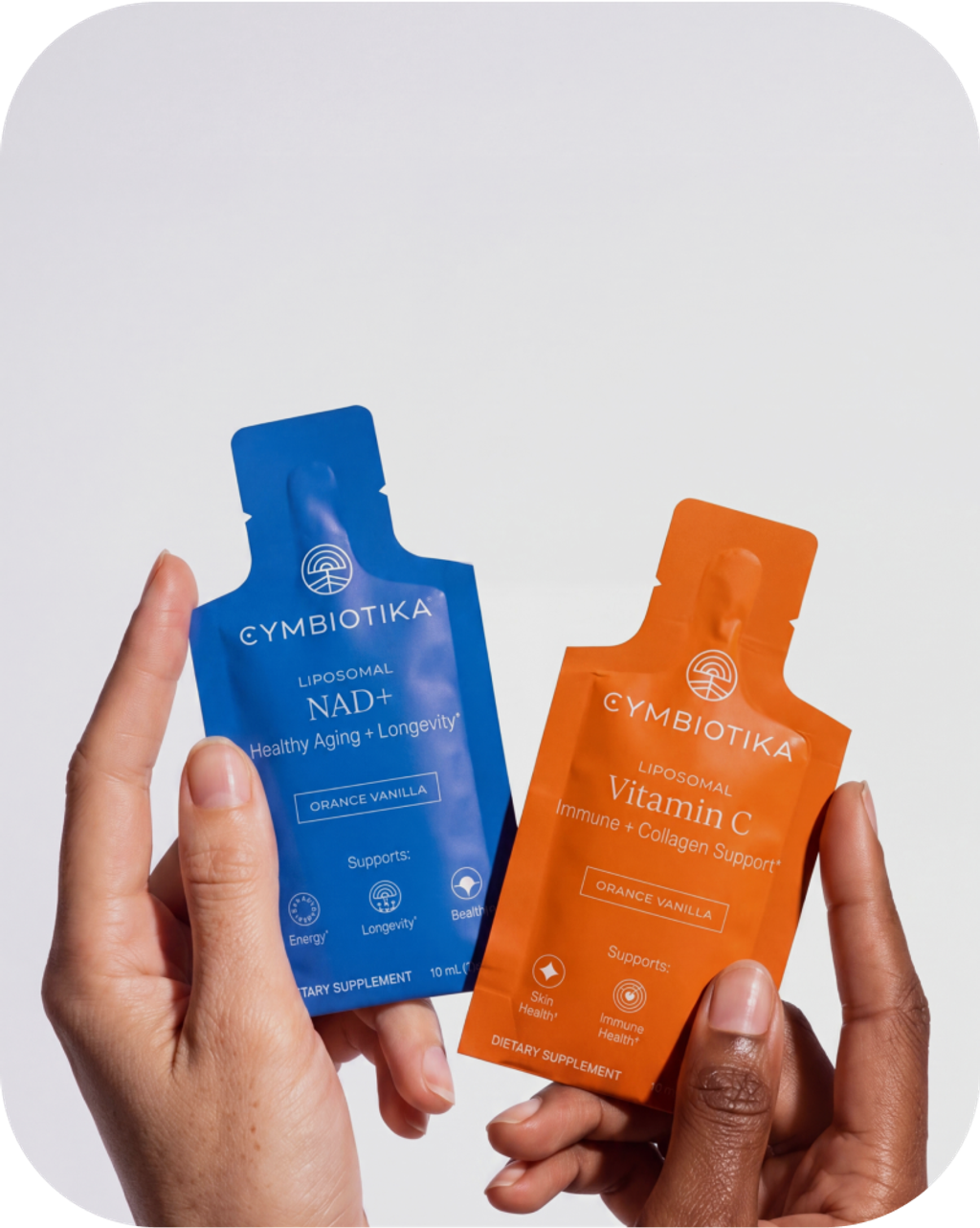
  • Liposomal Vitamin C: This master antioxidant may support the immune system and help the body neutralize free radicals produced during normal metabolism.
  • Magnesium Complex: Since magnesium is an electrolyte that regulates water balance, taking a highly absorbable form can help you stay hydrated at a cellular level.
  • Activated Charcoal: While water flushes the system, Activated Charcoal can bind to certain toxins in the gut, making them easier for the water to move out of the body.

Water Temperature and Timing

The timing of your hydration can influence how your body processes waste throughout the day. Many people find that drinking cold water is refreshing, but some wellness philosophies suggest that room-temperature or warm water is gentler on the digestive system.

Drinking water first thing in the morning is particularly effective. While you sleep, your body is in a state of repair and filtration. Metabolic waste products are concentrated during the night. A large glass of water upon waking helps "flush" these products into the bladder and signals the bowels to begin moving.

Bottom line: Consistency is more important than temperature. Focus on drinking water steadily throughout the day rather than "chugging" large amounts at once, which can overwhelm the kidneys and lead to the water passing through you without being fully absorbed.

Hydration and Cognitive Function

Even mild dehydration can affect the brain's ability to process information and manage waste. The brain is roughly 75% water. When hydration levels drop, the brain can actually shrink slightly in volume, which may lead to feelings of "brain fog" or difficulty concentrating.

Proper hydration supports the production of cerebrospinal fluid (CSF). This fluid cushions the brain and spinal cord and acts as a specialized waste-removal system for the central nervous system. Keeping this "rinse cycle" active through consistent water intake may help maintain mental clarity and long-term cognitive health. If you want to pair hydration with a focused routine, the Magnesium Glycinate: Bioavailability and Daily Wellness guide is a useful next read.

Avoiding the Over-Hydration Trap

While water is essential for "detoxing," it is possible to drink too much. A condition called hyponatremia occurs when you drink so much water that it dilutes the sodium in your blood to dangerous levels. This is why balance is key.

Instead of aiming for an arbitrary number of gallons, listen to your body's thirst signals. Your needs will change based on your activity level, the climate, and your diet. If you are consuming hydrating foods like cucumbers, melons, and leafy greens, you are getting water packaged with minerals, which is often easier for the body to use.

Key Takeaway: Quality of hydration beats quantity. Ensuring your water includes trace minerals supports cellular balance and prevents the dilution of essential electrolytes.

Building a Hydration Routine

Creating a sustainable habit is the only way to reap the long-term benefits of water's natural filtration support. You do not need to overhaul your life overnight. Small, intentional changes can lead to significant improvements in how you feel and how your body handles waste.

Step 1: Carry a reusable bottle. Having water visible and accessible makes you more likely to sip regularly. Step 2: Use the "glass-for-glass" rule. For every cup of coffee or dehydrating beverage you consume, drink an equal amount of water. Step 3: Pair hydration with minerals. Use our liquid mineral complexes to ensure the water you drink actually reaches your cells. Step 4: Check in with your body. Notice if you have a mid-afternoon energy slump; often, this is a sign of dehydration rather than a need for caffeine.

Why Quality Matters

The source of your water can impact its ability to support your health. Tap water often contains chlorine, fluoride, and other additives that your liver and kidneys then have to process. While these are usually within "safe" limits, the goal of hydration is to lighten the load on your organs, not add to it.

Using a high-quality water filter can remove many of these impurities. Once filtered, you can "revitalize" the water by adding minerals back in. This approach mimics how water exists in nature—filtered through the earth and enriched with minerals from rocks and soil.

The Connection Between Hydration and Healthy Ageing

As we age, our thirst mechanism becomes less sensitive, making it easier to fall into a state of chronic dehydration. This can lead to a slower metabolism and a decreased ability for the body to move waste products out of the tissues. For readers interested in age-supportive formulas, the Healthy Aging Supplements collection brings together related options.

Maintaining high hydration standards throughout your life supports the health of your joints, skin, and internal organs. Water helps keep the cartilage in your joints hydrated and supple, reducing the friction that can lead to discomfort. It also helps maintain the elasticity of the skin, which is often the first place the visible signs of dehydration appear. If healthy aging is a priority, Liposomal Vitamin C is a product many readers look into next.

The Cymbiotika Mission

At Cymbiotika, we believe that wellness starts with trust and transparency. We don't believe in quick-fix "detoxes" that promise the world but deliver very little. Instead, we provide the tools to support the body's natural, brilliant design. Our focus is on creating formulations that prioritize bioavailability, ensuring that when you take a supplement, your body can actually absorb and use it.

Whether it is our liposomal delivery systems or our sourcing of wild-crafted minerals, every decision is made to help you build a routine you can trust. We empower you to take control of your health through education and high-quality supplementation. If you want to match your needs more precisely, the Cymbiotika Expert quiz can help guide your next step.

"Wellness is not about a one-time cleanse; it is about the consistent, daily support of your body's natural systems through quality hydration and bioavailable nutrients."

Conclusion

Water is the foundation of every biological process in your body. It is the vehicle for nutrients and the primary method for waste removal. By supporting your kidneys, liver, and lymphatic system with consistent, mineral-rich hydration, you are giving your body what it needs to perform its own natural detoxification every day.

To take the next step in personalizing your wellness journey, we invite you to take our Health Quiz. It is designed to help you identify the specific nutrients and support systems your body needs to thrive based on your unique lifestyle and goals.

  • Focus on consistency over intensity in your hydration.
  • Prioritize mineral balance to ensure cellular absorption.
  • Support your natural filtration organs with clean, high-quality water.
  • Use bioavailable supplements to bridge any nutritional gaps.

FAQ

Does drinking water really help clear your skin?

Yes, water may support skin health by ensuring that the skin's cells are well-hydrated and that waste products are efficiently removed through the bloodstream and sweat. When you are dehydrated, the skin can appear dull and may be more prone to dryness or congestion.

How much water should I drink to detox my body?

There is no single "magic number" because hydration needs vary based on your weight, activity level, and environment. A common starting point is half your body weight in ounces, but the best way to tell is by checking the color of your urine and listening to your thirst cues.

Can water replace the need for a detox diet?

Your body is already designed to detoxify itself through the liver, kidneys, and lungs. While a healthy diet supports these organs, water is the essential fluid they need to function; most restrictive "detox diets" are unnecessary if you maintain a balanced lifestyle and proper hydration.

Is it better to drink filtered or tap water for detoxification?

Filtered water is generally preferred because it removes common contaminants like chlorine and heavy metals that the liver would otherwise have to process. Adding trace minerals back into filtered water can further support its bioavailability and help your body use it more effectively.

*These statements have not been evaluated by the Food and Drug Administration. This product is not intended to diagnose, treat, cure, or prevent any disease.

Subscribers get it all

Subscribe today and unlock access to Arise, the ultimate wellness experience.

SAVE BIG

Get over 40% off + FREE shipping on all recurring orders.

FUN FREEBIES

Get free gifts, swag, perks, and more

SAVE BIG

Feel energized & strong with a routine that works!

by / Aug 18, 2026

Back to cart

CONGRATS

Choose Your Free Gift

Thanks for spending $110. Choose one of the starter packs below

Are you sure?
We'll remind you before your next
Golden Mind order processes.
We'll remind you before your next
Topical Magnesium order processes.
Are you sure?
Removing will also remove the exclusive discounted item added to your cart.

You're away from a FREE gift!

Add any of the products below to unlock your free gift.

    You've unlocked a FREE gift!

    Thanks for spending $110. Choose one of the three starter kits below.

    Subscribe & Save

    Trusted by 60k+ subscribers

    FOR YOU
    One FREE Month of Golden Mind!
    You've unlocked one FREE month of Golden Mind! Your subscription will renew automatically every 30 days, and we'll remind you before your order processes.
    Cancel anytime in your portal.
    FOR YOU
    One FREE Month of Topical Magnesium Oil!
    You've unlocked one FREE month of Topical Magnesium Oil! Your subscription will renew automatically every 30 days, and we'll remind you before your order processes.
    Cancel anytime in your portal.
    Your Cart ( items)

    in savings and perks unlocked with your order!

    Free shipping sitewide.

    A Free 12-Pack, Just for You

    Spend $110 and get a free gift

    More subscriptions, more savings

    1

    30% off

    2

    34% off

    3

    38% off

    4

    40% off

    5

    40% off

    Want to save? Add a subscription to get 30% off on it!

    Add items to your cart

    Browse our products and add items to start your order.

    You may also like. . .
    You may also like
    60-Day money back guarantee*