Introduction
If you have spent time researching antioxidants, you have likely come across the "master antioxidant" known as glutathione. It is a molecule that exists in every cell of your body, working behind the scenes to support your immune system and keep your energy levels stable. However, when you look at supplement labels, the terminology can get confusing. You will often see "reduced glutathione" and wonder if this specific form is superior to others or if it is just marketing jargon.
At Cymbiotika, we believe that understanding the science behind your supplements is the first step toward a more effective wellness routine. When people ask if reduced glutathione is better, they are usually looking for the most effective way to support their body’s natural detoxification and antioxidant defenses. The short answer involves more than just the name on the bottle; it involves how the molecule behaves in your body and, most importantly, how well your body can actually absorb it. If your goal is broader support, the Healthy Aging collection is a natural place to explore.
This article will explore the differences between glutathione forms, why "reduced" is the active state you want, and how delivery methods change the way your body uses this vital nutrient.
Quick Answer: Reduced glutathione is the active, stable form of the molecule that your body uses to neutralize oxidative stress. While it is technically "better" because it is the form that does the work, its effectiveness depends entirely on bioavailability—the body's ability to absorb it before it is broken down by digestion.
Understanding the Two Faces of Glutathione
To understand why "reduced" matters, we have to look at how antioxidants work. Think of an antioxidant as a tiny donor. Its job is to give an electron to a "free radical," which is an unstable molecule that can cause damage to your cells. When an antioxidant like glutathione has an extra electron to give, it is in its reduced state.
The Reduced Form (GSH)
Reduced glutathione is the active form. In this state, the molecule is "armed" and ready to neutralize toxins and oxidative stress. When you see "GSH" in scientific papers, they are talking about this active version. It is the form your liver uses for detoxification and the form your immune cells need to function. For readers exploring related formulas, the Liver Health+ page is a helpful next step.
The Oxidized Form (GSSG)
Once a glutathione molecule has given away its electron to neutralize a free radical, it becomes oxidized. In this state, it is essentially "spent." It can no longer act as an antioxidant until it is recycled back into the reduced form. A healthy body usually maintains a high ratio of reduced glutathione to oxidized glutathione. If the level of oxidized glutathione becomes too high, it is often a sign that the body is under significant stress.
Key Takeaway: Reduced glutathione is the only form capable of actively neutralizing free radicals. The oxidized form is a byproduct that must be recycled by the body before it can be useful again.
Why the "Reduced" Label Matters for Supplementing
When you are choosing a supplement, you want the form that is ready to go to work immediately. If you were to take a supplement made of oxidized glutathione, your body would have to spend energy and resources to "charge" it back up into the reduced state.
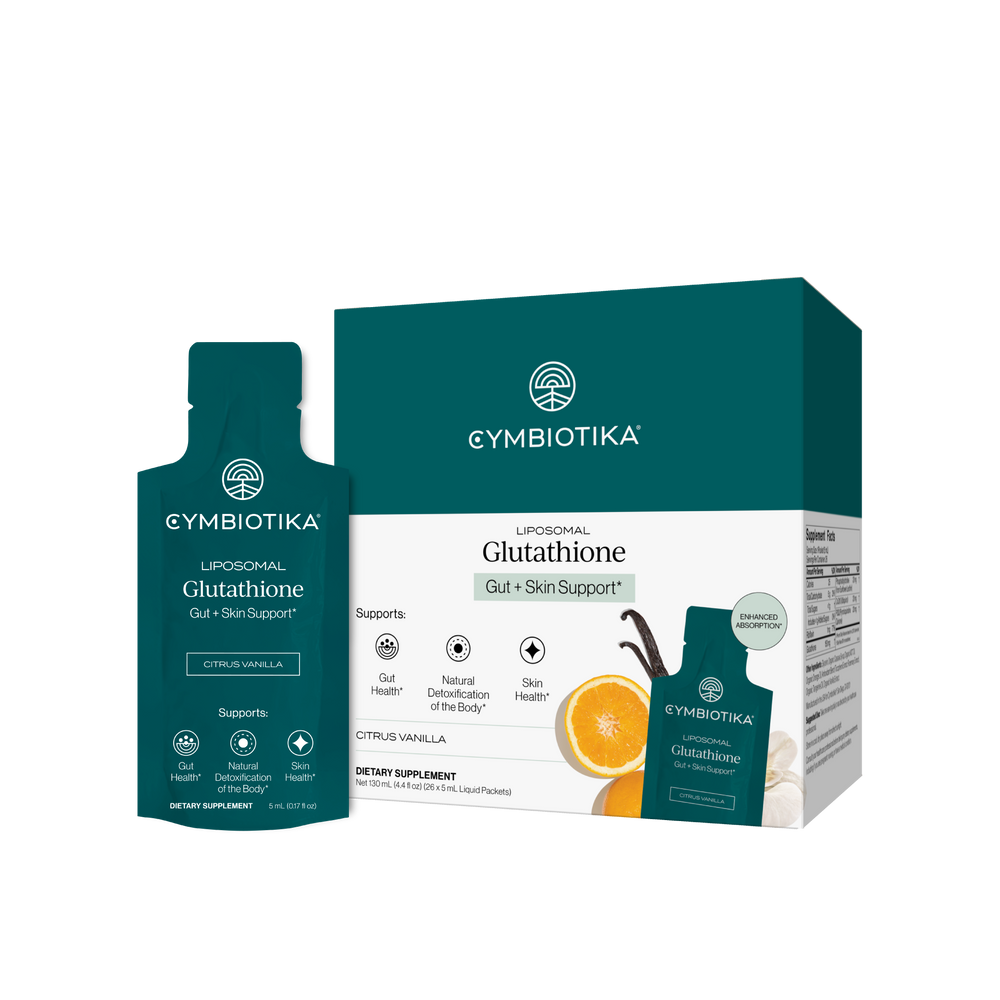
Reduced glutathione is generally considered the standard for high-quality supplements because it mimics the active state found naturally in our cells. However, simply having the right form is only half the battle. The real challenge with glutathione is not just the form, but the journey it takes through your digestive system. For a deeper look at how Cymbiotika approaches this formula, the Liposomal Glutathione product page is worth a look.
The Bioavailability Challenge
Bioavailability refers to how well your body can actually absorb and use a substance. This is the lens through which we view every formulation we create. Even the highest quality reduced glutathione can be largely ineffective if it does not reach your cells.
Standard glutathione capsules often face a major hurdle: the stomach. Because glutathione is a tripeptide (a small protein made of three amino acids), your digestive enzymes often see it as food rather than a supplement. They may break it down into its individual amino acids—cysteine, glycine, and glutamic acid—before it ever reaches your bloodstream.
This is why many people have historically believed that oral glutathione does not work. If the molecule is broken down in the stomach, you are essentially just taking an expensive amino acid supplement. Your body then has to put those pieces back together to create glutathione, which is a slow and inefficient process.
The Role of Delivery Systems
To solve this, we focus on liposomal delivery. A liposome is a tiny, fat-based bubble (a phospholipid bilayer) that encapsulates the glutathione. This "lipid shield" protects the reduced glutathione as it passes through the harsh environment of the stomach. Because the liposome is made of the same material as your cell membranes, it can fuse with them and deliver the glutathione directly into the bloodstream and cells.
When you ask if reduced glutathione is better, the answer is "yes," but with a caveat: it is only better if it is protected. A liposomal reduced glutathione is designed to bypass the traditional digestive breakdown, offering a level of absorption that standard powders and capsules simply cannot match.
How Reduced Glutathione Supports Your Health
When you maintain healthy levels of active, reduced glutathione, your body is better equipped to handle the various stressors of modern life. It is not about a "quick fix" but about supporting the foundational systems that keep you feeling your best. If you are building a broader routine, the Immunity collection and Gut Health collection both connect naturally with this conversation.
Liver Support and Detoxification
The liver is your body's primary filtration system. It houses the highest concentration of glutathione in the entire body. Reduced glutathione is essential for Phase II detoxification, a process where the liver attaches a glutathione molecule to a toxin to make it water-soluble so it can be flushed out of the body.
If you are feeling sluggish or your skin looks dull, it may be because your liver's detoxification pathways are working overtime. Supporting these pathways with a bioavailable form of glutathione can help the liver perform its job more efficiently. Our Liver Health+ formulation is designed with this in mind, focusing on supporting these natural pathways through high-quality sourcing and superior delivery.
Immune System Function
Your immune cells, particularly T-cells and Natural Killer (NK) cells, rely on glutathione to function properly. These cells are your body’s first line of defense. Research suggests that when glutathione levels are low, immune cells may not respond as effectively to challenges. By providing the body with the reduced form, you are giving these cells the fuel they need to stay vigilant.
Skin Health and "Healthy Glow"
Many people seek out reduced glutathione for its potential skin benefits. It may support skin health by inhibiting the enzyme tyrosinase, which is involved in the production of melanin (the pigment that gives skin its color). Beyond pigment, its antioxidant properties help protect the skin from environmental stressors like UV rays and pollution.
When your internal antioxidant levels are balanced, it often reflects on the outside. This is why we include supportive nutrients in products like Healthy Glow, which are designed to work from the inside out to support skin, hair, and nails.
Mitochondrial Energy
The mitochondria are the "powerhouses" of your cells, responsible for creating the energy (ATP) you need to get through the day. However, the process of making energy also creates free radicals as a byproduct. If these free radicals are not neutralized, they can damage the mitochondria, leading to fatigue and a lack of focus. Reduced glutathione acts as a shield for your mitochondria, supporting consistent cellular energy production. For another energy-focused path, the Energy collection offers a wider set of options.
Comparing Reduced Glutathione to Other Supplements
You might wonder how glutathione compares to other popular supplements like Vitamin C or NAC (N-acetylcysteine). While they are all related to antioxidant health, they play different roles in your routine.
| Supplement | Role in the Body | Bioavailability Consideration |
|---|---|---|
| Reduced Glutathione | The "Master" antioxidant; directly neutralizes toxins. | Requires liposomal delivery for high absorption. |
| Vitamin C | Recycles glutathione; supports collagen and immunity. | Often used alongside glutathione for a synergistic effect. |
| NAC (N-acetylcysteine) | A precursor that provides the raw materials for the body to make its own glutathione. | Effective, but depends on the body's ability to synthesize the molecule. |
| Alpha Lipoic Acid | A "universal" antioxidant that works in both fat and water-soluble environments. | Helps regenerate "spent" glutathione back into its reduced form. |
Bottom line: While NAC helps your body build glutathione, taking reduced glutathione in a liposomal format provides the body with the finished product ready for immediate use.
Signs You Might Need More Antioxidant Support
Our bodies are resilient, but they aren't indestructible. Constant exposure to environmental factors can deplete your stores of reduced glutathione faster than your body can replenish them. You might consider increasing your support if you experience:
- Inconsistent Energy Levels: If you feel like you are dragging through the afternoon even after a full night's sleep.
- Slow Recovery: Feeling "run down" for longer than usual after a period of intense work or travel.
- Environmental Exposure: Living in an urban area with high pollution or frequently using household chemicals.
- Signs of Aging: Noticing that your skin looks tired or is losing its natural vibrance.
Building a Routine That Lasts
Success in wellness is rarely about taking one supplement one time. It is about consistency over intensity. Adding a reduced glutathione supplement to your routine is most effective when it is part of a broader lifestyle strategy.
Step 1: Support Your Diet
While supplements help bridge the gap, your food provides the foundation. Focus on sulfur-rich foods, as sulfur is a key component of the glutathione molecule.
- Cruciferous vegetables (broccoli, cauliflower, Brussels sprouts)
- Alliums (garlic, onions, shallots)
- High-quality protein sources (grass-fed beef, fish, poultry)
Step 2: Choose the Right Format
As we have discussed, standard capsules may not provide the absorption you need. Look for liposomal formats. Our Liposomal Glutathione is designed to be taken daily, providing a direct and protected source of the master antioxidant.
Step 3: Address the "Spent" Molecules
To keep your glutathione in its reduced, active state, you need "helper" antioxidants. Vitamin C and Vitamin E are excellent at this. They can take on the burden of free radicals, allowing your glutathione to stay in its reduced form longer.
Step 4: Prioritize Sleep
Your body does its best "housekeeping" while you sleep. Research shows that glutathione levels are often highest during deep sleep cycles. If you are struggling with sleep quality, a liposomal sleep support or topical magnesium spray can help you get the rest your body needs to rebuild its antioxidant stores. For a more specific match, explore the Sleep Supplements collection or read more about Magnesium Spray vs. Supplements.
The Myth of "More is Always Better"
A common misconception in the supplement world is that a higher milligram count always equals better results. This is rarely the case, especially with glutathione.
If you take 1,000mg of a standard, non-liposomal glutathione capsule, your body might only absorb 10% of it. The rest is simply wasted. However, if you take a lower dose—say 250mg—in a liposomal format, the bioavailability is much higher. Your cells actually get the nutrient they need, and your digestive system isn't overwhelmed. We focus on effective dosing through superior technology rather than just chasing high numbers on a label.
Myth: A 1,000mg glutathione capsule is four times more effective than a 250mg liposomal dose. Fact: Bioavailability is the true metric of success. Standard capsules are often broken down by digestion, while liposomal delivery is designed to transport the molecule directly into your cells, making a smaller, protected dose far more effective.
What to Look for When Buying Glutathione
When you are browsing for a glutathione supplement, be a discerning consumer. Transparency is the bedrock of trust, and you deserve to know exactly what is going into your body.
- Check for "Reduced": Ensure the label explicitly states "reduced glutathione" or "L-glutathione."
- Verify the Delivery Method: Does the brand use liposomal technology? If not, ask how they ensure the molecule survives digestion.
- No Hidden Fillers: Avoid products with unnecessary synthetic binders, artificial colors, or GMO ingredients.
- Third-Party Testing: Look for brands that test their products for purity and potency. This ensures that what is on the label is actually what is in the bottle.
At Cymbiotika, we provide a certificate of analysis for our formulations to ensure you can trust the quality of every drop. We source our ingredients with the highest standards, focusing on organic and wild-crafted materials whenever possible.
Beyond the Supplement: Lifestyle Habits
Your body is a complex system, and no supplement works in a vacuum. To get the most out of your glutathione routine, consider these daily habits:
- Hydrate Well: Water is essential for the kidneys to flush out the toxins that glutathione helps mobilize.
- Manage Stress: Chronic stress increases the production of free radicals, which depletes your reduced glutathione stores. Daily movement, meditation, or even a five-minute walk can make a difference.
- Limit Alcohol: The liver uses vast amounts of glutathione to process alcohol. Reducing your intake can "save" your glutathione for other vital tasks, like immune support and skin health.
- Get Morning Sunlight: Natural light helps regulate your circadian rhythm, which in turn supports the natural production of antioxidants during sleep.
Conclusion
Is reduced glutathione better? Yes, but only when it is delivered in a way that respects your body’s biology. The reduced form is the active tool your cells need to combat oxidative stress, support your liver, and keep your immune system strong. However, without protection from digestive enzymes, even the best reduced glutathione may never reach its destination.
We believe that wellness starts with trust and is sustained through science-forward formulations. By choosing a liposomal delivery system, you are ensuring that your body can actually absorb and use the nutrients you provide. This commitment to bioavailability is why our products stand apart.
If you are unsure where to start on your wellness journey, we recommend taking our Health Quiz. It is designed to help you identify your specific needs and build a personalized routine that fits your lifestyle. Whether you are looking for more energy, better skin, or a stronger immune system, we are here to help you find the right path forward with transparency and quality you can trust.
Bottom line: Reduced glutathione is the active form your body requires, but bioavailability is the key that unlocks its true potential.
FAQ
Why is it called "reduced" glutathione?
The term "reduced" refers to the molecule's chemical state, specifically that it has an extra electron to donate. In chemistry, "reduction" is the gain of an electron, which allows the glutathione to remain active and ready to neutralize free radicals.
Is L-glutathione the same as reduced glutathione?
Yes, in the context of supplements, L-glutathione and reduced glutathione are generally the same thing. The "L" refers to the specific orientation of the molecule (its stereochemistry) that is found naturally in the human body and used in cellular processes. If you want to compare formula formats, start with Liposomal Glutathione.
Can I get enough glutathione from food alone?
While your body produces glutathione and you can get its precursors from foods like garlic, onions, and broccoli, modern environmental stressors often deplete our stores faster than we can replenish them. For many people, a bioavailable supplement helps bridge the gap that diet alone cannot fill. You can also browse the Gut Health collection if you are looking to support the systems tied most closely to daily resilience.
How long does it take to see results from taking glutathione?
Results vary depending on your starting levels and lifestyle, but many people begin to notice subtle changes in energy and skin clarity within 2 to 4 weeks of consistent use. For deeper cellular and liver support, it is best to maintain a routine for at least 3 months to allow your body to stabilize its antioxidant stores. If sleep is part of your routine, you may also find Which Magnesium Supplement for Sleep helpful.