Introduction
If you have ever reached for a third cup of coffee by 2 p.m. or felt like your brain was stuck in a thick fog, you are not alone. Many of us navigate daily life feeling like our internal batteries are constantly hovering at ten percent. When looking for ways to support vitality and resilience, two names frequently rise to the top of the conversation: NAD+ and Glutathione.
At Cymbiotika, we believe that understanding your body at a cellular level is the first step toward lasting wellness. Both NAD+ and Glutathione are vital components of your biology, but they play very different roles. One focuses on the "spark" of energy production, while the other acts as the "shield" against cellular stress. If you are exploring this from a long-term wellness angle, the Healthy Aging Supplements collection is a helpful place to start.
This article explores the unique functions of these molecules, how they work together, and how to determine which support might be right for your specific goals. We will also address why the way you take these supplements matters more than the milligram count on the label. By the end, you will have a clear framework for building a routine that helps you feel your best.
Quick Answer: Neither is objectively "better" because they serve distinct roles. NAD+ is primarily for cellular energy and cognitive support, while Glutathione is the master antioxidant for detoxification and immune health. Most people benefit from a combination of both.
What is NAD+ and Why Does It Matter?
Nicotinamide Adenine Dinucleotide, or NAD+, is a coenzyme found in every single living cell in your body. If your cells were an engine, NAD+ would be the spark plug that allows the fuel to ignite. It is essential for the production of ATP (adenosine triphosphate), which is the primary energy currency your body uses to power everything from a heartbeat to a thought.
Beyond just "energy," NAD+ is a critical regulator of cellular health. It helps activate sirtuins, which are a family of proteins often referred to as "longevity genes." These proteins help protect your DNA from damage and manage how your body responds to stress. As we age, our natural levels of NAD+ decline significantly—often by as much as 50% by the time we reach middle age.
The Role of NAD+ in Energy and Focus
When NAD+ levels are optimal, your mitochondria—the power plants inside your cells—can function efficiently. This often translates to a steady sense of physical energy and sharper mental clarity. When levels are low, you might experience persistent fatigue, "brain fog," and a slower recovery time after physical or mental exertion. For a deeper look at the role this molecule plays, see Your Cellular Energy Runs on NAD+.
Why NAD+ Levels Drop
Several factors contribute to the depletion of NAD+. While aging is the primary driver, lifestyle factors also play a role. High levels of alcohol consumption, poor sleep, and overexposure to UV rays can all force your body to use up its NAD+ stores faster than it can replenish them. This is why many people look toward supplementation to bridge the gap and support their metabolic health.
Understanding Glutathione: The Master Antioxidant
If NAD+ is the spark plug of the cell, Glutathione is the waste management system and the protective shield. Often called the "master antioxidant," Glutathione is a tripeptide made of three amino acids: cysteine, glutamic acid, and glycine. Unlike many other antioxidants that we get primarily from food, your body produces its own Glutathione.
The primary job of Glutathione is to neutralize free radicals. These are unstable molecules that can damage your cells, leading to what scientists call "oxidative stress." Think of oxidative stress like rust on a car; over time, it breaks down the integrity of the structure. Glutathione helps "scrub" this rust away, keeping your cells clean and functional.
Detoxification and Immune Support
Glutathione is most concentrated in the liver, which is your body’s main detoxification organ. It binds to heavy metals, environmental toxins, and metabolic waste, making them water-soluble so your body can flush them out. For readers focused on immune support, the Immunity Supplements collection is a natural companion to this topic.
Beyond detox, it plays a massive role in your immune system. It helps support the function of white blood cells, which are your body's primary defenders against external threats. When you are under a lot of stress or feeling run down, your Glutathione levels can drop, leaving your system more vulnerable.
Skin Health and Brighter Complexion
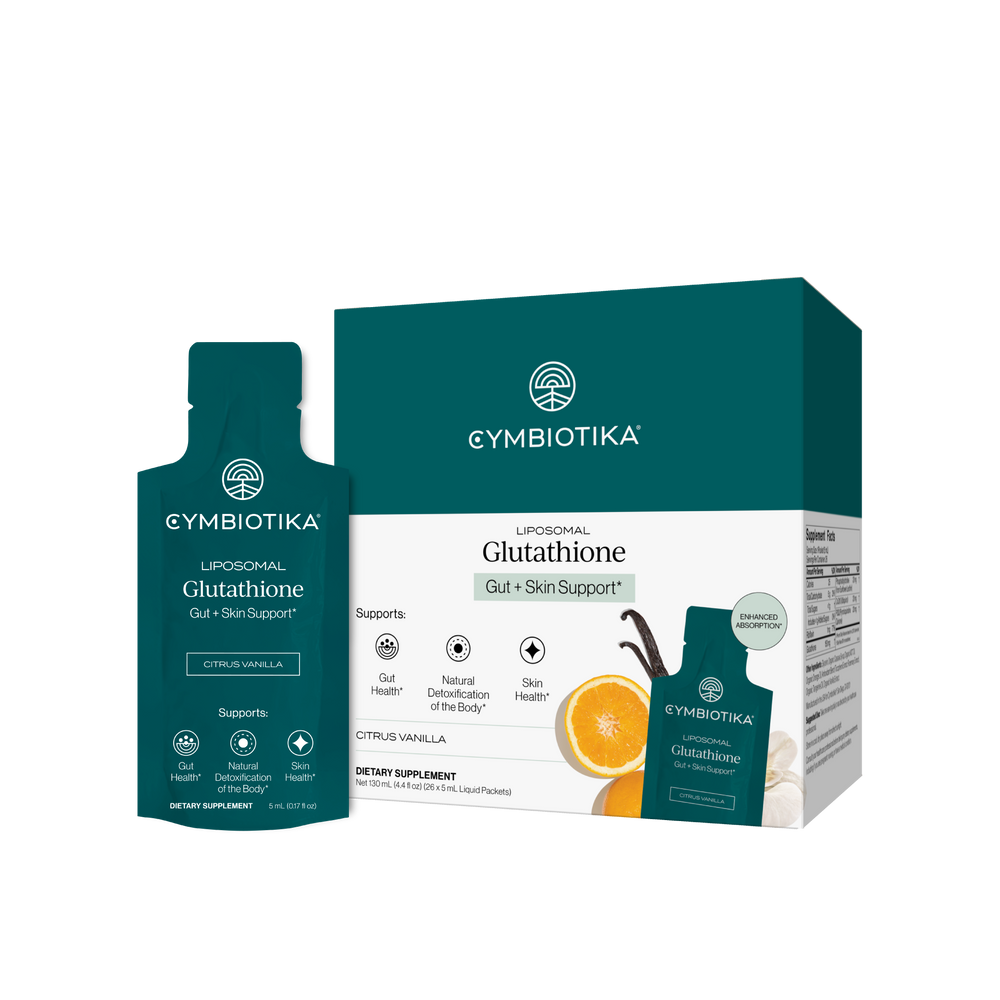
Many people first hear about Glutathione in the context of skin health. Because it reduces oxidative damage and can influence melanin production, it is often associated with a more "glowing" or even skin tone. While this is a visible benefit, it is ultimately a reflection of the deep cellular work happening inside. If you want to explore the supplement itself, the Liposomal Glutathione formula is the product page to review.
Key Takeaway: NAD+ powers the cell and supports DNA repair, while Glutathione protects the cell and handles detoxification. They are two halves of a complete cellular defense and energy strategy.
Head-to-Head: Is NAD or Glutathione Better?
Choosing between the two depends entirely on what your body is currently asking for. They are not competitors; they are coworkers. However, if you are looking to target specific wellness goals, one may be more relevant than the other in the short term.
Choose NAD+ Support If:
- You feel a constant lack of physical energy despite sleeping well.
- You struggle with mental clarity and focus throughout the workday.
- You are focused on long-term healthy aging and DNA protection.
- You want to support mitochondrial function during a rigorous exercise program.
Choose Glutathione Support If:
- You live in a city or environment with high exposure to pollutants.
- You want to support your liver after periods of indulgence or high stress.
- You are looking to support your immune system during seasonal changes.
- You want to improve skin radiance and combat visible signs of oxidative stress.
| Feature | NAD+ | Glutathione |
|---|---|---|
| Primary Goal | Energy & Longevity | Detox & Protection |
| Main Location | Mitochondria | Liver & Cytoplasm |
| Key Action | Produces ATP Energy | Neutralizes Free Radicals |
| Target User | Those with fatigue/brain fog | Those needing detox/immune support |
| Aging Impact | Levels decline naturally | Levels decline naturally |
The Synergistic Power: Why They Work Best Together
While the "NAD+ vs. Glutathione" debate is common, the reality is that these two molecules have a deeply synergistic relationship. They depend on each other to keep your body in balance.
NAD+ helps recycle Glutathione. When Glutathione neutralizes a free radical, it becomes "oxidized," meaning it is temporarily spent. To be used again, it must be converted back into its active form. This recycling process requires an enzyme that is dependent on a cousin of NAD+ (NADPH). Without enough NAD+ precursors in the system, your body cannot effectively recycle its "master antioxidant."
Glutathione protects the NAD+ production sites. NAD+ is primarily used inside the mitochondria. However, the process of creating energy (ATP) naturally creates free radicals as a byproduct. If those free radicals are not neutralized, they can damage the mitochondria themselves. Glutathione acts as the shield that protects the very place where your energy is made.
If you only focus on energy (NAD+) without protection (Glutathione), you might increase cellular stress. If you only focus on protection without energy, your cells may not have the power to carry out repair processes. This is why many people find the best results by incorporating both into their routine.
The Bioavailability Problem: Does Your Body Actually Absorb It?
The biggest hurdle with both NAD+ and Glutathione is absorption. In the supplement industry, many products look great on a label but fail to perform in the body. Standard capsules and powders often face a harsh journey through your digestive tract.
Stomach acid is the enemy of stability. When you swallow a traditional Glutathione pill, your stomach acid and digestive enzymes often break the tripeptide down into its individual amino acids before it ever reaches your bloodstream. This means you are essentially just taking an expensive amino acid supplement rather than the "master antioxidant" itself. To go deeper on this topic, read What Is Liposomal Glutathione?.
Molecular size matters. NAD+ is a large molecule. If taken directly in oral form, it is very difficult for it to pass through the lining of the gut and into the cells where it is needed. This is why we often use precursors like NMN (Nicotinamide Mononucleotide) or use advanced delivery methods to ensure the compound reaches its destination.
The Liposomal Difference
At Cymbiotika, we solve the absorption problem through liposomal delivery. A liposome is a tiny, microscopic bubble made of phospholipids—the same material that makes up your own cell membranes. We wrap the nutrient in this phospholipid bilayer (a double layer of healthy fats).
This protective "shell" does two things:
- It shields the nutrient from the harsh environment of the stomach and digestive enzymes.
- It mimics your cell structure, allowing the nutrient to be absorbed more efficiently into the bloodstream and across the cell membrane.
Bioavailability is not just a marketing term; it is the difference between a supplement that works and one that simply passes through your system. When you use a liposomal format, you are ensuring that your body can actually use what you are taking. If you want a broader look at how Cymbiotika approaches this challenge, the Problem and Absorption page is a useful educational resource.
Bottom line: High doses of supplements mean very little if they are not bioavailable. Liposomal delivery is designed to support absorption at the cellular level, making smaller doses more effective than large doses in standard pill form.
How to Build Your Routine
If you are ready to stop guessing and start supporting your cellular health, building a consistent routine is key. Wellness is built on small, daily habits rather than occasional high-intensity efforts.
Step 1: Identify Your Primary Friction Point
Assess your current state. Are you more concerned with an afternoon slump (energy/NAD+) or feeling "clogged" and run down (detox/Glutathione)? This helps you decide which to prioritize.
Step 2: Choose Quality Precursors and Formats
For energy and cognitive support, look for a high-quality NAD+ precursor. Our Liposomal NAD+ is designed to support the body's natural NAD+ production. We include Trans-Resveratrol because it helps activate the sirtuins that NAD+ fuels, creating a more comprehensive approach to healthy ageing.
For detoxification and antioxidant support, choose a liposomal format. Our Liposomal Glutathione uses a sophisticated delivery system to ensure the "master antioxidant" bypasses digestion and reaches your cells intact. We also include PQQ (Pyrroloquinoline Quinone) to further support mitochondrial health.
Step 3: Timing and Consistency
Many people find that taking NAD+ precursors in the morning aligns with their natural circadian rhythms and energy needs. Glutathione can be taken at any time, though some prefer it in the morning for all-day protection or in the evening to support the liver's natural nighttime detox cycles.
Step 4: Personalize Your Approach
Every body is different. What works for a friend might not be exactly what you need. We recommend taking our Cymbiotika Expert to get a personalized recommendation based on your unique diet, lifestyle, and goals.
Note: While these supplements are generally well-tolerated, it is always a good idea to consult with your healthcare provider before starting a new routine, especially if you are pregnant, nursing, or taking medication.
Practical Scenarios: Which Should You Use Today?
To make this even more practical, let’s look at how these choices play out in everyday life.
Scenario A: The High-Stakes Professional You have a week of intense meetings, high cognitive demands, and early wake-up calls. You feel "dimmed down." In this case, focusing on NAD+ support (like NMN) may help provide the mental clarity and cellular energy needed to stay sharp. The Energy & Focus collection is a good place to compare supportive options.
Scenario B: The City Dweller/Commuter You spend a lot of time in traffic, breathing in exhaust, or perhaps you’ve been eating more processed foods than usual. You feel "heavy" or your skin looks dull. Here, Liposomal Glutathione is the priority to help your liver process those environmental stressors and clear out metabolic waste.
Scenario C: The Longevity Enthusiast You are in your 40s or 50s and want to maintain your current level of health for decades to come. You aren't "fixing" a specific problem but want to invest in your future self. In this scenario, alternating both or using them together provides the most comprehensive cellular defense.
Myth: "I can get all the NAD+ and Glutathione I need from food." Fact: While a diet rich in B3, lean proteins, and cruciferous vegetables provides the raw building blocks, it is nearly impossible to reach the concentrated levels needed to significantly move the needle on cellular levels, especially as we age.
The Role of Purity and Transparency
When you choose a supplement, you are inviting those ingredients into your internal ecosystem. We believe you deserve to know exactly what is in the bottle. At Cymbiotika, we ensure all our products are non-GMO and free from unnecessary synthetic fillers, toxins, and artificial additives.
We utilize third-party testing to verify the potency and purity of our formulations. Wellness starts with trust, and that trust is built through transparency. Whether you are choosing our Liposomal Glutathione or our Liposomal NAD+, you are getting a science-forward product designed for real results.
Conclusion
Is NAD+ or Glutathione better? The answer is that they are two essential pieces of the same puzzle. NAD+ provides the power, and Glutathione provides the protection. By understanding how they work together, you can move away from "magic pill" thinking and toward a strategic, science-backed routine.
Remember that supplements are just one part of the equation. Prioritizing deep sleep, eating whole foods, and managing your daily stress levels will always be the foundation of wellness. Supplements are designed to "supplement" that foundation, filling in the gaps that modern life and biological aging create.
If you are ready to take the next step but aren't sure where to start, our Cymbiotika Expert is a great tool to help you identify which cellular supports your body needs most right now. We are here to help you build a routine you can trust, rooted in bioavailability and transparency.
Key Takeaway: Don't choose between energy and protection—understand that your body needs both. Prioritize bioavailability via liposomal delivery to ensure your investment actually reaches your cells.
FAQ
Can I take NAD+ and Glutathione together?
Yes, many people find that taking them together provides a more balanced approach to wellness. NAD+ helps fuel the cellular processes of repair, while Glutathione protects those cells from oxidative stress. They work synergistically rather than interfering with one another.
How long does it take to feel the effects of these supplements?
Results vary from person to person. Some people notice a change in mental clarity or energy within the first week, while for others, it may take 4 to 6 weeks of consistent use to notice a meaningful difference. Cellular changes often happen subtly over time.
Why is liposomal delivery better than standard capsules?
Standard capsules must pass through the stomach, where acid and enzymes can destroy fragile nutrients like Glutathione. Liposomal delivery wraps the nutrient in a protective fatty layer that mimics your cell membranes, allowing it to bypass digestion and be absorbed more effectively into the bloodstream.
Does NAD+ or Glutathione help with skin health more?
Glutathione is more directly associated with skin health because of its role as an antioxidant that reduces oxidative damage and helps regulate melanin production. However, NAD+ supports the DNA repair and cellular energy that contribute to an overall youthful appearance and healthy skin turnover.