Introduction
Joint discomfort can change the way you navigate your daily life. Simple movements like opening a jar or taking a morning walk can become reminders of physical limitations. Many people look for natural ways to support their joints, and glutathione is often a topic of interest. At Cymbiotika, we believe that understanding the "why" behind your supplements is the first step toward building a routine that actually works.
This article explores how glutathione interacts with the body's natural defense systems. We will look at the science of oxidative stress and why joint health depends on a delicate balance of antioxidants. We also address the most important factor in supplementation: whether your body can actually absorb the nutrients you take. If you want a deeper look at that science, our guide to All About Liposomes is a helpful place to start.
While many options exist for joint support, not all are created equal. We will examine the role of liposomal delivery and how it may change the way you think about your daily wellness routine. Our goal is to help you understand if this "master antioxidant" is the right fit for your specific health needs.
The Relationship Between Glutathione and Joint Health
To understand if glutathione is helpful for joint issues, we first need to look at what it is. Glutathione is a molecule made of three amino acids: glutamine, glycine, and cysteine. It is produced naturally in every cell of your body. It is often called the "master antioxidant" because it is essential for cellular health and detoxification.
The health of your joints depends on the integrity of cartilage and the balance of synovial fluid. Cartilage acts as a cushion between bones, while synovial fluid provides lubrication. When the body faces physical stress or natural aging, these tissues can become vulnerable. Glutathione serves as a primary defender for these sensitive areas.
Oxidative stress is the primary enemy of joint comfort. This occurs when there is an imbalance between free radicals and antioxidants. Free radicals are unstable molecules that can damage cells, proteins, and DNA. When free radicals outnumber antioxidants in the joints, they can contribute to the breakdown of cartilage and the thinning of protective fluids.
Quick Answer: Glutathione may support joint health by neutralizing free radicals and managing oxidative stress. By protecting cartilage cells and supporting a healthy inflammatory response, it can help maintain mobility and comfort over time.
Understanding Oxidative Stress in the Joints
Free radicals are a natural byproduct of your metabolism. Your body creates them when you breathe, exercise, or process food. However, environmental factors like pollution, poor diet, and high stress can increase their production. In the context of joint health, an excess of these molecules leads to a state of oxidative stress.
When oxidative stress remains high for long periods, it can trigger a cycle of discomfort. The body's immune system responds to cellular damage by initiating an inflammatory response. While inflammation is a necessary part of healing, chronic inflammation can lead to further tissue damage. This creates a loop where stress causes inflammation, and inflammation causes more stress.
Glutathione works by donating electrons to unstable free radicals. This process stabilizes the free radicals so they can no longer damage your cells. Because glutathione is found in high concentrations in the liver and throughout the body’s tissues, it is uniquely positioned to address this stress at the source.
- Cellular Protection: It helps shield the mitochondria, which are the "powerhouses" of your cells.
- Detoxification: It assists the liver in clearing out toxins that could otherwise trigger systemic inflammation.
- Recycling: It helps regenerate other antioxidants, like Liposomal Vitamin C and Vitamin E, making them more effective.
The Role of Chondrocytes and Cartilage
Cartilage is maintained by specialized cells called chondrocytes. These cells are responsible for producing the extracellular matrix, which gives cartilage its strength and elasticity. Chondrocytes are highly sensitive to their environment. When they are exposed to high levels of oxidative stress, their ability to repair and maintain cartilage is compromised.
Maintaining high levels of glutathione may support these cells in their daily repair work. When chondrocytes are protected from oxidative damage, they are better able to maintain the density of the cartilage. This is vital for long-term mobility and preventing the "bone-on-bone" feeling that often accompanies joint issues.
Key Takeaway: Joint comfort is largely a battle against oxidative damage. Glutathione acts as a biological shield for chondrocytes, helping them maintain the cartilage that cushions your movements.
Is Glutathione Good for Arthritis?
When people ask this question, they are usually looking for a way to manage the stiffness and swelling associated with joint conditions. Research suggests that people with chronic joint issues often have lower levels of glutathione in their systemic circulation and within the joint fluid itself. This deficiency suggests that the body’s natural defenses are being "used up" faster than they can be replenished.
Glutathione may help manage the biomarkers of inflammation. Studies have shown that increasing glutathione levels can lead to a reduction in certain markers that indicate an overactive immune response. By supporting a balanced inflammatory response, many people find they experience less daily stiffness and improved range of motion.
It is important to remember that results vary. Joint health is influenced by many factors, including genetics, weight, and previous injuries. However, providing your body with the tools it needs to fight oxidative stress is a foundational step in any wellness strategy.
Bottom line: While glutathione is not a cure, it is a powerful tool for supporting the body's natural ability to maintain joint tissue and manage daily discomfort.
The Bioavailability Challenge
Most standard glutathione supplements have a major flaw: poor absorption. When you take a traditional capsule or powder, the glutathione must pass through your digestive system. The harsh acids in your stomach often break down the molecule before it can reach your bloodstream. This means that even if a supplement has a high milligram count, your body might only use a small fraction of it.
Bioavailability refers to the amount of a nutrient that actually enters your circulation and is able to have an active effect. For glutathione, standard oral delivery is notoriously inefficient. This is why many people who try basic supplements don't see the results they expect.
For a closer look at how this works in practice, you can read What Is Liposomal Glutathione? Benefits & How It Works.
The Liposomal Difference
To solve the absorption problem, we use liposomal delivery. A liposome is a tiny, microscopic bubble made of phospholipids—the same material that makes up your own cell membranes. We wrap the glutathione inside these "fat-based bubbles."
This delivery method serves two main purposes:
- Protection: The liposome protects the glutathione from being destroyed by stomach acid and digestive enzymes.
- Absorption: Because the liposome is made of the same material as your cells, it can easily fuse with your cell membranes. This allows the nutrient to be delivered directly into the bloodstream and into your cells.
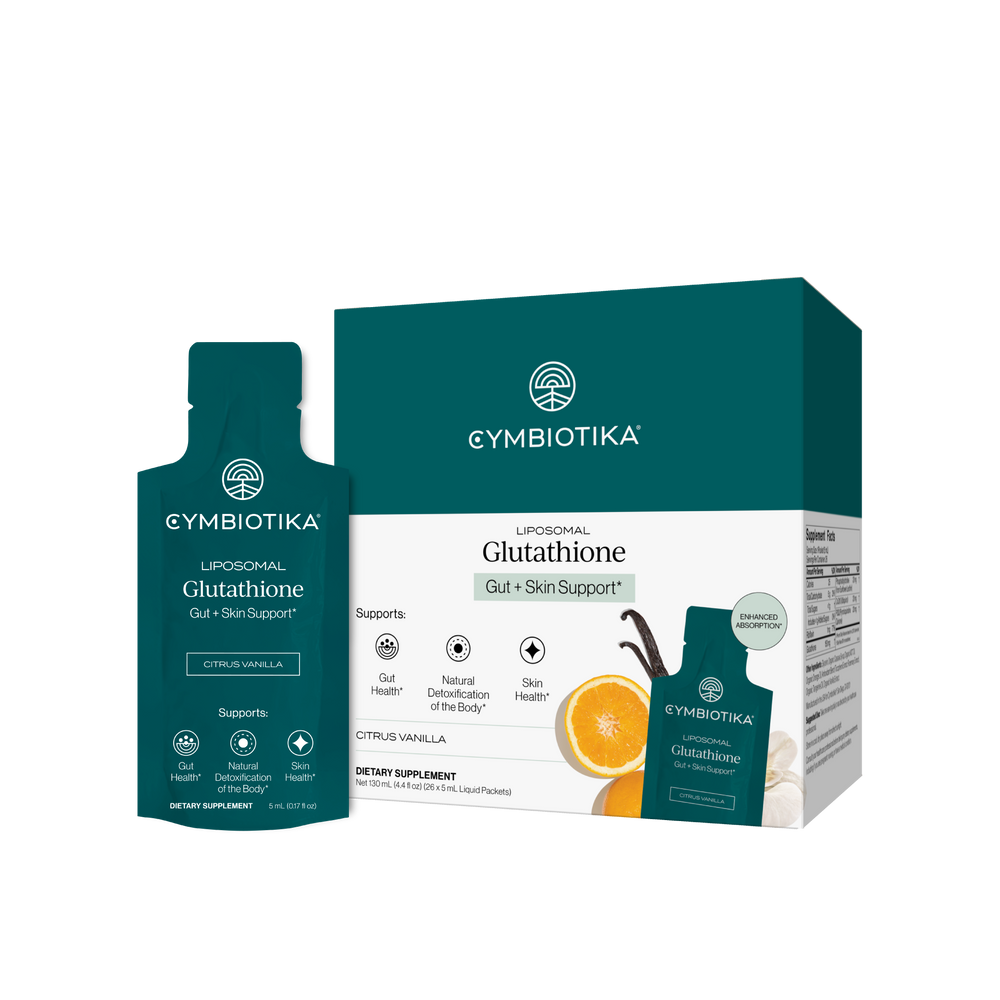
Our Liposomal Glutathione is designed with this technology to ensure that you are actually getting what you pay for. By bypassing the traditional digestive breakdown, you provide your body with a more potent and effective dose.
| Feature | Standard Glutathione | Liposomal Glutathione |
|---|---|---|
| Digestion | Broken down by stomach acid | Protected by phospholipid shell |
| Absorption | Low bioavailability | High cellular uptake |
| Waste | Much is lost in the gut | Minimal waste |
| Effectiveness | May require very high doses | Efficient at lower doses |
Complementary Nutrients for Joint Support
Wellness is rarely about one single ingredient. While glutathione is powerful, it works best when part of a broader nutritional strategy. Several other compounds can support its function and provide additional benefits for joint health.
Molecular Hydrogen
Molecular Hydrogen is the smallest molecule in the universe. Because of its size, it can penetrate parts of the cell that other antioxidants cannot reach. It is a selective antioxidant, meaning it only targets the most harmful free radicals while leaving beneficial ones alone. Many people find that using Molecular Hydrogen alongside glutathione provides a "one-two punch" for managing oxidative stress.
Vitamin C
Glutathione and Vitamin C have a unique relationship. They "recycle" each other. When Vitamin C neutralizes a free radical, it becomes spent. Glutathione can then donate an electron to Vitamin C, bringing it back to life. Our Liposomal Vitamin C can be a great addition to a joint-support routine because Vitamin C is also essential for collagen production, the main protein in your joints.
NMN and Resveratrol
Healthy joints require healthy cells. NMN + Trans-Resveratrol supports NAD+ levels, which are critical for cellular energy and repair. As we age, NAD+ levels naturally decline, making it harder for our bodies to recover from physical stress. Supporting your cellular energy can help your body make better use of antioxidants like glutathione.
If you are comparing related longevity formulas, the Healthy Aging collection can help you explore more options.
Note: If you are taking medication for chronic health conditions, it is always wise to consult with your healthcare provider before starting a new supplement routine.
Practical Steps for Building Your Routine
Consistency is more important than intensity. Taking a high dose of supplements once in a while won't provide the same benefits as a steady, daily routine. Your body needs time to replenish its antioxidant stores and begin the process of cellular repair.
Step 1: Assess your needs. Consider using our Health Quiz to identify which areas of your wellness need the most attention. This helps you build a stack that is personalized to your goals.
Step 2: Prioritize absorption. Choose formats like liposomal delivery or liquid complexes that are designed for high bioavailability. This ensures your body is actually using the nutrients.
Step 3: Support your liver. Since the liver is the body's main glutathione producer, keeping it healthy is vital. Supplements like Liver Health+ can help maintain the pathways your body uses to create its own antioxidants.
Step 4: Monitor your progress. Pay attention to how your joints feel after 30 to 60 days of consistent use. Many people notice a gradual improvement in morning stiffness and daily mobility.
Lifestyle Factors for Joint Comfort
Supplements work best when they support a healthy lifestyle. You cannot out-supplement a diet or routine that is working against you. To get the most out of your glutathione routine, consider these daily habits:
- Hydration: Water is essential for maintaining the volume of synovial fluid in your joints.
- Gentle Movement: Exercise helps "pump" nutrients into your cartilage, which doesn't have its own blood supply.
- Anti-Inflammatory Foods: Focus on leafy greens, wild-caught fish, and colorful berries.
- Sleep Quality: This is when your body does the majority of its cellular repair and glutathione production.
Glutathione production is also dependent on sulfur-rich foods. Eating plenty of garlic, onions, and cruciferous vegetables (like broccoli and kale) provides the raw materials your body needs to synthesize its own supply.
Why Quality and Transparency Matter
Wellness starts with trust. At Cymbiotika, we believe you deserve to know exactly what is going in your body. We don't use hidden fillers, synthetic dyes, or unnecessary additives. Every formula we create is based on the latest nutritional science and is third-party tested for purity.
We focus on the science of delivery because we know that the best ingredients in the world don't matter if they don't reach your cells. By focusing on bioavailability, we empower you to take control of your health with products that actually deliver on their promises. If you want to explore the category built around that idea, visit our Liposomal Vitamin C formula and see how the format changes the experience.
Our mission is to help you build a routine that fits your life. Whether you are looking to support your joints, boost your energy, or age gracefully, we are here to provide the tools you need to feel your best every day.
Conclusion
Joint discomfort doesn't have to be an inevitable part of your story. By understanding the role of glutathione and oxidative stress, you can make informed decisions about how to support your body's longevity. Glutathione offers a science-backed way to protect your cartilage, manage inflammation, and maintain the mobility that allows you to enjoy life.
Remember that the most expensive supplement is the one that doesn't work. By choosing liposomal delivery and high-quality sourcing, you are investing in your long-term wellness. Building a sustainable routine takes time, but the rewards of improved comfort and vitality are well worth the effort.
Key Takeaway: Supporting your joints is about more than just managing symptoms; it’s about protecting your cellular health from the inside out. High-bioavailability glutathione is a foundational tool for anyone looking to maintain an active, comfortable lifestyle.
What to do next:
- Explore our Liposomal Glutathione to start supporting your body's antioxidant defenses.
- Take the Health Quiz to find a personalized supplement stack tailored to your unique needs.
- Focus on consistent, daily movement to keep your joints healthy and lubricated.
FAQ
How long does it take for glutathione to help with joint comfort?
Most people begin to notice subtle changes in their joint comfort and stiffness within 4 to 8 weeks of consistent use. Because glutathione works at the cellular level to reduce oxidative stress, the benefits tend to accumulate over time as your body's antioxidant stores are replenished.
Can I get enough glutathione from my diet alone?
While your body produces glutathione and you can get its precursors from foods like garlic and broccoli, modern lifestyle factors often deplete our levels faster than we can replace them. Supplementing with a highly bioavailable form ensures your cells have a consistent supply, especially during times of high stress or as you age. For more context, see our guide on the best form of glutathione.
Is it better to take glutathione in the morning or at night?
Many people prefer taking glutathione in the morning on an empty stomach to support their body's antioxidant needs throughout the day. However, the most important factor is consistency, so choose a time that allows you to stick to your routine every single day.
Why is liposomal glutathione better than standard capsules?
Standard glutathione capsules are often broken down by stomach acid before they can be absorbed. Liposomal delivery uses a phospholipid shell to protect the glutathione, allowing it to pass safely through the digestive tract and enter your cells directly for maximum effectiveness.