Introduction
If you have spent any time looking into modern wellness, you have likely come across two heavy hitters: collagen and glutathione. Both are frequently discussed in the context of glowing skin, healthy aging, and internal vitality. Because they are often packaged together or mentioned in the same breath, many people wonder if they are essentially the same thing.
At Cymbiotika, we believe that understanding the specific function of every nutrient is the first step toward a more effective wellness routine. While both compounds are vital for your body, they serve entirely different purposes. One provides the physical structure that keeps you firm and flexible, while the other acts as a master guardian against cellular damage. If you are exploring broader support for healthy aging, the Healthy Aging collection is a helpful place to begin.
In this article, we will break down the biological roles of these two powerhouses. We will explore how they differ, how they work together, and why the delivery method of these supplements is the most important factor in seeing real results. Most importantly, we will answer the core question: is collagen and glutathione same?
Quick Answer: No, collagen and glutathione are not the same. Collagen is a structural protein that provides strength to skin, bones, and joints, while glutathione is an antioxidant that protects cells from damage and supports detoxification.
What is Collagen?
Collagen is the most abundant protein in the human body. Think of it as the "glue" or the internal scaffolding that holds everything together. It makes up a significant portion of your skin, hair, nails, bones, ligaments, and tendons. Without it, the body would lack the structural integrity it needs to function.
The body produces its own collagen by breaking down dietary protein into amino acids. These amino acids—primarily glycine, proline, and hydroxyproline—are then rebuilt into collagen fibers. This process requires certain co-factors, such as Vitamin C, to work efficiently.
Collagen production naturally slows down as we age. Most people begin to see a decline in their mid-20s. This reduction is often noticed first in the skin, where it may lead to less elasticity or the appearance of fine lines. It also affects the internal structures, potentially impacting joint comfort and bone density over time.
The Different Types of Collagen
There are at least 16 different types of collagen in the body, but the majority of your supply consists of Types I, II, and III.
- Type I: This type accounts for the vast majority of the collagen in your body. It is found in the skin, tendons, and bones. It is known for its incredible strength and ability to support skin density.
- Type II: This type is primarily found in cartilage. It is the main component that cushions your joints and allows for smooth movement.
- Type III: This type is usually found alongside Type I. It supports the structure of muscles, organs, and large arteries.
Why Collagen Supplements Matter
Since natural production declines, many people look to supplementation to fill the gap. However, the form of collagen you choose matters. Most supplements use "hydrolyzed" collagen, which means the protein has been broken down into smaller chains called peptides. These peptides are easier for the body to digest, but they still face the challenge of being absorbed through the gut wall before they can reach the skin or joints.
For additional perspective on choosing between these ingredients, explore Cymbiotika’s guide to collagen and glutathione for different wellness goals.
What is Glutathione?
Glutathione is often called the "master antioxidant." Unlike collagen, which is a structural protein, glutathione is a tripeptide. It is composed of three amino acids: cysteine, glutamic acid, and glycine. While collagen is about "building," glutathione is about "protecting."
Glutathione is produced naturally in the liver and is found in virtually every cell in the body. Its primary job is to neutralize free radicals—unstable molecules that can damage cells and lead to premature aging. It also plays a vital role in the body’s natural detoxification pathways, helping the liver process and eliminate unwanted compounds.
Environmental stressors can deplete your glutathione levels. Factors like poor diet, pollution, UV exposure, and daily stress put a heavy load on your body’s antioxidant reserves. When glutathione levels run low, your cells become more vulnerable to oxidative stress, which can manifest as dull skin, low energy, and a slower recovery after physical activity.
The Role of Glutathione in Skin Tone
One reason people often confuse glutathione with collagen is because of its reputation in the skincare world. Glutathione is well-known for its ability to support a bright, even complexion. It does this by interacting with melanin production. By supporting a balance in the pigments the skin produces, it may help reduce the appearance of dark spots and support a more radiant glow.
The Bioavailability Challenge
One of the biggest hurdles with glutathione is how the body processes it. When you take a standard glutathione capsule, the harsh environment of your stomach often breaks the molecule down before it can reach your cells. This is where bioavailability—the measure of how much of a substance actually enters your bloodstream—becomes critical.
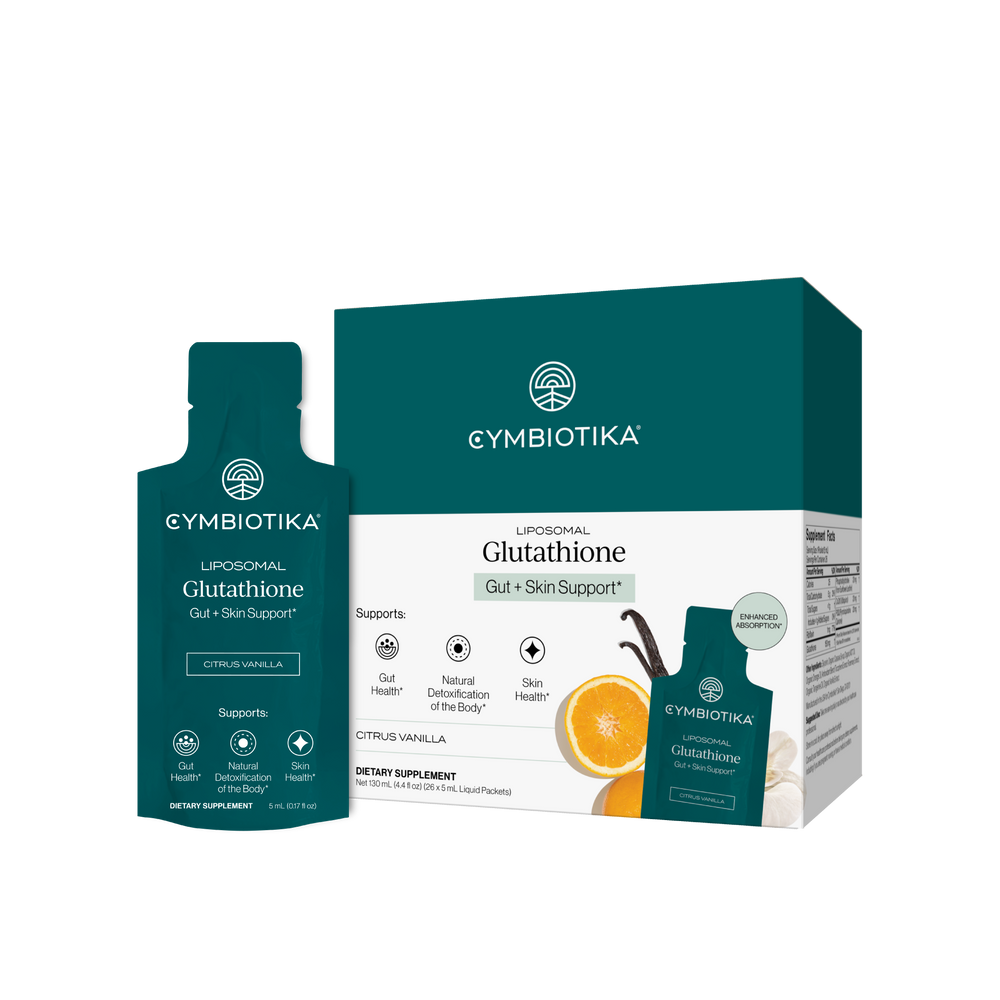
To solve this, we use advanced liposomal delivery in our Liposomal Glutathione. This technology wraps the glutathione in a phospholipid bilayer—a protective bubble made of the same material as your cell membranes. This allows the supplement to bypass the digestive breakdown and deliver the antioxidant directly to where it is needed most.
For a deeper explanation of this process, read how glutathione supplements are absorbed.
Key Takeaway: Collagen provides the physical structure and "bounce" to your skin and joints, while glutathione acts as a cellular shield, protecting those structures from damage and supporting a bright, even skin tone.
Comparing Collagen and Glutathione
To fully understand why these two are distinct, it helps to look at them side-by-side. While they both contribute to a youthful appearance, they work through entirely different biological pathways.
| Feature | Collagen | Glutathione |
|---|---|---|
| Primary Classification | Structural Protein | Master Antioxidant (Tripeptide) |
| Main Function | Provides structure, strength, and elasticity. | Protects cells, detoxifies, and brightens skin tone. |
| Primary Location | Skin, bones, joints, and connective tissue. | Every cell, with the highest concentration in the liver. |
| Common Sourcing | Marine or bovine sources. | Synthesized in the liver or produced via fermentation. |
| Aging Impact | Production drops, leading to sagging and wrinkles. | Levels drop, leading to increased oxidative stress. |
| Key Support Area | Firmness and hydration. | Clarity and cellular protection. |
Do Collagen and Glutathione Work Together?
Even though they are different, collagen and glutathione are highly complementary. In fact, many wellness enthusiasts choose to take them together because of their synergistic relationship.
Glutathione protects the collagen you already have. Think of collagen as the wood used to build a house and glutathione as the weather-resistant paint. If you have a beautiful wooden house but no protection from the rain and sun, the wood will eventually rot. By neutralizing free radicals caused by UV rays and pollution, glutathione helps prevent the "breakdown" of collagen fibers. This preserves the skin's structural integrity for a longer period.
Collagen provides the framework for glutathione's results. When glutathione helps brighten and even out your skin tone, those results look much better on a firm, well-hydrated surface. If the skin is sagging due to low collagen, even the most radiant skin tone won't provide the youthful look many people desire.
How to Use Them Together
If you are looking to build a routine that covers all your bases, you don't have to choose between the two. You can incorporate both into your daily habit:
- Morning: Start with a liposomal glutathione to prime your body's antioxidant defenses for the day ahead.
- Mid-day: Support your skin's building blocks with a high-quality collagen source or a collagen-boosting supplement like our Liposomal Vitamin C, which is essential for natural collagen synthesis.
- Night: Focus on recovery with minerals like magnesium to support the repair processes that happen while you sleep.
Why Bioavailability is the Deciding Factor
The most common mistake people make when buying supplements is looking only at the "milligrams" on the label. If your body cannot absorb the ingredient, the dose doesn't matter. This is especially true for glutathione and certain types of collagen.
Understanding Liposomal Delivery
Liposomal delivery is a sophisticated method designed to mimic the body's own cellular structure. Standard pills and powders are often treated as "foreign" by the digestive system, leading to low absorption rates. By encapsulating nutrients in phospholipids, we allow the body to recognize the supplement as a familiar substance.
- Protection: The liposome protects the nutrient from stomach acid.
- Absorption: The liposome fuses with the cell membrane, releasing the nutrient directly into the cell.
- Efficiency: You can often take lower doses with better results because more of the active ingredient is reaching its destination.
Learn more about the science behind liposomal delivery and bioavailability.
When you ask "is collagen and glutathione same," you are asking about their function. But once you understand their function, the next question should always be: "Is this supplement designed to actually reach my cells?"
How to Choose the Right Supplement for Your Goals
Your choice depends on what your body needs most right now. Everyone's wellness journey is unique, and your priorities may change depending on your age, lifestyle, and environment.
Choose Collagen Support if:
- You are noticing a loss of firmness in your skin.
- You want to support the health of your joints and ligaments.
- You are looking to improve the strength of your hair and nails.
- You want to maintain the structural "bounce" of your complexion.
Choose Glutathione if:
- You live in a city with high pollution or spend a lot of time in the sun.
- You want to support your liver's natural detoxification processes.
- You are looking to brighten your skin tone and reduce dullness.
- You feel like your recovery after exercise or a long day is slower than it used to be.
Bottom line: If your goal is "anti-aging," the best approach is often a combination of both structure (collagen) and protection (glutathione).
Practical Tips for Your Wellness Routine
Building a routine doesn't have to be complicated. Small, consistent actions lead to the best long-term results. Supplements are meant to supplement a healthy lifestyle, not replace it.
- Hydrate Often: Both collagen and glutathione work better in a well-hydrated body. Water is essential for the transport of nutrients and the removal of toxins.
- Watch the Sun: UV rays are the number one enemy of collagen. Wear sunscreen and use antioxidants like glutathione to help neutralize the damage caused by sun exposure.
- Eat Your Greens: Sulfur-rich foods like broccoli, kale, and garlic can help your body produce its own glutathione.
- Be Patient: Supplements are not instant fixes. It usually takes 4 to 8 weeks of consistent use to see visible changes in skin texture or energy levels.
Read more about ways to support nutrient absorption as you build consistent wellness habits.
Key Takeaway: Consistency over intensity is the secret to wellness. A daily, high-bioavailability routine is far more effective than an occasional high-dose "detox."
The Science of Healthy Aging
Aging is a natural process, but how we age is influenced by our choices. From a biological perspective, "aging" is often the result of two things: the breakdown of structural proteins (like collagen) and the accumulation of cellular damage (oxidative stress).
By addressing both sides of this equation, you are giving your body the tools it needs to stay resilient. Collagen provides the durability, while glutathione provides the defense. This dual-action approach is why so many people find success when they stop viewing these two as interchangeable and start viewing them as a team.
At Cymbiotika, we focus on the "why" behind every formula. We don't just provide ingredients; we provide delivery systems that respect the complexity of human biology. Whether you are using our Pürblack Pure Mineral Shilajit to support mineral balance or our Liposomal Glutathione for antioxidant support, you can trust that bioavailability is at the heart of the design.
How Gut Health Affects Your Results
It is also worth noting that neither collagen nor glutathione can do their best work if your gut isn't functioning properly. Your gut is where absorption happens. If your microbiome is out of balance, your body may struggle to break down proteins or absorb the nutrients you are taking.
Many people find that adding a high-quality probiotic or a gut-lining support like our Liquid Colostrum helps "prime" the system. When your gut is healthy, every other supplement in your routine becomes more effective. This is another reason why we prioritize liposomal delivery—it reduces the "work" your gut has to do to get the nutrients into your bloodstream.
Explore the broader Gut Health collection for additional ways to support this part of your routine.
What to Look for on a Label
When you are shopping for these supplements, avoid the "filler trap." Many standard brands use synthetic binders, artificial flavors, and flow agents like magnesium stearate to make their products cheaper to produce. These ingredients add no value to your health and can sometimes interfere with absorption.
Look for:
- Liposomal technology for glutathione.
- Clean, non-GMO ingredients with no artificial sweeteners.
- Third-party testing to ensure what is on the label is actually in the bottle.
- Transparent sourcing so you know where the ingredients come from.
Conclusion
So, is collagen and glutathione same? The answer is a definitive no. They are distinct compounds with unique roles: one builds your body’s framework, and the other protects it from the inside out. Understanding this difference allows you to be more intentional with your supplementation.
By combining the structural benefits of collagen with the protective power of glutathione, you create a comprehensive defense against the signs of aging. At Cymbiotika, we are committed to providing you with the highest quality, most bioavailable versions of these essential nutrients. We believe in transparency and science-forward formulas that help you take control of your health.
If you aren't sure where to start your journey, we recommend taking our Health Quiz. It is designed to help you identify your specific needs and build a personalized routine that fits your lifestyle.
- Collagen is for structure and firmness.
- Glutathione is for protection and clarity.
- Bioavailability is the key to making both of them work.
Key Takeaway: Real wellness isn't about finding a single miracle ingredient; it is about building a synergistic routine using high-quality, absorbable nutrients that support your body's natural processes.
FAQ
Can I take collagen and glutathione at the same time?
Yes, taking them together is highly recommended by many wellness professionals. Glutathione helps protect collagen fibers from oxidative damage, while collagen provides the structural support that complements the skin-brightening effects of glutathione. Taking them together provides a more holistic approach to skin health and aging.
For more information, read this guide to taking glutathione and collagen together.
Does glutathione make your skin white?
Glutathione is not a bleach; however, it can help brighten the skin and support a more even tone. It works by inhibiting the enzyme tyrosinase, which is involved in melanin production. Many people find it helps reduce the appearance of dark spots and results in a more radiant, "glowing" complexion rather than a change in their natural skin color.
Is it better to take collagen or glutathione for wrinkles?
If your primary concern is the depth and appearance of wrinkles, collagen support is usually the first step, as it directly impacts skin elasticity and firmness. However, for the best results, glutathione should be used alongside it to prevent the environmental damage that causes those wrinkles to form in the first place. Think of collagen as the "repair" and glutathione as the "prevention."
Why should I choose liposomal glutathione over regular capsules?
Regular glutathione capsules are often destroyed by stomach acid before they can be absorbed by the body. Liposomal delivery wraps the glutathione in a protective fatty layer that allows it to pass safely through the digestive system and enter your cells directly. This significantly increases the bioavailability, ensuring you actually get the benefits you are paying for.