Introduction
You may have noticed that your daily skincare routine is shifting from the bathroom vanity to the kitchen counter. More people are realizing that what we put into our bodies is just as important as what we apply to our skin. Among the most popular tools in this "beauty from within" approach are glutathione and collagen.
While each is impressive on its own, many health-conscious adults wonder if they can—or should—combine them. If you are looking to support your skin’s natural glow, maintain your vitality as you age, or simply optimize your cellular health, understanding how these two work in tandem is essential. At Cymbiotika, we believe that informed choices lead to better outcomes, which is why we focus on how ingredients interact at the cellular level.
This article will explore the compatibility of these two powerhouses and how they might complement one another. We will look at the science of absorption, the specific roles each plays in the body, and how to build a routine that actually delivers results. The short answer is yes, you can take them together, and doing so may offer a comprehensive approach to your wellness goals.
What is Glutathione?
Often referred to by researchers as the "master antioxidant," glutathione is a molecule produced naturally in your liver. It is a tripeptide, meaning it is made of three specific amino acids: glutamine, cysteine, and glycine. Unlike other antioxidants you get solely from food, your body creates its own supply of glutathione to protect your cells from the inside out.
Its primary job is to neutralize free radicals. These are unstable molecules that can damage cells and contribute to the visible signs of aging. Beyond its protective role, glutathione is deeply involved in detoxification pathways. It helps the body process and eliminate environmental toxins, heavy metals, and waste products.
However, your natural production of glutathione may decline due to factors like age, stress, and environmental exposure. This is where supplementation becomes a point of interest. Most standard glutathione capsules are easily broken down by stomach acid before they ever reach your bloodstream. This is why we prioritize bioavailability—the measure of how much of a substance actually enters your circulation to be used by the body.
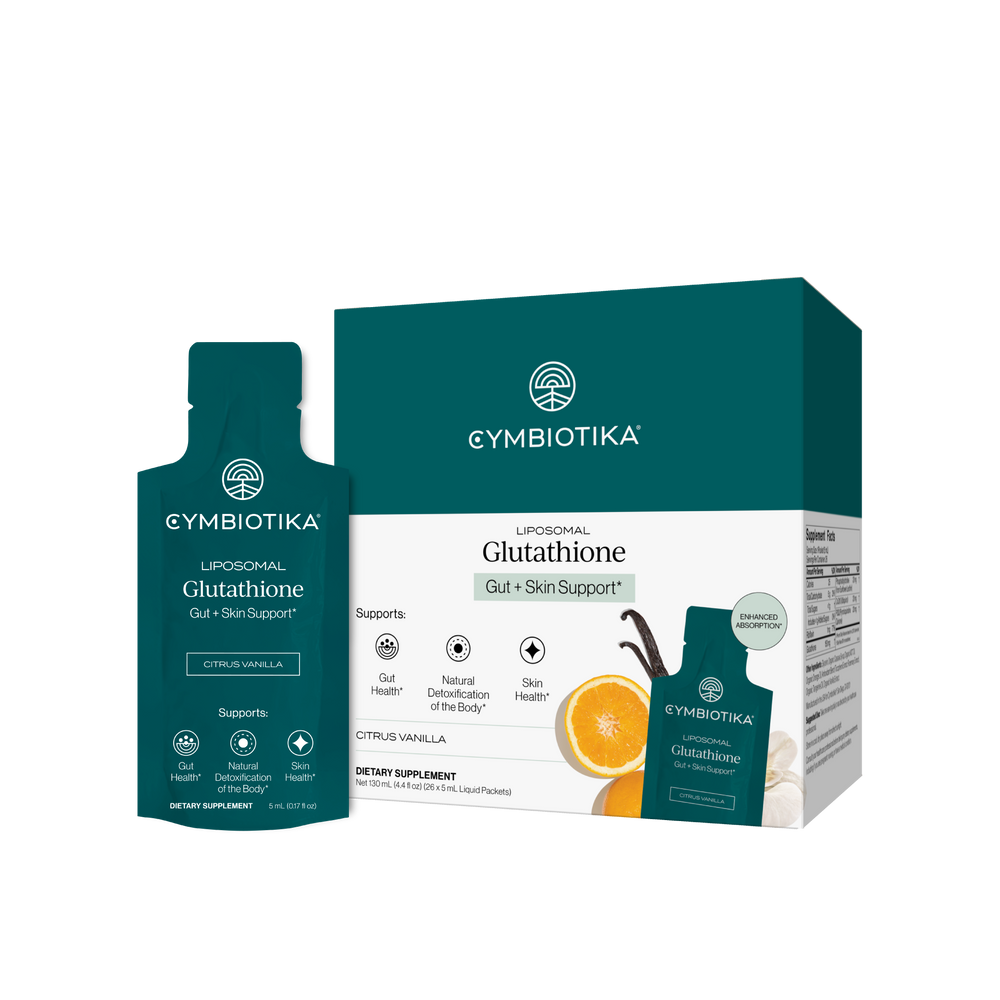
For a targeted option, explore Liposomal Glutathione.
Key Takeaway: Glutathione is the body’s primary internal defense against oxidative stress and a key player in detoxification, but its effectiveness as a supplement depends heavily on how well it is absorbed.
Understanding Collagen
If glutathione is the maintenance crew that keeps the body clean, collagen is the architectural frame that holds everything up. It is the most abundant protein in the human body, found in your skin, bones, muscles, tendons, and ligaments. Think of it as the "glue" that provides structure and elasticity.
There are several types of collagen, but types I, II, and III are the most common in supplements. Type I and III are typically associated with skin, hair, and nails, while Type II is often found in cartilage and joint tissue. As we age, our bodies naturally produce less collagen, and the quality of the collagen we do produce begins to diminish.
Many people find that supplementing with collagen helps support skin hydration and firmness. It provides the body with specific amino acids like proline and hydroxyproline, which are the building blocks for new protein fibers. However, like glutathione, not all collagen is created equal. The size of the collagen molecule matters; hydrolyzed collagen, or collagen peptides, are broken down into smaller pieces that are easier for the gut to process.
For more perspective on how these ingredients compare, read this guide to collagen and glutathione.
Can Glutathione and Collagen Be Taken Together?
The short answer is a resounding yes. There are no known negative interactions between glutathione and collagen. In fact, many health professionals suggest that they are a natural pairing. Taking them together does not diminish the efficacy of either; instead, it may provide a multi-layered approach to health.
While collagen works on the physical structure of your tissues, glutathione works on the health of the cells within those structures. This creates a supportive environment. For example, if you are building new collagen fibers but your body is under high levels of oxidative stress, those new fibers could be damaged prematurely. Glutathione may help protect that new collagen by keeping free radicals in check.
Many people find it most convenient to take both in the morning. This consistency helps build a sustainable habit. Because they serve different functions—one being an antioxidant and the other a structural protein—they do not "compete" for the same pathways in the body.
For additional context, explore whether glutathione and collagen can be taken together.
Quick Answer: Yes, glutathione and collagen can be taken together safely. They complement each other by providing structural support (collagen) while protecting those structures from oxidative damage (glutathione).
The Importance of Bioavailability
When you decide to take these two together, the most important question is: "Does my body actually absorb this?" Bioavailability is the lens through which every supplement decision should be made. If an ingredient is destroyed in the stomach or cannot pass through the intestinal wall, it doesn't matter how high the dosage is on the label.
For a deeper explanation of timing, absorption, and delivery methods, read this guide to taking collagen and glutathione.
Liposomal Delivery for Glutathione
Glutathione is notoriously difficult to absorb in standard pill form. To solve this, we use liposomal delivery. A liposome is a tiny, fatty bubble called a phospholipid bilayer—the same material that makes up your own cell membranes. By wrapping the glutathione in this lipid shell, we protect it from the harsh environment of the digestive tract. This allows the nutrient to be delivered directly into the bloodstream and into the cells where it is needed most.
Collagen and Digestibility
With collagen, the focus is on the "size" of the protein. Whole collagen molecules are very large and difficult for the body to break down. This is why hydrolyzed collagen or liquid formats are often preferred. By breaking the protein down into peptides, the body can more easily recognize and utilize the amino acids for tissue repair and skin support.
Benefits of Taking Glutathione and Collagen Together
Combining these two may offer a more robust set of benefits than taking either one alone. While results vary from person to person, the partnership between an antioxidant and a structural protein addresses aging and wellness from two distinct angles.
For a broader selection of formulas focused on these goals, explore Cymbiotika’s Healthy Aging collection.
1. Support for Skin Radiance and Texture
Collagen is well-known for its role in skin elasticity and hydration. It helps the skin stay firm and reduces the appearance of fine lines. Glutathione adds to this by supporting an even skin tone. By neutralizing the oxidative stress that can lead to dullness or uneven pigmentation, glutathione may help the skin appear brighter and more refreshed.
2. Enhanced Cellular Protection
Oxidative stress is one of the primary drivers of the aging process. It breaks down the proteins in our skin and joints. By taking glutathione, you are bolstering your body’s ability to fight off this damage. This protection acts as a "shield" for your collagen, helping the structural integrity of your tissues last longer.
3. Support for Joint and Tissue Recovery
Both ingredients play a role in how the body repairs itself. Collagen provides the raw materials for joint and ligament health, which is vital for anyone with an active lifestyle. Glutathione supports the underlying cellular health of these tissues, potentially helping the body manage the natural inflammatory response that occurs after exercise or daily physical stress.
4. Detoxification and Gut Health
Glutathione is essential for the liver’s detoxification processes. A healthy liver often reflects in the clarity of the skin. Meanwhile, collagen contains amino acids like glycine and glutamine, which are used by the body to support the integrity of the gut lining. A healthy gut and a healthy liver are the foundations of overall wellness.
Bottom line: Taking glutathione and collagen together provides both the "bricks" for structure and the "shield" for protection, offering a more complete approach to healthy aging.
How to Build Your Routine
Creating a routine that sticks is more important than "stacking" as many supplements as possible. Consistency is the key to seeing changes over time. Many people find that a morning routine is the best way to ensure they don't forget their supplements.
Step 1: Start Your Morning with Liposomal Glutathione
Taking glutathione on an empty stomach or shortly before breakfast is a common practice. Our Liposomal Glutathione is designed to be taken directly from the pouch or mixed into a small amount of water or juice. Because it uses advanced delivery technology, it doesn't rely on being taken with food for absorption.
Step 2: Incorporate Collagen
You can take your collagen at the same time as your glutathione. If you use a liquid collagen or a powder, you can mix it into your morning coffee, smoothie, or even a glass of water. Some people prefer taking collagen in the evening to support the body’s natural repair processes during sleep, which is also perfectly fine.
Step 3: Support with Vitamin C
Vitamin C is a vital cofactor for collagen synthesis. Without adequate Vitamin C, your body cannot effectively turn collagen peptides into the sturdy fibers your skin and joints need. Liposomal Vitamin C can be a great addition to this stack, as it also acts as a "recycler" for glutathione, helping to keep your antioxidant levels high.
Step 4: Listen to Your Body
Everyone’s biology is unique. Some people notice a difference in their skin or energy levels within a few weeks, while for others, it may take a few months of consistent use. Pay attention to how you feel and adjust your timing if needed.
Why Quality Matters
The supplement industry is often criticized for a lack of transparency. Many products contain synthetic fillers, artificial flavors, and low-quality ingredients that the body cannot use. When you are looking for glutathione and collagen, purity is just as important as bioavailability.
At Cymbiotika, we believe wellness starts with trust. We ensure our products are:
- Third-party tested for purity and potency
- Non-GMO and sourced from high-quality, sustainable materials
- Free from unnecessary synthetic fillers and toxins
- Manufactured in GMP-aligned facilities
When you choose a high-quality formulation, you are ensuring that your body is getting exactly what is on the label, in a form it can actually recognize and absorb.
Complementary Supplements to Consider
While glutathione and collagen are a powerful pair, they work even better when supported by a balanced lifestyle and other key nutrients. If your goal is healthy aging and vibrant skin, you may want to look at these complementary options.
Molecular Hydrogen
Molecular hydrogen is a unique antioxidant that can cross the blood-brain barrier and enter the mitochondria (the powerhouses of your cells). It helps neutralize specific free radicals that other antioxidants might miss. Many people find that adding Molecular Hydrogen to their morning water provides an extra layer of cellular support alongside their glutathione.
The Omega
Essential fatty acids, particularly DHA and EPA, are crucial for maintaining the lipid barrier of the skin. This barrier helps lock in moisture, which complements the hydrating effects of collagen. Our Omega formula supports brain, heart, and joint health, making it a foundational piece of any wellness routine.
Learn more about the role of these essential fats in this guide to omega-3s and cognitive support.
Liquid Colostrum
If you are taking collagen for gut health or skin support, Liquid Colostrum can be a significant addition. It is rich in growth factors and immunoglobulins that may support the integrity of the gut lining and the strength of the immune system. This works in tandem with collagen to provide a strong structural foundation for the body.
Common Myths About Glutathione and Collagen
In the world of wellness, it is easy for misinformation to spread. Let’s clear up a few common misconceptions about taking these two ingredients together.
Myth: "You should only take glutathione if you want to lighten your skin."
Fact: While glutathione is involved in melanin pathways, its primary role is as an antioxidant and detoxifier. People of all skin tones use it to support liver health, cellular energy, and protection against environmental stress.
Myth: "Collagen supplements are just expensive protein powder."
Fact: While collagen is a protein, it contains a specific profile of amino acids—proline, glycine, and hydroxyproline—in much higher concentrations than standard whey or pea protein. These specific peptides are what signal the body to support its own collagen production.
Myth: "If I take a high dose of glutathione capsules, I don't need liposomal delivery."
Fact: Dose does not equal delivery. You could take a very high dose of standard glutathione, but if your digestive enzymes break it down, very little will reach your cells. A smaller, liposomal dose is often much more effective than a large, standard dose.
Potential Side Effects and Considerations
For most healthy adults, taking glutathione and collagen together is well-tolerated. However, it is always important to be mindful of how your body reacts to new additions to your routine.
- Digestive Comfort: Some people may experience mild bloating or digestive changes when first starting collagen. This is often temporary as the gut adjusts. Starting with a half-dose can help.
- Allergies: Be aware of the source of your collagen. If you have an allergy to fish or shellfish, ensure you are not using marine-sourced collagen.
- Consult a Professional: If you are pregnant, nursing, taking medication, or have a pre-existing medical condition, it is always best to consult with your healthcare provider before starting a new supplement regimen.
Long-Term Sustainability over Short-Term Hype
Wellness is not about a "miracle" pill or a 30-day fix. It is about building sustainable habits that support your body’s natural functions over time. Taking glutathione and collagen together is a strategy for the long haul.
We often see people get excited about a new routine, only to stop after two weeks because they don't see an "instant" change. Biological processes like collagen synthesis and cellular detoxification take time. Think of your supplement routine like a garden; you have to water it consistently to see the flowers bloom.
By focusing on high-bioavailability formulas, you are ensuring that your effort and investment are actually being utilized by your body. This makes it easier to stay consistent because you know you aren't just wasting your time on products that don't work.
Conclusion
Can glutathione and collagen be taken together? Absolutely. Not only is it safe, but it is also a highly logical pairing for anyone interested in healthy aging, skin vitality, and cellular protection. By combining the structural benefits of collagen with the master antioxidant power of glutathione, you are addressing the body’s needs from two essential angles.
At Cymbiotika, our mission is to empower you with the tools you need to build a routine you can trust. We focus on bioavailability and transparency because we believe your body deserves the highest quality ingredients in forms it can actually use. Whether you are looking to support your skin, your joints, or your overall cellular health, the combination of these two nutrients can be a valuable part of your journey.
If you aren't sure where to start, we invite you to take the Health Quiz. It is designed to help you identify the specific needs of your body and provide personalized recommendations to help you reach your wellness goals.
Key Takeaway: The pairing of glutathione and collagen is safe and effective. To see the best results, prioritize liposomal delivery for glutathione and hydrolyzed or liquid formats for collagen, and stay consistent with your daily routine.
FAQ
Can I take glutathione and collagen on an empty stomach?
Yes, many people find that taking these supplements in the morning before food is the most effective way to stay consistent. Liposomal glutathione is designed to be absorbed efficiently regardless of food intake, while collagen peptides are generally easy on the stomach for most individuals.
How long does it take to see results from taking both together?
Every body is different, but most people begin to notice changes in skin hydration or joint comfort within 4 to 8 weeks of daily, consistent use. For deeper cellular benefits like detoxification support and long-term structural integrity, a commitment of 3 to 6 months is often recommended.
Does Vitamin C help glutathione and collagen work better?
Yes, Vitamin C is an excellent addition to this routine. It is a necessary cofactor for the body to produce collagen fibers and it also helps regenerate "used" glutathione in the body. Taking a liposomal Vitamin C formula alongside your glutathione and collagen can help maximize the benefits of both.
Is it better to take glutathione in liquid or capsule form?
For glutathione, the delivery method is more important than the physical format. However, because standard capsules often lack the protective fatty layer needed for absorption, a liposomal liquid or a liposomal-encapsulated form is typically superior. This ensures the glutathione survives the digestive process and reaches your cells.