Introduction
Many of us spend years looking for the secret to a radiant, even skin tone. Whether you are dealing with sun spots or simply want to brighten your overall complexion, you have likely come across glutathione. Often called the "master antioxidant," this powerful molecule has gained a significant reputation in the wellness community for its ability to influence skin pigment.
At Cymbiotika, we believe that understanding the science behind your supplements is the first step toward achieving your wellness goals. When it comes to skin brightening, the most common question we hear is whether these results are lasting. This article explores how glutathione interacts with your biology, the role of melanin, and the truth about whether its effects on skin tone can be permanent.
We will also look at why the delivery method of your supplements—specifically bioavailability—is the most critical factor in seeing any results at all. By the end of this guide, you will have a clear understanding of how to manage expectations and build a routine that supports long-term skin health.
What Is Glutathione?
To understand how glutathione affects the skin, we must first understand what it does for the body. Glutathione is a tripeptide, which is a small protein composed of three essential amino acids: cysteine, glutamic acid, and glycine. Unlike many other antioxidants that we get primarily from food, our bodies produce glutathione naturally within almost every cell.
Its primary role is to serve as a cellular protector. It neutralizes free radicals—unstable molecules that can damage cells and accelerate the aging process. It also plays a vital role in detoxification, helping the liver process metabolic waste and environmental toxins.
Because of its heavy involvement in cellular repair and protection, it has a direct impact on the health and appearance of the skin. While it is famous for its "brightening" effect, its original purpose in the body is to maintain a healthy internal environment and support the immune system. For a broader look at how we position this ingredient, you can also explore our Healthy Aging collection.
The Science of Skin Tone and Melanin
The color of your skin is determined by a pigment called melanin. Melanin is produced by specialized cells known as melanocytes. This process is not just about aesthetics; melanin acts as a natural defense mechanism against ultraviolet (UV) radiation from the sun.
There are two primary types of melanin in human skin:
- Eumelanin: This is the darker pigment (brown to black) found in those with deeper skin tones.
- Phaeomelanin: This is a lighter pigment (yellow to red) typically found in people with fair skin or freckles.
Glutathione influences skin tone by interacting with an enzyme called tyrosinase. This enzyme is the "on switch" for melanin production. When glutathione levels are high, it can inhibit tyrosinase activity. More importantly, it can shift the production of melanin from the darker eumelanin to the lighter phaeomelanin.
Key Takeaway: Glutathione doesn't just "bleach" the skin; it encourages the body to produce a lighter type of pigment while slowing down the production of darker pigment.
If you want a deeper look at that mechanism, our article on how glutathione works for skin whitening is a helpful companion read.
Does Glutathione Whiten Skin Permanently?
The short answer is no; the effects of glutathione on skin tone are not permanent in the way a tattoo or a scar might be. To understand why, we have to look at how the skin functions as a living, regenerating organ.
Your skin cells are constantly in a state of renewal. New cells are born in the deeper layers of the dermis and gradually move toward the surface, where they eventually shed. This cycle typically takes about 28 to 40 days. Because melanin is produced by living cells, your body will continue to create pigment based on its genetic instructions and environmental triggers.
If you stop taking glutathione or stop protecting your skin from the sun, your melanocytes will eventually return to their "baseline" production levels. They will begin producing eumelanin at the rate they did before, and as new skin cells replace the older, brighter ones, your original skin tone will reappear.
Myth: Taking glutathione for a few months will change my skin color forever. Fact: Glutathione requires consistent use and environmental protection to maintain a brighter complexion, as your body is constantly producing new pigment.
Factors That Influence Results
Because everyone’s biology is unique, the way glutathione affects skin tone varies from person to person. Several factors determine how quickly you might see a change and how noticeable that change will be.
Initial Skin Tone
The amount of melanin currently in your skin dictates the timeline for visible changes. Those with lighter skin tones may notice a "glow" or brightening within a few weeks, while those with deeper skin tones may require several months of consistent supplementation to see a shift in shade.
Environmental Exposure
The sun is the greatest enemy of skin brightening. UV rays trigger the production of melanin as a protective response. If you are taking supplements to brighten your skin but spending hours in the sun without protection, you are essentially "canceling out" the effects.
Metabolic Rate
Your body's ability to process and utilize antioxidants plays a role. Factors like age, diet, and lifestyle (such as alcohol consumption or smoking) can deplete your natural glutathione stores, meaning the supplement has to work harder to build up a surplus that can be used for skin brightening.
The Bioavailability Problem
This is where many people feel let down by supplements. You might be taking a high-dose glutathione capsule every day and seeing zero results. The reason often comes down to bioavailability—the measure of how much of a substance actually enters your bloodstream to be used by your cells.
Standard glutathione pills are notoriously difficult for the body to absorb. When you swallow a traditional capsule, it must pass through the harsh environment of the stomach. Stomach acid and digestive enzymes often break down the glutathione molecule before it ever reaches the small intestine for absorption. This means only a tiny fraction of what is on the label actually makes it into your system.
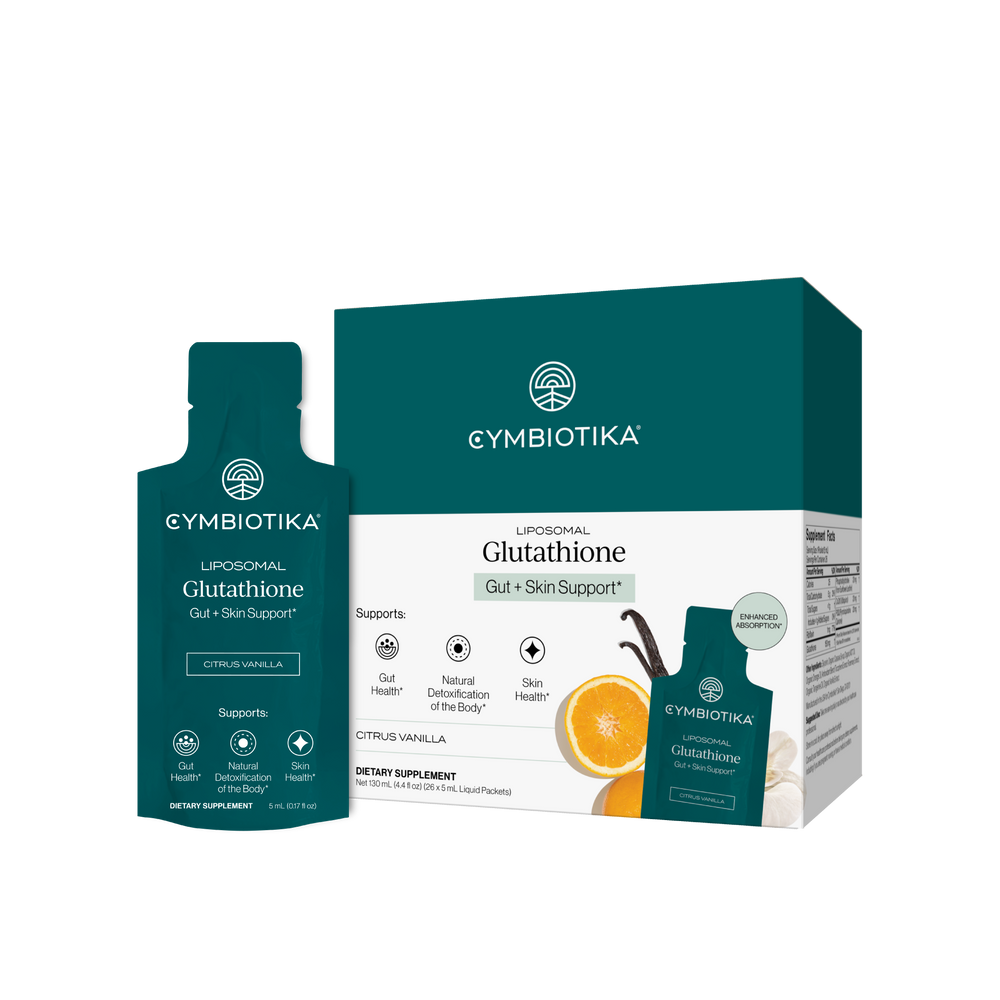
At Cymbiotika, we solve this problem using liposomal delivery. A liposome is a tiny, fatty bubble (a phospholipid bilayer) that mimics the structure of your own cell membranes. We wrap the glutathione inside these liposomes, which protects it from digestion. If you want a deeper explanation of the approach, our All About Liposomes guide breaks it down clearly.
This delivery system allows the glutathione to pass through the digestive tract intact and be delivered directly to the cells. It is not just about how many milligrams you take; it is about how many milligrams your body can actually use. Our Liposomal Glutathione is designed with this "absorption-first" philosophy to ensure the ingredients are functional, not just present.
Managing Expectations: A Realistic Timeline
If you are looking for overnight results, glutathione may not be the right path for you. Because it works from the inside out and relies on the natural turnover of skin cells, patience is required.
Most people find that a consistent routine yields the best results. Below is a general guideline for what many people observe when using a high-quality, bioavailable supplement.
| Starting Complexion | Estimated Time for Initial Results |
|---|---|
| Fair to Light Brown | 1–3 Months |
| Medium Brown | 3–6 Months |
| Dark Brown | 6–12 Months |
| Very Deep Tones | 12+ Months |
Bottom line: Skin brightening is a marathon, not a sprint. Consistency in your routine is more important than the intensity of the dose.
Building a Routine for Long-Term Brightening
To see the best results and maintain them for as long as possible, glutathione should be one part of a broader wellness strategy. You cannot rely on a single supplement to do all the work if your lifestyle habits are working against you.
Step 1: Prioritize Sun Protection
Use a broad-spectrum SPF of at least 30 every single day, even when it is cloudy. This prevents the UV-induced melanin spikes that reverse the brightening effects of glutathione.
Step 2: Pair with Vitamin C
Vitamin C and glutathione work in a cycle. Vitamin C helps "recharge" oxidized glutathione, turning it back into its active, reduced form. Taking our Liposomal Vitamin C alongside glutathione can support better results and overall immune health.
Step 3: Support Your Liver
Since the liver is the primary consumer of glutathione for detoxification, keeping your liver healthy ensures more glutathione is available for other tissues, like your skin. Staying hydrated and reducing processed foods can help.
Step 4: Consistency is Key
Take your supplement at the same time each day. Many people find that taking glutathione on an empty stomach, or shortly before a light meal, helps with consistent absorption.
If you are building a routine and want a more personalized place to begin, our Health Quiz can help point you toward the formulas that fit your goals.
Key Takeaway: A holistic approach—combining bioavailable supplements with sun protection and complementary antioxidants—is the most effective way to support a radiant complexion.
Is It Safe for Long-Term Use?
Glutathione is generally considered safe for most adults because it is a substance the body already produces. However, taking it in extremely high doses for years on end is something that should be discussed with a healthcare professional.
Some studies suggest that long-term, high-dose supplementation could potentially affect zinc levels in the body. Choosing a supplement that focuses on absorption rather than massive, "mega-doses" is a smarter way to support your body without overtaxing your system.
If you have any underlying health concerns or are taking medication, always consult with your doctor before starting a new supplement regimen. Wellness is about balance, and your routine should be tailored to your specific needs. For a related read on nutrient pairing, see Can I Take Glutathione and Vitamin C Together?
Why Quality and Transparency Matter
In the supplement industry, not all products are created equal. Many "whitening" products found online contain hidden ingredients, synthetic fillers, or low-quality sources of glutathione that offer zero bioavailability.
We believe that you deserve to know exactly what is going into your body. That is why our formulations are third-party tested for purity and potency. We focus on clean, science-backed ingredients that prioritize how your body actually functions. When you choose a supplement, you aren't just buying a bottle; you are investing in a tool for your long-term health.
Our Liposomal Glutathione uses a phospholipid shell designed to support absorption at the cellular level. This means you can take a lower, more sustainable dose and still achieve better results than you might with a high-dose, poorly absorbed tablet.
If you want to read more about the philosophy behind the formula, our Why Liposomal Glutathione Is Essential for Daily Wellness article is a useful next step.
Note: Results vary from person to person. Factors like genetics, diet, and lifestyle play a significant role in how your skin responds to supplementation.
Moving Toward Radiant Skin
While the idea of a "permanent" change to skin tone is a myth, achieving a brighter, more radiant complexion is entirely possible with the right approach. Glutathione is a powerful tool in your wellness kit, but it works best when supported by consistency and a healthy lifestyle.
Focus on bioavailability. Ensure you are protecting your skin from the sun. Give your body the time it needs to cycle through its natural regeneration process. By supporting your internal health, the external results will naturally follow.
At Cymbiotika, our mission is to empower you with the education and high-quality formulas you need to take control of your health. Whether you are focused on skin health, energy, or longevity, the right routine can make all the difference. If skin support is part of a bigger wellness plan, the Immune Defense Supplements collection is another place to explore.
If you are unsure where to start your journey, we recommend taking our Health Quiz. It is designed to help you identify the specific needs of your body and create a personalized supplement stack that fits your life.
FAQ
How long do I have to take glutathione to see a difference?
Most people begin to see a visible "glow" or a slight brightening of the skin within 1 to 3 months of consistent use. For significant shifts in skin tone, especially for those with darker complexions, it can take 6 to 12 months of daily supplementation.
Will my skin go back to its original color if I stop taking it?
Yes, your skin will eventually return to its natural baseline tone once you stop supplementing. Because your body is constantly producing new skin cells and melanin, the "brightening" effect requires ongoing support and protection from UV exposure to maintain.
Why is liposomal glutathione better than regular capsules?
Regular capsules are often destroyed by stomach acid, leading to very poor absorption. Liposomal delivery wraps the glutathione in a protective fatty layer that allows it to pass safely through the digestive system and reach your cells directly, significantly increasing its bioavailability.
Does glutathione protect me from the sun?
While glutathione is an antioxidant that helps repair cellular damage from UV rays, it is not a replacement for sunscreen. You must still use a topical SPF to prevent the sun from triggering new melanin production, which would counteract the brightening effects of the supplement.