Introduction
If you have ever stared at a shelf full of supplements and wondered which ones play well together, you are not alone. Building a routine often feels like a balancing act. You want to ensure you are getting the most out of every capsule or pouch without causing unnecessary friction in your digestive system. Two of the most common staples in a high-level wellness routine are glutathione and vitamin C.
The short answer is yes—you can absolutely take them together. In fact, many experts suggest that you should. These two compounds share a unique relationship that goes far beyond simple compatibility. At Cymbiotika, we view these nutrients not just as individual tools, but as a collaborative team designed to support your body’s internal defenses.
This article will explore why this combination is so effective, the science behind how they interact, and why the way you deliver these nutrients to your body matters more than the dosage itself. By the end, you will understand how to integrate this duo into your daily life for maximum cellular support.
Quick Answer: Yes, taking glutathione and vitamin C together is highly recommended. Vitamin C helps "recharge" glutathione molecules after they have been used, allowing them to remain active in the body longer and providing more robust antioxidant support.
Understanding the Master Antioxidant: Glutathione
To understand why this pairing works, we first need to look at glutathione on its own. Often referred to as the "master antioxidant," glutathione is a tripeptide made of three amino acids: cysteine, glycine, and glutamate. Unlike many other antioxidants, your body actually produces its own supply of glutathione, primarily in the liver.
It serves as a frontline defender for your cells. It helps neutralize free radicals—unstable molecules that can cause oxidative stress and damage cellular structures. Beyond its role as a shield, it is also a key player in the body’s natural detoxification pathways. It binds to unwanted compounds, making them easier for the body to process and eliminate.
However, our natural levels of glutathione are not permanent. Factors like age, environmental stressors, and poor sleep can cause these levels to dip. Many people find that supporting their internal production with a high-quality supplement helps them maintain steady energy and clarity.
The Essential Support: Vitamin C
Vitamin C, or ascorbic acid, is perhaps the most famous vitamin in the world. Unlike glutathione, the human body cannot produce vitamin C on its own. We must get it from our diet or through supplementation. It is water-soluble, meaning we do not store it for long periods; we need a fresh supply every single day.
Most people associate vitamin C with immune support, but its reach is much broader. It is a fundamental building block for collagen synthesis, which supports the health of your skin, joints, and blood vessels. It also acts as a potent antioxidant in its own right, patrolling the fluid around your cells to catch free radicals before they can do harm.
When you take vitamin C, you are not just supporting your immune system. You are providing the raw materials your body needs to repair tissue and protect itself from the wear and tear of daily life.
Why They Work Better Together: The Recycling Loop
The real magic happens when these two nutrients meet inside your body. To explain this, we can use the analogy of a rechargeable battery.
When an antioxidant like glutathione neutralizes a free radical, it becomes "oxidized." In this state, it is like a spent battery—it has done its job, but it can no longer provide protection. It needs to be "reduced" back to its active state to work again.
This is where vitamin C comes in. Vitamin C acts as the charger. It donates an electron to the spent glutathione molecule, flipping it back into its active, "reduced" form. This allows the glutathione to go back to work immediately.
Interestingly, this relationship is a two-way street. Glutathione can also help regenerate vitamin C after it has been used. This creates a continuous cycle of protection.
Key Takeaway: Glutathione and vitamin C exist in a biological loop where they "recharge" each other. This recycling process ensures that your antioxidant defenses remain active and efficient for longer periods.
The Challenge of Absorption and Bioavailability
One of the biggest misconceptions in the supplement world is that "more is always better." Many standard supplements provide high milligram counts on the label, but they fail to address a critical question: Does your body actually absorb this?
Standard oral glutathione is notoriously difficult for the body to use. When you swallow a traditional tablet or capsule, the harsh environment of the stomach often breaks down the delicate tripeptide before it ever reaches your bloodstream. This means you might only be getting a fraction of what you paid for.
Vitamin C faces similar challenges. While it is generally easier to absorb than glutathione, the body has a "saturation point." If you take a massive dose of standard ascorbic acid all at once, your body may simply flush the excess away.
The Liposomal Difference
This is where bioavailability becomes the most important part of the conversation. Bioavailability refers to the amount of a substance that actually enters your circulation and is able to have an active effect.
To solve the absorption problem, we use advanced liposomal delivery. A liposome is a tiny, microscopic sphere made of phospholipids—the same material that makes up your own cell membranes. By encasing nutrients like glutathione or vitamin C in these lipid shells, we protect them from the digestive process.
This delivery system is designed to support absorption at the cellular level. Because the liposome looks like a cell to your body, it can pass through the intestinal wall and deliver its cargo directly into the bloodstream.
For a deeper look at the science behind that approach, explore All About Liposomes.
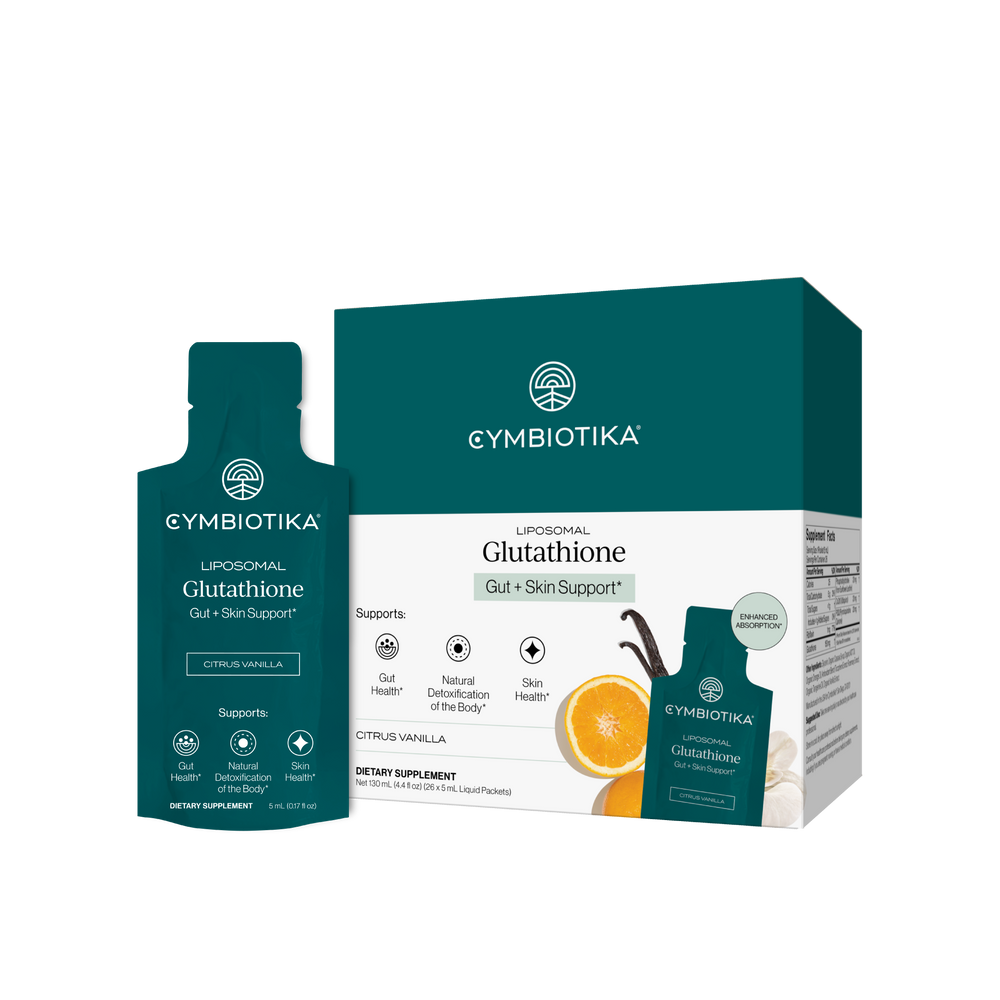
Our Liposomal Glutathione uses this phospholipid bilayer technology to bypass the stomach’s destructive acids, ensuring the "master antioxidant" arrives where it is needed most.
Building Your Routine: How to Take Them
Knowing that you can take them together is the first step. The second step is knowing how to build a routine that sticks. Most people find that consistency is far more important than the exact minute they take their supplements.
Timing and Dosage
Many people prefer taking their antioxidant stack in the morning on an empty stomach. This allows for clear absorption without interference from food. However, if you have a sensitive stomach, taking them with a light meal is perfectly fine.
If you are using our Liposomal Vitamin C, you are getting a format designed for sustained release. This means you don't necessarily need to "mega-dose" to see results. A steady, daily serving is usually more effective than an occasional high dose.
What to Look For
When choosing your supplements, look for these quality markers:
- Liposomal delivery: As discussed, this is non-negotiable for glutathione.
- Clean ingredients: Avoid synthetic fillers, artificial flavors, or unnecessary sugars.
- Third-party testing: Ensure the brand tests for purity and potency.
- Non-GMO sourcing: Look for high-quality, plant-based lipids for the liposomal shells.
If you are comparing formats or trying to simplify your routine, the Supplement Quiz can help guide your next step.
Real-Life Benefits of the Duo
While we avoid making medical claims, we can look at the general wellness benefits that many people report when they optimize their antioxidant levels.
Supporting a Healthy Glow
Your skin is often a reflection of your internal health. Oxidative stress can contribute to a dull complexion or uneven skin tone. By supporting the body's ability to neutralize free radicals, glutathione and vitamin C may support a bright, even skin tone and a healthy radiance.
For readers who are exploring skin-forward wellness support, the Immunity collection is a useful place to start.
Cellular Energy and Recovery
Every process in your body requires energy, and that energy production happens in the mitochondria. These "cellular power plants" are also the places where free radicals are most commonly produced. By providing a robust antioxidant shield, you are helping your mitochondria function efficiently. Many people find this leads to more consistent energy levels throughout the day and better recovery after physical exertion.
If that is your main focus, the Healthy Aging collection offers a broader way to explore related formulas.
Immune System Readiness
A well-supported immune system is a proactive one. Vitamin C is a known requirement for the production and function of white blood cells. When paired with glutathione, which supports the health of those cells, you are giving your immune system the tools it needs to stay prepared.
If you want to keep exploring immune-focused support, start with the Liposomal Vitamin C product page.
Managing Expectations
It is important to remember that supplements are just one part of a larger wellness picture. While our formulations are designed to be highly effective, results vary from person to person. A supplement routine works best when it is paired with:
- Hydration: Water is essential for every metabolic process.
- Quality Sleep: This is when your body does its most significant repair work.
- Nutrient-Dense Food: Supplements "supplement" a healthy diet; they do not replace it.
- Stress Management: High cortisol can deplete your antioxidant stores quickly.
If you are pregnant, nursing, or taking specific medications, it is always a wise idea to consult with your healthcare provider before starting a new supplement regimen.
The Bottom Line on This Antioxidant Pair
Taking glutathione and vitamin C together is not just safe—it is a strategic move for your health. By understanding the "recharge" cycle these two nutrients share, you can see why they are more effective as a pair than they are in isolation.
Bottom line: Combining these two antioxidants creates a powerful recycling loop that maximizes the effectiveness of each, provided you use a bioavailable delivery method like liposomal technology.
Quality Standards at Our Core
We believe that wellness starts with trust. That is why we are transparent about our sourcing and our manufacturing. We don't use hidden ingredients or unnecessary fillers. Every product we create, from our Liposomal Vitamin C to our Liposomal Glutathione, is the result of rigorous science and a commitment to quality.
Our mission is to empower you to take control of your health with tools that actually work. When you choose a supplement, you should feel confident that your body is actually absorbing and using the nutrients you are providing.
Conclusion
The journey to better health is built on small, consistent choices. Deciding to support your body with high-quality, bioavailable antioxidants is a meaningful step. By pairing glutathione and vitamin C, you are leaning into a natural biological partnership that helps protect your cells and support your overall vitality.
We encourage you to look at your daily habits and see where these "power partners" might fit in. Whether you are looking to support your skin, your energy, or your immune system, this duo offers a science-forward foundation for your routine.
If you are unsure where to start or which other nutrients might complement your goals, we invite you to take The Health Quiz on our website. It is designed to provide personalized recommendations based on your unique lifestyle and needs, helping you build a routine you can truly trust.
FAQ
Is it better to take glutathione and vitamin C in the morning or at night?
Many people find that taking these antioxidants in the morning on an empty stomach is the most effective way to start their day. This timing may support optimal absorption and provide a "shield" for the body as you encounter daily environmental stressors. However, consistency is the most important factor, so choose a time that fits your schedule best.
Can I get enough of these nutrients from food alone?
While you can get vitamin C from citrus and peppers, and your body can produce some glutathione from amino acids found in protein, modern lifestyle stressors often increase our body's demand for these antioxidants. Supplementation, especially in a bioavailable liposomal format, can help bridge the gap between what your body produces and what it needs to stay ahead of oxidative stress. If you want a broader starting point, the What Supplements Should I Take? Quiz can help narrow things down.
Why is liposomal delivery important for glutathione?
Standard glutathione molecules are very fragile and are typically broken down by stomach acid before they can be absorbed into the bloodstream. Liposomal delivery wraps the glutathione in a protective layer of phospholipids, which shields it from digestion and allows it to be delivered directly to your cells for much higher absorption rates. For a deeper dive into the format, read Ask Dr. Shilpa: Liposomes 101.
Are there any side effects to taking these two together?
For most people, this combination is very well-tolerated. Because vitamin C is water-soluble, the body generally flushes out any excess that it cannot use. However, some people may experience mild digestive upset if they take very high doses of standard supplements; this is less common with liposomal formats, which are designed to be gentler on the system. If you want to compare formulations, you can also read Can You Take Vitamin C with Glutathione?