Introduction
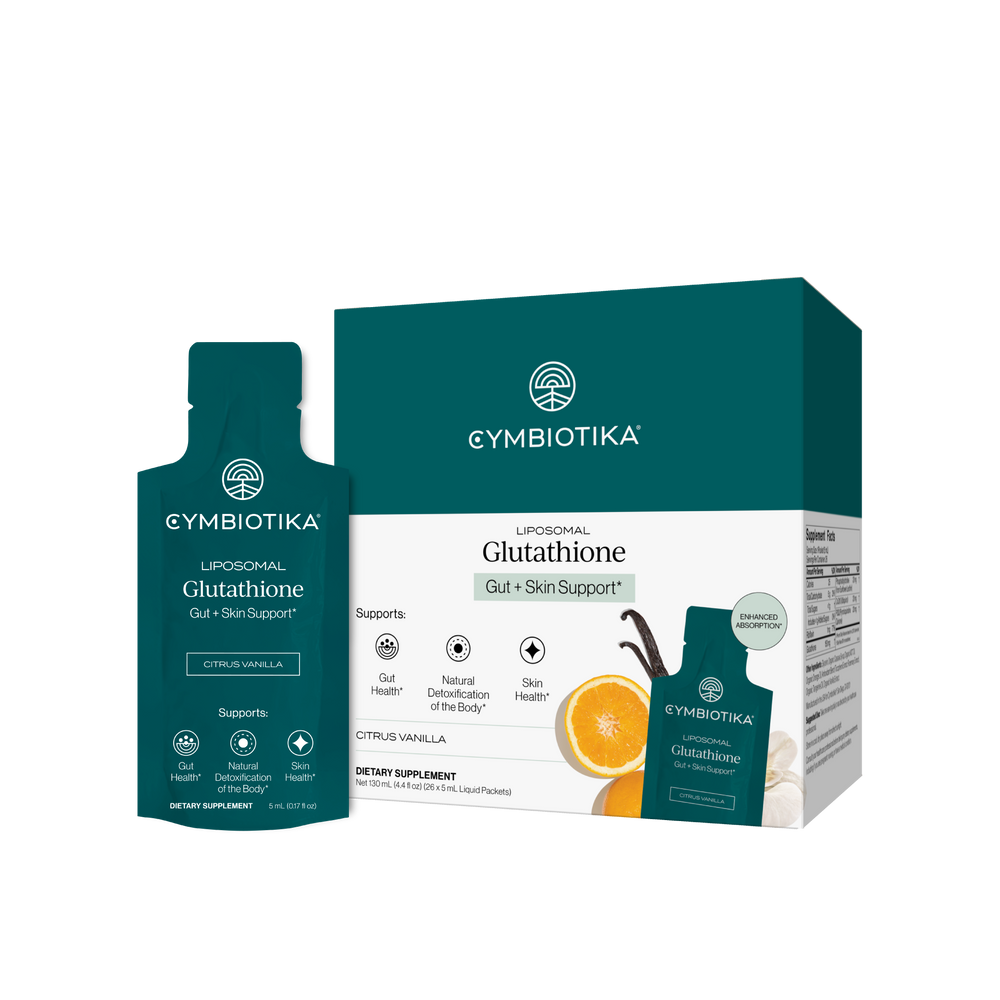
Choosing the right time to take your supplements often feels like solving a puzzle. You want to make sure your body actually uses what you are giving it. Glutathione is often called the "master antioxidant" because it is found in nearly every cell in the human body. Because it plays such a central role in detoxification and immune support, people often wonder if the time of day they take it changes how well it works. For those looking for a targeted formula, Cymbiotika’s Liposomal Glutathione is designed with that kind of routine in mind.
At Cymbiotika, we believe that timing is a key part of building a routine that actually delivers results. Many people find themselves debating between a morning dose for daytime protection or an evening dose for overnight recovery. If you’re exploring the broader wellness area this topic fits into, the Healthy Aging collection is a helpful place to start. This article will explore whether you can take glutathione before bed, how it interacts with your body's natural rhythms, and why the format of your supplement is often more important than the clock.
Taking glutathione before bed is not only possible, but it may also align with your body’s natural repair cycles.
Quick Answer: Yes, you can take glutathione before bed. Taking it at night may support the body's natural cellular repair and detoxification processes that occur while you sleep, especially if you use a highly bioavailable liposomal format.
What is the "Master Antioxidant"?
Before deciding on a schedule, it helps to understand what glutathione actually does. It is a tripeptide, which is a fancy way of saying it is a small protein made of three amino acids: cysteine, glycine, and glutamic acid. While your body produces it naturally in the liver, your levels can be affected by age, stress, and environmental factors. If you want a deeper science-backed overview, Why Do We Need Glutathione? is a useful companion read.
Its primary job is to manage oxidative stress. Oxidative stress happens when there are too many free radicals—unstable molecules—in your system and not enough antioxidants to neutralize them. If these molecules are left unchecked, they can cause wear and tear on your cells.
Glutathione also plays a major role in the liver's detoxification pathways. It helps the body process and remove metabolic waste. Because it is involved in so many different areas, from immune health to energy metabolism, maintaining steady levels is vital for long-term wellness.
Can You Take Glutathione Before Bed?
The short answer is yes. In fact, many wellness experts suggest that evening might be the most strategic time to supplement this specific antioxidant. The logic behind this relates to how your body shifts its priorities when the sun goes down.
During the day, your body is in "active mode." It is focused on digestion, movement, and responding to external stressors. When you go to sleep, your body switches into "repair mode." This is when cellular regeneration, tissue repair, and deep detoxification take place.
Supporting the Overnight Repair Cycle
Research into circadian rhythms—your body's internal 24-hour clock—suggests that glutathione activity naturally increases during the night. Your cells are working hard to clean up the "mess" left over from the day. To understand why delivery matters here, Ask Dr. Shilpa: Liposomes 101 explains how liposomal delivery helps certain nutrients travel more effectively.
Some people also find that taking glutathione at night fits better with their lifestyle. If you practice intermittent fasting and skip breakfast, or if you have a sensitive stomach that doesn't like supplements first thing in the morning, the evening can be a much more comfortable window.
The Sleep Connection
There is a fascinating two-way street between sleep and antioxidant levels. Poor sleep can lead to increased oxidative stress, which quickly depletes your body’s natural stores of glutathione. Conversely, having healthy levels of antioxidants can help maintain a more balanced environment for your nervous system.
While glutathione is not a sedative or a "sleep aid" in the traditional sense, supporting your body's recovery processes can lead to a more refreshed feeling upon waking. Many individuals report that supporting their detoxification pathways at night helps them feel less "sluggish" in the morning.
Key Takeaway: Taking glutathione at night aligns with the body's natural circadian rhythm for cellular repair, potentially offering better support for overnight detoxification and recovery.
The Bioavailability Factor: Why Format Matters
Whenever we talk about supplements, the conversation eventually leads back to one question: Does your body actually absorb this? This is especially true for glutathione. For a long time, researchers believed that oral glutathione supplements were mostly ineffective.
Standard glutathione capsules or tablets often get broken down by enzymes in the stomach and small intestine. By the time the supplement reaches your bloodstream, the tripeptide has been pulled apart into its individual amino acids. While your body can use those amino acids to build new glutathione, the process is inefficient. If you want a broader look at this topic, How to Use Glutathione for Maximum Wellness Support covers routine-building in more detail.
Enter Liposomal Delivery
To solve this problem, advanced delivery methods were developed. Our Liposomal Glutathione uses a delivery system designed to protect the nutrient as it travels through the digestive tract.
A liposome is a tiny, microscopic bubble made of phospholipids—the same material that makes up your own cell membranes. This "lipid bilayer" acts as a protective shield.
- Protection: The liposome protects the glutathione from harsh stomach acids.
- Absorption: Because the shell is made of fats the body recognizes, it can pass through the intestinal wall more easily.
- Cellular Delivery: The liposome can merge directly with your cell membranes, delivering the antioxidant where it is needed most.
If you are taking a standard, non-liposomal pill, the timing might not matter as much because the absorption is so low. However, when using a high-quality liposomal formula, timing your dose before bed allows those protected nutrients to enter the system exactly when your cells are looking for them.
Myth: All glutathione supplements work the same way as long as the milligram count is high. Fact: Standard glutathione is easily destroyed during digestion. Bioavailability—how much actually reaches your cells—depends heavily on the delivery method, such as liposomal technology.
Morning vs. Night: Which Should You Choose?
While taking it before bed is excellent for recovery, some people still prefer a morning routine. Neither is "wrong," but the benefits differ slightly.
The Case for Morning
Taking your supplement in the morning, ideally on an empty stomach, provides "daytime armor." As you head out into the world, your body is exposed to pollution, UV rays, and the metabolic stress of a busy day.
- Fasted Absorption: For some, taking supplements on an empty stomach before breakfast ensures there is no competition from food.
- Daytime Protection: It provides antioxidant support during the hours when you are most active.
- Pairing with B-Vitamins: If you take an energy-focused stack like our Liposomal Vitamin B12 + B6, a morning routine keeps everything together.
The Case for Night
As we have discussed, the night is about repair. If your goals are focused on recovery, skin health, or supporting the liver, the evening is often superior. For a broader look at related immune-supportive options, the Immunity collection can help you compare formulas.
- Recovery Focus: Supports the body's natural nighttime detox cycles.
- Digestive Comfort: Some people find that antioxidants can cause very mild stomach gurgling if taken without food; taking it before bed allows you to sleep through that initial digestion phase.
- Consistency: For many, the evening routine is more stable than a rushed morning.
| Feature | Morning Intake | Night Intake (Before Bed) |
|---|---|---|
| Primary Goal | Daytime protection and "armor" | Overnight repair and recovery |
| Stomach State | Usually empty for best absorption | 2–3 hours after dinner |
| Best For | Active lifestyles, commuters | Recovery, skin health, detox support |
| Absorption | High (if liposomal) | High (if liposomal) |
How to Build Your Glutathione Routine
If you are ready to start, consistency is more important than perfection. You do not need to overcomplicate the process. Here is a simple way to integrate it into your life.
Step 1: Choose Your Window
Decide if you want daytime protection or nighttime repair. If you are unsure, try taking it before bed for two weeks and see how you feel in the morning.
Step 2: Ensure an Empty Stomach
For the best results, try to take glutathione at least 20 to 30 minutes away from a meal. If you take it at night, wait about two hours after your last meal so your body isn't focused on digesting heavy proteins or fats.
Step 3: Pair It Wisely
Glutathione works even better when it has "helpers." Vitamin C is the most important partner. It helps "recharge" glutathione molecules after they have neutralized a free radical, keeping them active for longer. Our Liposomal Vitamin C is a natural companion to this routine.
Step 4: Stay Consistent
Antioxidants are not like caffeine; you won't always "feel" them working within 20 minutes. The benefits of glutathione are cumulative. If you want a quick refresher on vitamin C timing and absorption, How to Take Vitamin C Correctly for Maximum Absorption is a helpful next read.
Bottom line: Whether you choose morning or night, the goal is to keep your cellular levels stable over time. Use a liposomal format to ensure the nutrient actually makes it into your system.
Realistic Expectations and Safety
Glutathione is generally very well tolerated by most people because it is a substance your body already creates. However, as with any supplement, results vary based on your individual biology, diet, and lifestyle.
Some people might notice a subtle shift in their energy levels or a "glow" in their skin tone over time. Others might simply feel a general sense of better well-being. It is important to remember that supplements are meant to complement a healthy lifestyle—not replace it.
If you are pregnant, nursing, or taking medication for a specific health condition, it is always a good idea to speak with your healthcare provider before starting a new supplement. When you want help narrowing down what fits your routine best, Which Glutathione Supplement is Best for Your Health Journey? is a practical place to compare options.
Why Quality and Transparency Matter
At Cymbiotika, we believe that you deserve to know exactly what is going into your body. We don't use synthetic fillers, GMOs, or hidden ingredients. Our focus is on creating formulations that your body can actually recognize and use.
When you choose a supplement, you aren't just buying a bottle; you are investing in your future health. That is why we prioritize third-party testing and GMP-aligned manufacturing. To understand the delivery system behind this approach, Ask Dr. Shilpa: Liposomes 101 offers a straightforward overview. Bioavailability isn't just a marketing term for us—it is the foundation of every product we make.
Conclusion
Can you take glutathione before bed? Absolutely. In many ways, the evening is the ideal time to support your body’s natural detoxification and repair processes. By providing your cells with the "master antioxidant" right before you enter your deepest stages of rest, you are giving your body the resources it needs to wake up refreshed and ready for the day.
Remember that the most important factor isn't necessarily the minute you take it, but the quality of the supplement itself. Look for liposomal delivery to ensure that the glutathione survives the trip through your stomach. Consistency is the final piece of the puzzle—find a time that works for your schedule and stick to it.
If you are looking to build a more personalized wellness routine but aren't sure where to start, we invite you to take the Cymbiotika Health Quiz. It is a simple tool designed to help you identify which nutrients your body might need most based on your specific goals and lifestyle.
Key Takeaway: While morning intake is fine, taking glutathione before bed leverages your body's natural nighttime repair cycle. For the best results, use a liposomal formula and pair it with Vitamin C to support long-term cellular health.
FAQ
Is it better to take glutathione on an empty stomach?
Yes, taking glutathione on an empty stomach is generally recommended to maximize absorption. This prevents the glutathione from competing with other nutrients or being slowed down by the digestive process of a heavy meal. If you want to compare it with other routines, the Cymbiotika Health Quiz can help narrow down what fits your day best.
Can glutathione keep you awake at night?
Most people do not find glutathione to be stimulating. Since it is an antioxidant involved in cellular repair rather than a stimulant like caffeine, it shouldn't interfere with your ability to fall asleep. If you are very sensitive, you can always move your dose to the morning.
How long does it take to see results from glutathione?
While internal cellular support begins immediately, visible results like improved skin radiance or more stable energy levels usually take 4 to 8 weeks of consistent daily use. Consistency and bioavailability are the two biggest factors in how quickly you will notice a change.
Should I take Vitamin C with my glutathione at night?
Taking Vitamin C alongside glutathione is a great idea. Vitamin C helps keep glutathione in its active, reduced state, which allows it to continue neutralizing free radicals more effectively throughout your sleep cycle.