Introduction
You may have noticed that certain nutrients are often grouped together in wellness circles. Just as we pair specific foods to improve their flavor, we can pair certain supplements to support how our bodies process and utilize them. Two of the most discussed compounds in this category are glutathione and vitamin C, and you can learn more about how they work together in our guide to taking vitamin C and glutathione for best results. If you are wondering whether you can take them together, the answer is a definitive yes—and doing so may actually be more effective than taking either one alone.
At Cymbiotika, we focus on the science of how nutrients interact within the body. We believe that understanding the relationship between these two powerful antioxidants is key to building a routine that truly supports your long-term health. Taking glutathione and vitamin C together is not just a matter of convenience; it is a strategy designed to maximize the "antioxidant network" that protects your cells from daily wear and tear.
This article will explore why these two nutrients are considered a "power couple" in the world of supplementation. We will look at how they recycle each other, the importance of delivery methods like liposomal technology, and how to build a daily routine that fits your lifestyle. Our goal is to help you understand the mechanics of these antioxidants so you can make informed choices for your wellness journey.
Quick Answer: Yes, you can and often should take glutathione and vitamin C together. Vitamin C helps "spare" glutathione by neutralizing free radicals first and helps recycle glutathione back into its active form, while glutathione does the same for vitamin C.
Understanding the "Master Antioxidant": What Is Glutathione?
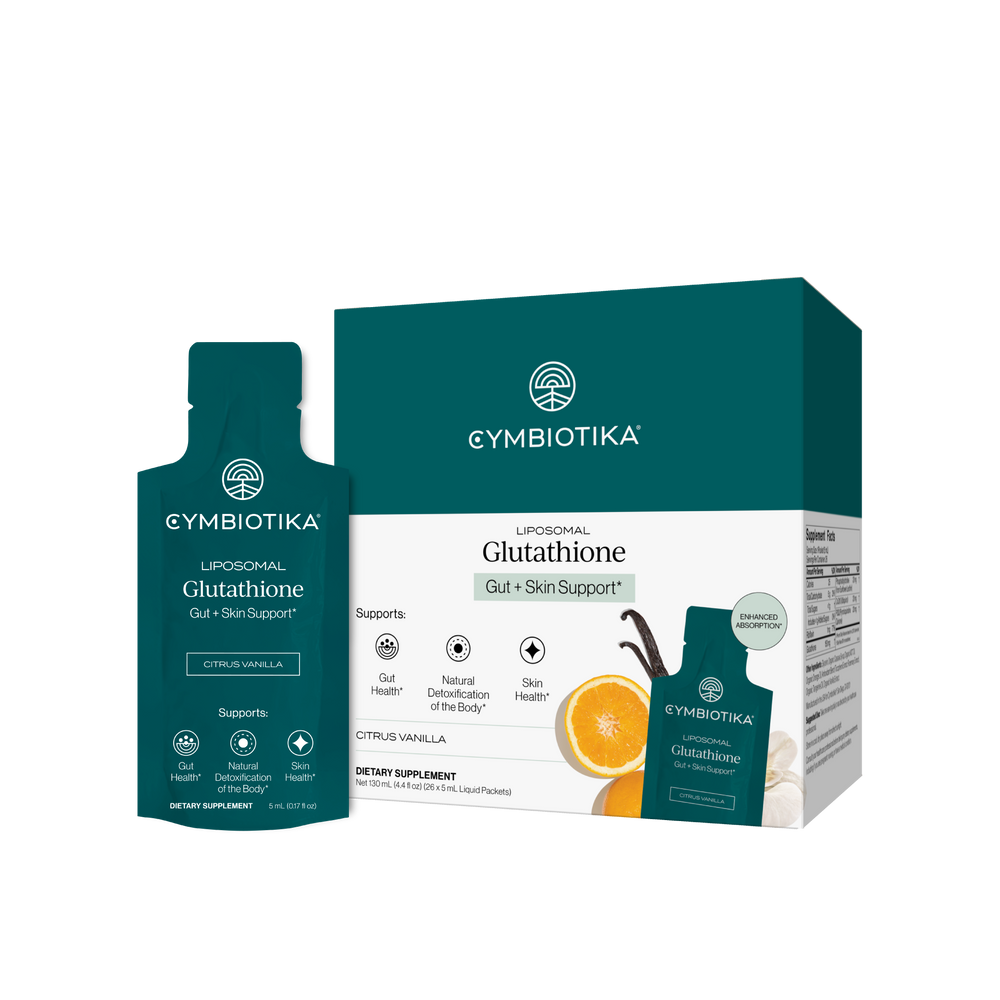
To understand why pairing glutathione with vitamin C is so effective, we first need to look at what glutathione actually does. Often referred to as the "master antioxidant," glutathione is found in nearly every cell in your body. If you want a closer look at the formula itself, Cymbiotika’s Liposomal Glutathione is designed around that same ingredient.
It is a tripeptide, which is a fancy way of saying it is made up of three specific amino acids: cysteine, glycine, and glutamine. While our bodies make it, our internal levels can fluctuate. Factors like age, environmental stressors, and physical exertion can all impact how much glutathione is available to protect our cells.
The Role of Glutathione in Cellular Defense
Glutathione exists in two main states within the body: reduced (GSH) and oxidized (GSSG). The reduced form, GSH, is the "active" state. In this state, it is ready to neutralize unstable molecules known as free radicals. When you have high levels of active glutathione, your body is better equipped to manage oxidative stress—the natural byproduct of energy production and environmental exposure.
Once glutathione neutralizes a free radical, it becomes oxidized (GSSG), meaning it is temporarily "spent." For it to become useful again, it must be recycled back into its reduced state. This is where the synergy with other nutrients begins to matter.
Why Glutathione Bioavailability Matters
One of the biggest challenges with glutathione is how the body absorbs it. When taken as a standard capsule or powder, glutathione is often broken down by enzymes in the digestive tract before it can ever reach the bloodstream. If you want to go deeper on that topic, read our article on whether glutathione supplements can be absorbed.
We address this by focusing on bioavailability—the measure of how much of a substance actually enters your circulation and is able to have an active effect. To ensure glutathione reaches your cells intact, advanced delivery methods are often required.
Key Takeaway: Glutathione is the body’s primary internal defense against oxidative stress, but it exists in "active" and "spent" states. Standard oral supplements are often poorly absorbed because they break down during digestion.
The Role of Vitamin C: More Than Just Immune Support
Most of us are familiar with vitamin C as the go-to nutrient for seasonal wellness. However, its role in the body is much broader. Vitamin C, or ascorbic acid, is an essential nutrient, meaning our bodies cannot produce it. We must get it from the foods we eat or the supplements we take.
While it is well-known for supporting the immune system and collagen production, vitamin C is also a potent antioxidant in its own right. For a closer look at Cymbiotika’s formula, see Liposomal Vitamin C, which is built around this nutrient.
How Vitamin C Supports the Antioxidant Network
Antioxidants do not work in isolation. They function as part of a complex system where they support and "recycle" one another. Vitamin C is a critical player in this network. When vitamin C neutralizes a free radical, it becomes oxidized. However, it can be brought back to life by other antioxidants, including glutathione.
Because vitamin C is water-soluble, the body cannot store it for long periods. It is processed and excreted relatively quickly. This is why consistent intake is so important for maintaining steady levels in your system.
The Synergy: Why Taking Them Together Works
The reason you often see glutathione and vitamin C mentioned in the same breath is because of a biological process known as the glutathione-ascorbate cycle. These two nutrients have a mutually beneficial relationship that enhances the efficacy of both. For another take on this pairing, you can explore can I take glutathione and vitamin C together.
The Recycling Mechanism
Think of glutathione and vitamin C as teammates in a relay race. When vitamin C does its job and neutralizes a free radical, it becomes "tired" (oxidized). Glutathione can then step in and "recharge" the vitamin C, allowing it to go back and fight more free radicals.
Interestingly, the relationship goes both ways. Vitamin C also helps to "spare" glutathione. By neutralizing free radicals first, vitamin C prevents glutathione from having to do all the heavy lifting. This helps maintain higher levels of active glutathione in your tissues.
Supporting the GSH/GSSG Ratio
As mentioned earlier, the ratio of active (reduced) glutathione to spent (oxidized) glutathione is a key indicator of cellular health. Research has shown that taking vitamin C can help increase the amount of glutathione stored in red blood cells. By supporting the recycling of glutathione, vitamin C helps keep that ratio in a healthy balance.
Myth: Taking more of one antioxidant is better than taking a combination.
Fact: Antioxidants work better in a "network." Taking glutathione with vitamin C allows them to recycle each other, providing a more robust defense than a single high-dose nutrient.
The Importance of Bioavailability and Delivery
The effectiveness of any supplement routine comes down to one question: Does your body actually absorb this? This is especially true for glutathione and vitamin C, which face different challenges during the digestive process.
The Challenge of Standard Supplements
Standard vitamin C tablets are often made with ascorbic acid, which can be acidic and hard on the stomach in high doses. Furthermore, the body has a "saturation point" for vitamin C. Once you take a certain amount, the gut's ability to absorb more drops significantly, and the rest is simply flushed out of your system.
Glutathione faces an even tougher journey. Because it is a protein-like molecule (a tripeptide), the stomach views it as food and begins breaking it down into its individual amino acids. By the time it leaves the stomach, it may no longer be the master antioxidant you intended to take.
The Liposomal Advantage
To solve these absorption issues, we utilize liposomal delivery. A liposome is a tiny, microscopic sphere made of phospholipids—the same material that makes up your own cell membranes. This lipid (fat) bilayer acts as a protective "delivery vehicle" for the nutrient inside.
- Protection: The liposome protects the glutathione or vitamin C from being destroyed by stomach acid and digestive enzymes.
- Absorption: Because the liposome is made of the same material as your cells, it can fuse with the cell membrane or be absorbed through the intestinal wall more easily.
- Efficiency: This delivery method is designed to bypass the traditional "saturation points" of standard supplements, allowing more of the nutrient to reach your bloodstream and stay active longer.
If you want to explore the broader formulation philosophy behind that kind of delivery, take a look at our Healthy Aging Supplements collection.
Key Benefits of the Glutathione and Vitamin C Duo
When you combine these two powerhouses, you may notice support in several key areas of wellness. While everyone's body responds differently, the synergistic effects are well-documented.
1. Enhanced Immune Support
Both nutrients are essential for a healthy immune response. Vitamin C is known to support the production and function of white blood cells, which are your body's frontline defenders. Glutathione plays a role in the "priming" of these cells, ensuring they are ready to respond to challenges. Together, they provide a multi-layered approach to seasonal wellness. If immune support is your main focus, you may also want to browse the Immunity Supplements collection.
2. Liver Health and Detoxification
The liver is the body's primary organ for detoxification, and it happens to be where the highest concentrations of glutathione are found. The liver uses glutathione to bind to toxins and metabolic byproducts, making them water-soluble so they can be eliminated from the body. Vitamin C supports this process by protecting the liver cells from the oxidative stress that occurs during these detox pathways.
3. Skin Vitality and Healthy Aging
Oxidative stress is one of the primary drivers of the visible signs of aging. Free radicals can damage collagen and elastin, leading to fine lines and a loss of skin elasticity. Vitamin C is a necessary cofactor for collagen synthesis, while glutathione helps protect the skin's structural integrity from the inside out. Many people find that this combination supports a bright, even complexion and a healthy glow.
4. Energy and Mitochondrial Support
Your mitochondria are the "powerhouses" of your cells, responsible for creating the energy (ATP) you need to get through the day. However, the process of creating energy also creates free radicals. If these free radicals aren't neutralized, they can damage the mitochondria and lead to feelings of fatigue. Glutathione is the primary antioxidant that protects mitochondrial DNA, while vitamin C helps maintain the overall cellular environment.
How to Build Your Routine
Adding glutathione and vitamin C to your daily life doesn't have to be complicated. Consistency is the most important factor when it comes to seeing long-term results.
Step 1: Choose the Right Form
Look for liposomal formats to ensure maximum bioavailability. Avoid standard capsules that may be degraded by stomach acid. Our formulations are designed to be gentle on the stomach while providing high-level absorption.
Step 2: Timing Your Intake
Most people find it best to take these antioxidants in the morning. Taking them on an empty stomach—about 15 to 20 minutes before breakfast—can help with absorption. However, if you have a sensitive stomach, taking them with a light meal is also perfectly fine.
Step 3: Finding the Right Ratio
While there is no "perfect" ratio for everyone, many people find success using a 1:2 approach—for every 250mg of glutathione, they might take 500mg of vitamin C. However, your individual needs may vary based on your activity levels and wellness goals.
Step 4: Support with Lifestyle
Supplements work best when they are part of a holistic approach. To support your body's antioxidant levels, try to:
- Incorporate sulfur-rich foods like broccoli, garlic, and onions (which provide the precursors for glutathione).
- Prioritize 7–9 hours of quality sleep to allow your body's repair mechanisms to function.
- Stay hydrated to help your body flush out neutralized toxins.
If you are still deciding where to begin, the easiest next step is our Health Quiz, which can help you narrow down the right routine for your goals.
Bottom line: For the best results, take liposomal glutathione and vitamin C consistently, ideally in the morning, and pair them with a nutrient-dense diet and healthy lifestyle habits.
Quality and Transparency: The Cymbiotika Difference
At Cymbiotika, we believe that you deserve to know exactly what is going into your body. We don't use unnecessary synthetic fillers, artificial colors, or hidden ingredients. Our commitment to transparency means that every product we create is third-party tested for purity and potency.
When you choose our supplements, you aren't just buying a bottle of vitamins; you are investing in a delivery system designed for results. We source our ingredients with care, opting for non-GMO, organic, and wild-crafted materials whenever possible. We believe that wellness starts with trust, and we earn that trust by ensuring our formulations are backed by science and manufactured to the highest standards.
Conclusion
Taking glutathione and vitamin C together is a smart, science-forward way to support your body’s natural defenses. By working as a team, these two antioxidants protect your cells, support your liver, and help maintain your energy levels more effectively than they could alone. If you want another helpful overview, our guide on what vitamin C to take with glutathione breaks down the pairing in more detail.
Remember that supplement routines are highly personal. What works for one person might be different for another based on genetics, diet, and lifestyle. We encourage you to listen to your body and give your routine time to work—consistency over weeks and months is where the real transformation happens.
- Glutathione and vitamin C recycle each other, extending their antioxidant life.
- Bioavailability is the most important factor in choosing a supplement.
- Liposomal delivery protects nutrients from digestion for better absorption.
- A combined approach supports immunity, detox, and healthy aging.
We are here to help you navigate the world of high-quality supplementation. If you are unsure where to start or which products are right for your specific goals, we recommend taking our Health Quiz. It is a simple tool designed to provide personalized recommendations based on your unique needs, helping you build a routine you can actually trust.
FAQ
Is it safe to take glutathione and vitamin C every day?
Yes, for most healthy adults, taking these two antioxidants daily is considered safe and beneficial for maintaining consistent cellular support. Because vitamin C is water-soluble and glutathione is used rapidly by the liver and immune system, regular replenishment helps maintain steady levels in the body. For a deeper dive into how the body handles glutathione, see our article on glutathione absorption. As with any new supplement, it is always a good idea to consult with your healthcare provider to ensure it aligns with your specific health profile.
Do I have to take them at the exact same time?
While you do not have to swallow them at the exact same second, taking them within the same window (such as during your morning routine) allows them to work together in the bloodstream. The synergistic "recycling" effect happens when both are present in the system simultaneously. Consistency in your daily timing is more important than the precise minute you take them.
Can I get enough glutathione and vitamin C from food alone?
While a diet rich in citrus fruits, bell peppers, and sulfur-rich vegetables like kale and garlic is excellent for your health, it can be difficult to reach therapeutic levels through food alone. This is especially true for glutathione, as much of it is lost during cooking, and dietary glutathione is not always well-absorbed by the gut. Supplementation with bioavailable forms can help bridge the gap during times of high stress or increased physical demand.
Will taking glutathione and vitamin C upset my stomach?
Standard vitamin C (ascorbic acid) can sometimes cause digestive discomfort because of its acidity, and some people find standard glutathione capsules difficult to tolerate. However, liposomal delivery systems are generally much gentler on the digestive tract. Because the nutrients are encapsulated in a lipid bilayer, they bypass the traditional digestive breakdown that often leads to an upset stomach.