Introduction
Finding the right time to incorporate a supplement into your daily routine often feels like a balancing act. You want to maximize the benefits without disrupting your schedule or your digestion. When it comes to the "master antioxidant," a frequent question we hear at Cymbiotika is: can glutathione be taken at night? While many people default to a morning supplement stack, the evening hours offer a unique window for cellular support that is often overlooked.
Understanding when to take this vital compound requires a look at how your body handles repair and detoxification. This article will explore whether nighttime is the best choice for your goals, how it compares to morning intake, and why the format of your supplement matters more than the clock on the wall. For a broader look at our healthy-aging formulas, explore the Healthy Aging collection. We will also discuss how to optimize absorption so your body can actually utilize what you are taking.
Whether you are looking to support your skin’s natural glow or want to assist your body’s internal cleansing processes, timing is a key piece of the puzzle. The short answer is yes, you can take glutathione at night—and for many, it may actually be the preferred choice for supporting the body's natural recovery cycles.
What is Glutathione?
Before deciding on the timing, it is helpful to understand what you are actually putting into your body. Glutathione is a tripeptide, which is a small protein made of three specific amino acids: cysteine, glutamine, and glycine. Often referred to as the "master antioxidant," it is found in virtually every cell in the human body. Its primary job is to protect your cells from oxidative stress—the damage caused by unstable molecules known as free radicals.
Beyond its role as a protector, this compound is a heavy lifter in the liver. It helps the body process and eliminate environmental toxins and metabolic waste. If you want a deeper dive into this molecule, our glutathione guide explains its composition and role in the body. We naturally produce it in our livers, but factors like age, stress, and environmental exposure can cause our internal levels to dip. When these levels are low, our cells may become more vulnerable to the wear and tear of daily life.
Quick Answer: Yes, glutathione can be taken at night. Taking it before bed may support the body’s natural repair and detoxification processes that peak during sleep, though morning intake is also effective for daytime protection.
The Science of Nighttime Supplementation
Your body operates on a 24-hour internal clock known as a circadian rhythm. This rhythm dictates when you feel awake, when you feel hungry, and—most importantly for this topic—when your body focuses on repair rather than performance. During the day, your system is busy managing energy, digestion, and external stressors. At night, the focus shifts inward.
Research suggests that our natural glutathione levels fluctuate throughout the day, often dipping when we are most active and rising during rest. Some studies indicate that the body’s demand for antioxidants may increase during the late-night hours when the liver is most active in its filtration and renewal processes. By taking a supplement at night, you may be providing your system with the "raw materials" it needs exactly when it is ready to use them for deep-level maintenance.
Supporting the Sleep-Wake Cycle
Quality rest is the foundation of health. Interestingly, the relationship between sleep and antioxidants is a two-way street. Poor sleep has been shown to deplete the body’s natural antioxidant stores, which can lead to a cycle of feeling sluggish and unrecovered. Conversely, maintaining healthy antioxidant levels may support the quality of your rest.
When you take glutathione in the evening, you are not just checking a box on your to-do list. You are aligning your supplementation with the body’s natural "housekeeping" phase. To see how we group rest-support formulas, visit the Sleep Supplements collection. This is the time when your cells are working to fix DNA damage, clear out cellular debris, and prepare for the next day.
Morning vs. Night: Which is Better?
There is no universal "perfect" time that applies to everyone, as the best timing often depends on your specific lifestyle and wellness goals. However, comparing the two can help you decide which fits your routine.
The Case for Morning Intake
Many people prefer taking their supplements as soon as they wake up. The primary advantage of morning intake is that it is often easier to do on an empty stomach. Standard capsules often struggle with bioavailability—a term used to describe how much of a substance actually reaches your bloodstream. Taking supplements before breakfast can sometimes reduce interference from food.
Morning intake is also excellent for "shielding." If you know you are heading into a day of high stress, sun exposure, or city pollution, having a fresh supply of antioxidants in your system can provide a layer of defense against the oxidative stress those factors create. For a daytime antioxidant pairing, our Liposomal Vitamin C is a natural companion to a morning routine.
The Case for Nighttime Intake
As discussed, the nighttime is the body’s peak period for repair. If your goal is to support healthy-looking skin, liver function, or post-exercise recovery, taking your supplement 2–3 hours after your last meal might be more effective.
Key Takeaway: Choose the morning for daytime protection and "shielding" from environmental stressors. Choose the evening to support the liver's natural detoxification and the body’s cellular repair cycles.
Does Your Body Actually Absorb the Glutathione You Take?
This is perhaps the most important question to ask, regardless of what time you take your supplement. Many standard glutathione pills are largely ineffective because the digestive system is very good at breaking down proteins. Since glutathione is a tripeptide (a small protein), the harsh acids in your stomach often dismantle it before it can ever reach your cells.
If the supplement is broken down into its individual amino acids during digestion, you aren't getting the full benefit of the complete molecule. This is where formulation design becomes the deciding factor in your results.
The Liposomal Difference
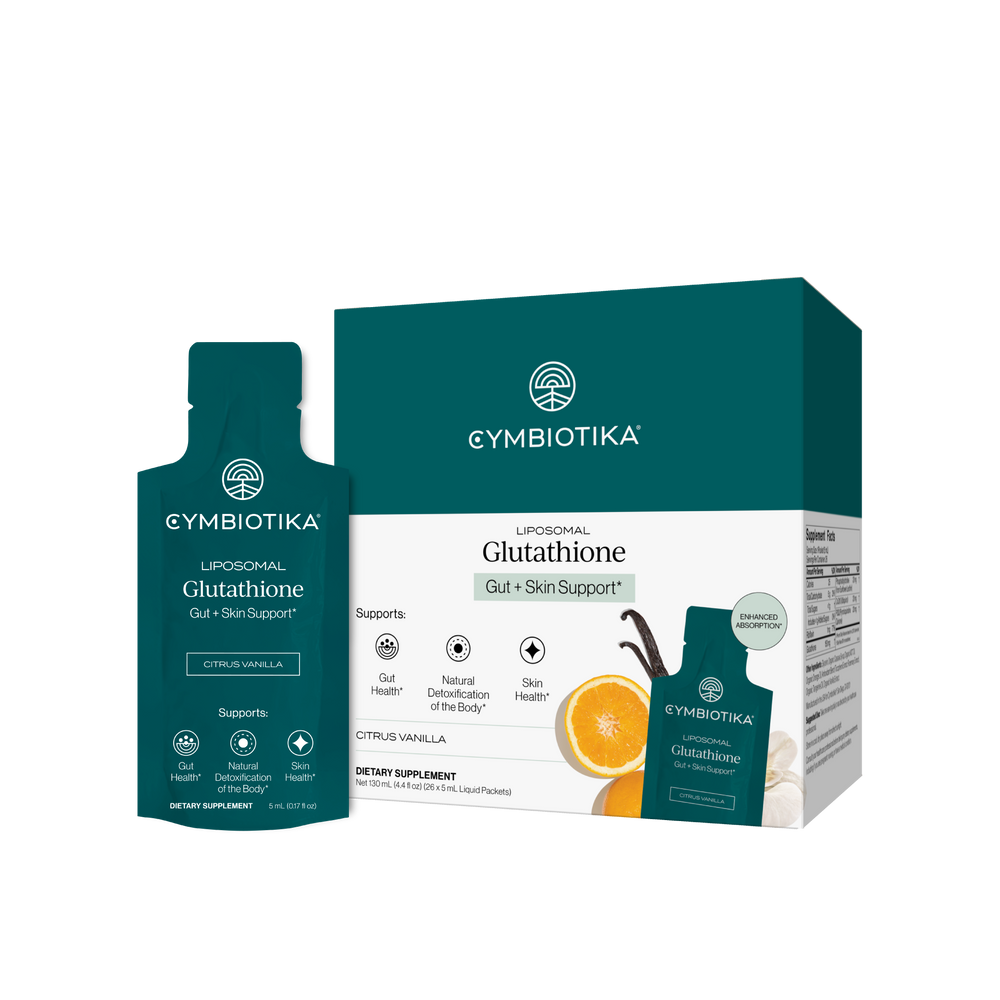
To solve the problem of poor absorption, we utilize advanced liposomal delivery. A liposome is a tiny, fat-based bubble—specifically a phospholipid bilayer—that mimics the structure of your own cell membranes. We encapsulate the glutathione inside these liposomes.
This "fatty shell" protects the nutrient as it passes through the digestive tract. Because the shell is made of the same material as your cell walls, your body recognizes it and can absorb it more efficiently. If you want to compare this approach with other absorbable formulas, you can browse our Knowledge Center. When you use a liposomal format, the question of "when" to take it becomes less about fighting for absorption and more about aligning with your personal goals.
Benefits of Taking Glutathione Before Bed
If you decide that an evening routine is right for you, there are several areas of wellness where you might notice a difference.
1. Cellular Repair and Recovery
Throughout the day, your body is exposed to "oxidative hits" from things like processed foods, pollutants, and even exercise. While exercise is healthy, it is technically a form of stress that creates free radicals. Taking an antioxidant at night helps neutralize these molecules while you sleep, potentially making you feel more refreshed when you wake up.
2. Liver Support
The liver is your body's primary filtration system. It never stops working, but it is particularly active during the night. Glutathione is a mandatory component for the liver's Phase II detoxification pathway. In this phase, the liver attaches a glutathione molecule to a toxin to make it water-soluble so it can be flushed out of the system. Providing a boost in the evening ensures the liver has what it needs during its most productive hours.
3. Skin Health and Renewal
The skin also follows a circadian rhythm. At night, blood flow to the skin increases, and the barrier becomes more permeable, allowing for faster turnover of new skin cells. This is why "beauty sleep" is a real biological phenomenon. Because glutathione may help manage the oxidative stress that contributes to the visible signs of ageing, taking it at night supports the skin during its natural renewal phase. For another skin-focused wellness option, take a look at The Omega.
How to Build Your Nighttime Routine
If you want to try taking glutathione at night, consistency is more important than precision. You don't need to take it at exactly 9:01 PM every night, but you should aim for a similar window.
Step 1: Time it with your last meal. For the best results, try to take your supplement about two hours after you finish dinner. This ensures your stomach isn't too full, which can help with the speed of absorption.
Step 2: Pair it with Vitamin C. Vitamin C and glutathione are partners in the body. Vitamin C helps "recharge" glutathione after it has neutralized a free radical, allowing it to go back to work. Our Liposomal Vitamin C can be taken alongside your evening dose to create a powerful antioxidant synergy.
Step 3: Keep it on your nightstand. The best supplement is the one you actually remember to take. Keeping your pouch or bottle where you can see it during your bedtime routine helps turn the habit into a permanent part of your life.
Step 4: Monitor your sleep. Every body is different. While most people find nighttime intake supportive, some feel more "alert" when they take antioxidants. Pay attention to how you feel over the first week. If you find it gives you too much energy, simply move your dose to the morning.
Potential Myths About Timing
There are several misconceptions floating around the wellness world regarding how and when to use antioxidants. Let's clarify a few of them.
Myth: You must take glutathione on an empty stomach or it won't work. Fact: While an empty stomach can help with standard capsules, liposomal delivery is much more flexible. Because the liposome protects the nutrient, you can take our Liposomal Glutathione with or without food and still see excellent results.
Myth: Taking it at night will interfere with your natural production. Fact: Supplementing does not "shut down" your liver's ability to create its own glutathione. Instead, it provides a buffer, ensuring your body has enough to meet the demands of modern life, especially during times of high stress.
Myth: More is always better. Fact: High-quality bioavailability is more important than a high milligram count. A smaller dose that actually gets absorbed is far more effective than a massive dose that mostly passes through your system unused.
Practical Scenarios: When Should You Shift Your Timing?
While nighttime is excellent for general wellness and recovery, there are specific situations where you might want to adjust your schedule.
- During Travel: If you are crossing time zones, your body is under significant oxidative stress from altitude and disrupted sleep. In this case, we recommend taking a dose in the morning to protect against travel-related stressors and another in the evening to help your body "reset" its internal clock.
- High-Intensity Training: If you have a grueling morning workout, taking your glutathione 30 minutes before your session can help manage the free radicals produced during heavy exertion.
- Late Night Socializing: If you have had a heavy meal or a few drinks in the evening, your liver will be working overtime. Taking your supplement before bed in these instances is highly recommended to support the liver's processing of those substances.
Why Quality Matters More Than Timing
At the end of the day, whether you take your supplement at 8 AM or 10 PM is secondary to the quality of the formulation itself. A low-quality supplement will not be effective regardless of when you take it.
When we developed our line of products, we focused on three pillars: purity, transparency, and bioavailability. We avoid synthetic fillers and unnecessary additives that can often cause digestive upset. By using high-quality sourcing and liposomal technology, we ensure that you are getting the most out of your investment in your health.
If you are currently taking a standard glutathione capsule and not seeing the results you expected, it is likely not a timing issue, but an absorption issue. Switching to a delivery system that mimics your own cellular structure can make a world of difference in how you feel. For a closer look at how we organize and compare formulas, start with our Supplement Guide.
Understanding Individual Variance
It is important to remember that wellness is not one-size-fits-all. Some people have faster metabolisms, different dietary habits, or higher levels of environmental exposure. These factors all influence how your body utilizes supplements.
Most people find that they see the best results after 4 to 8 weeks of consistent use. This gives your body time to replenish its cellular stores and establish a new baseline for antioxidant activity. If you are unsure which routine is right for you, we always recommend consulting with a healthcare professional, especially if you are taking other medications or have underlying health concerns.
Combining Glutathione with Other Nighttime Supports
If your goal is deep recovery, glutathione can be part of a larger evening "stack." Many of our community members combine it with:
- Magnesium: To support muscle relaxation and the nervous system before bed. If you prefer a gentle evening formula, our Liposomal Magnesium Complex is designed for nightly support.
- The Omega: To provide essential fatty acids that support brain and heart health while the body is at rest.
- Liposomal Sleep: For those who need extra support falling or staying asleep, ensuring the body gets into the deep stages of rest where repair actually happens.
By layering these supports, you are creating a comprehensive environment for your body to thrive.
Final Thoughts on Timing
So, can glutathione be taken at night? Absolutely. In many ways, the evening is the most logical time to support the "master antioxidant." It aligns with the liver’s natural detox cycles, supports cellular repair, and works alongside the body’s skin renewal processes.
However, the "best" time is ultimately the time that allows you to be consistent. If you are more likely to remember it in the morning, then the morning is the right choice for you. The most important factor is ensuring that the glutathione you take is actually being absorbed. By choosing a liposomal format, you are ensuring that your body gets the support it needs, no matter what the clock says.
Bottom line: Nighttime intake is ideal for recovery and detoxification, but consistency and bioavailability are the real keys to long-term wellness.
Our Commitment to Your Routine
We believe that wellness starts with trust. We are dedicated to providing clear, science-forward information so you can make the best choices for your lifestyle. Whether you are looking for energy support, immune health, or healthy ageing, our goal is to empower you with the tools you need to build a routine you can actually stick to.
If you are new to supplementation and aren't sure where to start, our Health Quiz is a great resource. It can help you identify your primary goals and recommend a personalized routine tailored to your unique needs.
FAQ
Is it better to take glutathione on an empty stomach at night?
Taking it on an empty stomach, about two hours after your last meal, is generally recommended for optimal absorption. This prevents competition with food proteins during the digestive process. However, if you are using a liposomal formula, it is much more flexible and can be taken even if you've recently eaten.
Can glutathione interfere with my sleep?
Most people find that glutathione is either neutral or supportive of sleep quality due to its role in reducing oxidative stress. However, because it supports cellular energy (ATP) production, a small number of people may feel more alert after taking it. If you find this is the case, simply switch your intake to the morning.
Should I take Vitamin C with my nighttime glutathione?
Yes, taking Vitamin C alongside your dose is highly beneficial. Vitamin C helps keep glutathione in its "reduced" or active state, allowing it to continue neutralizing free radicals effectively. Using a liposomal version of both can further enhance this synergistic effect.
How long before bed should I take my supplement?
A good rule of thumb is to take it about 30 to 60 minutes before you plan to sleep. This gives the liposomes time to pass through the stomach and begin being absorbed into the bloodstream just as your body enters its primary repair phase. Consistency is key, so try to find a window that fits naturally into your existing evening habits.