Table of Contents
- Introduction
- The Nutritional Science of Chia Seeds
- Bioavailability: Getting the Most from Your Seeds
- How to Use Chia Seeds Internally
- Topical Use: Can You Apply Chia to Your Skin?
- Enhancing the Glow: Bioavailability and Delivery
- Supporting the Gut-Skin Axis
- Practical Steps for Your Daily Routine
- The Importance of Quality Sourcing
- Summary of Benefits for Skin
- Conclusion
- FAQ
Introduction
Finding a natural path to radiant skin often starts in the kitchen rather than the beauty aisle. We have found that the most sustainable wellness routines rely on simple, nutrient-dense ingredients that work from the inside out. Chia seeds are a perfect example of this philosophy. These tiny seeds are packed with essential fatty acids, antioxidants, and fiber, all of which play a role in maintaining a healthy, vibrant complexion.
At Cymbiotika, we believe that true beauty is a reflection of internal health and high-quality nutrition. If you want a deeper dive into the same topic, our chia seeds guide for glowing skin covers the basics in more detail. This article covers the nutritional science behind chia seeds, practical ways to incorporate them into your daily habits, and how to ensure your body is actually absorbing the nutrients you consume. By the end of this guide, you will understand how to use these seeds as part of a holistic approach to skin wellness.
The primary goal of using chia seeds for skin health is to support the body’s natural inflammatory response and hydration levels. While no single food can provide a "quick fix," consistently nourishing your body with these seeds can lead to a more resilient and glowing appearance over time.
Quick Answer: To use chia seeds for glowing skin, focus on internal consumption by soaking them in water or blending them into smoothies to maximize hydration and omega-3 absorption. These seeds support the skin barrier and gut health, which are both essential for a clear, radiant complexion.
The Nutritional Science of Chia Seeds
Chia seeds are a concentrated source of alpha-linolenic acid (ALA), a type of plant-based omega-3 fatty acid. Omega-3s are essential components of the skin's lipid barrier. This barrier acts as a protective seal, keeping moisture in and environmental stressors out. When the lipid barrier is strong, the skin appears more hydrated, plump, and smooth.
These seeds are also rich in antioxidants like quercetin, kaempferol, and caffeic acid. Antioxidants help neutralize free radicals, which are unstable molecules that can contribute to signs of premature ageing. By protecting your cells from oxidative stress, these compounds support the skin's long-term health and vitality.
The high fiber content in chia seeds supports a healthy gut microbiome. There is a strong connection between your digestive system and your skin, often referred to as the gut-skin axis. When your digestion is functioning optimally, your body can efficiently process and eliminate waste, which often results in clearer skin. If you are working on that connection more broadly, the Gut Health collection is a natural place to explore next.
Key Takeaway: The combination of omega-3s, antioxidants, and fiber makes chia seeds a powerhouse for supporting skin elasticity, hydration, and a healthy inflammatory response.
Bioavailability: Getting the Most from Your Seeds
The concept of bioavailability refers to how well your body can actually absorb and use the nutrients you take in. Not all supplements or whole foods are created equal in this regard. If you eat chia seeds dry and whole, they may pass through your digestive tract without being fully broken down. This means you might miss out on the valuable oils and minerals locked inside the tough outer shell.
Soaking chia seeds is one of the most effective ways to increase their bioavailability. When soaked in liquid, the seeds develop a gelatinous coating known as mucilage. This process starts to break down the outer layer, making it easier for your digestive enzymes to access the nutrients. If you want to learn more about absorption in general, Ask Dr. Shilpa: Liposomes 101 is a useful educational next step.
Grinding chia seeds into a meal is another way to support better absorption. If you prefer not to soak them, using a spice grinder to turn them into a powder allows the healthy fats to be released more easily. This is particularly important for the omega-3 content, as the body needs access to the inner seed to metabolize these fats.
How to Use Chia Seeds Internally
Adding chia seeds to your daily diet is the most effective way to see long-term skin benefits. Because skin cells are formed deep within the dermis, the nutrients must be present in your bloodstream to make a meaningful difference. Here are the most practical ways to use them.
Chia Water or "Internal Shower"
Drinking chia seeds in water has become a popular routine for those looking to support digestion and hydration.
- Add one to two tablespoons of seeds to a tall glass of water.
- Let them sit for at least 15 to 20 minutes until they expand.
- Add a squeeze of fresh lemon for a boost of Vitamin C, which further supports collagen production.
- Drink this in the morning to start your day with a boost of hydration and fiber.
For a supplement-focused option that complements this routine, Liposomal Vitamin C is designed to support collagen production and healthy aging.
Overnight Chia Pudding
Chia pudding is a versatile breakfast or snack that ensures the seeds are fully hydrated before you consume them.
- Mix three tablespoons of chia seeds with one cup of your choice of milk (such as almond or coconut).
- Stir well to prevent clumping and refrigerate for at least four hours, or overnight.
- Top with antioxidant-rich berries and a drizzle of raw honey.
- This slow-digesting meal provides a steady release of energy and keeps you satiated, which may help reduce cravings for sugary foods that can disrupt skin health.
Smoothies and Bowls
If you prefer a more blended texture, you can add dry or pre-soaked seeds directly into your blender.
- The Power Blend: Combine spinach, frozen blueberries, a scoop of plant-based protein, and two tablespoons of chia seeds.
- The Texture Tip: If you don’t like the "crunch" of seeds, blending them into a smoothie turns them into a thickener without changing the flavor profile.
Bottom line: Consistent internal consumption of hydrated or ground chia seeds ensures your body receives a steady supply of the fatty acids and minerals necessary for a healthy skin barrier.
Topical Use: Can You Apply Chia to Your Skin?
While internal consumption is the gold standard for skin health, topical applications can offer temporary soothing benefits. Chia seed oil is often found in high-end skincare products because it is lightweight and non-greasy. It is rich in Vitamin E and fatty acids, which can help calm dry or irritated skin.
You can create a simple at-home mask using the gel formed by soaked seeds. When chia seeds are soaked in water or aloe vera juice, the resulting gel is incredibly cooling. This can be used as a hydrating mask for ten minutes before rinsing. If you are interested in a more complete beauty-support approach, Healthy Glow is another relevant place to look.
Note: Always perform a patch test before applying any DIY mixture to your face. While chia seeds are generally gentle, everyone’s skin reacts differently to raw ingredients. Furthermore, the molecular size of the nutrients in a DIY chia mask may be too large to penetrate the deeper layers of the skin, meaning the results will primarily be on the surface level.
Myth: Applying raw chia seeds to your face is better than eating them. Fact: Skin health is primarily driven by internal nutrition. Topical application provides a surface-level moisture boost, but the "glow" comes from the omega-3s and antioxidants processed by your digestive system.
Enhancing the Glow: Bioavailability and Delivery
Even with a perfect diet, sometimes our bodies need more targeted support to achieve optimal skin health. This is where the science of supplementation becomes relevant. We recognize that many standard vitamins and minerals have poor absorption rates because they are destroyed by stomach acid before they reach the small intestine.
To solve this, we use advanced liposomal delivery in many of our formulations. A liposome is a tiny, fatty sphere (a phospholipid bilayer) that mimics the body’s own cell membranes. By wrapping a nutrient in this lipid shell, we can protect it through the digestive process and deliver it directly to the cells. For a broader look at this approach, the Liposomal Glutathione article explains why delivery matters so much.
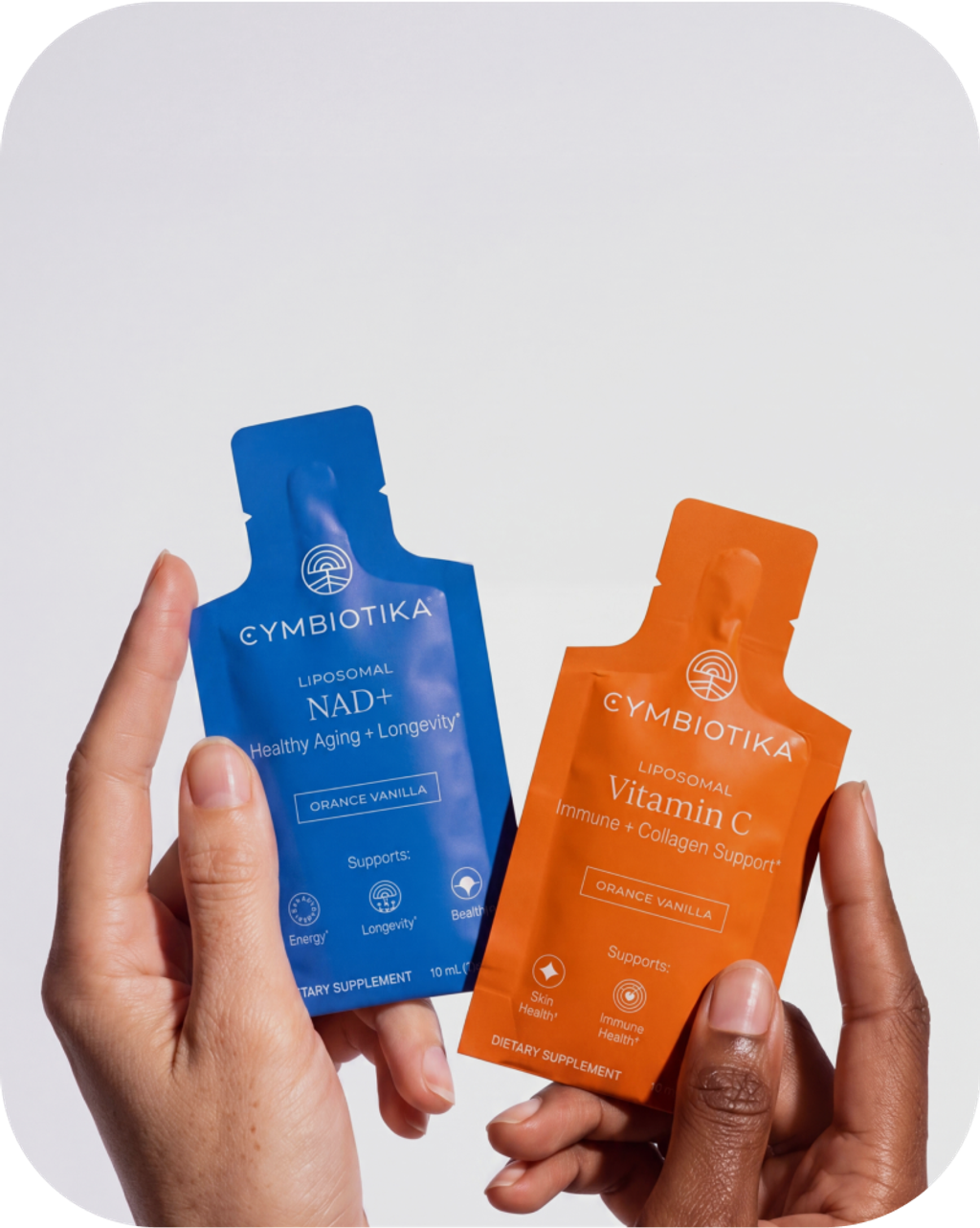
When looking for glowing skin, consider pairing your chia seed habit with a high-bioavailability supplement. For example, Vitamin C is essential for collagen synthesis. While you can get some Vitamin C from your diet, a liposomal format is designed to support much higher absorption levels, ensuring your skin has the building blocks it needs to stay firm and bright. Our Liposomal Vitamin C uses this phospholipid shell to support absorption—a meaningful difference from standard ascorbic acid tablets.
Supporting the Gut-Skin Axis
The health of your skin is often a direct reflection of the health of your gut. Chia seeds help keep things moving through the digestive tract, preventing the buildup of waste that can lead to dullness or breakouts. However, fiber is only one part of the equation. If you want to explore this topic more fully, How to Build Your Gut Health is a helpful companion read.
A healthy microbiome requires a balance of beneficial bacteria. If your gut flora is out of balance, your body may struggle to absorb the nutrients from the healthy foods you eat, including chia seeds. This is why many people find that a combination of high-fiber foods and a high-quality probiotic provides the best results for their skin.
Our Probiotic is designed to support this delicate balance. By populating the gut with diverse, beneficial strains, you create an environment where nutrient absorption is maximized. When your gut is healthy, the "glow" you see in the mirror is often the first sign of that internal harmony. For a broader view of related formulas, the Natural Immunity Supplements collection is also worth exploring.
Practical Steps for Your Daily Routine
Building a routine you can stick to is more important than a complex, multi-step process. If you are new to using chia seeds, start small and be consistent.
Step 1: Start with a small dose. / Begin with one teaspoon of chia seeds per day to allow your digestive system to adjust to the increased fiber. Step 2: Always hydrate your seeds. / Ensure you are drinking plenty of water throughout the day. Because chia seeds absorb many times their weight in liquid, they can actually cause dehydration if you don't drink enough water alongside them. Step 3: Incorporate a "skin-first" supplement. / If your goal is a radiant complexion, consider adding our Healthy Glow™ to your morning routine. It is designed to provide targeted nutrients like Biotin and Cinnamin® that complement the fatty acids found in chia seeds. Step 4: Monitor your progress. / Skin cells take about 28 to 30 days to turn over. Give your new routine at least a month before evaluating the results.
For an added daily ritual that fits well with long-term wellness, Molecular Hydrogen is another formula people often pair with recovery-focused habits.
Key Takeaway: Success in wellness comes from the accumulation of small, daily choices. Pairing nutrient-dense foods like chia seeds with bioavailable supplements creates a comprehensive approach to skin health.
The Importance of Quality Sourcing
The quality of the seeds you buy matters for your health. Whenever possible, choose organic, non-GMO chia seeds. This ensures that you are not inadvertently consuming pesticide residues that could stress your liver and, by extension, your skin.
We apply these same rigorous standards to every ingredient we source. Transparency is at the heart of our mission. Whether it is a whole food like chia seeds or a complex formulation like our Molecular Hydrogen, knowing exactly what is going into your body is the first step toward lasting wellness. Clean ingredients lead to clean results. If you are looking for a broader view of how we organize our formulas, the Healthy Aging Supplements collection is a good place to start.
Summary of Benefits for Skin
- Elasticity: Omega-3s help maintain the structural integrity of skin cells.
- Moisture: The lipid barrier supported by chia seeds prevents trans-epidermal water loss.
- Protection: Antioxidants help defend against the environmental damage that causes dullness.
- Clarity: Fiber supports the elimination of toxins via the gut, reducing the likelihood of skin congestion.
Bottom line: Chia seeds are a foundational food for anyone seeking a natural glow, provided they are prepared in a way that the body can actually absorb.
Conclusion
Incorporating chia seeds into your lifestyle is a simple, effective way to support your skin’s natural radiance. By focusing on preparation methods that increase bioavailability—such as soaking and grinding—you ensure that your body can utilize the powerful omega-3s and antioxidants these seeds provide. Remember that skin health is a long-term commitment that involves hydration, gut health, and consistent nutrition.
At Cymbiotika, we are dedicated to helping you build a routine you can trust. We focus on transparency and science-forward formulations to ensure you aren't just taking supplements, but actually feeling the results. If you are looking to further personalize your wellness journey, we invite you to take our Health Quiz. It is designed to help you identify the specific nutrients your body needs to thrive and glow from within.
FAQ
How long does it take to see skin results from chia seeds?
Skin cell turnover typically takes around four weeks, so most people notice changes in hydration and clarity after a month of consistent daily use. It is important to maintain a steady intake rather than consuming them sporadically.
Can I eat chia seeds dry for skin benefits?
While you can eat them dry, your body may not absorb the nutrients as effectively. To get the most skin-supporting omega-3s, it is better to soak them in liquid or grind them into a powder to break down the outer shell.
Is it possible to eat too many chia seeds?
Because chia seeds are very high in fiber, eating too many too quickly can cause digestive discomfort. It is best to start with one teaspoon to one tablespoon per day and gradually increase your intake as your body adjusts.
Should I use chia seeds in the morning or at night?
You can enjoy chia seeds at any time of day, but many find that eating them in the morning helps with sustained energy and hydration throughout the day. Using them as a breakfast base or in a morning glass of water is a popular and effective habit.
*These statements have not been evaluated by the Food and Drug Administration. This product is not intended to diagnose, treat, cure, or prevent any disease.