Table of Contents
- Introduction
- The Science of Natural Detoxification
- Why You Might Feel Worse Before You Feel Better
- The Role of the Liver in Nutritional Transitions
- The Importance of Bioavailability During a Diet Change
- Supporting the Gut During a "Detox" Phase
- Hydration and the Lymphatic System
- Common Myths About Diet-Induced Detox
- How to Support Your Body Naturally
- The Timeline of a Healthy Transition
- Consistency Over Intensity
- Building Your Personal Routine
- Conclusion
- FAQ
Introduction
Many people experience a strange phenomenon when they decide to clean up their diet. You swap the processed snacks for whole foods and trade the sugary lattes for green tea, expecting to feel like a high-performance athlete overnight. Instead, you might feel sluggish, foggy, or even a bit irritable. This leads many to ask the central question: does your body detox when you start eating healthy?
The truth is that your body is always in a state of detoxification. It is a 24-hour physiological process managed by your liver, kidneys, skin, and lungs. When you shift your nutrition, you aren't necessarily "starting" a detox, but you are changing the workload you place on these vital systems. At Cymbiotika, we believe that understanding how your body processes these changes is the first step toward a sustainable wellness routine.
This article explores what happens internally when you improve your nutrition, why you might feel temporary discomfort, and how to support your natural pathways with high-bioavailability nutrients. If you’re not sure where to begin, our Health Quiz can help point you toward a routine that fits your goals.
The Science of Natural Detoxification
To understand if your body "detoxes" when you eat healthy, you must first understand that detoxification is a biological necessity, not a trendy program. Your body identifies, neutralizes, and eliminates substances every second of the day. These substances include metabolic byproducts, environmental pollutants, and additives from the foods we consume.
The liver is the heavy lifter in this process. It works in two primary phases to transform fat-soluble compounds into water-soluble ones so the body can safely remove them. When you eat a diet high in processed foods, artificial colors, and refined sugars, your liver must work harder to manage the influx. If you want to explore a targeted formula, Liver Health+ is designed to support this area of your routine.
When you transition to a diet rich in antioxidants, fiber, and clean proteins, you are essentially reducing the "incoming traffic." This allows your biological systems to focus on clearing out the backlog and functioning more efficiently. It is less about "triggering" a detox and more about providing the body with the specific tools it needs to perform its job.
Quick Answer: Your body is always detoxing, but eating healthy reduces the toxic load and provides the nutrients necessary for your liver and kidneys to work more effectively. The "detox symptoms" some people feel are often the body's reaction to withdrawing from sugar, caffeine, or processed additives.
Why You Might Feel Worse Before You Feel Better
It is a common irony in wellness: you start eating the best food of your life, yet you feel worse than when you were eating takeout. This is often referred to as a "healing crisis" or a transition period. There are several biological reasons why this happens.
Withdrawal from Stimulants and Additives
If your previous diet was high in refined sugar or caffeine, your brain and body have likely developed a level of dependency. When you remove these, your neurochemistry has to recalibrate. This often manifests as headaches, low energy, or mood swings. This is not the "toxins leaving the body" in a literal sense, but rather your nervous system adjusting to a new baseline.
Changes in the Gut Microbiome
The bacteria in your gut thrive on what you feed them. Some species love sugar, while others prefer fiber. When you change your diet, you are essentially "starving" certain populations of bacteria and "feeding" others. As the sugar-loving bacteria die off, they can release byproducts that may cause temporary bloating or digestive discomfort. For a broader starting point, the Gut Health supplements collection can help you explore supportive options.
Increased Fiber Intake
Many people significantly increase their vegetable intake when they start eating healthy. While fiber is essential for moving waste through the digestive tract, a sudden increase can overwhelm the system if you aren't also increasing your hydration. This can lead to a heavy feeling in the gut as your digestive enzymes catch up to the new demand.
The Role of the Liver in Nutritional Transitions
The liver is the primary filter of the body. When you improve your diet, the liver can finally move from "emergency management" to "deep maintenance." This organ requires specific nutrients to perform its two-phase detoxification process efficiently.
In Phase I, enzymes break down substances into intermediate forms. These intermediates can sometimes be more reactive than the original substance. In Phase II, the liver attaches a molecule to these intermediates to make them water-soluble. This requires an abundance of amino acids, minerals, and antioxidants like glutathione.
If your body lacks these specific nutrients, the process can slow down, leading to that "cloudy" feeling often associated with dietary changes. This is why bioavailability is so important. Most standard supplements use low-quality forms of minerals that the body struggles to absorb. Our Liver Health+ is designed with this in mind, using advanced delivery methods to ensure the liver has the actual raw materials it needs to thrive.
Key Takeaway: Dietary changes allow the liver to focus on deep cellular maintenance, but this process requires specific, absorbable nutrients to prevent the buildup of metabolic intermediates.
The Importance of Bioavailability During a Diet Change
When you transition to a healthier lifestyle, you want every calorie and every supplement to count. This brings us to the concept of bioavailability—the degree and rate at which a substance is absorbed into the bloodstream and used by the body. To go deeper on that idea, All About Liposomes explains how delivery matters.
Many people think that if they take a 1,000mg vitamin C pill, their body gets 1,000mg of vitamin C. In reality, the digestive system is a harsh environment. Much of that pill may be destroyed by stomach acid or simply passed through the system without being absorbed. This is particularly true for antioxidants like glutathione, which are often broken down into simple amino acids before they can do their work.
We focus on liposomal delivery to solve this problem. A liposome is a tiny bubble made of the same material as your cell membranes—a phospholipid bilayer. By wrapping nutrients in this fatty shell, we can protect them through the digestive tract and deliver them directly to the cells.
When your body is adjusting to a healthy diet, it is in a state of high demand. Using supplements with high bioavailability ensures that your cells actually receive the support you are trying to give them.
Supporting the Gut During a "Detox" Phase
The gut is the final exit ramp for waste products processed by the liver. If your gut is sluggish, those waste products can sit in the colon too long and potentially be reabsorbed. This is one of the most common reasons people feel "stuck" when they start eating healthy.
To support the gut during a dietary transition, consider these steps:
- Hydrate with minerals: Water alone isn't always enough. Your cells need electrolytes and trace minerals to stay hydrated and move waste.
- Increase fiber gradually: Instead of going from zero to sixty with raw kale, try steamed vegetables first to make them easier to digest.
- Use binders when necessary: Substances like activated charcoal can help "mop up" unwanted material in the digestive tract, preventing it from being reabsorbed. If you want to read more, Is Activated Charcoal Good for Gut Health? is a helpful guide.
- Support the lining: Foods and supplements that support the gut lining can help ensure that only the "good stuff" gets through to the bloodstream.
Our Activated Charcoal is a helpful tool during this phase. It is designed to bind to toxins in the GI tract, supporting the body’s natural elimination process without being absorbed into the bloodstream itself.
Hydration and the Lymphatic System
While the liver and kidneys get most of the credit, the lymphatic system is the "sewage system" of the body. It carries waste away from the cells and toward the lymph nodes for processing. Unlike the heart, the lymphatic system does not have a pump. It relies on movement and hydration.
When you start eating healthy, you may find yourself losing "water weight." This is often because processed diets are high in sodium, which causes the body to hold onto excess fluid. As you shed this fluid, you need to replace it with clean, mineral-rich water.
If your goal is more daily vitality, the Energy collection is a useful place to explore formulas that fit into an active routine.
Common Myths About Diet-Induced Detox
There is a lot of misinformation regarding what a "detox" actually is. Distinguishing between marketing hype and biological reality will help you stay the course when things get tough.
Myth: You need a juice cleanse to "flush out" your organs.
Fact: Your organs are self-cleaning. A juice cleanse often lacks the protein and fiber necessary for the liver to actually complete Phase II detoxification.
Myth: Feeling sick is a sign that the "toxins" are leaving.
Fact: While some discomfort is normal, severe symptoms usually mean you are changing your habits too fast or lacking essential nutrient support.
Myth: All supplements work the same way during a diet change.
Fact: Most standard supplements have poor absorption. Liposomal formats are designed to support absorption at the cellular level, making them more effective during a transition.
How to Support Your Body Naturally
If you are ready to transition to a healthier diet but want to avoid the "detox crash," a systematic approach is best. Instead of a radical overnight overhaul, focus on adding the good things in first.
Step 1: Prioritize Mineral Balance
Before you cut out your favorite comfort foods, start adding trace minerals. Many "cravings" are actually the body’s signal that it is mineral-deficient. Using something like Shilajit Liquid Complex can provide a simple way to begin supporting this foundation.
Step 2: Introduce High-Quality Antioxidants
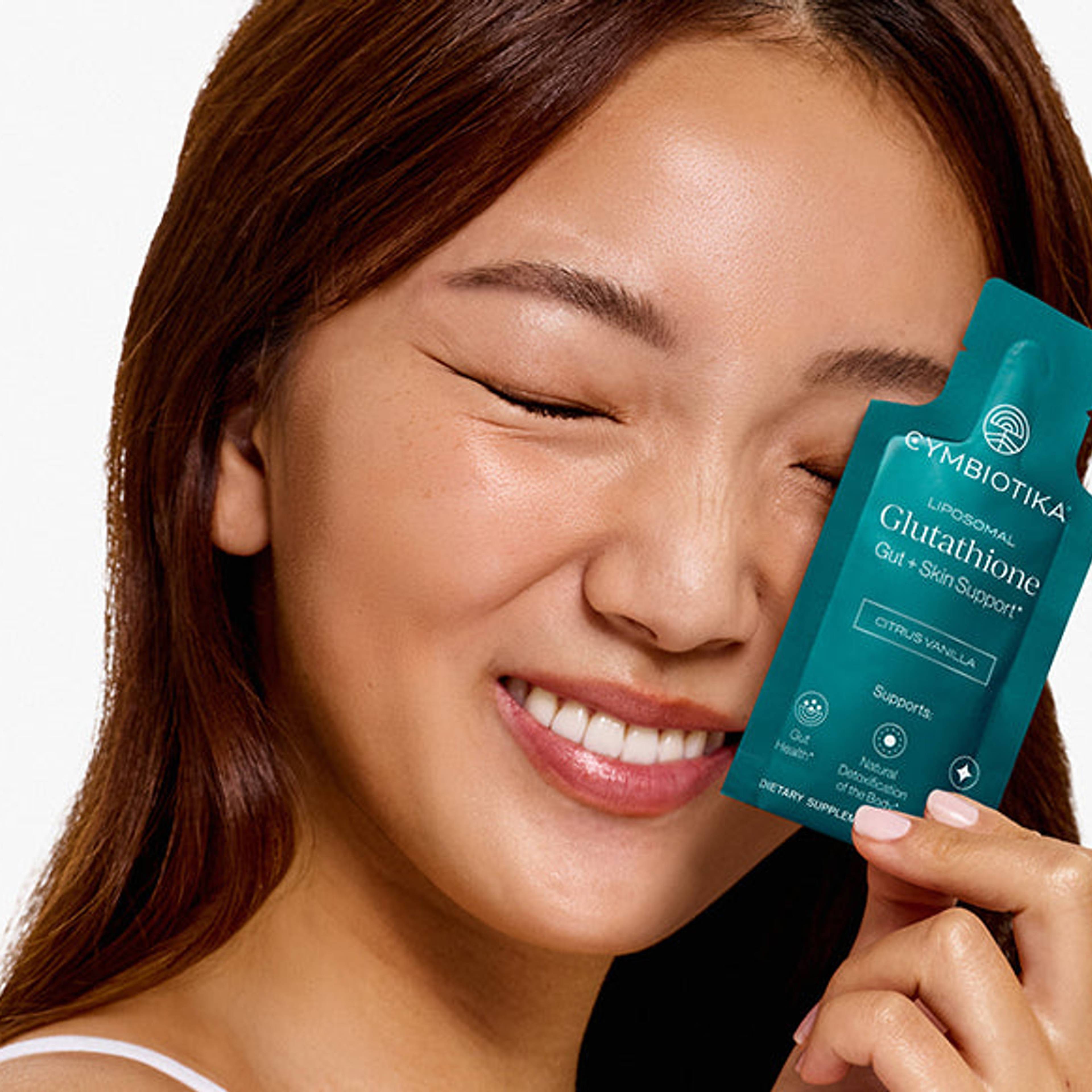
Antioxidants are the "cleanup crew" for the body. Glutathione is often called the master antioxidant because it is heavily involved in liver detoxification. However, standard glutathione is notoriously difficult to absorb. Using our Liposomal Glutathione ensures that this critical molecule actually reaches your cells.
Step 3: Support Digestion
As you add more whole foods and plant-based fiber, your digestion may need a hand. A high-quality probiotic or digestive support can help your microbiome adapt to the new diet without excessive bloating. If you’re looking for a broader wellness path, the Immunity supplements collection can also complement a healthy routine.
Step 4: Listen to Your Body
If you feel exhausted, your body may be asking for more rest or more clean calories. Healthy eating shouldn't feel like a punishment. Results vary, and what works for one person may not work for another. It is always wise to consult with a healthcare professional before making major dietary shifts, especially if you are taking medication.
The Timeline of a Healthy Transition
What should you expect when you change your diet? While everyone is different, most people follow a similar trajectory.
- Days 1–3: You may feel motivated but might experience mild headaches or cravings as you step away from processed sugars.
- Days 4–7: This is often the hardest period. Energy may dip, and digestive changes become more apparent. This is when bioavailability and hydration are most critical.
- Weeks 2–3: Most people begin to feel a "lifting" of the fog. Energy becomes more stable throughout the day rather than spiking and crashing.
- Month 1 and Beyond: Your taste buds have likely changed. You might find that naturally sweet foods like berries taste much more intense, and your body feels more resilient.
Bottom line: The "detox" feeling is a temporary phase of physiological recalibration. By supporting your liver, gut, and hydration with bioavailable nutrients, you can move through this phase more comfortably.
Consistency Over Intensity
The mistake many people make is treating a diet change like a short-term sprint. They try to "detox" for seven days and then return to their old habits. True wellness comes from the small things you do every single day.
Instead of looking for a "miracle" cure or a "detox kit," focus on building a sustainable routine. This means choosing high-quality, whole foods most of the time and supplementing where your diet might fall short. We focus on providing the tools to make those daily habits more effective. Whether it is our Liposomal Vitamin C for immune support or our Magnesium Complex for sleep and recovery, the goal is always the same: to give your body exactly what it needs in a form it can actually use.
Building Your Personal Routine
There is no one-size-fits-all approach to wellness. Your body’s needs are as unique as your DNA. When you are asking if your body is detoxing, you are really asking if your body is adapting. To support that adaptation, you need to understand your specific gaps.
Do you struggle with energy? Do you find that your digestion is always a bit "off"? Are you looking for more mental clarity? Identifying these areas allows you to choose the right support. For many, starting with a foundational "stack" that includes minerals, a high-quality antioxidant, and gut support is the most effective way to ease the transition into healthy eating. If you’d rather begin with a broader framework, the Healthy Aging & Recovery collection can be a helpful place to browse.
Conclusion
When you start eating healthy, your body doesn't just "detox"—it begins a process of deep cellular renewal. While the initial transition can be uncomfortable due to sugar withdrawal and microbiome shifts, this phase is temporary. By reducing the burden of processed foods and providing your liver and kidneys with high-bioavailability nutrients, you empower your body to function at its peak.
At Cymbiotika, we are dedicated to helping you navigate this journey with transparency and science-backed support. We believe that when you provide the body with clean, absorbable ingredients, it has an incredible capacity to heal and thrive. Our mission is to give you the tools and the education to take control of your health.
- Focus on hydration with added minerals to support cellular waste removal.
- Use liposomal supplements to ensure your body actually absorbs the nutrients you take.
- Be patient with yourself—biological recalibration takes time.
- Listen to your body and adjust your routine as your needs evolve.
Key Takeaway: Success in wellness isn't about a one-time "cleanse"—it's about the consistent application of high-quality nutrition and the right supplemental support.
If you aren't sure where to begin your journey, we recommend taking the Health Quiz. It is designed to help you identify your specific wellness goals and provide a personalized recommendation for a routine you can trust.
FAQ
Why do I get headaches when I start eating healthy?
Headaches are often caused by the body withdrawing from stimulants like caffeine or the high amounts of refined sugar found in processed foods. They can also result from dehydration as your body sheds excess water weight. Ensuring you are consuming enough electrolytes and staying hydrated can help mitigate this.
How long does the "detox" feeling last?
For most people, the most intense transition symptoms last between three and seven days. However, your body may continue to recalibrate for several weeks as your gut microbiome shifts and your metabolism adjusts to new fuel sources. Consistency is the key to moving through this phase.
Can supplements help with the transition to a healthy diet?
Yes, high-quality supplements can support the organs responsible for detoxification, like the liver and kidneys. Using bioavailable forms of glutathione, vitamin C, and trace minerals ensures your cells have the resources they need to process metabolic waste more efficiently. If you want a simple place to begin, the Sleep Supplements collection is also worth exploring when recovery and rest are part of the picture.
Is it normal to feel tired when changing my diet?
It is very common to feel a temporary dip in energy as your body switches from burning quick-fix sugars to more stable fuel sources like healthy fats and complex carbohydrates. This "energy gap" is often a sign that your body is learning to be more metabolically flexible. Supporting your mitochondria with nutrients like CoQ10 or Pürblack Pure Mineral Shilajit can help bridge this gap.
*These statements have not been evaluated by the Food and Drug Administration. This product is not intended to diagnose, treat, cure, or prevent any disease.