Introduction
The quest for a radiant, even-toned complexion often leads health-conscious individuals to glutathione. Known as the master antioxidant, this molecule is essential for cellular health and serves as a cornerstone for those looking to support their skin from the inside out. At Cymbiotika, we believe that understanding the science behind your supplements is the first step toward achieving your wellness goals. This post covers the different forms of glutathione, how they impact skin tone, and why the delivery method is more important than the dosage.
You may have tried various creams or standard capsules only to find that your skin remains the same. This is a common point of friction because not all supplements are created equal, especially when it comes to how the body processes them. Understanding which glutathione is best for skin whitening—or more accurately, skin brightening and evening—requires looking closely at bioavailability, and our Liposomal Delivery guide explains why that matters. The most effective glutathione for your skin is the one that actually reaches your cells in a functional state.
Quick Answer: The best glutathione for skin brightening is a liposomal formulation. This delivery method protects the antioxidant from being destroyed in the digestive tract, ensuring higher absorption and better support for an even complexion.
The Science of Skin Tone and Melanin
To understand how glutathione works, we must first look at how the body produces skin pigment. Skin color is determined by melanin, a pigment produced by cells called melanocytes. There are two primary types of melanin in our skin: eumelanin, which is responsible for darker brown and black tones, and pheomelanin, which results in yellow and red tones.
The ratio of these two pigments dictates your overall complexion and how your skin reacts to environmental stressors. Melanin production is triggered by an enzyme called tyrosinase. When this enzyme is highly active, the body produces more eumelanin, which can lead to dark spots or an uneven skin tone.
Glutathione may support a brighter complexion by influencing this pathway. It is designed to inhibit tyrosinase activity, which can shift the balance of melanin production toward pheomelanin. This shift often results in a more luminous and even skin tone over time. However, this process is gradual and relies on consistent, high-quality supplementation.
Why Bioavailability is the Deciding Factor
Most people assume that a higher milligram count on a supplement bottle translates to better results. When it comes to glutathione, this is a common misconception. Glutathione is a fragile tripeptide composed of three amino acids: cysteine, glutamine, and glycine. Standard oral glutathione supplements are often broken down by stomach acid and enzymes before they can be absorbed.
This lack of bioavailability—the degree to which a substance becomes available to the target tissue—is why many people fail to see results from traditional pills or powders. If your body cannot absorb the nutrient, it cannot use it to support your skin. This is the primary reason why we emphasize the importance of formulation quality over raw dosage.
Standard Capsules vs. Liposomal Delivery
Standard capsules rely on the digestive system to break down the pill and release the ingredients into the small intestine. For many nutrients, this works well. For glutathione, the harsh environment of the stomach often dismantles the molecule, leaving only individual amino acids that do not provide the same targeted benefits.
Liposomal delivery is a sophisticated technology designed to solve this problem. It involves encapsulating the glutathione in tiny spheres of lipids (fats) called phospholipids. These phospholipids form a bilayer, which is the same structure as human cell membranes. This "protective envelope" shields the glutathione as it travels through the digestive tract, which is why Liposomal Glutathione is such a popular option.
Key Takeaway: Bioavailability determines effectiveness. A lower dose of highly absorbable liposomal glutathione is often more effective for skin health than a high dose of a standard, poorly absorbed capsule.
Comparing Different Forms of Glutathione
When searching for the best glutathione for skin whitening, you will likely encounter several formats. Each has its own set of pros and cons, but they differ significantly in terms of convenience, cost, and absorption. If you want a broader look at related formulas, the Healthy Aging & Recovery collection is a good place to start.
1. Standard Oral Supplements
These are the most common and affordable options. They usually come in tablet or capsule form. While they are convenient, their effectiveness is limited by the digestive breakdown mentioned earlier. Many users find they have to take very high doses for a long period to see even minor changes in skin clarity.
2. Intravenous (IV) Injections
IV therapy delivers glutathione directly into the bloodstream, bypassing the digestive system entirely. This results in 100% bioavailability. While effective, it is expensive, invasive, and requires regular visits to a clinic. It is not a sustainable daily routine for most people.
3. Topical Creams
Some skincare products include glutathione in their topical formulas. While this may provide localized antioxidant support, glutathione is a large molecule that does not easily penetrate the deeper layers of the skin where melanin is produced. Topicals are best used as a secondary support rather than a primary source.
4. Liposomal Glutathione
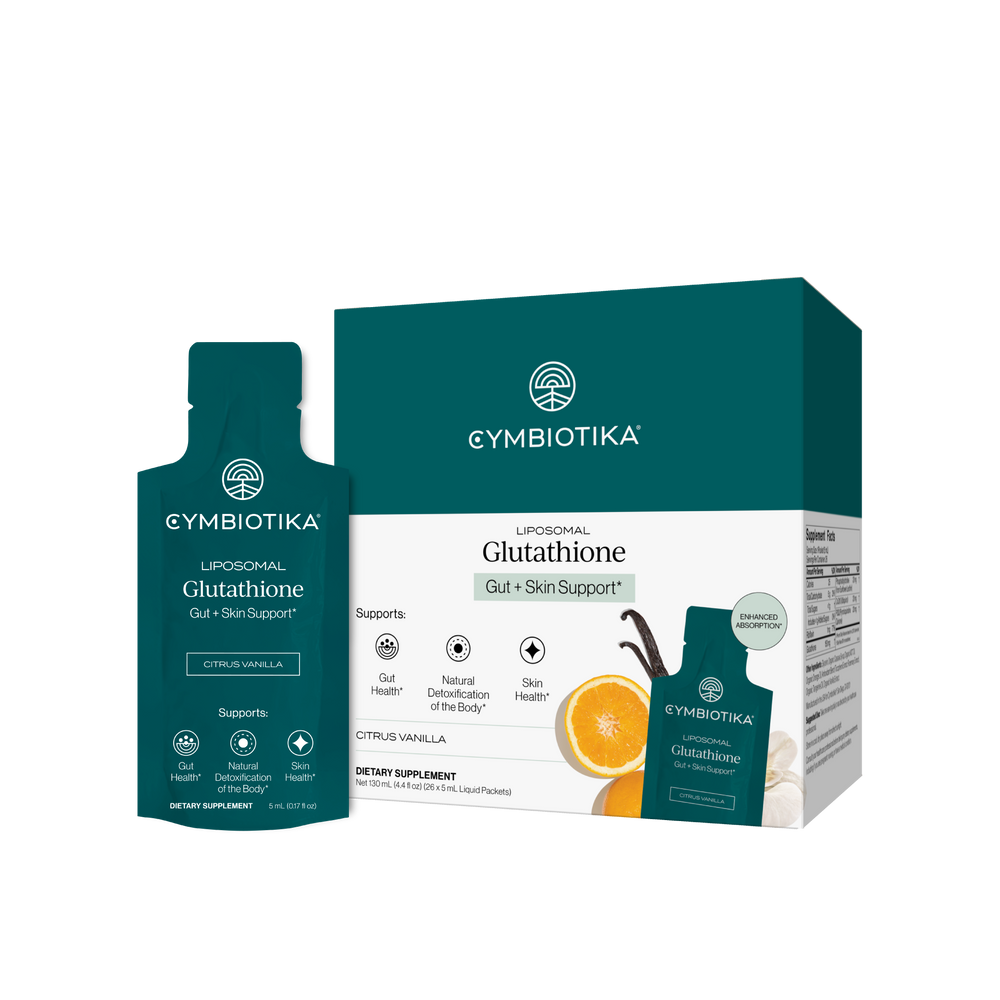
This format offers the benefits of high absorption without the needles or high costs of IV therapy. It is designed to be taken daily, providing a consistent supply of the antioxidant to the body. Our Liposomal Glutathione uses a phospholipid shell to support absorption at the cellular level, making it a practical and effective choice for daily skin support.
| Feature | Standard Capsules | IV Injections | Liposomal Liquids |
|---|---|---|---|
| Bioavailability | Low | Very High | High |
| Convenience | High | Low | High |
| Daily Routine | Easy | Difficult | Easy |
| Cellular Delivery | Limited | Direct | Enhanced |
The Role of the "Master Antioxidant" Beyond Skin
While many seek glutathione for its skin-brightening potential, its role in the body is much broader. As the master antioxidant, it is responsible for neutralizing free radicals. Free radicals are unstable molecules caused by pollution, UV rays, and poor diet that damage cells and accelerate the visible signs of aging.
Oxidative stress is a major contributor to dull skin and fine lines. By scavenging these free radicals, glutathione helps protect the skin's structural integrity. This is why many people notice not just a change in tone, but also an improvement in skin texture and "glow." For a deeper dive into how it supports the body, see Understanding How Glutathione Works in Our Body.
Furthermore, glutathione plays a critical role in liver health. The liver is the body's primary filtration system. When the liver is functioning optimally, it can effectively remove toxins that might otherwise manifest as skin issues. Supporting the liver-skin axis is a vital part of any comprehensive beauty routine.
Synergistic Ingredients for Enhanced Results
Glutathione does not work in a vacuum. To maximize the benefits for your skin, it is helpful to pair it with other nutrients that support its production and recycling within the body.
- Vitamin C: This antioxidant works hand-in-hand with glutathione. It helps "recharge" spent glutathione molecules so they can continue fighting free radicals. Many people find that taking a liposomal Vitamin C alongside their glutathione enhances the skin-brightening effect.
- Alpha Lipoic Acid (ALA): This is another powerful antioxidant that supports the body's natural production of glutathione.
- N-Acetyl Cysteine (NAC): As a precursor to glutathione, NAC provides the body with the building blocks it needs to create its own supply.
Bottom line: A multi-nutrient approach that combines high-bioavailability glutathione with supporting antioxidants often yields the most visible results for skin tone and clarity.
How to Build a Skin-Brightening Routine
Building a routine is about more than just picking the right bottle. It is about consistency and supporting your body's natural processes. If you are starting a journey to improve your skin tone, consider the following steps.
Step 1: Choose a Liposomal Formula. Select a high-quality liquid liposomal glutathione. This ensures that your body is actually receiving the nutrient you are paying for. Avoid products with synthetic fillers or artificial flavors.
Step 2: Establish Consistent Timing. Many people find it helpful to take their glutathione on an empty stomach, either first thing in the morning or before bed. This may support better absorption. Consistency is the most important factor; the skin's renewal cycle takes about 28 to 40 days, so you should expect to wait at least a month to see changes.
Step 3: Hydrate and Protect. Glutathione helps the body process toxins, so drinking plenty of water is essential. Additionally, because glutathione shifts melanin production, your skin may become slightly more sensitive to the sun. Always wear a high-quality sunscreen to protect your progress.
Step 4: Monitor Your Results. Take a "before" photo in natural lighting. Check in again after 30, 60, and 90 days. This helps you track subtle changes that you might miss when looking in the mirror every day.
Addressing Common Misconceptions
There are many myths surrounding glutathione and skin whitening that can lead to frustration. It is important to set realistic expectations.
Myth: Glutathione works instantly to change skin color. Fact: Glutathione is a nutritional support, not a bleach. It works from the inside out by influencing biological pathways. Visible changes in skin tone typically take several weeks or months of consistent use.
Myth: All glutathione supplements are the same. Fact: As we have discussed, delivery matters. A standard capsule may provide very little actual glutathione to your cells compared to a liposomal liquid.
Myth: You only need glutathione for bright skin. Fact: Skin health is holistic. Diet, sleep, hydration, and sun protection all play a role. Supplements are designed to enhance a healthy lifestyle, not replace it.
Quality Standards: What to Look For
Not all supplements are transparent about their sourcing or manufacturing. When choosing the best glutathione for your routine, look for brands that prioritize purity.
- Third-Party Testing: Ensure the product has been tested for potency and purity. This protects you from contaminants like heavy metals or mold.
- Non-GMO Ingredients: Choose formulas that use clean, traceable ingredients.
- Phospholipid Quality: The liposomes should be made from high-quality, non-GMO sunflower or soy-based phospholipids (Cymbiotika uses non-GMO sunflower oil).
For a closer look at the technology behind the format, explore Ask Dr. Shilpa: Liposomes 101. At Cymbiotika, we are dedicated to transparency. We believe you should know exactly what you are putting into your body. Our formulations are designed with the highest standards of bioavailability because we want your routine to actually work for you.
The Role of Lifestyle in Skin Radiance
While a high-quality supplement can be a powerful tool, it works best when your lifestyle supports cellular health. If you are struggling with dullness or uneven tone, consider how these factors might be impacting your results:
- Sleep Quality: Your skin does most of its repair work while you sleep. Lack of rest increases cortisol, which can lead to inflammation and skin issues.
- Environmental Toxins: Exposure to smoke and heavy pollution can deplete your natural glutathione levels faster.
- Dietary Support: Eating sulfur-rich foods like garlic, onions, and cruciferous vegetables (broccoli, kale) provides the precursors your body needs to manufacture its own glutathione.
By combining these healthy habits with a bioavailable supplement, you create an environment where your skin can thrive. Our mission is to empower you with the tools and education needed to take control of your health journey.
Conclusion
Finding the best glutathione for skin whitening is ultimately a search for the best delivery method. While many products make bold claims, the science consistently points toward liposomal delivery as the gold standard for oral supplementation. By protecting the glutathione molecule and ensuring it reaches the cellular level, liposomal formulas provide the consistent support necessary for a brighter, more even complexion.
Key Takeaway: Real wellness starts with trust and transparency. Choosing a bioavailable, third-party-tested formula ensures you are investing in your health rather than just buying a product.
Cymbiotika is here to help you navigate the world of supplementation with clean, science-backed formulas. We focus on bioavailability because we know that the best supplement is the one your body can actually use. If you are ready to build a routine tailored to your specific needs, we recommend taking the first step by discovering what your body truly requires.
What to do next:
- Assess your current skin health goals.
- Switch to a liposomal delivery system for better absorption.
- Take our Health Quiz to receive a personalized supplement recommendation based on your unique lifestyle and health needs.
FAQ
Is it safe to take glutathione every day?
For most healthy adults, daily supplementation with glutathione is considered safe and is often necessary to maintain consistent levels in the body. However, results vary from person to person, and it is always a good idea to consult with your healthcare provider before starting a new supplement routine, especially if you have an underlying condition.
How long does it take to see results for skin tone?
Visible changes in skin tone and clarity typically require consistent use for at least 30 to 90 days. This timeline aligns with the natural turnover rate of skin cells and the time needed to influence melanin production pathways.
Can I take glutathione with Vitamin C?
Yes, taking glutathione with Vitamin C is often recommended because they work synergistically. Vitamin C helps recycle glutathione in the body, which may enhance its antioxidant effects and support a more radiant complexion.
What is the advantage of liposomal glutathione over pills?
The primary advantage of liposomal glutathione is its significantly higher absorption rate. While pills are often destroyed by the digestive system, liposomal formulas use a phospholipid bilayer to protect the glutathione and deliver it directly to the cells.