Introduction
Finding the right supplement is only half the battle. Once you have a high-quality formula in your hands, the next logical question is how to use it for maximum impact. Glutathione is often called the body’s "master antioxidant" because it exists in almost every cell. It plays a critical role in supporting liver function, skin health, and cellular defense.
At Cymbiotika, we focus on the intersection of timing and technology. Many people take supplements at random times throughout the day. However, your body’s internal clock and digestive state can change how well you utilize these nutrients. If you want to get the most out of your routine, understanding the "when" is just as important as the "what."
This post will cover the ideal windows for taking glutathione, whether you should take it with food, and how to build a routine that lasts. We will also explore why the delivery method is the most important factor in seeing real results. Ultimately, the best time to take glutathione depends on your personal health goals and your body’s unique rhythm.
Quick Answer: For most people, the best time to take glutathione is in the morning on an empty stomach, at least 30 minutes before eating. This timing helps maximize absorption and provides antioxidant support for the day ahead.
Understanding the Master Antioxidant
Before we dive into the clock, we need to understand what we are timing. Glutathione is a tripeptide. This means it is made of three amino acids: cysteine, glutamate, and glycine. Your body produces it naturally, but levels can fluctuate based on age, environmental stress, and diet. For more background, explore this glutathione ingredient guide.
Its primary job is to neutralize free radicals. These are unstable molecules that can cause cellular damage. Glutathione also helps the liver process toxins and supports the immune system. Because it is involved in so many processes, the "best" time to take it can change depending on what you want to achieve.
Most standard glutathione supplements have a major flaw. The molecule is very fragile. When you swallow a standard pill, your stomach acid often breaks it down before it can reach your bloodstream. This is where bioavailability—the measure of how much of a substance actually enters your circulation—becomes the most important part of the conversation. You can also learn more about how glutathione absorption works.
The Case for Morning Supplementation
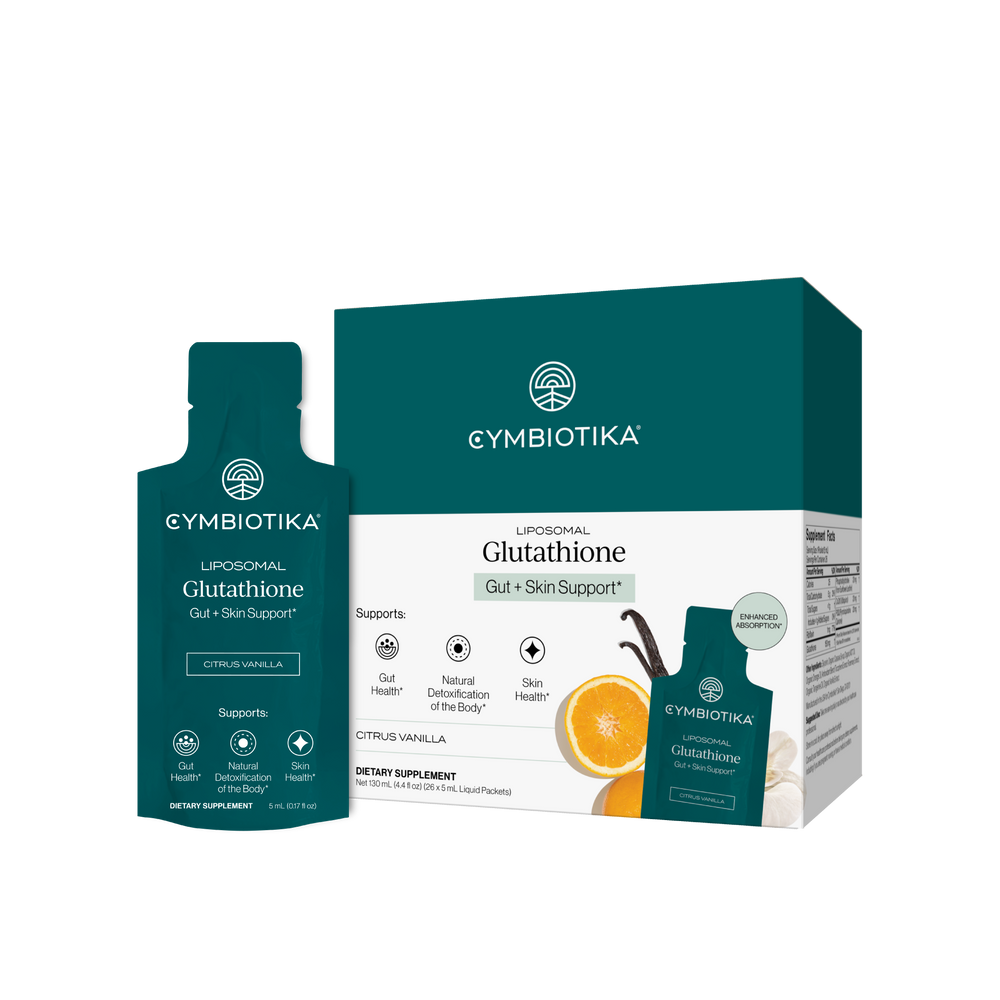
For the majority of people, the morning is the optimal time for glutathione. Taking it shortly after you wake up allows the nutrient to enter your system before your body is busy digesting a heavy meal. A Liposomal Glutathione formula can fit easily into this type of morning routine.
When you take glutathione in the morning, you are essentially "priming" your internal defenses. Throughout the day, your body faces various environmental stressors. These include UV rays from the sun, pollutants in the air, and even the metabolic byproducts of your morning coffee or breakfast. Having an antioxidant boost early in the day can help your cells manage this oxidative stress.
Benefits of a Fasted State
Taking glutathione on an empty stomach is a common recommendation for traditional oral forms. This reduces competition. When your stomach is full, your digestive enzymes are focused on breaking down proteins, fats, and carbohydrates. This busy environment can further degrade the glutathione molecule.
Why the morning works:
- Absorption: Fewer obstacles in the digestive tract.
- Protection: Provides cellular support before daily stress begins.
- Routine: It is often easier to remember a supplement that is part of your wake-up ritual.
Should You Take Glutathione at Night?
While the morning is popular, there is a strong argument for evening use. Your body does its most intense repair work while you sleep. During the deep stages of sleep, your brain and liver are busy with "housekeeping" tasks. They are clearing out waste and repairing cellular damage from the day.
Some people find that taking glutathione before bed supports this natural recovery cycle. If your primary goal is supporting the liver or waking up feeling more refreshed, an evening dose might suit you better.
Key Takeaway: Morning doses are generally best for daytime protection and skin support, while evening doses may better support the body’s natural overnight repair and detoxification processes.
Morning vs. Night: A Quick Comparison
Choosing the right time depends on your lifestyle. If you practice intermittent fasting, for example, your window might be different than someone who eats an early breakfast.
| Goal | Recommended Timing | Why? |
|---|---|---|
| Daily Protection | Morning (Fasted) | Neutralizes free radicals from daily environmental exposure. |
| Skin Radiance | Morning | Supports the body’s ability to handle UV stress and pollutants. |
| Liver Support | Evening | Aligns with the body's natural nighttime detoxification cycle. |
| Exercise Recovery | Post-Workout | Helps manage the oxidative stress caused by intense physical activity. |
| Digestive Comfort | With a Light Snack | Best for those with very sensitive stomachs who find fasting difficult. |
The Bioavailability Factor: Why Timing Isn't Everything
You can time your supplement perfectly, but if the formula is poor, the timing won't matter. This is the most common mistake in wellness routines. Many people buy standard L-glutathione capsules and take them at the "perfect" time, only to see no change in how they feel.
As we mentioned, glutathione is easily destroyed by the gut. To solve this, we use liposomal delivery. A liposome is a tiny, spherical bubble made of phospholipids—the same material that makes up your cell membranes.
When glutathione is "wrapped" in a liposome, it is protected from the harsh environment of your stomach. It can travel through the digestive system and be absorbed directly into the bloodstream. This significantly increases bioavailability. Because our Liposomal Glutathione is designed for high absorption, the "empty stomach" rule is less rigid, though still a good practice for many.
Myth: All glutathione supplements are absorbed the same way by the body. Fact: Standard capsules are often broken down in the stomach. Liposomal delivery protects the glutathione, allowing it to reach the cells effectively.
How to Pair Glutathione with Other Nutrients
Glutathione does not work in a vacuum. It works in a collaborative network with other antioxidants. When you take it alongside certain nutrients, you may help the glutathione stay active in your body for longer. For a deeper look at this pairing, read about mixing vitamin C and glutathione.
The Role of Vitamin C
Vitamin C and glutathione have a unique relationship. Vitamin C helps "recharge" glutathione. Once a glutathione molecule neutralizes a free radical, it becomes inactive. Vitamin C can help convert it back into its active form. This allows your body to reuse the same molecules more efficiently. Our Liposomal Vitamin C is a great addition to a morning routine for this reason.
The Importance of Selenium and NAC
Selenium is a mineral that acts as a cofactor for glutathione peroxidase, an enzyme that helps glutathione do its job. Similarly, N-acetyl cysteine (NAC) is a precursor. Your body uses NAC to build its own glutathione. Taking these together can provide both the finished product and the raw materials your body needs.
Supporting the Liver
Since the liver is the primary site for glutathione activity, supporting liver health overall can make your supplement more effective. Ingredients like milk thistle and alpha-lipoic acid work well alongside a glutathione routine. Our Liver Health+ formula is designed with these pathways in mind.
Building a Consistent Routine
Consistency is the secret to any supplement's success. Your body does not replenish its glutathione stores overnight. It takes time to build up the levels in your tissues. Most people find that they begin to notice the subtle benefits of a routine after 4 to 12 weeks of daily use.
Step 1: Pick Your Window
Choose either the morning (30 minutes before breakfast) or the evening (right before bed). Stick to this same time every day to help your body adapt.
Step 2: Ensure Proper Delivery
Check your label. If you are not using a liposomal or sublingual format, your body may only be absorbing a small fraction of the dose.
Step 3: Support Your Lifestyle
A supplement cannot outpace a poor lifestyle. To get the best results, try to reduce alcohol consumption and processed foods. These things deplete your natural glutathione stores quickly.
Step 4: Track Your Progress
Keep a simple journal. Note your energy levels, skin clarity, and general wellness. Since the changes are often gradual, tracking them helps you see the long-term value.
Potential Challenges and Considerations
While glutathione is generally well-tolerated, everyone's body is different. Some people find that taking any supplement on a completely empty stomach causes slight nausea. If this happens to you, do not stop taking it. Instead, try taking it with a small amount of healthy fat, like a few slices of avocado or a handful of walnuts.
Because liposomal formulas are lipid-based (made of healthy fats), they often sit more comfortably in the stomach than a hard compressed tablet.
Important Considerations:
- Consult a Professional: If you are pregnant, nursing, or taking specific medications for chronic conditions, always speak with your healthcare provider first.
- Dosage Variance: Results vary based on your starting levels. Someone with a high toxic load or high stress may need a different approach than someone looking for general wellness.
- Zinc Levels: Some studies suggest that very high, long-term doses of glutathione might affect zinc levels. It is always a good idea to maintain a balanced mineral intake.
Why Quality Matters at Cymbiotika
At Cymbiotika, we believe wellness starts with trust. We don't use unnecessary fillers, synthetic binders, or hidden ingredients. We know that the most expensive supplement is the one that doesn't work. That is why we prioritize bioavailability above all else.
Our Liposomal Glutathione is formulated to bypass the digestive hurdles that stop other supplements in their tracks. We use high-quality, non-GMO phospholipids to ensure that the "master antioxidant" actually makes it to your cells. We want to empower you to take control of your health with tools that are backed by science and designed for real life. Explore the Healthy Aging collection for related wellness support.
Bottom line: While timing is a helpful tool for optimization, the quality and delivery method of your glutathione supplement are the most critical factors for achieving your wellness goals.
Conclusion
The best time to take glutathione for most people is in the morning on an empty stomach. This provides a clean slate for absorption and prepares your body for the day's oxidative challenges. However, if your focus is on deep recovery, an evening dose can be just as beneficial. The most important thing is to choose a high-quality, liposomal formula that your body can actually use.
Building a routine should feel empowering, not complicated. Start with a consistent time, support your body with a clean diet, and give the process time to work.
"Consistency in your daily habits creates the foundation for long-term vitality. By choosing a bioavailable formula and sticking to a routine, you are giving your cells the support they deserve."
If you are ready to find the perfect supplements for your specific needs, we recommend taking our Health Quiz. It is a simple way to get personalized guidance based on your lifestyle and wellness goals.
FAQ
Should I take glutathione on an empty stomach?
For standard oral supplements, taking them on an empty stomach is usually recommended to improve absorption. However, with liposomal glutathione, the delivery system is much more efficient, so you have more flexibility. Many people still prefer the morning, 30 minutes before breakfast, to ensure there is no competition from other foods.
Can I take glutathione every day?
Yes, glutathione is commonly used as a daily supplement. Because your body uses and depletes its antioxidant stores constantly, consistent daily intake helps maintain optimal levels in your cells. Most people see the best results after several weeks of uninterrupted use.
How long does it take for glutathione to work?
Results vary depending on the individual, but many people begin to notice changes in energy or skin vibrancy within 4 to 8 weeks. For deep cellular support and liver health, it may take 3 to 6 months of consistent use to fully replete the body's stores.
Is it better to take glutathione in the morning or at night for skin results?
Most people prefer the morning for skin-related goals. This provides your cells with antioxidant support during the day when you are most likely to be exposed to UV rays and environmental pollutants. However, since the skin also undergoes repair at night, some people choose to split their dose between morning and evening. For additional immune-focused support, explore the Immunity collection.