Introduction
If you have spent time researching cellular health or detoxification, you have likely come across the term "master antioxidant." This title belongs to glutathione, a powerful molecule produced naturally within our cells. However, when you start looking for ways to support your levels through supplementation, the terminology can quickly become confusing. You might see labels for glutathione, L-glutathione, or reduced glutathione, leading many to wonder if these are different nutrients or simply different names for the same thing.
At Cymbiotika, we believe that understanding the nuances of your supplements is the first step toward building a routine that actually works. Most people want to know which form is the most effective and, more importantly, which one the body can truly use. This guide will clarify the technical differences between these terms and explain why the delivery method is often more important than the name on the label. If you want a deeper look at that delivery system, our guide to Liposomal Delivery is a helpful place to start.
We will explore the biological roles of this molecule, the chemistry behind "reduced" versus "oxidized" states, and how bioavailability determines the success of your wellness routine. By the end of this article, you will understand exactly what to look for when choosing a supplement to support your long-term vitality.
What is Glutathione?
Glutathione is a small protein molecule known as a tripeptide, composed of three specific amino acids: cysteine, glycine, and glutamic acid. While many antioxidants come from the fruits and vegetables we eat, our bodies produce glutathione internally, primarily in the liver. It is found in virtually every cell of the human body, acting as a primary line of defense against oxidative stress.
The "master antioxidant" title is well-earned because glutathione does more than just neutralize free radicals. Free radicals are unstable molecules that can damage cellular structures like DNA and proteins. Glutathione not only neutralizes these directly but also has the unique ability to "recycle" other essential antioxidants. When Vitamin C or Vitamin E becomes "spent" after fighting a free radical, glutathione can donate an electron to bring them back to their active state. If you are already thinking about pairing support, our Liposomal Vitamin C is a natural match for this conversation.
Beyond its role as an antioxidant, this molecule is a cornerstone of the body's detoxification system. It acts as a chemical "chaperone" that binds to toxins, heavy metals, and metabolic waste, making them water-soluble so the body can flush them out through the kidneys or bile. Without sufficient levels, the body's ability to clear environmental pollutants and internal waste is significantly hampered.
Quick Answer: Glutathione is the general name for the master antioxidant, while "reduced glutathione" refers specifically to the active, stable form that is ready to neutralize free radicals. Most high-quality supplements use the reduced form (GSH) because it is the only state in which the molecule can perform its antioxidant duties.
Understanding the Forms: Reduced vs. Oxidized
To understand the difference between glutathione and reduced glutathione, we have to look at the molecule's "redox" state. In biology, molecules exist in a constant cycle of gaining and losing electrons. Glutathione exists in two primary states: the reduced form (GSH) and the oxidized form (GSSG).
Reduced glutathione (GSH) is the active version of the molecule that is "charged" and ready for work. In this state, the molecule has an extra electron available to donate to a free radical. Once the glutathione molecule donates that electron, it becomes oxidized. It is no longer an antioxidant; it is essentially "spent."
Oxidized glutathione (GSSG) occurs when two spent glutathione molecules bind together for stability. In a healthy body, an enzyme called glutathione reductase uses a specific co-factor (NADPH) to turn that spent GSSG back into the active GSH form. This recycling process is vital for maintaining cellular health.
Key Takeaway: The ratio of reduced to oxidized glutathione in your cells is a primary indicator of cellular health. In a well-functioning system, about 90% or more of your glutathione should be in the "reduced" active state.
Is There a Difference Between L-Glutathione and Reduced Glutathione?
When you see "L-Glutathione" on a supplement label, it refers to the stereochemistry or the specific shape of the molecule. The "L" stands for the "left-handed" orientation of the amino acids that make up the peptide. In the world of supplements, L-Glutathione and Reduced Glutathione are almost always used interchangeably.
Most commercial supplements are formulated as L-Glutathione in its reduced state. This means you are getting the active form that matches the version your body produces naturally. If a label simply says "Glutathione," it is usually referring to this same reduced form, though the lack of specificity can sometimes be a red flag regarding the quality of the brand's transparency.
There is no functional difference between a high-quality L-Glutathione supplement and a Reduced Glutathione supplement. Both are aiming to provide the body with the "charged" version of the master antioxidant. The real question isn't about the name of the form; it is about whether that form can survive the journey through your digestive system. For a closer look at the formulation behind ours, see Liposomal Glutathione.
The Bioavailability Barrier: Why Format Matters
The most significant challenge with any glutathione supplement is its low oral bioavailability. Bioavailability refers to the proportion of a nutrient that enters the circulation when introduced into the body and is so able to have an active effect. Standard glutathione capsules and tablets are notorious for being poorly absorbed.
Because glutathione is a tripeptide (a small protein), the digestive system often treats it like food. When you swallow a standard capsule, the harsh acids in your stomach and the enzymes in your gut can break the glutathione down into its individual amino acids—cysteine, glycine, and glutamate—before it ever reaches your bloodstream. While your body can use those amino acids to build its own glutathione, it is a much slower and less efficient process than delivering the whole molecule directly to the cells.
Liposomal delivery is designed to solve this absorption problem. A liposome is a tiny, microscopic bubble made of phospholipids, the same material that makes up your own cell membranes. By encapsulating the reduced glutathione inside these phospholipids, we protect the nutrient from the destructive environment of the digestive tract.
This phospholipid bilayer allows the glutathione to pass through the intestinal wall and into the bloodstream intact. Once in the blood, these liposomes can fuse directly with your cells, delivering the master antioxidant where it is needed most. Our approach at us focuses on this advanced delivery method to ensure that what you see on the label is actually what your body receives.
Myth: All glutathione supplements are the same as long as the milligram count is high.
Fact: Standard glutathione is easily destroyed by digestion. The delivery method (like liposomal) is more important for raising blood levels than the total dose in a standard capsule. If you want the science behind that format, Ask Dr. Shilpa: Liposomes 101 breaks it down clearly.
Benefits of Maintaining Optimal Reduced Glutathione Levels
Maintaining a healthy pool of reduced glutathione may support your body’s ability to handle the "toxic load" of modern life. We are constantly exposed to environmental pollutants, processed foods, and everyday stress. These factors create oxidative stress, which can deplete your glutathione stores faster than your body can replenish them.
Support for Liver Health and Detoxification
The liver is the body’s primary filtration system and contains the highest concentration of glutathione. It relies on this molecule for Phase 2 detoxification. During this phase, the liver attaches glutathione to toxins, making them easier to eliminate. Supporting this pathway can help you feel more energized and clear-headed by assisting the body in its natural "housekeeping" duties.
Immune System Coordination
Immune cells, such as T-cells and Natural Killer (NK) cells, require glutathione to function and multiply correctly. When your body faces a challenge, your immune cells undergo a burst of activity that creates oxidative byproducts. Without enough reduced glutathione to neutralize these byproducts, the immune cells can become sluggish. For broader immune support options, browse our Immunity Supplements.
Mitochondrial Health and Energy
Mitochondria are the "power plants" of your cells, responsible for creating ATP, the body's primary energy currency. The process of creating energy also produces free radicals as a byproduct. Glutathione acts as the primary shield for the mitochondria, preventing these free radicals from damaging the power plants. When your mitochondria are protected, you may notice more consistent energy levels throughout the day.
Skin Health and Healthy Ageing
Glutathione is often discussed in the context of skin health because of its role in neutralizing the damage caused by UV exposure and pollution. It also plays a role in the pathway that produces melanin. By supporting cellular health from the inside out, many people find that maintaining optimal glutathione levels contributes to a brighter, more even skin tone and supports the body’s natural ageing process. For a wider look at formulas in this category, explore our Healthy Aging Supplements.
Why Glutathione Levels Decline
Even though our bodies produce this master antioxidant, several factors can cause our internal production to drop. Ageing is the most common factor; after the age of 20, our natural production of glutathione begins to decline by about 1% to 2% every year. By the time we reach our 40s and 50s, many of us are operating with significantly lower levels than we had in our youth.
Lifestyle choices and environmental factors also play a major role in depletion. Chronic stress, lack of sleep, and a diet high in processed sugars can all tax the body’s antioxidant stores. Furthermore, exposure to heavy metals, pesticides, and common household chemicals forces the liver to use up its glutathione "savings" to keep the body safe.
When your body uses up its reduced glutathione faster than it can recycle it, you enter a state of oxidative stress. This isn't something you can feel as a specific sharp pain, but it often manifests as general fatigue, brain fog, and a slower recovery time after physical exertion. This is why many people choose to supplement, especially during times of high stress or as they get older.
How to Support Your Body’s Master Antioxidant
While supplementation is a powerful tool, it should be part of a broader lifestyle strategy. You can support your body’s natural production of glutathione by providing it with the raw materials it needs and reducing the "drain" on its existing stores.
- Eat Sulfur-Rich Foods: The amino acid cysteine contains sulfur, which is a key component of the glutathione molecule. Foods like garlic, onions, and cruciferous vegetables (broccoli, kale, cauliflower) provide the sulfur your body needs for synthesis.
- Prioritize Sleep: Research suggests that glutathione levels are significantly higher in people who get consistent, high-quality sleep. Sleep is when the body focuses on repair and cellular "cleanup."
- Moderate Alcohol Consumption: Alcohol is processed by the liver and is one of the fastest ways to deplete your glutathione stores. Reducing intake can preserve your antioxidant pool for other vital functions.
- Regular Movement: Consistent, moderate exercise has been shown to boost the body’s internal antioxidant defenses, though it is important not to overtrain, as excessive physical stress can temporarily deplete your levels.
Choosing the Right Supplement for Your Routine
If you decide to add a glutathione supplement to your routine, quality and delivery are the two most important factors to consider. Many products on the market use cheap fillers or use the oxidized form of glutathione, which is essentially useless until the body "charges" it.
Look for a liposomal liquid formula. Liquid liposomal supplements generally offer the best absorption rates because the phospholipids are already in a stable, liquid state. This allows for rapid uptake through the mucosal membranes in the mouth and the lining of the small intestine.
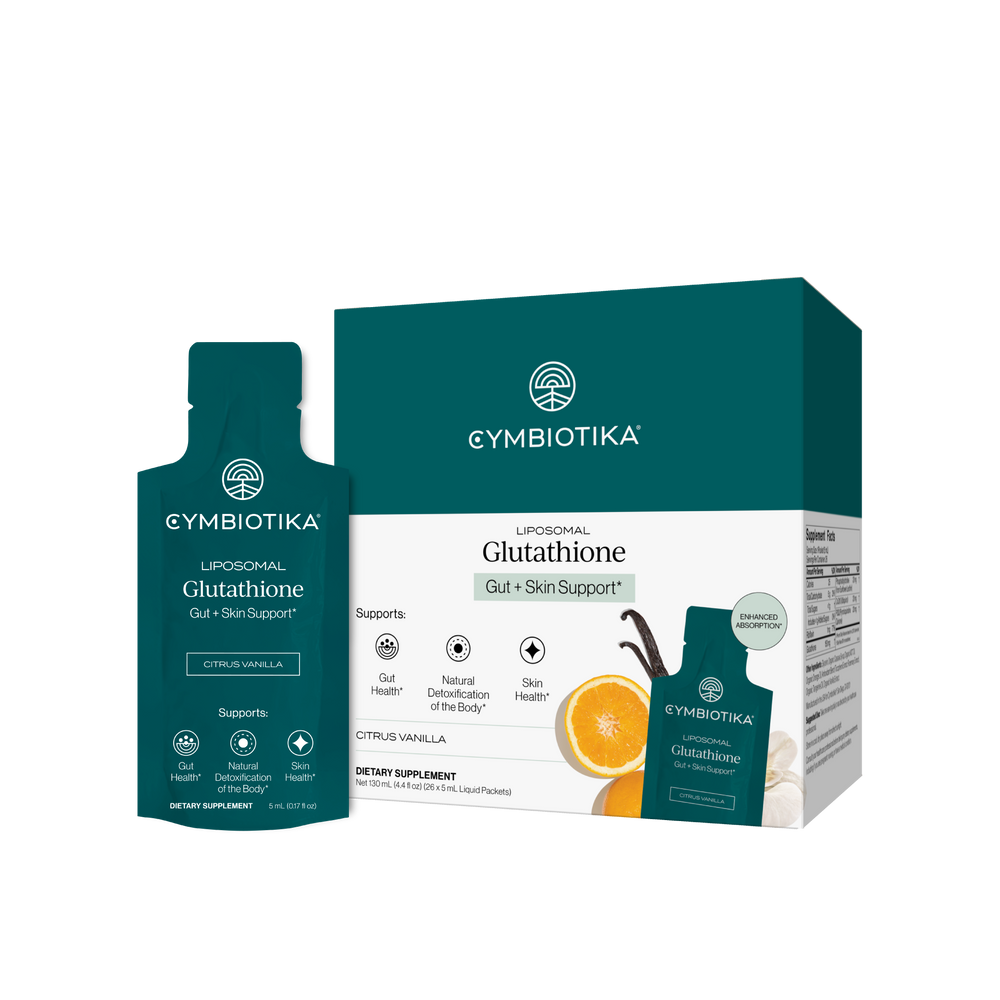
Transparency is another key pillar of trust. You should choose a brand that prioritizes third-party testing for purity and potency. At us, we ensure that our formulas are non-GMO and free from unnecessary synthetic additives. Our Liposomal Glutathione is designed with bioavailability as the top priority, using a phospholipid shell to support absorption at the cellular level.
Consistency is more important than a one-time high dose. Because your body uses and recycles glutathione every single day, it is better to take a moderate, highly-absorbable dose daily than a massive dose once a week. Building a sustainable routine helps keep your "antioxidant bank account" balanced. If you are not sure which routine fits your needs, our Health Quiz can help you narrow it down.
Bottom line: The most effective glutathione supplement is one that can actually enter your cells. Choosing a reduced form delivered via liposomes bypasses the digestive barriers that make standard pills ineffective.
Steps to Integrating Glutathione into Your Wellness Routine
If you are ready to start supporting your master antioxidant levels, following a structured approach can help you see the best results.
Step 1: Assess your lifestyle needs. / If you are under high stress, live in an urban environment with higher pollution, or are over the age of 35, your need for antioxidant support may be higher.
Step 2: Choose a high-bioavailability format. / Opt for a liposomal liquid or pouch to ensure the glutathione is protected from stomach acid and reaches your cells intact.
Step 3: Establish a consistent timing. / Many people find that taking glutathione on an empty stomach, about 15–20 minutes before a meal, allows for the best absorption.
Step 4: Monitor your energy and recovery. / Give your body at least 2 to 4 weeks of consistent use to replenish its cellular stores and observe how you feel during your daily activities.
Building a Synergistic Routine
Glutathione does not work in a vacuum; it is part of a complex network of nutrients. To get the most out of your glutathione supplement, you may want to consider other nutrients that support its recycling and function.
Selenium is a vital trace mineral that acts as a co-factor for the enzyme that allows glutathione to neutralize free radicals. Without enough selenium, your glutathione can't do its job efficiently. Foods like Brazil nuts are excellent sources of this mineral.
Vitamin C and Glutathione have a special relationship. They recycle each other. While glutathione can bring Vitamin C back to life, having plenty of Vitamin C available also helps "spare" your glutathione, allowing it to focus on more complex tasks like liver detoxification. Our Liposomal Vitamin C is often used alongside glutathione for this reason.
NAD+ precursors like NMN or Resveratrol also play a role. The process of recycling oxidized glutathione back into the reduced form requires energy and specific co-factors like NADPH. By supporting your overall cellular energy levels with our Liposomal NAD+ formula, you provide your body with the metabolic foundation it needs to keep its antioxidant cycle running smoothly.
The Cymbiotika Mission
At us, we believe that wellness starts with trust. We don't just create supplements; we design delivery systems that ensure your body can actually use the nutrients you're taking. Every formula we create is born from a commitment to transparency, high-quality sourcing, and the latest in nutritional science.
We know that navigating the world of wellness can be overwhelming. That is why we focus on education and empowerment. We want to help you understand the "why" behind your routine, whether that’s the science of liposomal delivery or the difference between various forms of a single antioxidant.
If you are unsure where to start on your journey, we recommend taking our Health Quiz. It is designed to help you identify your specific needs and build a personalized routine that fits your lifestyle. Wellness isn't about perfection; it’s about making informed choices every day that support your long-term health and vitality.
Conclusion
Understanding the difference between glutathione and reduced glutathione boils down to one simple fact: "reduced" is the form that is ready to work. While the terminology can seem complex, most high-quality supplements focus on this active state. However, the most critical factor remains bioavailability. Even the best "reduced" glutathione is of little use if it is destroyed by your stomach before it reaches your bloodstream.
By choosing advanced delivery methods like liposomes and supporting your body with a nutrient-rich lifestyle, you can help maintain the levels of this master antioxidant. Whether you are looking to support your liver, boost your immune response, or simply protect your cellular energy, glutathione is a foundational element of any wellness routine.
Key Takeaway: Don't get distracted by labels like "L-Glutathione" vs "Reduced Glutathione"—they are effectively the same. Instead, focus on how the supplement is delivered and whether the brand uses liposomal technology to ensure the molecule actually reaches your cells.
If you are ready to take the next step in your health journey, browse our All Products and build a routine centered on absorption and transparency. You have the power to influence your cellular health, and we are here to provide the tools to help you do it.
FAQ
Is L-Glutathione the same as Reduced Glutathione?
Yes, in the context of supplements, these terms are used interchangeably. L-Glutathione refers to the specific chemical shape (isomer) of the molecule, while "Reduced" refers to its active, electron-rich state that is ready to function as an antioxidant.
Why should I look for reduced glutathione instead of oxidized?
Reduced glutathione (GSH) is the only form that can actively neutralize free radicals and support detoxification. The oxidized form (GSSG) is essentially "spent" and must be recycled by the body using energy before it can become useful again.
Can I get enough glutathione from my diet?
While some foods like spinach, avocado, and asparagus contain small amounts of glutathione, the body mostly produces its own. You can support this production by eating sulfur-rich foods like garlic and broccoli, but many people find that supplementation is more effective for significantly raising cellular levels, especially as they age.
Why is liposomal glutathione better than standard capsules?
Standard oral glutathione is a protein that is often broken down by stomach acid and digestive enzymes into its individual amino acids. Liposomal delivery encapsulates the glutathione in a protective lipid layer, allowing it to bypass digestion and be absorbed directly into the bloodstream and cells.
How long does it take to see results from a glutathione supplement?
While individual results vary, many people begin to notice improvements in energy levels, mental clarity, and skin brightness within 2 to 4 weeks of consistent use. Because it works at a cellular level to replenish stores and reduce oxidative stress, the benefits often build over time as your body’s "antioxidant bank" becomes more balanced.