Introduction
You may have heard glutathione described as the "master antioxidant." It is a powerful molecule found in every cell of your body. It plays a critical role in cellular defense, immune support, and metabolic function. However, many people who start a glutathione routine feel frustrated when they do not see the results they expected. The reason is rarely the ingredient itself, but rather how the body processes it.
At Cymbiotika, we believe that a supplement is only as good as its delivery system. Standard oral supplements often face a difficult journey through the digestive tract. By the time a typical capsule reaches your small intestine, the active ingredients may be largely degraded. This article explores why absorption is the biggest hurdle for this specific antioxidant and how you can ensure your body actually uses what you take. For a broader look at the science behind absorption, explore our guide to glutathione bioavailability.
We will cover the science of bioavailability, the benefits of liposomal technology, and how to structure your daily routine for maximum impact. Understanding the best way to absorb glutathione is the first step toward supporting your long-term wellness.
Quick Answer: The best way to absorb glutathione is through liposomal delivery, which uses a protective phospholipid layer to shield the nutrient from stomach acid. This method significantly improves bioavailability compared to standard oral capsules. Other effective methods include sublingual delivery or providing the body with precursors like Vitamin C and NAC.
Understanding the Glutathione Absorption Gap
Glutathione is a tripeptide composed of three amino acids: cysteine, glutamate, and glycine. Your body produces it naturally, but levels can fluctuate due to age, environmental factors, and daily stress. When levels dip, many people turn to supplements to fill the gap.
The challenge lies in the "first-pass metabolism." This is a process where the concentration of a substance is greatly reduced before it reaches the systemic circulation. When you swallow a standard glutathione tablet, the enzymes in your stomach and liver begin breaking it down into its individual amino acids. While your body can use these pieces to rebuild glutathione, the process is inefficient.
What is Bioavailability?
Bioavailability refers to the proportion of a nutrient that enters the circulation when introduced into the body and is so able to have an active effect. If a supplement has low bioavailability, you are essentially paying for nutrients that your body never gets to use. For glutathione, bioavailability is notoriously low in traditional powder or capsule formats.
Why Digestion Destroys Glutathione
Your digestive system is designed to break down proteins into smaller peptides and amino acids. Since glutathione is a small protein, your stomach acid and digestive enzymes treat it like food. They dismantle the molecule before it can reach the bloodstream. This is why many researchers once believed that oral glutathione was ineffective. Modern delivery technology has changed that conversation entirely.
Key Takeaway: Bioavailability is the most critical factor when choosing a glutathione supplement. Without a protective delivery system, the body breaks down most oral glutathione before it can provide any cellular benefit.
Comparing Different Delivery Methods
To find the best way to absorb glutathione, we must look at the different formats available. Each method has a different level of efficiency and convenience.
Standard Oral Capsules and Powders
These are the most common and often the least expensive options. However, they suffer from the highest rate of degradation. If you choose this format, you may need much higher doses to see any measurable change in your cellular levels. This can sometimes lead to digestive discomfort and is generally not the most cost-effective choice in the long run.
Sublingual Delivery
Sublingual means "under the tongue." In this format, glutathione is absorbed through the mucous membranes in the mouth. This allows the nutrient to enter the bloodstream directly, bypassing the digestive system and the initial trip through the liver. While more effective than standard pills, sublingual formats can be difficult for some people due to the natural sulfur-like taste of glutathione.
Intravenous (IV) Therapy
IV glutathione delivery provides 100% bioavailability because it bypasses the digestive system entirely. This is often used in clinical settings for rapid support. However, it is expensive, requires a professional to administer, and is not a practical solution for daily maintenance. Most people looking for a sustainable routine prefer an option they can manage at home.
Liposomal Delivery: The Gold Standard
Liposomal delivery is widely considered the most effective oral method for absorbing glutathione. This technology wraps the glutathione molecule in a liposome, which is a tiny, microscopic bubble made of phospholipids. These are the same fats that make up your own cell membranes.
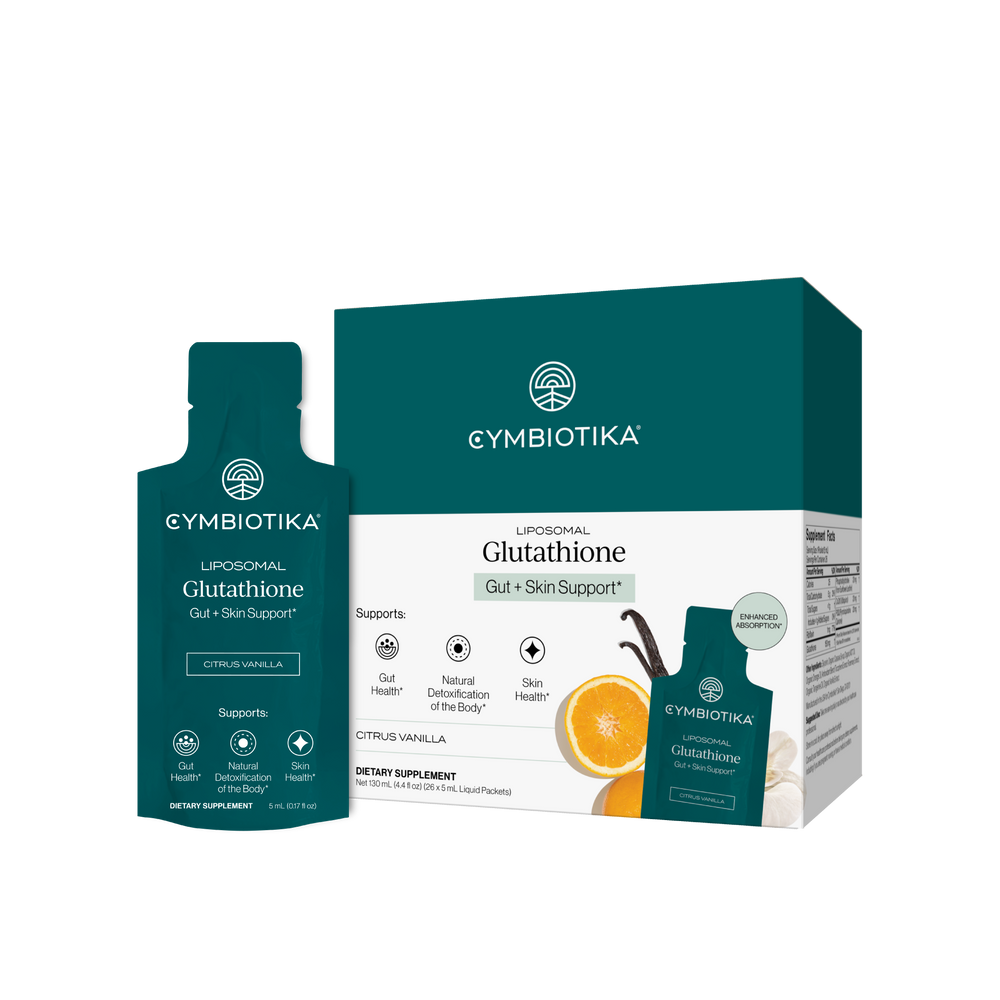
The liposome acts as a protective shield, allowing the glutathione to pass safely through the harsh environment of the stomach. Once it reaches the small intestine, the liposome can fuse with the intestinal lining, delivering the antioxidant directly into the bloodstream and eventually into the cells. Liposomal Glutathione is designed specifically with this phospholipid bilayer to support uptake.
The Science of Liposomal Technology
To understand why liposomal delivery works so well, it helps to understand the phospholipid bilayer. This is the double layer of fatty molecules that surrounds every cell in your body. It acts as a gatekeeper, deciding what gets in and what stays out.
Because liposomes are made from the same material as these cell membranes, the body recognizes them as "self" rather than a foreign substance. This allows for a more efficient transfer of nutrients. You can learn more about this process in Cymbiotika’s guide to liposomal delivery and glutathione absorption.
Step 1: Protection / The liposome protects the glutathione from stomach acid and digestive enzymes.
Step 2: Transport / The microscopic spheres travel through the digestive tract intact.
Step 3: Absorption / The phospholipids fuse with the cell membranes in the gut.
Step 4: Delivery / The glutathione is released directly into the systemic circulation for use by the cells.
This method mimics the body's natural way of transporting fats and nutrients. It turns a fragile molecule into a resilient one, ensuring that the milligrams listed on the label actually match what ends up in your system.
How to Optimize Your Glutathione Routine
Choosing the right format is the most important step, but how you take your supplement also matters. Building a consistent routine helps your body maintain steady levels of this vital antioxidant.
The Importance of Timing
Many people find that taking glutathione in the morning on an empty stomach yields the best results. This reduces the interference from other foods and digestive processes. If you have a sensitive stomach, you can take it with a light snack, but try to avoid heavy, processed meals immediately before or after.
Pairing with Healthy Fats
If you are not using a liposomal format, taking glutathione with a source of healthy fats—like avocado, walnuts, or olive oil—may slightly support the absorption of fat-soluble nutrients. However, if you use our liposomal delivery system, the fats are already integrated into the formula, making this step less necessary but still a good habit for overall nutrient uptake.
Consistency Over Intensity
It is better to take a moderate, highly absorbable dose every day than a massive dose once a week. Your body uses glutathione constantly to manage oxidative stress and support the immune system. Providing a steady supply ensures that your cellular defenses are always supported.
Note: Results with glutathione are rarely overnight. Most people begin to notice a difference in their energy levels and general well-being after 4 to 8 weeks of consistent use.
Supporting Nutrients That Boost Absorption
Glutathione does not work alone. It is part of a complex "antioxidant network" in the body. Certain nutrients help your body recycle glutathione, while others support its natural production.
Vitamin C
Vitamin C and glutathione have a unique relationship. Vitamin C helps "recharge" glutathione after it has neutralized a free radical. This keeps the glutathione active in your system for longer. Taking a high-quality Vitamin C supplement alongside your glutathione is a smart strategy. Liposomal Vitamin C uses the same advanced delivery technology to support effective absorption.
Selenium
Selenium is a mineral that acts as a cofactor for glutathione peroxidase, an enzyme that allows glutathione to do its job. Without enough selenium, glutathione cannot effectively neutralize oxidative stress. You can find selenium in Brazil nuts, seafood, and certain whole grains.
Alpha-Lipoic Acid (ALA)
ALA is another antioxidant that helps the body regenerate glutathione levels. It is often called the "universal antioxidant" because it is both water- and fat-soluble. Including ALA-rich foods like spinach and broccoli or taking a targeted supplement can support your body's internal glutathione production.
Milk Thistle (Silymarin)
Milk thistle is well-known for supporting liver health. Since the liver is the primary site of glutathione production and use, keeping it healthy is essential. Silymarin, the active compound in milk thistle, may help prevent glutathione depletion in the liver cells.
Lifestyle Factors That Impact Your Levels
You can take the best supplement in the world, but if your lifestyle is constantly draining your glutathione stores, you will struggle to see progress. Think of your glutathione levels like a bathtub. Supplements "fill the tub," but lifestyle stressors "open the drain."
Reducing Oxidative Stress
Environmental toxins, tobacco smoke, and excessive alcohol consumption all increase the demand for glutathione. Your body uses its stores to neutralize the stress caused by these factors. By reducing your exposure to pollutants and choosing organic foods where possible, you allow your supplement to go further.
Sleep and Recovery
Glutathione levels are naturally higher during sleep. This is when the body focuses on repair and detoxification. Chronic sleep deprivation can lead to lower baseline levels of antioxidants. Prioritizing 7–9 hours of quality rest supports your body's natural rhythm and ensures your supplement is working in harmony with your biology.
Exercise Balance
Regular, moderate exercise is excellent for boosting your body's natural antioxidant defenses. However, extreme, over-strenuous exercise without proper recovery can actually deplete glutathione. It is important to find a balance that challenges the body without overwhelming its ability to recover.
Common Myths About Glutathione Absorption
There is a lot of misinformation regarding how to best support your levels. Let's clarify a few common points of confusion.
Myth: Taking more glutathione is always better.
Fact: If you use a format with low bioavailability, most of that high dose is simply wasted. A smaller, liposomal dose is often more effective than a massive dose in a standard capsule.
Myth: You can get all the glutathione you need from food.
Fact: While foods like asparagus, avocado, and spinach contain glutathione, the cooking process and digestion break most of it down. Dietary sources are great for providing the amino acids your body needs to make its own glutathione, but they are not a substitute for a targeted supplement if your levels are low.
Myth: All glutathione supplements are the same.
Fact: The delivery method (liposomal vs. standard) and the quality of the ingredients make a massive difference in whether the supplement actually reaches your cells.
Building Your Supplement Routine
Starting a new wellness routine can feel overwhelming. We recommend taking a simple, step-by-step approach to find what works for your unique body and goals.
- Identify Your Goals / Are you looking for immune support, more consistent energy, or cellular protection?
- Choose the Right Format / Look for a liposomal delivery system to ensure the glutathione survives digestion.
- Set a Consistent Time / Pick a time, such as right after you wake up, to make it a habit.
- Track Your Progress / Note how you feel after 30, 60, and 90 days.
- Use Personalised Tools / If you are unsure which supplements to pair together, use our Health Quiz to get a recommendation tailored to your needs.
Why Quality and Transparency Matter
In the supplement industry, not all products are created equal. Many companies use synthetic fillers, artificial colors, or low-grade ingredients to cut costs. At Cymbiotika, we take a different path.
We prioritize clean, transparent formulations. This means third-party testing for purity and potency, non-GMO sourcing, and a total absence of unnecessary synthetic additives. We believe you should know exactly what you are putting into your body and trust that it is designed to work. Our commitment to bioavailability is not just a marketing point—it is a core pillar of how we formulate every product.
When you choose a high-quality delivery system, you are making an investment in your long-term health. By ensuring the nutrients actually reach your cells, you give your body the tools it needs to thrive.
The Role of the Liver in Absorption
The liver is the body's primary "processing plant" for everything you ingest. It is also the organ that contains the highest concentration of glutathione. When you take a supplement, it eventually passes through the liver.
Standard oral glutathione is often intercepted and broken down by the liver before it can reach the rest of the body. This is another reason why liposomal delivery is so effective. By encasing the antioxidant in lipids, it can be transported through the lymphatic system, allowing more of it to reach the general circulation before the liver begins its standard filtration process.
Supporting your liver health through hydration and a nutrient-dense diet works in tandem with your glutathione routine. Liver Health+ can be a helpful addition for those looking to support the pathways that manage detoxification and antioxidant production.
Bottom Line: Absorption is the Key
The "best" supplement is the one your body can actually use. For glutathione, this means looking beyond the milligrams on the label and focusing on the delivery technology. Liposomal delivery provides the protection and cellular compatibility needed to overcome the challenges of digestion.
By pairing a high-quality liposomal supplement with a healthy lifestyle, consistent timing, and supporting nutrients like Vitamin C and Selenium, you can effectively support your body's antioxidant levels. This holistic approach ensures that you are not just taking a supplement, but building a routine that truly serves your wellness goals.
We invite you to explore our Immunity Supplements collection for formulas designed around everyday immune and antioxidant support. Whether you are just starting your wellness journey or looking to optimize an existing routine, we are here to provide the tools and education you need to succeed.
Key Takeaway: To maximize glutathione levels, choose a liposomal format, take it on an empty stomach, and ensure you have adequate levels of Vitamin C and Selenium to support the antioxidant network.
Conclusion
Understanding the best way to absorb glutathione changes the way you look at supplementation. It moves the focus from "how much am I taking" to "how much is my body receiving." By choosing liposomal technology, you are bypassing the traditional barriers of digestion and delivering support directly to your cells. This commitment to bioavailability is at the heart of everything we do.
Our mission is to empower you to take ownership of your health through education and high-trust formulations. We believe that when you provide your body with the right nutrients in the right format, the results speak for themselves. Consistency, quality, and transparency are the foundations of a wellness routine you can trust for years to come.
If you are ready to take the next step in personalizing your wellness journey, we encourage you to take the Health Quiz. It is designed to help you navigate our offerings and find the specific products that align with your lifestyle and health goals.
FAQ
What is the most effective form of glutathione to take?
Liposomal glutathione is widely considered the most effective oral form because it protects the nutrient from stomach acid and supports delivery through digestion. While IV therapy is the most direct, it is less practical for daily use compared to a high-quality liposomal liquid or capsule.
Can I take glutathione every day?
Yes, many people find that daily supplementation is the best way to maintain consistent cellular levels. Since the body uses glutathione constantly to manage oxidative stress and immune function, a daily dose helps ensure your defenses are always supported.
Should I take glutathione on an empty stomach?
Taking glutathione on an empty stomach, ideally in the morning, may help improve absorption by reducing interference from other foods and digestive processes. However, if you have a sensitive stomach, taking it with a light snack or a small amount of healthy fat is a perfectly acceptable alternative.
How long does it take to see the benefits of glutathione?
While everyone’s body is different, most people begin to notice a shift in their overall well-being within 4 to 8 weeks of consistent use. For goals like skin health or metabolic support, it may take 12 weeks or longer to see the full results of a dedicated routine.