Introduction
Finding the right supplement is only half the battle for wellness. The other half is knowing how and when to use it to get the most out of your investment. Glutathione is often called the "master antioxidant" because it exists in nearly every cell of your body. It plays a critical role in neutralizing free radicals and supporting the liver.
At Cymbiotika, we believe that timing and delivery are the two most important factors in any supplementation routine. If your body cannot absorb the nutrient, the time of day matters very little. This post covers the science of circadian rhythms, the impact of digestion on absorption, and the practical steps to determine the best schedule for your lifestyle. For additional context, explore Cymbiotika’s guide to when and how to take glutathione.
Whether you want to support your skin health or help your body’s natural detoxification pathways, the timing you choose can make a meaningful difference. We will explore the benefits of morning versus evening doses and explain why the delivery method is the ultimate factor in success.
Quick Answer: The best time to take glutathione is usually in the morning on an empty stomach to maximize absorption. However, taking it at night may better support the body’s natural repair cycles and liver function.
The Role of Glutathione in the Body
Glutathione is a tripeptide. This means it is made of three specific amino acids: cysteine, glycine, and glutamic acid. Your liver produces it naturally, but levels can fluctuate based on age, diet, and environmental stressors. It serves as a primary shield against oxidative stress, which occurs when there is an imbalance between free radicals and antioxidants in your system.
Beyond its role as a protector, this molecule helps recycle other antioxidants like Vitamin C and Vitamin E. This "recycling" allows your body to reuse these nutrients, extending their protective effects. It also supports the liver in processing metabolic waste. When glutathione levels are optimal, your body is better equipped to handle the daily demands of modern life.
Why Bioavailability Is the Real Challenge
Many standard glutathione supplements fail to deliver results because of how the human digestive system works. When you swallow a traditional capsule or tablet, it must pass through the harsh environment of the stomach. Stomach acid and digestive enzymes often break down the glutathione molecule before it can reach the small intestine for absorption. Learn more about liposomal glutathione and bioavailability.
This is where bioavailability—the degree to which a nutrient is absorbed and used by the body—becomes essential. If the supplement is destroyed in the stomach, timing it perfectly won't help. We solve this by using liposomal delivery. A liposome is a tiny bubble made of phospholipids, the same material that makes up your cell membranes. This phospholipid bilayer (a double layer of fat-like molecules) acts as a protective shield. It carries the glutathione safely through the digestive tract and delivers it directly to your cells.
Key Takeaway: Traditional glutathione is easily destroyed during digestion. Using a liposomal format ensures the nutrient is protected, making the timing of your dose much more effective.
Taking Glutathione in the Morning
For many people, the morning is the most logical time to start their routine. Taking your supplement shortly after waking up aligns with the body’s transition from a state of rest to a state of activity.
The Fasted State and Absorption
One of the strongest arguments for morning supplementation is the fasted state of your stomach. When your stomach is empty, there is less competition from food for absorption. Without other proteins or fats to process, your digestive system can focus entirely on transporting the glutathione into the bloodstream.
How to do it: Take your dose at least 30 minutes before eating breakfast. This window allows the liposomes to move through the stomach quickly. If you drink coffee or tea, try to wait a few minutes after taking your supplement to ensure the heat or acidity of the beverage doesn't interfere with the delivery.
Daytime Protection
Your body faces the most environmental stress during the day. UV rays from the sun, pollution in the air, and the metabolic byproducts of physical activity all create free radicals. Taking glutathione in the morning "primes" your system. It ensures that your antioxidant levels are at their peak when you need them most.
Morning Benefits Summary
- Optimal Absorption: No competition from food in the digestive tract.
- Environmental Defense: Supports the body against daytime stressors like pollution.
- Routine Consistency: Easier for many to remember as part of a morning habit.
Taking Glutathione at Night
While morning is popular, there is compelling evidence that evening doses may offer unique advantages. This timing focuses more on internal recovery than external protection.
Supporting the Circadian Rhythm
Your body operates on a circadian rhythm, a 24-hour internal clock that regulates sleep, hormone release, and cellular repair. Research indicates that glutathione activity naturally peaks during the night. This is when the liver is most active in processing waste and repairing tissues.
By taking a supplement before bed, you are providing your body with the building blocks it needs during its most intensive repair phase. If you have experienced a day of high stress or poor sleep, your internal glutathione stores may be depleted. Replenishing them at night helps support the body's natural "cleanup" process.
Sleep and Cellular Repair
Sleep is the time when your cells undergo regeneration. Glutathione is a key player in this process. Some people find that taking it in the evening helps them feel more refreshed in the morning, likely because the body had the resources it needed to complete its nightly maintenance.
How to do it: Take your dose about two hours after your last meal. This ensures your stomach has had time to clear most of the food, mimicking the fasted state of the morning.
Key Takeaway: Evening doses align with the liver's peak activity period. This supports the body’s internal repair work that happens while you sleep.
Morning vs. Night: Which Is Right for You?
The best time of day often depends on your primary wellness goals. Neither choice is "wrong," but one may be more beneficial for your specific needs. You can also explore Cymbiotika’s Healthy Aging collection for formulas that support broader wellness routines.
| Goal | Best Timing | Why? |
|---|---|---|
| Skin Brightening & Glow | Morning | Supports defense against UV rays and daily pollutants. |
| Liver & Detox Support | Night | Aligns with the liver's natural peak repair cycle. |
| General Wellness | Morning | Maximum absorption on an empty stomach for most. |
| Intermittent Fasting | During Fast | Ensures an empty stomach without breaking the fast. |
Balancing Both
Some individuals choose to split their dose. They take half in the morning for protection and half at night for repair. This keeps a steady level of antioxidants in the bloodstream throughout the 24-hour cycle. If you are using a high-quality format like our Liposomal Glutathione, a single daily dose is usually sufficient, but splitting it is a valid option if your healthcare provider suggests it.
How to Build Your Glutathione Routine
Success with any supplement comes down to consistency. Here is a simple step-by-step approach to incorporating this master antioxidant into your daily life.
Step 1: Choose your primary goal.
Decide if you are more focused on protecting your skin during the day or supporting your liver and recovery at night. This will dictate your start time.
Step 2: Check your delivery method.
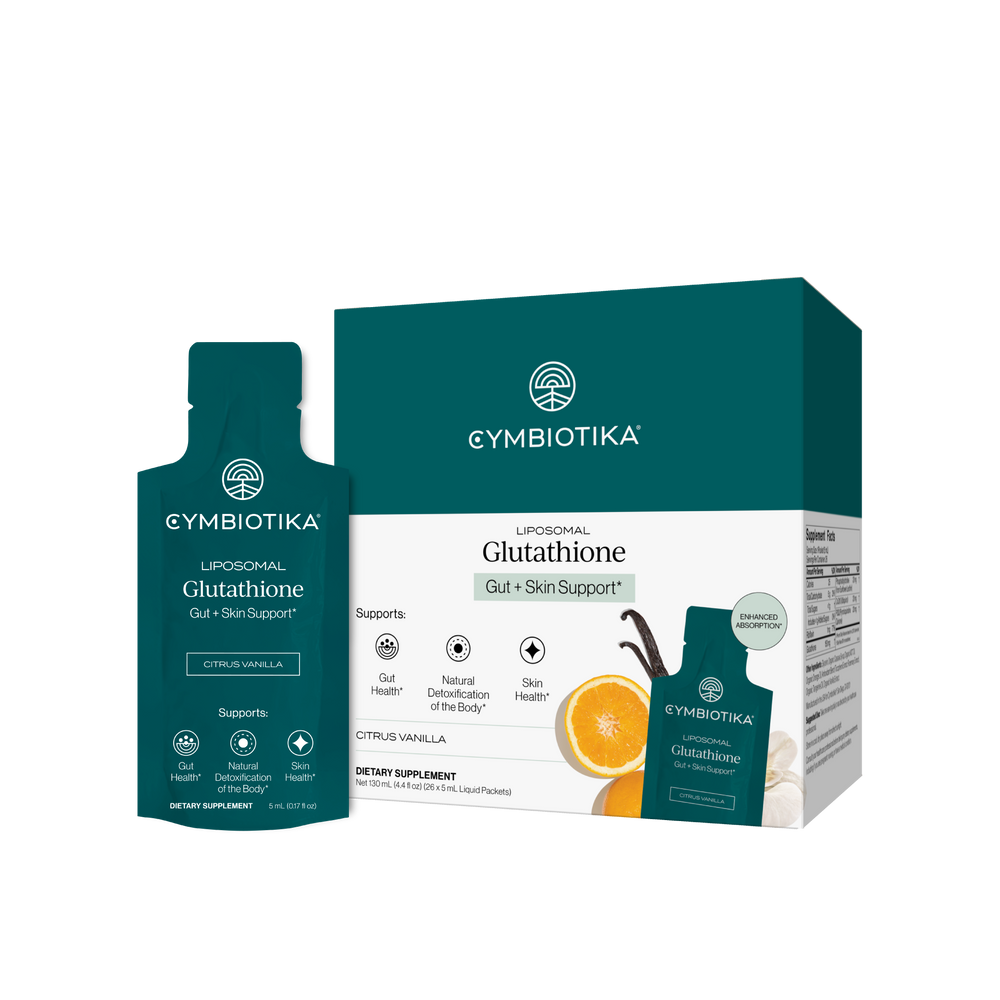
Ensure you are using a liposomal format. If you use standard tablets, your timing will be much more restricted by food intake because absorption is so low. Our Liposomal Glutathione uses a sophisticated delivery system to ensure the nutrients actually reach your cells.
Step 3: Pair with complementary nutrients.
Glutathione works best when other antioxidants are present. Pairing it with Liposomal Vitamin C can be very helpful. Vitamin C helps keep glutathione in its "reduced" or active state, making it more effective at neutralizing free radicals.
Step 4: Maintain hydration.
Antioxidants and detoxification pathways require water to function correctly. Ensure you are drinking enough water throughout the day to help your body process and eliminate metabolic waste.
Step 5: Monitor and adjust.
Stick with your chosen time for at least four weeks. Notice how you feel. Are your energy levels more stable? Is your skin looking more vibrant? If you feel sluggish in the morning, try switching to an evening dose to see if that fits your biology better.
Factors That Can Affect Your Results
Even with perfect timing, other lifestyle factors play a role in how well your body uses glutathione.
Diet and Lifestyle
A diet high in processed sugars and alcohol can deplete your natural glutathione levels faster than you can replenish them. While supplements provide a significant boost, they work best alongside a diet rich in sulfur-containing vegetables. Broccoli, kale, garlic, and onions are excellent foods that provide the precursors your body needs to make its own glutathione.
Stress and Environment
High levels of chronic stress and exposure to heavy metals or cigarette smoke increase the demand for antioxidants. If you live in a highly polluted city or have a very demanding job, you may find that your body requires more consistent support. In these cases, consistency is far more important than the specific hour you take your supplement.
Bioavailability Over Milligrams
Many people make the mistake of looking for the highest milligram count on a label. However, 1,000mg of a poorly absorbed powder is less effective than a smaller, highly bioavailable dose. Bioavailability is the metric that matters. At Cymbiotika, we focus on the quality of the delivery system to ensure that the dose on the label is the dose your cells actually receive.
Frequently Asked Questions
Should I take glutathione with food or on an empty stomach?
It is generally best to take glutathione on an empty stomach. This reduces competition for absorption in the digestive tract. If you have a sensitive stomach, a small amount of healthy fat, like avocado, can help without significantly slowing down the absorption process.
Can I take glutathione and Vitamin C together?
Yes, taking these two together is highly recommended. Vitamin C helps "recharge" glutathione molecules after they have neutralized a free radical. This combination creates a more robust antioxidant defense system in your body. For more guidance, read how to take Vitamin C and glutathione together.
How long does it take to see results from glutathione?
Results vary from person to person. Most people begin to notice subtle changes in energy or skin radiance within 4 to 8 weeks of daily, consistent use. For deeper cellular support, long-term consistency is key.
Does the format of the glutathione matter?
Yes, the format is critical. Standard oral capsules have very low absorption rates because the molecule is fragile. Liposomal delivery is designed to protect the glutathione through the stomach, significantly increasing the amount that reaches your bloodstream.
Conclusion
The best time of day to take glutathione depends on your personal health priorities. Taking it in the morning provides a shield against the stressors of the day, while evening doses support the body’s natural repair cycles. Regardless of the time you choose, the most important factor is the bioavailability of the supplement.
Our goal is to empower you with the tools to build a routine that actually works. By choosing a liposomal delivery system and staying consistent with your timing, you give your body the best chance to maintain its "master antioxidant" levels. We focus on transparency and high-quality sourcing so you never have to guess what you are putting into your body.
If you are unsure which supplements are right for your specific goals, we recommend taking the Health Quiz on our website. It is designed to provide personalized recommendations based on your unique lifestyle and needs.
"True wellness isn't about a single perfect moment; it's about the small, consistent choices you make every day to support your body's natural wisdom."
Key Takeaway: Whether you choose morning or night, stick to it. Consistency and a high-absorption liposomal format are the foundations of an effective glutathione routine.