Introduction
You may have heard health experts refer to glutathione as the "master antioxidant." This title is well-earned. Glutathione is a hardworking molecule found in nearly every cell of your body. It helps manage oxidative stress, supports the immune system, and assists with natural detoxification. However, your body does not just find glutathione ready-made in the environment. It has to build it.
This is where precursors come into play. A glutathione precursor is a specific nutrient or compound that your body uses as a raw material to manufacture its own supply of this critical antioxidant. Understanding these building blocks is the first step toward optimizing your internal defenses. At Cymbiotika, we focus on how the body absorbs and uses these essential components to support long-term vitality.
In this article, we will explore the different types of precursors and how they function. We will also discuss why the delivery method of your supplements matters for actual results. By the end, you will understand how to choose the right support for your unique wellness routine.
The Role of the Master Antioxidant
To understand precursors, you first need to understand what they are trying to create. Glutathione is a tripeptide. This means it is made of three specific amino acids: glutamic acid (glutamate), cysteine, and glycine. Your liver is the primary production site, though every cell has the machinery to produce it. For a closer look at its structure, explore this guide to what makes up glutathione.
Glutathione is unique because it is endogenous. Unlike Vitamin C or Vitamin E, which you must consume through food, your body is designed to produce glutathione internally. It works by neutralizing free radicals—unstable molecules that can damage cellular structures if left unchecked.
Beyond direct protection, glutathione is a recycler. Once other antioxidants like Vitamin C have done their job, they become inactive. Glutathione helps "recharge" them so they can continue protecting your cells. This creates a more resilient internal environment. We believe that supporting this internal production cycle is one of the most effective ways to maintain everyday wellness.
What Is a Glutathione Precursor?
The word "precursor" comes from Latin and literally means "forerunner." In the world of biochemistry, a precursor is a substance that participates in a chemical reaction that produces another compound. If you think of your body as a high-end kitchen, glutathione is the finished meal. The precursors are the high-quality ingredients you need on the counter before you can start cooking.
Without a steady supply of these ingredients, production slows down. Several factors can deplete your natural stores. Age, environmental stressors, and even intense physical activity can put a strain on your glutathione levels. When demand outweighs supply, your body may struggle to keep up with the repair work required for optimal health.
Key Takeaway: A glutathione precursor provides the specific amino acids your body needs to synthesize its own "master antioxidant" from within.
For a broader overview of the topic, read this guide to what a glutathione precursor is and how it supports wellness.
The Three Primary Building Blocks
The synthesis of glutathione happens in two distinct steps. Each step requires specific precursors and enzymes to function correctly. Understanding these three amino acids helps you see where a supplement routine might be most beneficial.
Cysteine: The Rate-Limiting Factor
Cysteine is often considered the most important precursor. In scientific terms, it is "rate-limiting." This means that your body can only make as much glutathione as it has cysteine available. Even if you have an abundance of the other two amino acids, production will halt if cysteine is missing.
Cysteine is a sulfur-containing amino acid. This sulfur group is the "business end" of the glutathione molecule. It acts like a sticky magnet for toxins and free radicals. Most people get cysteine from protein-rich foods, but the body’s ability to utilize it can change based on various lifestyle factors.
Glycine: The Foundation
Glycine is the smallest amino acid, but it plays a massive role in metabolic health. It is the second ingredient added during the glutathione production process. While the body can make some glycine on its own, many people find that supplemental glycine supports not only glutathione production but also collagen synthesis and healthy sleep patterns. Learn more about the connection between glycine and glutathione support.
Glutamate (Glutamic Acid)
Glutamate is the most abundant neurotransmitter in the brain and the third component of the glutathione tripeptide. Most Western diets provide plenty of glutamate through various protein sources. Because it is so common in the diet, it is rarely the bottleneck in glutathione production. However, it remains a vital part of the chemical structure.
N-Acetylcysteine (NAC) and Its Role
When people search for glutathione precursors, they often find N-acetylcysteine, or NAC. NAC is a modified form of the amino acid cysteine. It is highly valued in the wellness community because it is a very efficient way to deliver cysteine to the cells.
Standard cysteine is somewhat unstable and can be difficult for the body to absorb in high amounts. NAC is more stable. Once you ingest it, your body converts it back into cysteine, which is then funneled directly into the glutathione production line. This is one of the most studied methods for supporting antioxidant levels. For additional context, explore this comparison of NAC and glutathione.
Gamma-Glutamylcysteine: The Direct Path
A newer area of interest involves gamma-glutamylcysteine (GGC). Remember that glutathione production happens in two steps. The first step combines glutamate and cysteine to form GGC. The second step adds glycine to finish the molecule.
The first step is actually the hardest part for the body. It requires a specific enzyme that can be slowed down by various factors, including the aging process. By taking GGC directly, you essentially skip the first "bottleneck" in the factory. This may allow for faster and more efficient glutathione replenishment compared to taking the individual amino acids.
Why Bioavailability Changes the Conversation
There is a common question in the supplement world: Why not just take glutathione itself? For a long time, the answer was that oral glutathione was simply not effective. When you swallow a standard glutathione capsule, the digestive enzymes in your stomach and small intestine (specifically peptidases) break the molecule back down into its individual amino acids.
In essence, if you take a low-quality glutathione supplement, your body treats it like a precursor anyway. It breaks it down and then has to rebuild it. This is inefficient.
This is why we focus so heavily on bioavailability. Bioavailability refers to the amount of a nutrient that actually enters your bloodstream and becomes available for use by your cells. To solve the absorption problem, modern science has developed sophisticated delivery systems. This guide to glutathione absorption and bioavailability explores the topic in more detail.
The Liposomal Advantage
Liposomal delivery is one of the most effective ways to bypass the digestive breakdown that ruins standard supplements. A liposome is a tiny, microscopic bubble made of phospholipids—the same material that makes up your own cell membranes.
When glutathione or its precursors are encapsulated in a liposome, they are protected as they travel through the harsh environment of the stomach. The body recognizes the phospholipid shell and can absorb it more easily through the intestinal lining. This delivery method is designed to support higher absorption at the cellular level.
Note: If you choose to supplement with glutathione directly, ensure it uses liposomal technology. Otherwise, you may be better off focusing on high-quality precursors like NAC.
Essential Cofactors for Production
Building glutathione is not just about the raw amino acids. Your body also needs "assistants" called cofactors. These are vitamins and minerals that help the enzymes do their jobs. Without these cofactors, the production line may move slowly, even if you have all the precursors.
- Selenium: This mineral is a vital component of glutathione peroxidase, the enzyme that actually uses glutathione to neutralize peroxides.
- Riboflavin (Vitamin B2): This vitamin helps the enzyme glutathione reductase. This enzyme is responsible for turning "used" glutathione back into its "active" state.
- Alpha-Lipoic Acid (ALA): ALA is an antioxidant that helps increase the expression of the genes responsible for glutathione synthesis. It also helps regenerate other antioxidants.
- Magnesium: Many of the enzymatic steps in glutathione production are ATP-dependent, meaning they require cellular energy. Magnesium is essential for the production and use of that energy.
Dietary Sources of Precursors
You can support your body’s natural production by choosing foods rich in these building blocks. A diet focused on whole, nutrient-dense foods provides the foundation for your supplement routine.
Sulfur-Rich Vegetables
Since cysteine is the rate-limiting precursor, eating sulfur-rich foods is a practical daily strategy. Cruciferous vegetables are excellent choices. These include:
- Broccoli and broccoli sprouts
- Brussels sprouts
- Cauliflower
- Kale
- Garlic and onions
These vegetables contain compounds that not only provide sulfur but also help trigger the body’s natural antioxidant response pathways.
High-Quality Proteins
Whey protein is particularly rich in cysteine and has been shown in various studies to support healthy glutathione levels. For those who avoid dairy, other protein sources like eggs, lean meats, and legumes provide the necessary glycine and glutamate.
Lifestyle Factors That Affect Your Levels
Supplements and diet are only part of the story. Your lifestyle choices can either preserve your glutathione stores or drain them. We believe in a holistic approach where daily habits protect the work your supplements are doing.
Exercise and Antioxidant Status
Regular physical activity is known to support the body’s antioxidant defenses. While intense, unaccustomed exercise can temporarily deplete glutathione as the body works to manage the sudden increase in oxidative stress, consistent moderate exercise encourages the body to produce more glutathione over time. It is a form of healthy "training" for your cells.
Environmental Stressors
The world around us can be demanding. Pollutants, heavy metals, and even excessive sun exposure increase the demand for glutathione. By minimizing exposure to household toxins and using clean personal care products, you reduce the "workload" on your internal antioxidant system.
The Importance of Sleep
Sleep is when the body focuses on repair and detoxification. Research suggests that glutathione levels are naturally higher during restorative sleep. If you are chronically sleep-deprived, your body may not have the time it needs to rebuild its antioxidant reserves, regardless of how many precursors you consume.
How to Build a Support Routine
Choosing how to support your glutathione levels depends on your personal goals and lifestyle. Some people prefer the "bottom-up" approach of using precursors, while others prefer the "direct" approach using advanced delivery systems.
Step 1: Assess Your Daily Demand
Think about your current environment. Do you live in a high-pollution area? Do you have a demanding physical job or workout routine? High-stress environments usually mean a higher demand for cellular support.
Step 2: Choose Your Delivery Method
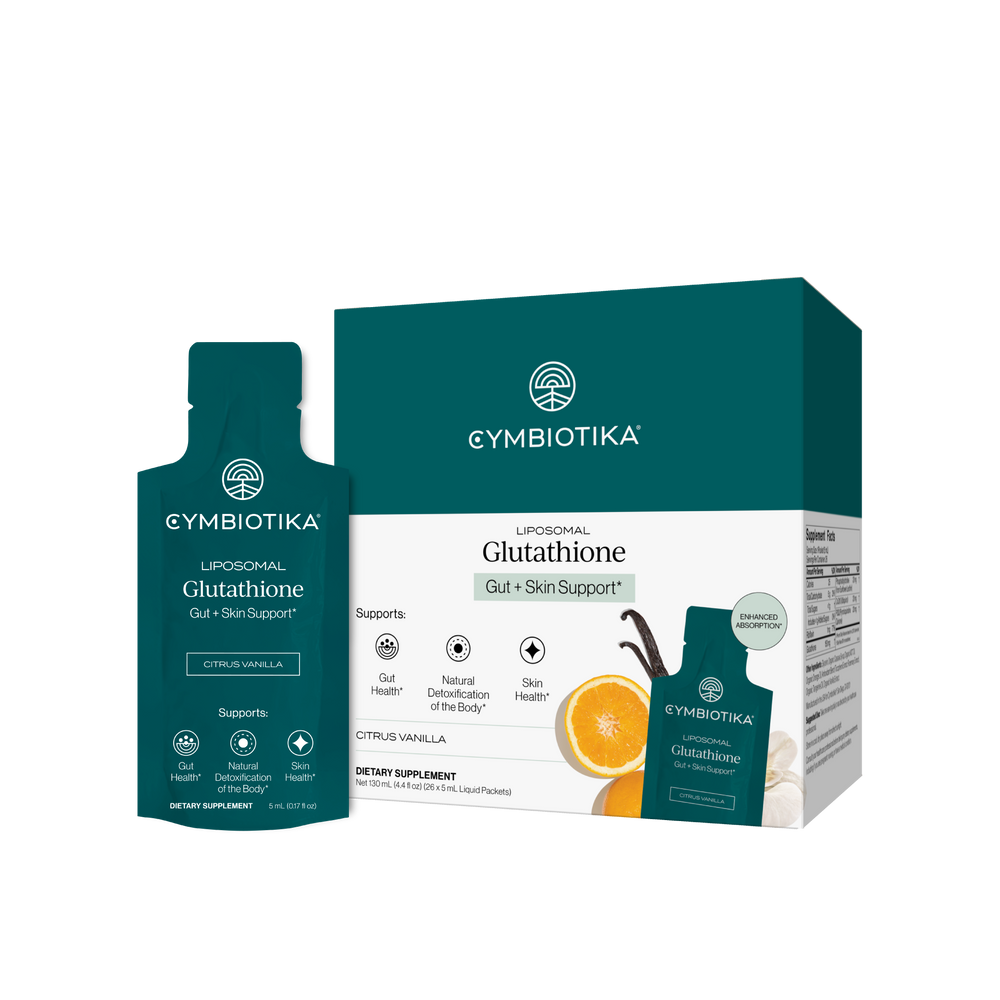
If you choose to use precursors, look for stabilized forms like NAC. If you want the benefits of glutathione itself, we strongly recommend a liposomal format. Our Liposomal Glutathione is designed with this specific challenge in mind, utilizing a phospholipid bilayer to ensure the "master antioxidant" reaches the areas where it is needed most.
Step 3: Add Cofactors
Ensure your routine includes a high-quality multivitamin or specific mineral support. Selenium and B vitamins are non-negotiable for the glutathione cycle to function smoothly.
Step 4: Consistency is Key
Antioxidant support is not a one-time event. It is a daily practice. Your body uses and recycles these molecules constantly. Building a sustainable routine that you can stick to every morning is more important than taking a high dose once a week.
The Science of Resilience
The human body is remarkably capable of maintaining balance, but it needs the right tools. By providing your cells with the correct precursors and ensuring those precursors are actually absorbed, you are investing in your long-term resilience.
We are committed to helping you understand the "why" behind your wellness choices. Whether you are looking for energy support, healthy aging, or a more robust immune response, everything starts at the cellular level. When your cells have the building blocks they need, your whole system functions more harmoniously. Explore the Healthy Aging Supplements collection for options that align with this broader wellness focus.
Bottom line: Glutathione precursors like NAC, glycine, and glutamate provide the raw materials your liver needs to produce its own protective antioxidants, but the effectiveness of any supplement depends entirely on its bioavailability.
Conclusion
Understanding what a glutathione precursor is allows you to take control of your cellular health with precision. Rather than guessing, you can provide your body with the specific sulfur-containing amino acids and cofactors it requires for synthesis. Remember that the goal is not just to take a supplement, but to ensure that supplement is absorbed and utilized by your cells.
At Cymbiotika, our mission is to provide the most bioavailable and transparent formulations possible. We believe that when you combine high-quality ingredients with advanced delivery systems, you can build a wellness routine you actually trust. If you are unsure which nutrients are right for your current needs, our Health Quiz is a great place to start for personalized guidance.
- Glutathione is the body's master antioxidant, synthesized from three amino acids.
- Cysteine is the primary "rate-limiting" precursor for production.
- Standard oral glutathione is often broken down during digestion.
- Liposomal delivery and stabilized precursors like NAC are the most effective ways to support levels.
"True wellness is built on a foundation of trust and transparency. By focusing on how the body absorbs nutrients, we can create routines that actually support the life you want to lead."
FAQ
Is NAC the same thing as a glutathione precursor?
Yes, N-acetylcysteine (NAC) is one of the most effective glutathione precursors because it provides a stable form of cysteine. Cysteine is the most difficult amino acid for the body to acquire in the glutathione production process, making NAC a popular choice for those looking to support their antioxidant levels.
Can I get enough glutathione precursors from my diet?
While it is possible to support your levels through sulfur-rich vegetables like broccoli and garlic, many people find it difficult to consume enough to offset modern environmental stressors. Supplementing with specific precursors or liposomal glutathione can help fill the gap when dietary intake isn't sufficient for your body's demands.
Why does glutathione decrease as we age?
As we age, the enzymes responsible for synthesizing glutathione can become less efficient, and the body's overall demand for antioxidants often increases. This natural decline is why many adults choose to incorporate precursors or bioavailable supplements into their daily routines to support healthy aging.
What is the advantage of liposomal glutathione over precursors?
Liposomal glutathione delivers the finished antioxidant directly to your cells, bypassing the need for your body to synthesize it. While precursors are effective, they rely on your internal enzymes to do the work. Liposomal technology protects the molecule from digestion, providing a direct and highly bioavailable option. For more information, explore this article on why liposomal glutathione matters for modern wellness.