Introduction
Adding a high-quality supplement to your daily routine often feels like a commitment to your long-term vitality. But life happens—routines shift, travel disrupts your habits, or you might simply wonder if the benefits you have gained will stay with you if you take a break. If you have been supporting your body with glutathione, you are likely enjoying its reputation as the "master antioxidant" and its ability to help maintain cellular health.
At Cymbiotika, we believe that understanding the "why" behind your supplements is just as important as the supplements themselves. This post explores the biological shifts that occur when you discontinue glutathione, how your body manages its own antioxidant stores, and what you can expect regarding your energy, skin tone, and internal defense systems. We want to empower you to make informed decisions about your wellness routine so that you can maintain your results even when life gets busy.
Quick Answer: When you stop taking glutathione, your blood levels of this antioxidant will gradually return to their natural baseline. While you won't experience a sudden "crash," you may notice a slow decline in skin brightness, a dip in daily energy, or a reduced capacity to bounce back from environmental stressors as your body loses the supplemental support.
The Role of the Master Antioxidant
To understand what happens when you stop taking glutathione, we must first look at what it does while it is present. Glutathione is a tripeptide—a small protein—made of three amino acids: cysteine, glycine, and glutamate. Unlike many other antioxidants that we get primarily from food, our bodies actually produce glutathione in every single cell. It is especially concentrated in the liver, where it serves as a primary defender against toxins. For additional background, explore this guide to what glutathione liposomal is and how absorption works.
Glutathione is unique because it is "endogenous," meaning it is built from within. It is often called the master antioxidant because it has the remarkable ability to "recycle" other antioxidants. When Vitamin C or Vitamin E finishes neutralizing a free radical—unstable molecules that can damage cells—they become inactive. Glutathione steps in to reactivate them, allowing them to continue their protective work.
This molecule is central to the body’s detoxification pathways, particularly in the liver's Phase II conjugation process. In this phase, glutathione attaches itself to fat-soluble toxins, making them water-soluble so the body can effectively flush them out. Without sufficient levels, these toxins can linger, contributing to a sense of sluggishness or "brain fog."
What Happens to Your Internal Levels?
When you stop taking a glutathione supplement, the most immediate change is a drop in the circulating concentration of the molecule in your blood and tissues. Research into glutathione supplementation shows that consistent use can raise cellular levels significantly, but these levels are not permanent.
The Return to Baseline
Your body is constantly balancing the production and consumption of antioxidants. This balance is known as "redox homeostasis." When you provide an external source of glutathione, you are essentially padding your body's "savings account." Once that external deposit stops, your body begins to rely solely on its own internal production again.
For most people, it takes roughly two to four weeks for supplemental glutathione levels to fully dissipate from the system. At this point, your body returns to its "baseline"—the amount of glutathione it can produce based on your age, genetics, diet, and current stress levels. If your baseline was low due to poor sleep or environmental toxins, those older feelings of fatigue or slow recovery may gradually return.
The Bioavailability Factor
It is important to note that not all supplements affect your baseline in the same way. Bioavailability refers to the proportion of a substance that enters the circulation when introduced into the body and is so able to have an active effect. Many standard glutathione capsules are easily broken down by stomach acid before they ever reach the small intestine for absorption. Learn more about whether glutathione can be absorbed orally.
We focus on advanced delivery systems because if the body cannot absorb the nutrient, it cannot store it or use it. Using a liposomal delivery system—where the glutathione is wrapped in a phospholipid bilayer (a protective pocket of fat similar to our own cell membranes)—ensures that the antioxidant survives the digestive tract. Our guide to liposomal delivery and bioavailability explains how this approach is designed to support absorption. If you have been using a highly bioavailable form, the "gap" you feel when you stop might be more noticeable than if you were using a standard, poorly absorbed version.
Effects on Skin Brightness and Tone
One of the most common reasons individuals seek out glutathione is for its influence on skin health. It is widely recognized for its ability to support a brighter, more even complexion. This happens because glutathione may help inhibit tyrosinase, an enzyme involved in the production of melanin (the pigment that gives skin its color). For more information, read what glutathione does for skin.
The Reversal of Pigmentation Changes
If you have noticed a "glow" or a more even skin tone while taking glutathione, this is likely because the supplement has helped shift the production of darker melanin to a lighter form. However, this is a temporary metabolic shift.
Once you stop supplementation:
- Melanin production returns to its genetic default: Without the inhibitory effect of supplemental glutathione, your skin will gradually return to its original pigmentation levels.
- Dark spots may reappear: Areas of hyperpigmentation that faded during use may slowly become more visible as new skin cells are produced without the extra antioxidant support.
- Environmental damage becomes more apparent: Since glutathione helps protect skin cells from UV-induced oxidative stress, stopping it may make your skin feel more sensitive to sun exposure or pollution.
Key Takeaway: The cosmetic benefits of glutathione are maintenance-dependent. Because skin cells turn over roughly every 28 to 40 days, the visible effects of stopping the supplement will usually manifest within one to two months.
Impact on Energy and Detoxification
Beyond skin health, glutathione is a major player in mitochondrial function. The mitochondria are the "powerhouses" of your cells, responsible for creating the energy (ATP) that keeps you moving. Because mitochondria produce a lot of free radicals during the energy-creation process, they need a constant supply of glutathione to stay clean and efficient.
The "Slower" Feeling
Many people report a subtle dip in their daily energy levels about two weeks after stopping their routine. This is not a "crash" like one might feel after quitting caffeine, but rather a gradual decrease in resilience. You might find that:
- Morning grogginess lasts a little longer.
- Workouts feel slightly more taxing.
- Recovery after a long day or a heavy meal takes more time.
Liver Support and Toxic Load
The liver is your body's primary filtration system. It uses massive amounts of glutathione to neutralize environmental pollutants, alcohol, and metabolic waste. When you stop supplementing, your liver must work harder to keep up with the toxic load using only its internal resources.
Results vary depending on your lifestyle. If you live in a highly polluted city, consume a diet high in processed foods, or are under significant physical stress, you may notice the effects of stopping glutathione more acutely. Your body’s "detox bucket" fills up faster when the master antioxidant is not there to help empty it.
Why Your Body Might Struggle to Keep Up
You might ask, "Why can't my body just make enough on its own?" While the human body is designed to synthesize glutathione, several factors can hinder this process, making the transition away from supplements more difficult.
- Age: Internal glutathione production naturally declines as we get older, often dropping by about 10% per decade after age 20.
- Nutrient Deficiencies: To make glutathione, your body needs specific building blocks, particularly sulfur-rich amino acids. If your diet is low in these, production stalls.
- Oxidative Stress: If you are constantly exposed to toxins or high stress, your body "spends" its glutathione faster than it can "earn" it.
Myth: Taking glutathione supplements makes your body stop producing its own.
Fact: There is no evidence that supplemental glutathione creates a "lazy" feedback loop where the body shuts down its natural production. Instead, it simply supplements the existing pool, allowing your body to handle a higher level of oxidative stress.
How to Maintain Your Results Naturally
If you decide to take a break from your supplement routine, you can help bridge the gap by supporting your body’s natural synthesis pathways. Consistency in lifestyle can mitigate some of the "drop-off" you might experience.
Step 1: Prioritize Sulfur-Rich Foods
Your body requires sulfur to build the cysteine used in glutathione production. Focus on cruciferous vegetables like broccoli, cauliflower, Brussels sprouts, and kale. Garlic, onions, and shallots are also excellent sources of the necessary precursors.
Step 2: Incorporate Movement
Moderate exercise has been shown to boost internal antioxidant levels over time. It helps prime the body’s own defense systems, making it more efficient at producing its own glutathione.
Step 3: Support the Building Blocks
Supplements like Vitamin C and Selenium are essential cofactors for the enzymes that help glutathione do its job. Ensuring these are present in your diet can help your remaining glutathione work more effectively.
Step 4: Protect Your Stores
The best way to keep your levels high is to stop "spending" them unnecessarily. This means reducing exposure to alcohol, smoking, and environmental toxins where possible. Even small changes, like using a high-quality air filter at home, can reduce the workload on your internal glutathione stores.
Choosing the Right Form for Longevity
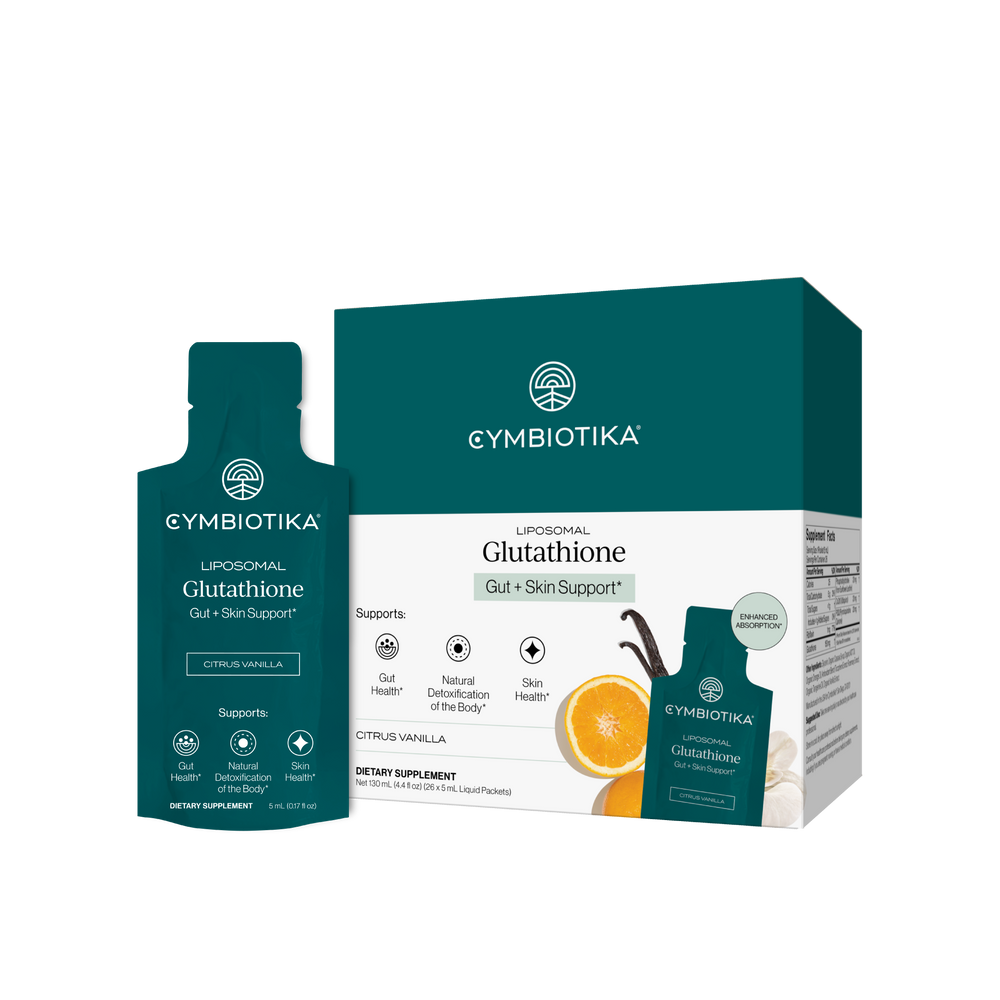
If you are considering whether to continue or stop, the quality of your supplement matters. Our Liposomal Glutathione is designed to be highly bioavailable, meaning it is more likely to reach your cells intact. We utilize a liposomal delivery system because we know that standard glutathione is often poorly absorbed.
When you use a high-quality formulation, you are providing your body with a stable, usable resource. This supports cellular health and helps maintain the "master antioxidant" levels even during periods of high stress. Many people find that rather than stopping entirely, a "maintenance dose"—taking the supplement three to four times a week rather than every day—helps them keep their results without a full return to baseline.
Bottom line: Stopping glutathione won't cause immediate harm, but it will slowly return your body's antioxidant defenses to their natural, often lower, baseline, potentially affecting your skin and energy.
The Cymbiotika Mission
Wellness is not a destination; it is a series of small, consistent choices. We are dedicated to providing the transparency and high-quality sourcing you need to build a routine you can trust. By focusing on bioavailability and clean, science-forward formulations, we aim to ensure that every supplement you take actually works at the cellular level.
Our goal is to empower you with the tools to live your most vibrant life. Whether you are looking for immune support, cognitive clarity, or healthy aging, our products are designed to fill the gaps in modern nutrition. If you are unsure which steps to take next in your wellness journey, we invite you to take our Health Quiz. This personalized tool helps you identify exactly what your body needs to thrive, allowing you to build a stack that fits your unique lifestyle and goals.
Summary of What to Expect
- 1–7 Days: Very little change as your body utilizes the remaining supplemental stores in your tissues.
- 2–3 Weeks: Blood levels return to your natural baseline. You may notice subtle dips in morning energy or a slightly longer recovery time after stress.
- 4–8 Weeks: Cosmetic changes may begin to show as skin cells cycle through. You may notice less "glow" or the return of previous pigmentation patterns.
- 3 Months+: Your body is fully reliant on internal production and diet. If your lifestyle is high-stress, you may feel the absence of the supplement more prominently.
Ultimately, your wellness routine should serve you. If taking a break feels right, support your body through nutrition and rest. If you prefer the heightened resilience and brightness that glutathione provides, look for a highly bioavailable liposomal option to ensure you are getting the most out of every drop.
FAQ
Does your skin go back to its original color if you stop taking glutathione?
Yes, the skin-brightening effects of glutathione are temporary and maintenance-dependent. Because glutathione works by influencing the melanin production cycle, your skin will gradually return to its genetic baseline tone once the supplement is discontinued, usually within one to two months as your skin cells turn over.
Are there withdrawal symptoms when you stop taking glutathione?
No, there are no medical "withdrawal" symptoms associated with stopping glutathione because it is a molecule your body already produces naturally. However, you may experience a "return to baseline" effect, where previous levels of fatigue, brain fog, or skin dullness become more noticeable as your antioxidant levels drop.
Can I take a break from glutathione without losing all the benefits?
You can take short breaks, but most of the cellular and cosmetic benefits will gradually diminish over a few weeks. To maintain your results during a break, it is helpful to focus on a diet rich in sulfur and antioxidants, and ensure you are getting plenty of restorative sleep to support your body's internal production.
How long does glutathione stay in your system after you stop taking it?
Supplemental glutathione typically stays in the system for about two to three weeks before levels return to their natural baseline. The exact timing depends on your individual metabolism, the dosage you were taking, and how much oxidative stress your body is currently managing.