Introduction
You may have heard health experts refer to glutathione as the "master antioxidant." This title is well-deserved because this molecule plays a central role in your cellular health and detoxification pathways. While your body produces its own supply in the liver, various factors like age, stress, and environmental toxins can deplete your natural stores. Understanding what foods increase glutathione is a practical way to support your body's internal defense systems.
At Cymbiotika, we believe that wellness starts with transparency and informed choices. Supporting your glutathione levels is not just about eating one specific "superfood" but about providing your body with the diverse building blocks it needs for synthesis. This guide will explore the specific nutrients and foods that help maintain this essential antioxidant. By focusing on bioavailability—the body's ability to actually absorb and use these nutrients—you can build a routine that truly supports your longevity and vitality.
What Is Glutathione?
Before diving into the grocery list, it is helpful to understand what we are trying to support. Glutathione is a tripeptide. This means it is made of three specific amino acids: cysteine, glycine, and glutamic acid. Unlike other antioxidants like Vitamin C or Vitamin E, which you must get directly from food, your body builds glutathione from the inside out.
It is found in almost every cell in your body, but it is most concentrated in the liver. Its primary job is to neutralize free radicals. Free radicals are unstable molecules that can cause oxidative stress, which is essentially "biological rust" that can wear down your cells over time. When your glutathione levels are optimal, your body is better equipped to handle the demands of modern life.
Quick Answer: You can support your glutathione levels by eating sulfur-rich vegetables like broccoli and garlic, Vitamin C-rich fruits, and selenium-rich foods like Brazil nuts. These provide the essential precursors and cofactors your body needs to produce its own "master antioxidant."
Sulfur-Rich Vegetables: The Essential Building Blocks
If you want to know what foods increase glutathione, you have to start with sulfur. Sulfur is a mineral that occurs naturally in many plant and animal proteins. It is a critical component of the amino acid cysteine, which is often the "limiting factor" in glutathione production. If your body runs out of cysteine, it cannot make more glutathione, regardless of how much of the other amino acids are available.
Cruciferous Vegetables
The cruciferous family is perhaps the most famous group of foods for boosting antioxidant activity. These vegetables contain glucosinolates, which are sulfur-containing compounds. When you chop or chew these vegetables, they release an enzyme that converts these compounds into sulforaphane. Sulforaphane has been shown to support the body’s natural detoxification enzymes.
Consider adding these to your weekly rotation:
- Broccoli and Broccoli Sprouts: These are particularly high in precursors.
- Brussels Sprouts: A dense source of fiber and sulfur.
- Cauliflower and Cabbage: Versatile staples for any meal.
- Kale and Collard Greens: Leafy greens that provide sulfur alongside a host of other minerals.
Bold the first sentence of your paragraphs to help with scanning. Eating these vegetables raw or lightly steamed is often better than boiling them. Excessive heat can break down the enzymes needed to create the beneficial sulfur compounds.
Allium Vegetables
The allium family is another powerhouse for sulfur content. These foods are known for their strong aromas, which are actually a sign of their high sulfur content.
- Garlic: Contains allicin, which supports various metabolic pathways.
- Onions and Shallots: Provide consistent sulfur support throughout the day.
- Leeks and Chives: Gentle ways to add sulfur to soups and salads.
Key Takeaway: Sulfur is the most important mineral for glutathione synthesis because it provides the cysteine needed to build the molecule. Focusing on cruciferous and allium vegetables ensures your body has the raw materials it needs to stay protected.
Vitamin C and the Antioxidant Cycle
Antioxidants do not work in isolation. They function in a cycle, often "recycling" each other to keep the body protected. Vitamin C plays a unique role here. It helps protect glutathione from being oxidized (used up) and can even help regenerate it once it has been "spent" fighting free radicals.
Many people find that increasing their Vitamin C intake naturally leads to higher glutathione levels in their red and white blood cells. When looking for what foods increase glutathione through this recycling mechanism, look for:
- Citrus Fruits: Oranges, lemons, and grapefruits.
- Bell Peppers: One of the highest sources of Vitamin C per serving.
- Strawberries and Kiwi: Delicious ways to add antioxidant support.
- Papaya: Rich in enzymes and Vitamin C.
While food is an excellent starting point, standard Vitamin C supplements often have low bioavailability. This is because the digestive system can only absorb a small amount of ascorbic acid at one time. Our Liposomal Vitamin C is designed to solve this problem. By wrapping the vitamin in a phospholipid bilayer—a tiny bubble of fat that mimics your cell membranes—the nutrient can bypass the harsh environment of the gut and be delivered more effectively to your cells.
Selenium-Rich Foods: The Essential Cofactor
To understand how to increase glutathione, you also need to look at the enzymes that make it work. Glutathione peroxidase is an enzyme that helps glutathione neutralize hydrogen peroxide, a common byproduct of cellular metabolism. This enzyme requires selenium to function. Without enough selenium, your glutathione may be present, but it won't be as effective.
Incorporating selenium into your diet is relatively simple because you only need small amounts.
- Brazil Nuts: These are the most concentrated source. Just one or two nuts a day can meet your daily requirement.
- Grass-Fed Beef and Chicken: High-quality animal proteins are reliable sources of selenium.
- Fish and Seafood: Sardines, tuna, and halibut are excellent choices.
- Brown Rice: A plant-based way to support your mineral levels.
Note: While selenium is essential, it is possible to take too much. It is usually best to get this mineral from whole foods or a carefully formulated mineral complex rather than high-dose isolated supplements.
Direct Sources of Glutathione in Food
While your body is very good at making its own glutathione, some foods actually contain the molecule itself. There has been some debate in the scientific community about how well we absorb glutathione directly from the digestive tract, as enzymes in the stomach can break it down into its individual amino acids.
However, eating foods rich in "pre-formed" glutathione is still beneficial because it provides the exact ratio of amino acids your liver needs. These foods include:
- Spinach: Best consumed fresh or lightly sautéed.
- Avocados: A nutrient-dense source of healthy fats and antioxidants.
- Asparagus: One of the richest plant sources of pre-formed glutathione.
- Okra: Often overlooked but highly nutritious.
To get the most out of these foods, try to eat them in their raw or minimally processed state. Cooking, especially prolonged boiling, can significantly reduce the glutathione content of these vegetables.
The Role of Whey Protein
Whey protein is another significant dietary factor when discussing what foods increase glutathione. Whey is rich in alpha-lactalbumin, which is high in sulfur-containing amino acids. Specifically, it provides a high concentration of cysteine in a form that is easily utilized by the body.
If you choose to use whey protein, quality matters. Look for:
- Grass-fed sources: To ensure a better nutrient profile.
- Cold-processed whey: Heat can denature the delicate proteins that support glutathione production.
- No synthetic fillers: Avoid products with artificial sweeteners or "gums" that can disrupt gut health.
For those who prefer plant-based options, focusing on a combination of legumes, seeds, and nuts can provide the necessary amino acids, though you may need to be more diligent about your sulfur intake from vegetables.
Lifestyle Habits That Support Glutathione
Diet is the foundation, but your lifestyle determines how quickly you "spend" your glutathione. Think of your glutathione levels like a bank account. Food and supplements are your deposits, while stress, toxins, and poor sleep are your withdrawals.
Prioritize Restorative Sleep
Chronic lack of sleep is one of the fastest ways to deplete your antioxidant defenses. During deep sleep, your body goes into "repair mode," clearing out cellular waste and replenishing your glutathione pool. If you struggle with consistent rest, our Liposomal Sleep formula is designed to support your natural sleep cycles using a delivery system that respects your body's biology.
Incorporate Regular Exercise
Regular physical activity can help strengthen your body's antioxidant defense system over time. Many people find that a mix of cardio and strength training is most effective. However, it is important not to overtrain. Very intense or prolonged exercise without adequate recovery can actually increase oxidative stress, temporarily depleting your glutathione levels as your body works to keep up with the demand.
Manage Environmental Toxin Exposure
The more toxins your body has to process, the more glutathione it consumes. You can protect your stores by:
- Choosing organic produce when possible to reduce pesticide exposure.
- Using clean household cleaning products.
- Filtering your drinking water to remove heavy metals and pollutants.
Myth: "You can just eat enough broccoli to fix a glutathione deficiency." Fact: While diet is essential, your body's ability to absorb glutathione from food is limited. For many, a combination of sulfur-rich foods and a highly bioavailable liposomal supplement is the most effective approach.
The Bioavailability Challenge: Why Delivery Matters
This brings us to a critical point: absorption. You can eat all the right foods and take standard capsules, but if your body cannot absorb the nutrients, you won't see the benefits. This is especially true for glutathione.
Standard oral glutathione supplements are notoriously difficult for the body to use. When you swallow a traditional capsule, the enzymes in your stomach and small intestine often break the glutathione tripeptide back down into its three individual amino acids before it ever reaches your bloodstream. While your body can use those pieces to rebuild glutathione, it is an inefficient process.
This is why we focus on liposomal delivery.
A liposome is a microscopic sphere made of phospholipids—the same material that makes up your cell membranes. When we wrap glutathione inside these liposomes, it creates a protective shield. This shield allows the glutathione to pass through the digestive system intact. It can then fuse directly with your cells, delivering the "master antioxidant" where it is needed most.
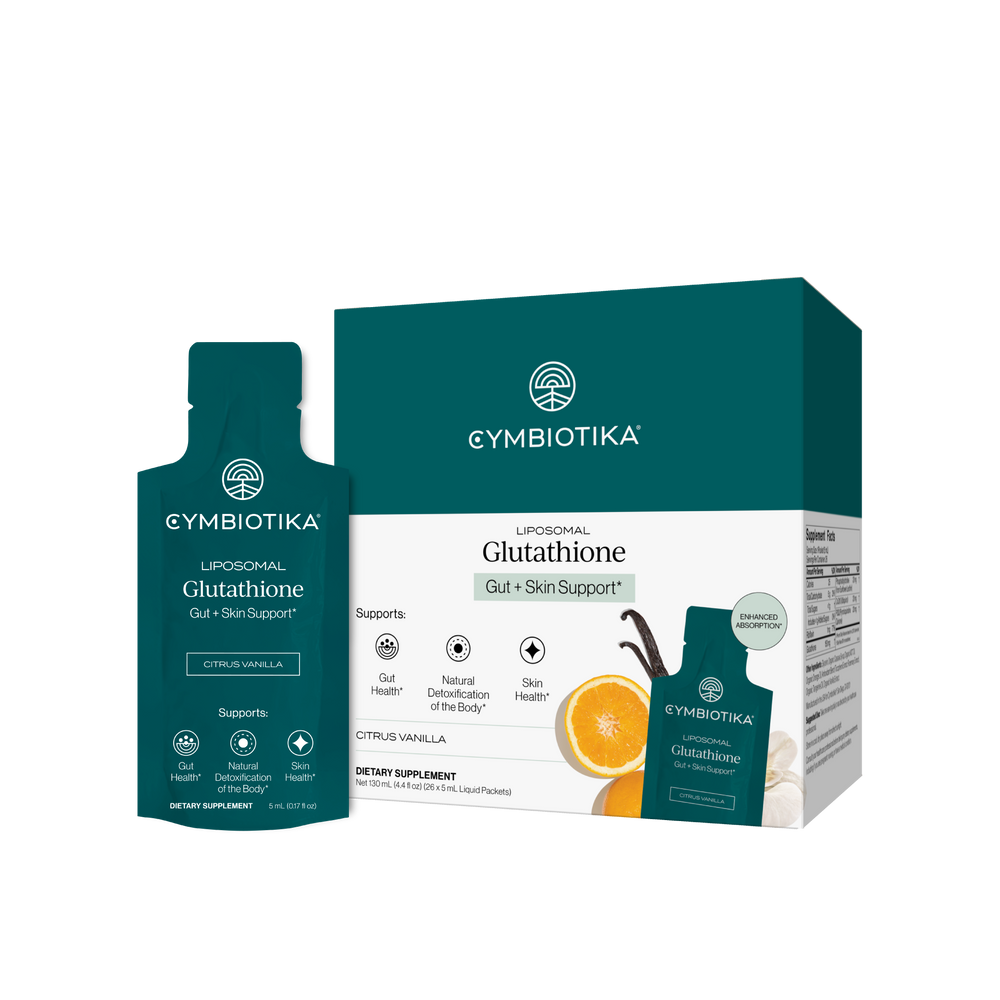
Our Liposomal Glutathione is formulated with this science in mind. We use non-GMO lipids and ensure there are no unnecessary synthetic fillers. This approach respects the body's natural pathways while providing a high-trust solution for those looking to support their energy, immunity, and healthy ageing.
How to Build a Glutathione-Supporting Routine
Building a routine doesn't have to be complicated. Consistency is always more important than intensity. Here is a simple way to get started:
- Step 1: Audit your plate. Try to include at least one serving of cruciferous or allium vegetables with two of your daily meals.
- Step 2: Check your minerals. Eat two Brazil nuts daily or ensure your diet includes high-quality proteins like wild-caught fish or grass-fed beef.
- Step 3: Support absorption. If you choose to supplement, look for a liposomal format. This ensures that the time and money you invest in your wellness actually result in cellular support.
- Step 4: Reduce the "withdrawals." Focus on one lifestyle change this week, such as going to bed 30 minutes earlier or swapping out a chemical-heavy cleaning product.
Bottom line: Increasing glutathione is about providing sulfur-rich building blocks and protecting those stores through smart lifestyle choices and bioavailable supplementation.
The Importance of Trace Minerals
While we have focused on sulfur and selenium, other trace minerals play supporting roles in the glutathione cycle. For example, magnesium is required for the enzymes that initially synthesize glutathione. Zinc is also involved in the broader antioxidant network.
Many people find that their modern diet is lacking in these essential trace minerals due to soil depletion. This is where a mineral-rich complex can be helpful. Our Pürblack Pure Mineral Shilajit provides a broad spectrum of trace minerals and fulvic acid in a traditional live resin format. This supports the underlying cellular environment that glutathione needs to thrive.
Conclusion
Understanding what foods increase glutathione is a powerful step toward taking control of your long-term wellness. By focusing on sulfur-rich vegetables, Vitamin C, and selenium, you give your body the raw materials it needs to protect itself from oxidative stress and support its natural detoxification pathways. However, diet is only one part of the puzzle.
At Cymbiotika, we believe in empowering you with tools that actually work. Whether it is through our advanced liposomal delivery systems or our commitment to third-party tested, clean ingredients, our goal is to help you build a routine you can trust. Wellness is a lifelong journey, and small, consistent choices lead to the greatest results.
If you are ready to personalize your approach to supplementation, we invite you to take our Health Quiz. It is designed to help you identify the specific nutrients your body needs based on your unique goals and lifestyle.
- Focus on sulfur-rich "building blocks" like broccoli and garlic.
- Protect your antioxidant pool with bioavailable Vitamin C.
- Ensure you have the cofactors your body needs, like selenium.
- Prioritize absorption through liposomal technology to ensure your body actually uses what you take.
"True wellness isn't about finding a miracle cure; it's about building a foundation of high-quality nutrients and consistent habits that support your body's natural wisdom."
FAQ
What is the single best food for glutathione?
While no single food is a "magic bullet," asparagus is often cited as having the highest concentration of pre-formed glutathione among vegetables. However, for most people, eating a variety of sulfur-rich cruciferous vegetables like broccoli is more effective because they provide the precursors your body uses to manufacture its own supply.
Does cooking food destroy glutathione?
Yes, high heat and prolonged cooking can significantly reduce the glutathione content in fresh produce. To get the most benefit, it is best to enjoy foods like spinach, avocado, and parsley raw, or lightly steam sulfur-rich vegetables like broccoli to keep their beneficial enzymes intact.
Can I increase glutathione just by eating protein?
Protein provides the amino acids glycine and glutamic acid, but cysteine—the third amino acid needed—is often harder to get in sufficient amounts. Focusing on sulfur-rich proteins like whey, eggs, and grass-fed meats, alongside plant-based sulfur sources, is the best way to ensure your body has all three building blocks.
How long does it take to see results from a glutathione-rich diet?
Every body is different, and results vary based on your starting levels and lifestyle factors. Many people find that after 3 to 4 weeks of consistent dietary changes and bioavailable supplementation, they feel a noticeable difference in their daily energy and overall resilience.