Introduction
Glutathione is often called the master antioxidant for a good reason. It is found in almost every cell in your body, acting as a primary shield against oxidative stress. While your liver produces it naturally, several factors like age, stress, and environmental toxins can lower your levels over time. Many people looking to support their cellular health want to know exactly what foods have glutathione and how to keep their levels optimal through diet.
At Cymbiotika, we believe that understanding the science of nutrition empowers you to take control of your well-being. This guide explores the best dietary sources of this vital molecule, the nutrients that help your body create more of it, and the critical role of bioavailability in your routine. If you want a deeper look at how absorption changes the equation, our guide on Can Glutathione Supplements Be Absorbed? is a helpful place to start. By the end of this article, you will have a clear strategy for using whole foods and smart supplementation to support your body's most important internal defense system.
What Is Glutathione and Why Is It Unique?
Glutathione is a tripeptide, meaning it is a small protein made from three specific amino acids: cysteine, glycine, and glutamic acid. Most antioxidants we talk about, like Vitamin C or Vitamin E, come primarily from the fruits and vegetables we eat. Glutathione is different because your body is designed to manufacture its own supply within the liver and individual cells.
Its primary job is to neutralize free radicals—unstable molecules that can damage cells if left unchecked. It also plays a significant role in supporting the body’s natural detoxification pathways, helping to process and remove environmental impurities. Because it is so central to how our cells function, maintaining steady levels is a cornerstone of healthy ageing and metabolic vitality.
Key Takeaway: Glutathione is an internally produced antioxidant made of three amino acids that protects cells from oxidative damage and supports natural detoxification.
Foods That Contain Glutathione Directly
Direct dietary sources of glutathione are found in several fresh, raw plant and animal products. While the body produces most of its own supply, eating foods that contain the molecule itself can provide a modest boost. However, there is a catch: glutathione is highly sensitive to heat and processing.
If you want to get the most from these foods, you should consume them in their raw or minimally processed state whenever possible.
- Asparagus: This is one of the densest plant sources of glutathione available.
- Avocado: Rich in healthy fats and direct glutathione, avocados are an excellent addition to a wellness-focused diet.
- Spinach: Fresh spinach contains meaningful amounts of the antioxidant, though much of it is lost when boiled or sautéed.
- Okra: Often overlooked, this vegetable is another potent source.
- Fresh Fruits: Strawberries, grapefruit, and apples contain small amounts of glutathione.
Bioavailability is the most important factor to consider when eating these foods. When you eat glutathione in its whole-food form, your digestive system often breaks the molecule down into its individual amino acids before it can reach your bloodstream. This means that while these foods are incredibly healthy, they might not significantly raise the glutathione levels inside your cells on their own.
The Power of Sulfur-Rich Foods
Sulfur is a critical mineral required for the synthesis of glutathione in the liver. Two of the amino acids that make up glutathione—methionine and cysteine—contain sulfur. If your diet is low in sulfur-rich foods, your body may struggle to produce enough of its own master antioxidant.
Cruciferous vegetables are the gold standard for sulfur delivery. These plants contain compounds that may help trigger the body’s internal antioxidant production.
If you want to explore a broader product category built around this approach, the Healthy Aging Supplements collection is a natural next stop.
- Broccoli and Broccoli Sprouts: These are packed with sulforaphane, a compound that supports the Nrf2 pathway. This pathway acts like a "thermostat" for your cells, telling them to increase antioxidant production.
- Brussels Sprouts: These provide the necessary sulfur building blocks for glutathione synthesis.
- Kale and Collard Greens: These leafy greens offer a combination of direct nutrients and sulfur compounds.
- Garlic, Onions, and Leeks: These pungent vegetables are high in allium compounds, which provide the sulfur your liver needs for detoxification.
Quick Answer: While asparagus and avocado contain glutathione directly, the most effective way to boost levels through diet is by eating sulfur-rich foods like broccoli, garlic, and high-quality proteins that provide the building blocks for your body to make its own.
The Role of Protein and Cysteine
Cysteine is often the "limiting factor" in how much glutathione your body can create. Of the three amino acids needed, cysteine is the one most likely to be in short supply. Including high-quality protein sources in your diet ensures you have enough of this "rate-limiting" building block.
Whey protein is particularly effective for this purpose. It is high in a specific form of cysteine called cystine, which is two cysteine molecules linked together. This form is very stable during digestion and is easily used by the cells to manufacture glutathione. If you choose dairy, look for options from grass-fed sources to ensure the highest nutrient density.
For a closer look at finished-form options, the article Which Is Better Reduced or Liposomal Glutathione? is a useful read.
- Beef and Poultry: These are excellent sources of the amino acids required for synthesis.
- Eggs: High in sulfur and cysteine, eggs are a convenient "building block" food.
- Legumes: Lentils and beans provide a plant-based source of the necessary amino acids, though they should be paired with other sulfur-rich foods for the best results.
Supporting Nutrients: Vitamin C and Selenium
Glutathione does not work in a vacuum; it requires "cofactors" to function and regenerate. Once glutathione neutralizes a free radical, it becomes "spent." To turn back into its active, helpful form, it needs help from other vitamins and minerals.
Vitamin C helps maintain glutathione levels by attacking free radicals first. This spares your glutathione stores, allowing them to last longer. Research suggests that consistent Vitamin C intake can help keep the glutathione levels in your red blood cells within a healthy range.
Selenium is a mineral that acts as a structural component of glutathione peroxidase. This is an enzyme that uses glutathione to neutralize harmful peroxides in the body. Without enough selenium, your glutathione can't do its job effectively.
If you are looking for a related formula that fits naturally into this nutrient-supporting routine, Liposomal Vitamin C is one place many people begin.
- Brazil Nuts: Just one or two nuts a day can provide your daily requirement of selenium.
- Seafood: Sardines, halibut, and shrimp are excellent sources of selenium.
- Citrus and Bell Peppers: These are the best ways to get the Vitamin C needed to protect your antioxidant pool.
Key Takeaway: Supporting nutrients like Vitamin C and Selenium are essential because they help regenerate glutathione and allow it to function effectively within the body's enzyme systems.
Why Diet Is Sometimes Not Enough
The biggest challenge with glutathione is its low oral bioavailability. As we mentioned earlier, bioavailability refers to how much of a substance actually makes it into your system to be used by your cells. When you consume glutathione—whether in food or a standard capsule—your stomach acid and digestive enzymes often dismantle the molecule.
By the time it reaches your small intestine, it may no longer be the "master antioxidant" it started as. It has been broken down into three separate amino acids. While your body can use those pieces to try and rebuild glutathione, it is an inefficient process. This is why many people feel they aren't seeing the benefits they expected from a glutathione-rich diet alone.
We solve this problem by using liposomal delivery. A liposome is a tiny, microscopic bubble made of phospholipids—the same material that makes up your cell membranes. By wrapping the glutathione molecule in this protective layer, we allow it to bypass the harsh environment of the stomach. This design is intended to deliver the antioxidant directly into the bloodstream and into your cells, where it can do its best work.
If you want to explore the formulation side in more detail, read What is the Best Form of Glutathione?.
Myth: All glutathione supplements work the same way.
Fact: Standard capsules are often broken down in the stomach. Liposomal delivery protects the molecule to support significantly better absorption at the cellular level.
Lifestyle Habits That Protect Your Levels
What you do is just as important as what you eat when it comes to glutathione. Because this molecule is used up during times of stress, certain lifestyle choices can "drain the tank" faster than you can refill it.
Prioritizing sleep is one of the most effective ways to maintain your levels. During deep sleep, your body goes into a state of repair. Studies have shown that chronic lack of sleep can significantly deplete antioxidant levels. Aiming for 7 to 9 hours of quality rest gives your liver the time it needs to regenerate its stores.
Moderate, consistent exercise helps your body become more efficient. When you work out, you create a small amount of oxidative stress. In response, your body adapts by increasing its internal production of antioxidants, including glutathione. However, overtraining without enough recovery can have the opposite effect, so balance is key.
For a broader look at products built around everyday resilience, the All Natural Energy Supplements collection is worth exploring.
Reducing your toxic load protects your existing supply. Glutathione is used to process everything from alcohol to environmental pollutants. By choosing organic produce, using clean household cleaners, and filtering your water, you give your body less work to do, leaving more glutathione available for other essential functions.
Building a Routine That Works
A successful wellness routine is built on consistency and high-quality choices. If you are looking to support your glutathione levels, start with a "food first" approach while acknowledging where the gaps might be.
Step 1: Diversify your plate.
Start by adding one sulfur-rich food to every meal. This could be sautéed kale with your eggs in the morning, a large salad with raw broccoli at lunch, or roasted Brussels sprouts with dinner.
Step 2: Focus on cofactors.
Include a source of Vitamin C and Selenium daily. A small handful of berries and two Brazil nuts are an easy way to cover these bases without much effort.
Step 3: Support absorption.
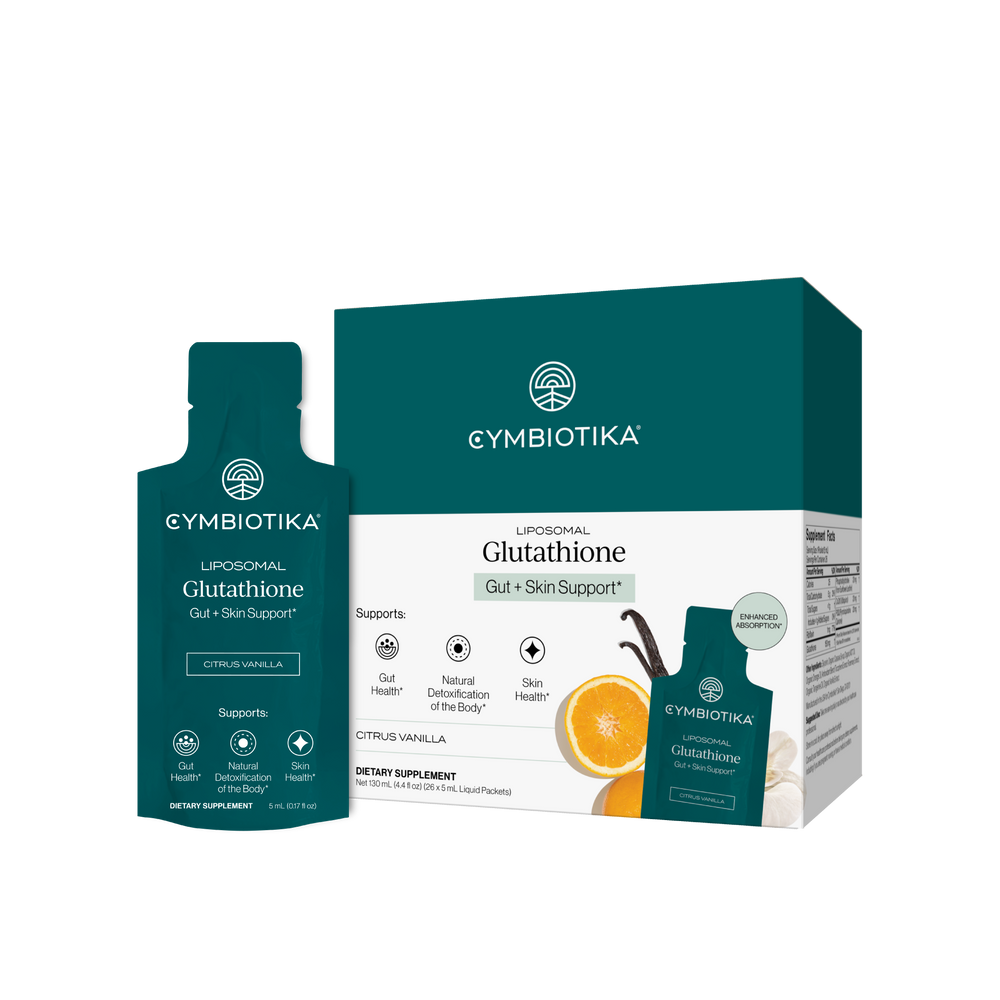
If you find that diet alone isn't meeting your needs—perhaps because of a busy lifestyle or increased stress—consider a high-bioavailability supplement. Our Liposomal Glutathione is designed to ensure the master antioxidant actually reaches your cells. By mimicking the structure of your own cell membranes, we support the absorption that standard supplements often lack.
Step 4: Track your energy and recovery.
Pay attention to how you feel over several weeks. Many people find that supporting their antioxidant levels leads to more stable energy throughout the day and better resilience to everyday stressors.
If you are still deciding how to personalize your routine, the Cymbiotika Expert quiz can help point you in the right direction.
| Food Category | Key Nutrient | Why It Helps |
|---|---|---|
| Cruciferous Veggies | Sulfur / Sulforaphane | Provides building blocks and triggers production |
| High-Quality Protein | Cysteine | The "limiting factor" amino acid for synthesis |
| Citrus & Peppers | Vitamin C | Spares glutathione and helps it regenerate |
| Brazil Nuts & Seafood | Selenium | Essential for the enzymes that use glutathione |
| Raw Veggies | Direct Glutathione | Provides a direct, though small, dietary boost |
The Cymbiotika Difference
At Cymbiotika, we are committed to transparency and science-forward formulations. We know that wellness starts with trust, which is why we never use unnecessary fillers or synthetic ingredients. Our focus is always on bioavailability—because it doesn't matter what is on the label if your body can't actually use it.
If you want more context on how delivery systems affect your results, How Long Does It Take for Glutathione to Work? is a helpful companion read.
By combining a diet rich in sulfur and protein with our advanced liposomal delivery systems, you can build a routine that truly supports your cellular health. Our mission is to provide you with the tools and education needed to navigate your health journey with confidence.
Conclusion
Supporting your glutathione levels is a multi-faceted process. While knowing what foods have glutathione—like asparagus and avocado—is a great start, the real power lies in providing your body with the sulfur and amino acids it needs to make its own. By protecting those levels through healthy sleep, moderate exercise, and targeted, high-absorption supplementation, you can support your body's natural resilience.
Bottom line: Diet provides the foundation, but bioavailability is the key to ensuring your cells actually benefit from the master antioxidant.
If you want to compare how different formats stack up, What Form of Glutathione Is Best for Maximum Absorption? is a smart next step. And if you are ready to take the next step in your wellness journey, we invite you to take our Health Quiz. It is designed to help you identify the specific nutrients your body needs most and provides a personalized plan to help you reach your goals.
FAQ
Can cooking food destroy the glutathione in it?
Yes, glutathione is very sensitive to heat. Cooking, especially boiling or high-heat frying, can significantly reduce the amount of glutathione available in foods like spinach and asparagus. To get the most benefit, try eating these foods raw, steamed, or very lightly sautéed.
Why is cysteine so important for glutathione?
Cysteine is one of the three amino acids that make up glutathione, but it is often the hardest for the body to obtain in sufficient amounts. It is considered the "rate-limiting" step, meaning your body can only make as much glutathione as it has cysteine available. Eating high-quality proteins like whey or eggs helps ensure you have an adequate supply.
How does Vitamin C help with glutathione levels?
Vitamin C and glutathione work together in a recycling loop. Vitamin C can neutralize free radicals directly, which "spares" your glutathione stores so they aren't used up as quickly. Additionally, Vitamin C helps convert "spent" glutathione back into its active, helpful form.
Is eating glutathione-rich food enough to raise my levels?
While eating these foods is excellent for overall health, it may not significantly raise the glutathione levels inside your cells. This is because the digestive system often breaks down the glutathione molecule before it can be absorbed into the bloodstream. This is why focus is often placed on "precursor" foods and liposomal supplements that support better absorption.
Which form is best if I want a supplement that fits my routine?
If you want to compare options more closely before choosing, the Reduced vs. Liposomal Glutathione guide can help you understand the difference in format and absorption.