Introduction
If you look at the molecular makeup of the human body, one substance stands above the rest in volume: water. It is the medium in which every biological reaction takes place. Because our internal environment is primarily aqueous, the substances our bodies rely on most must be able to navigate that environment effectively. This brings us to glutathione, often called the "master antioxidant."
Glutathione is a tripeptide—a small protein made of three amino acids—that exists in nearly every cell in your body. One of its most defining physical characteristics is that it is freely soluble in water. At Cymbiotika, we believe that understanding the "how" and "why" of nutrient behavior is the first step toward better health. In this article, we will explore the molecular structure that allows glutathione to dissolve in water and why this specific trait is vital for cellular protection and detoxification.
While solubility is a physical property, it has profound implications for how your body uses this molecule to neutralize free radicals and export toxins. However, as we will discuss, solubility does not always translate to easy absorption. We will examine the chemistry of glutathione, its role in the aqueous environment of the cell, and how formulation design can help overcome the challenges of bioavailability.
The Molecular Structure of a Tripeptide
To understand why glutathione is soluble in water, we first have to look at what it is made of. Glutathione is a tripeptide, which simply means it is a molecule composed of three amino acids linked together. These three building blocks are glutamic acid, cysteine, and glycine.
The way these amino acids are bonded is unique. Most proteins are linked by standard peptide bonds. Glutathione, however, features a gamma-peptide linkage between the glutamic acid and the cysteine. This specific bond is important because it makes the molecule more resistant to being broken down by certain enzymes in the body.
The presence of these three amino acids provides glutathione with several "functional groups." In chemistry, a functional group is a specific group of atoms within a molecule that is responsible for its characteristic chemical reactions. Glutathione contains:
- Carboxyl groups (-COOH): Found in the glutamic acid and glycine components.
- Amino group (-NH2): Found in the glutamic acid component.
- Thiol group (-SH): Found in the cysteine component.
These groups are the reason glutathione behaves the way it does in a watery environment.
The Chemistry of Solubility: Polarity and Hydrogen Bonding
The primary reason glutathione is soluble in water is its polarity. In chemistry, water is known as a polar solvent. This means that a water molecule has a partial positive charge on one side and a partial negative charge on the other. Because of this, water molecules act like tiny magnets.
For a substance to dissolve in water, it generally needs to be polar as well. Glutathione is highly polar because of the oxygen, nitrogen, and sulfur atoms in its structure. These atoms are "electronegative," meaning they pull electrons toward themselves. This creates areas of positive and negative charge across the glutathione molecule.
Bolded Key Phrases: When glutathione meets water, its polar groups form hydrogen bonds with the water molecules. A hydrogen bond is a weak attraction between a hydrogen atom and an electronegative atom like oxygen or nitrogen. Because glutathione has multiple sites where these bonds can form, water molecules easily surround the glutathione molecule, pulling it into solution.
Key Takeaway: Glutathione’s solubility is driven by its polar functional groups, which allow it to form a network of hydrogen bonds with water molecules, enabling it to dissolve and move freely through the body’s fluids.
For a broader look at how glutathione works in the body, explore this guide to glutathione’s role in cellular health.
Why Water Solubility Is Essential for Cellular Function
The fact that glutathione dissolves in water is not a biological accident; it is a necessity for its function. Most of the work glutathione does happens in the cytosol, which is the fluid that fills the inside of your cells. The cytosol is essentially a water-based "soup" where all the cell's machinery resides.
If glutathione were fat-soluble (lipophilic) instead of water-soluble (hydrophilic), it would likely get stuck in the fatty membranes of the cell. While the cell membranes need protection too, the majority of "oxidative stress"—the damage caused by reactive molecules—occurs in the aqueous environment of the cytosol and the mitochondria.
Because it is water-soluble, glutathione can:
- Diffuse rapidly: It can move quickly to where it is needed most, like a firefighter moving through a building.
- Maintain high concentrations: It can reach levels of 0.5 to 10 mmol/L in the cytosol, which is quite high for a single molecule.
- Support other antioxidants: It helps "recharge" other antioxidants like Vitamin C, which is also water-soluble.
Bottom line: Being water-soluble allows glutathione to act as a ubiquitous shield throughout the fluid-filled compartments of every cell.
The Role of Solubility in Detoxification
One of the most important jobs glutathione has is supporting the liver’s detoxification pathways. This process happens in two main phases. In Phase I, the liver begins to break down toxins. In Phase II, the liver attaches a molecule to the toxin to make it easier for the body to get rid of. This attachment process is called conjugation.
Many toxins, such as environmental pollutants and certain metabolic byproducts, are fat-soluble. This is a problem because the body has a hard time excreting fat-soluble substances. They tend to stick around in fatty tissues.
Glutathione is the key player here. Through a process called the mercapturic acid pathway, the liver attaches a glutathione molecule to a fat-soluble toxin. Because glutathione is so water-soluble, it effectively "tags" the toxin and changes its physical properties.
Myth: "Detox" is a one-time event or a specific diet. Fact: Detoxification is a constant cellular process. Glutathione works daily to turn fat-soluble waste into water-soluble compounds that can be flushed out through the kidneys or bile.
This transformation is critical. By making the toxin water-soluble, glutathione allows the body to move that waste into the urine or stool for excretion. Without this water-soluble "tag," these harmful substances could accumulate in the body.
For more on this topic, read how glutathione supports natural detoxification or explore Cymbiotika’s Detox collection.
The Challenge of Oral Bioavailability
While glutathione’s water solubility is a massive advantage once it is inside your cells, it presents a challenge when you take it as a standard supplement. Many people assume that if a substance is soluble in water, it will be easily absorbed by the body. In the case of glutathione, the opposite is often true.
The human digestive tract is designed to break down proteins. Since glutathione is a tripeptide (a small protein), the enzymes in your stomach and small intestine, called proteases, quickly begin to tear it apart. They break it down into its three component amino acids: glutamate, cysteine, and glycine.
By the time these reach your bloodstream, they are no longer glutathione. While your body can use these raw materials to build its own glutathione, this process is slow and can be limited by the availability of cysteine. Furthermore, once standard glutathione is in the gut, there isn't a highly efficient "gatekeeper" or transport protein to pull the whole molecule into the bloodstream before it gets digested.
This is why many standard glutathione capsules or powders have low bioavailability. Bioavailability refers to the amount of a substance that actually reaches your circulation and is available for the body to use. If a supplement is broken down in the stomach, its bioavailability is significantly reduced.
For a deeper explanation, explore this guide to increasing glutathione absorption.
Solving the Absorption Puzzle with Liposomal Delivery
At Cymbiotika, we recognize that even the most high-quality ingredients are useless if the body cannot absorb them. This is where the difference between "solubility" and "bioavailability" becomes clear. To protect the water-soluble glutathione from the harsh environment of the digestive system, we use liposomal delivery.
A liposome is a tiny, spherical vesicle made of phospholipids—the same fats that make up your own cell membranes. Think of a liposome as a protective "lifeboat." Inside the lifeboat, we place the water-soluble glutathione. The outside of the lifeboat is fatty (lipid-based).
This design provides two major benefits:
- Protection: The phospholipid shell shields the glutathione from stomach acid and digestive enzymes, preventing it from being broken down prematurely.
- Enhanced Absorption: Because your cell membranes are also made of phospholipids, the liposome can fuse more easily with the cells lining your small intestine. This allows the glutathione to enter your bloodstream intact.
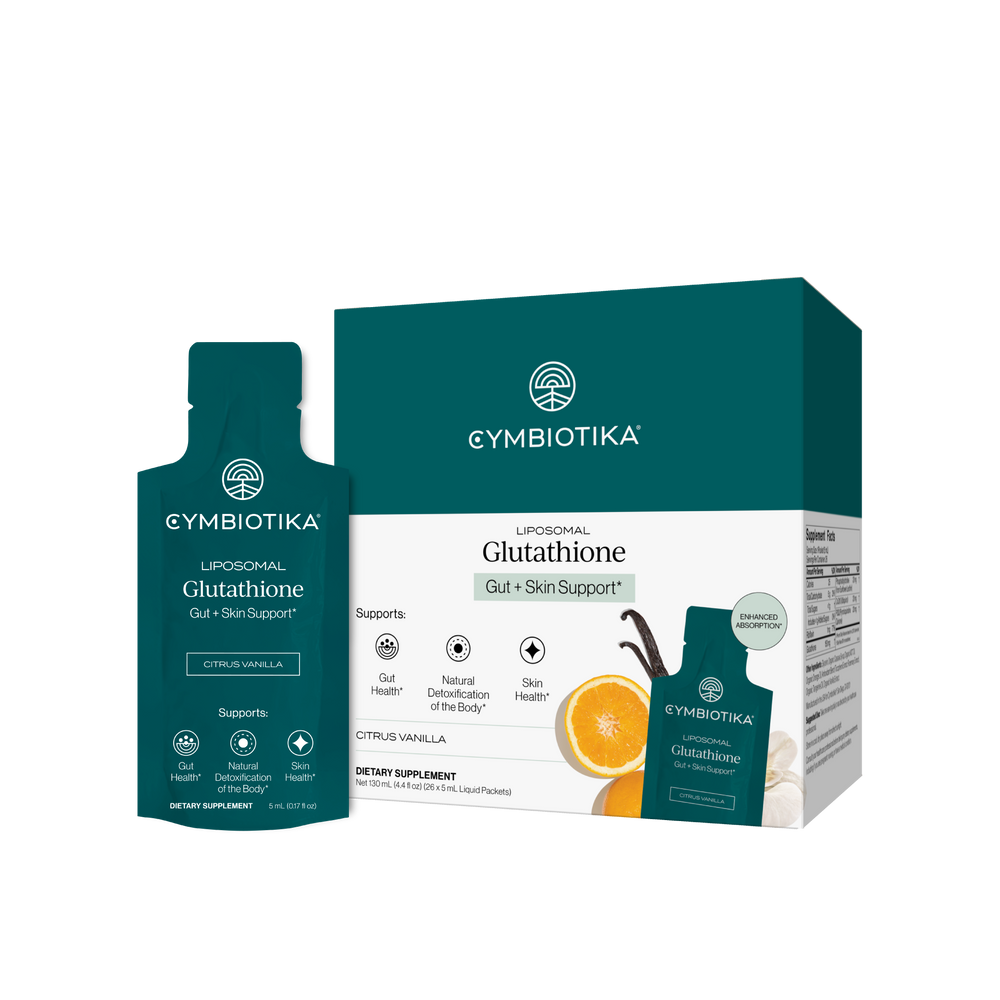
By using this advanced delivery method, we ensure that the glutathione remains in its active, reduced form (GSH). Our Liposomal Glutathione is designed to bypass the traditional barriers of digestion, supporting absorption at the cellular level where it can actually do its job.
Key Takeaway: Solubility is the reason glutathione works in the cell, but liposomal delivery is the reason it gets into the cell in the first place.
Learn more about the science behind liposomal delivery.
How to Build a Routine for Glutathione Support
If you are looking to support your body's levels of this master antioxidant, consistency is more important than intensity. Because glutathione is used constantly to neutralize oxidative stress and process toxins, your body needs a steady supply.
Many people find that taking glutathione in the morning on an empty stomach is the most effective way to start their day. This provides cellular support as you head into a day of environmental exposures, whether that is pollution, UV rays, or the natural byproducts of a busy metabolism.
When building your routine, consider these steps:
- Step 1: Focus on Bioavailability. / Choose a liposomal format. Standard capsules often fall short because the glutathione is broken down before it can reach your cells.
- Step 2: Provide the Building Blocks. / Support your body's natural production by eating sulfur-rich foods like garlic, onions, and cruciferous vegetables (broccoli, kale, Brussels sprouts).
- Step 3: Support the Co-factors. / Glutathione doesn't work alone. It needs minerals like selenium and vitamins like B12 and Vitamin C to stay in its "active" state.
- Step 4: Stay Consistent. / Like any wellness habit, the benefits of glutathione support accumulate over time as your cellular stores are maintained.
The Connection Between Glutathione and Healthy Ageing
As we age, our bodies naturally produce less glutathione. At the same time, the cumulative "oxidative load" from years of living can increase. This imbalance is one of the reasons that supporting glutathione levels is often linked to healthy ageing.
When glutathione levels are optimal, the body is better equipped to handle the "rusting" process of oxidation. Since it is water-soluble, it protects the delicate structures inside the cell, including DNA and the mitochondria (the cell's power plants). By maintaining a robust antioxidant shield, you are essentially helping your cells maintain their youthful function.
We also see the importance of glutathione in skin health. The skin is constantly exposed to water-soluble and fat-soluble stressors. Glutathione’s ability to neutralize these stressors from the inside out may help support a healthy, radiant glow. It’s not about a quick fix; it’s about providing your cells with the tools they need to stay resilient.
Explore additional products and resources in Cymbiotika’s Healthy Aging collection or learn more about glutathione and skin health.
Why Quality and Transparency Matter
In the world of supplements, not all formulations are created equal. Because glutathione is a sensitive molecule, it can easily oxidize (become inactive) if it is exposed to heat or air during manufacturing. This is why transparency in sourcing and testing is so critical.
We prioritize third-party testing to ensure that what is on the label is actually in the bottle. We also avoid unnecessary synthetic fillers and artificial preservatives that could add to your body's toxic load—the very thing glutathione is trying to help you manage.
When you choose a supplement, you should feel empowered by the knowledge that the formulation was designed with science in mind. Our commitment to bioavailability is not just a marketing point; it is a fundamental part of how we ensure our products provide real value to your wellness routine.
Conclusion
The water solubility of glutathione is a fundamental chemical property that dictates how it functions as the body's master antioxidant. It allows the molecule to thrive in the aqueous environment of our cells, moving quickly to neutralize free radicals and transforming dangerous toxins into waste that the body can easily excrete. However, that same solubility makes it a target for digestive enzymes, which is why standard oral supplements often struggle with low absorption.
By understanding the synergy between glutathione’s natural chemistry and advanced liposomal delivery, you can make more informed choices for your health. Our goal is to provide you with the cleanest, most effective tools to support your body's natural resilience. Whether you are looking to support your liver, boost your antioxidant defenses, or promote healthy ageing, glutathione is a foundational piece of the puzzle.
If you are ready to take the next step in your wellness journey, we recommend starting with our Health Quiz. It is designed to help you identify your specific needs and build a personalized routine that fits your lifestyle. Wellness starts with trust, and we are here to provide the transparency and quality you deserve.
Bottom line: Glutathione’s ability to dissolve in water makes it the perfect cellular protector, and liposomal technology ensures that this protector actually reaches your cells.
FAQ
Why is glutathione called a water-soluble antioxidant?
Glutathione is called a water-soluble antioxidant because its molecular structure contains polar functional groups, such as carboxyl and amino groups. These groups allow it to form hydrogen bonds with water molecules, enabling it to dissolve and function within the fluid-filled parts of your cells. This is essential because many of the free radicals it neutralizes are also located in these aqueous environments.
Can I get enough glutathione from my diet?
While some foods like spinach, avocados, and asparagus contain glutathione, it is difficult to significantly raise your cellular levels through food alone. This is because the digestive system efficiently breaks down the glutathione protein into its individual amino acids during digestion. To support your levels, it is often more effective to focus on "precursor" foods rich in sulfur or use a high-bioavailability liposomal supplement.
What is the difference between "reduced" and "oxidized" glutathione?
Reduced glutathione (GSH) is the active form of the molecule that is ready to neutralize free radicals by donating an electron. Once it has donated its electron, it becomes "oxidized" (GSSG). In a healthy cell, the body uses enzymes to quickly "recycle" oxidized glutathione back into its active, reduced state, maintaining a high ratio of GSH to GSSG.
Why is absorption such a problem for glutathione supplements?
The main problem with glutathione absorption is that it is a tripeptide, which the stomach and intestines treat like any other protein. Digestive enzymes called proteases break the molecule apart before it can enter the bloodstream intact. Liposomal delivery systems are designed to protect the glutathione from these enzymes, allowing it to be absorbed through the gut lining while still in its complete, active form.