Introduction
Finding the right balance in your supplement routine often feels like a puzzle. You want to support your body's natural defenses without overcomplicating your daily habits. When it comes to glutathione, often called the "master antioxidant," the question of dosage is one of the most common inquiries we receive at Cymbiotika. Because this compound is found in almost every cell of your body, understanding how to supplement it effectively is key to maintaining long-term vitality.
The safe dosage of glutathione depends on your personal goals, your current health status, and the delivery method you choose. This article will explore the standard ranges used in clinical research, the importance of bioavailability in your choice of supplement, and how to build a routine that supports your body’s internal antioxidant production. By the end, you will have a clear understanding of how to integrate this powerhouse nutrient into your lifestyle safely and effectively.
Quick Answer: For most healthy adults, a safe daily dosage of oral glutathione ranges between 250 mg and 1,000 mg. While some specific protocols use up to 2,000 mg for short periods, consistency and absorption quality are generally more important than high milligram counts.
What Is Glutathione and Why Does It Matter?
Glutathione is a tripeptide composed of three specific amino acids: cysteine, glycine, and glutamic acid. It is naturally produced by your liver and is involved in hundreds of biological processes. Unlike many other antioxidants that you only get from food, your body is designed to manufacture its own supply of glutathione to protect against oxidative stress.
Oxidative stress occurs when there is an imbalance between free radicals and antioxidants in your body. Think of free radicals as metabolic byproducts that can cause wear and tear on your cells over time. Glutathione acts as a primary shield, neutralizing these molecules before they can cause significant damage. It also plays a vital role in the body’s natural detoxification pathways, helping to process and eliminate environmental toxins and metabolic waste.
As we age, our natural production of glutathione tends to decline. External factors like a poor diet, environmental pollution, and daily stress can further deplete our internal stores. When these levels drop, our cells may become more vulnerable to the effects of aging and environmental "taxation." This is why many people look to supplementation to help bridge the gap and maintain a resilient internal environment. If you want to explore how this fits into a broader routine, the Healthy Aging Supplements collection is a natural place to start.
The Bioavailability Factor: Why "How Much" Isn't the Only Question
When researching what is the safe dosage of glutathione, it is easy to get caught up in the numbers on the label. However, the total milligrams you swallow do not always equal the amount that reaches your bloodstream. This is where the concept of bioavailability becomes essential. Bioavailability refers to the proportion of a nutrient that your body can actually absorb and use.
Standard oral glutathione capsules often have very low bioavailability. The digestive system is a harsh environment. Traditional tablets and capsules must pass through the stomach, where stomach acid and digestive enzymes can break down the fragile glutathione molecule before it ever reaches the small intestine for absorption. For a deeper look at the delivery method, our All About Liposomes guide explains the basics.
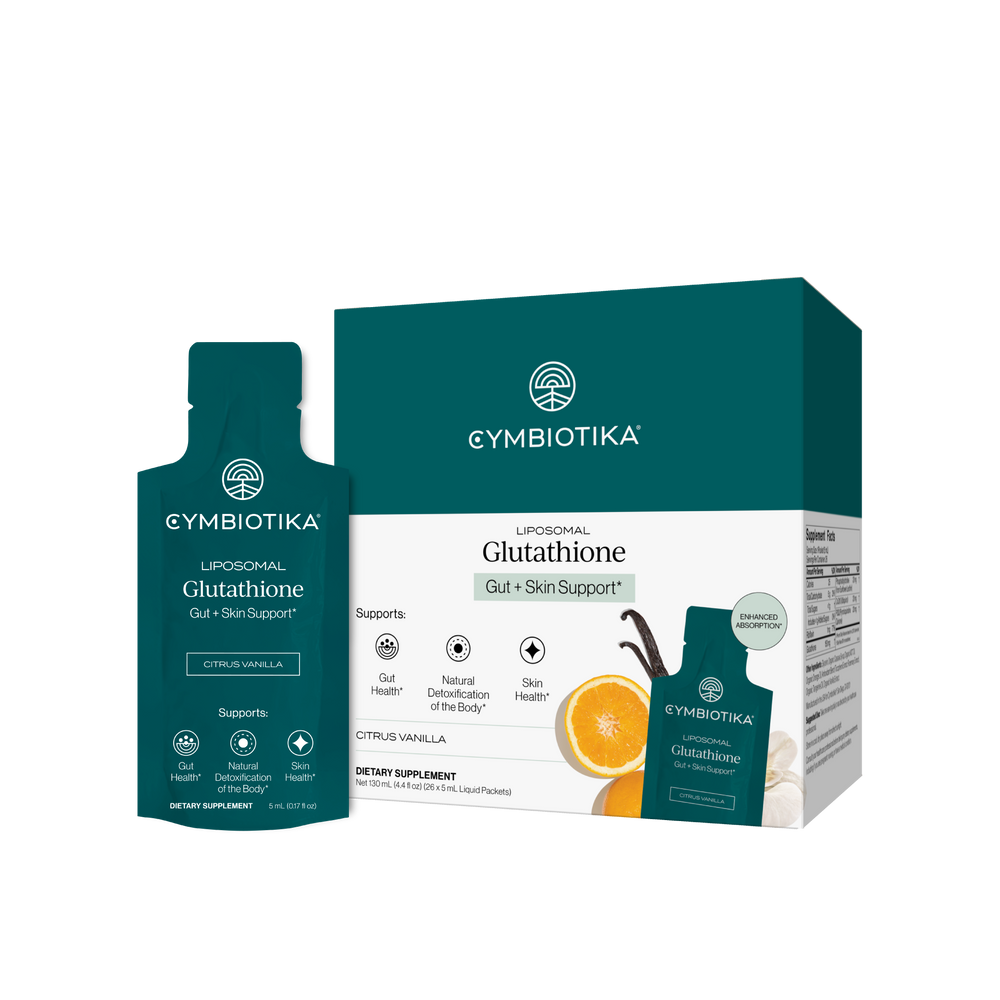
Liposomal delivery is designed to solve this absorption challenge. We utilize liposomal technology to protect the nutrient as it travels through your digestive tract. Liposomal delivery involves wrapping the glutathione in tiny, fat-like spheres called phospholipids. These phospholipids form a protective layer, known as a phospholipid bilayer, which is identical to the structure of your own cell membranes. If you want to see that approach in a formula, the Liposomal Glutathione product page shows the exact supplement used in this routine.
Key Takeaway: A lower dose of highly bioavailable liposomal glutathione is often more effective than a high dose of a standard powder or capsule. When choosing a supplement, prioritize delivery technology over raw milligram weight.
Determining the Safe Dosage for Your Goals
Because everyone's biology is unique, there is no single "perfect" dose for every person. However, clinical studies and wellness protocols typically fall into three main categories of usage. It is always important to remember that results vary and you should consult with a healthcare professional before starting a new supplement, especially if you have an existing medical concern.
General Wellness and Maintenance
For those looking to support their overall health and maintain steady antioxidant levels, a daily dose of 250 mg to 500 mg is standard. This range is generally considered safe for long-term, daily use. It helps replenish the glutathione that is naturally used up during your body’s daily metabolic processes. Many people find this "maintenance dose" is sufficient to support energy levels and a healthy immune response. The Immunity Supplements collection can be helpful if your routine also includes broader immune support.
Targeted Support and Skin Health
If you are looking for more robust support, such as promoting a brighter complexion or assisting the body during times of higher stress, doses often increase to 500 mg to 1,000 mg per day. Glutathione is well-known for its role in skin health because it may help inhibit the activity of tyrosinase, an enzyme involved in the production of melanin. By supporting healthy melanin levels, it can help promote a more even and radiant skin tone. If skin support is part of your goal, the article What Is Glutathione Good For Skin? offers a useful next read.
Short-Term High-Dose Protocols
In some cases, healthcare providers may recommend up to 2,000 mg per day for a short duration. This higher range is typically used to jumpstart the body's antioxidant bank after a period of significant depletion. However, taking more than 2,000 mg daily for extended periods is generally not recommended unless under direct medical supervision, as it could potentially lead to mineral imbalances or digestive discomfort.
| Usage Goal | Typical Dosage Range | Duration |
|---|---|---|
| General Maintenance | 250 mg – 500 mg | Ongoing/Daily |
| Targeted Support | 500 mg – 1,000 mg | 3–6 Months |
| Intensive Support | 1,000 mg – 2,000 mg | Short-term (under supervision) |
Factors That Influence Your Optimal Dosage
Your age is one of the most significant factors in determining your needs. As we move into our 30s and 40s, our natural ability to synthesize glutathione begins to slow down. If you are older, you might find that a slightly higher dose helps you feel more like your younger self.
Environmental exposure also plays a role. If you live in a busy city with high levels of pollution, or if your job exposes you to various chemicals and toxins, your body may be using up its glutathione stores faster than someone in a more pristine environment. Your "antioxidant tax" is higher, meaning you might benefit from more consistent or higher-dosage supplementation.
Lifestyle habits like alcohol consumption and smoking can rapidly deplete glutathione. The liver uses vast amounts of glutathione to process alcohol. If you are someone who enjoys an active social life, ensuring you have enough antioxidant support is vital for liver health. Our Liposomal Glutathione formula is designed with these modern lifestyle challenges in mind, providing a clean and efficient way to support your natural detox pathways.
How to Take Glutathione for Maximum Benefit
Consistency is far more important than intensity when it comes to antioxidants. Taking a massive dose once a week will not provide the same benefits as taking a smaller, measured dose every single morning. Your body prefers a steady supply of nutrients rather than a "flood and famine" approach.
Timing your dose can also make a difference. Many wellness experts recommend taking glutathione on an empty stomach, usually about 15 to 20 minutes before breakfast. This allows the liposomal spheres to move through the stomach quickly and reach the absorption sites in the small intestine without being slowed down by a heavy meal.
If you have a sensitive stomach, you can certainly take it with a light snack. Because our formulas are designed for high bioavailability, they are generally gentle on the digestive system. If you find that taking it in the morning doesn't fit your schedule, taking it before bed is another popular option, as the body undergoes significant repair and detoxification while you sleep.
A Simple Step-by-Step Routine
- Assess your needs: Decide if you are looking for basic maintenance (250-500 mg) or more targeted support (500-1,000 mg).
- Choose your format: Opt for a liposomal liquid for the best absorption at the cellular level.
- Set a schedule: Take your dose at the same time each day to build a habit.
- Pair with cofactors: Take your glutathione alongside Vitamin C to help "recycle" the antioxidant within your cells.
- Monitor and adjust: Pay attention to how you feel over 4 to 8 weeks before deciding to increase or decrease your dose.
For a complementary antioxidant option, the Liposomal Vitamin C product is a simple companion to consider.
The Role of Precursors and Cofactors
Your body does not work in isolation; it functions as a complex network of nutrients. To get the most out of your glutathione supplement, you should ensure you are providing the building blocks and support molecules it needs to function correctly.
Vitamin C is perhaps the most important partner for glutathione. These two antioxidants work in a continuous loop. When glutathione neutralizes a free radical, it becomes "oxidized" or spent. Vitamin C helps to "reduce" or reactivate the glutathione so it can go back to work. This synergy is why many of our formulations include both or are designed to be taken together in a stack.
N-acetyl cysteine (NAC) is a direct precursor to glutathione. Since cysteine is often the scarcest amino acid in the production process, supplementing with NAC can help your body produce more of its own internal glutathione. Selenium is another critical cofactor; it is a mineral required for the function of glutathione peroxidase, an enzyme that allows glutathione to actually neutralize harmful peroxides in the body. To learn more about how glutathione fits into the bigger picture, see Understanding How Glutathione Works in Our Body.
Myth: Taking more glutathione is always better.
Fact: High doses can sometimes lead to the body downregulating its own natural production. It is often better to use a moderate, highly bioavailable dose and provide the body with the cofactors (like Vitamin C and Selenium) it needs to recycle and produce its own supply.
Safety Considerations and Potential Side Effects
Glutathione is generally recognized as safe for most adults when used appropriately. Because it is a substance your body already produces, it is usually very well-tolerated. However, as with any supplement, there are a few things to keep in mind.
Some people may experience mild digestive symptoms when starting a routine. This can include bloating, abdominal cramps, or loose stools. These symptoms are often temporary and can usually be resolved by reducing the dose for a few days and then slowly increasing it as your body adjusts.
There are a few specific groups who should exercise caution. If you have asthma, you should consult your doctor before using inhaled forms of glutathione, as it could potentially trigger wheezing. For those who are pregnant or breastfeeding, scientific data on supplemental glutathione is limited, so it is always best to have a conversation with your healthcare provider first.
Long-term use of very high doses may theoretically impact zinc levels. Some studies suggest that prolonged, excessive intake of glutathione could interfere with the absorption of certain minerals. This is another reason why we advocate for a balanced approach—using a high-quality, bioavailable formula at a moderate dose rather than chasing the highest possible milligram count.
Why Quality and Transparency Matter
In the supplement world, not all products are created equal. Many companies use synthetic fillers, artificial flavors, or low-grade ingredients to keep costs down. When you are putting something into your body every day, you deserve to know exactly what is in it and where it comes from.
We believe that wellness starts with trust. That means every ingredient we use is third-party tested for purity and potency. Our commitment to transparency ensures that our Liposomal Glutathione is free from unnecessary synthetic additives and GMOs. We focus on sourcing high-quality ingredients that your body can actually recognize and use.
Building a routine is about more than just buying a product; it’s about making an informed choice for your long-term health. By choosing a formula that prioritizes bioavailability, you are ensuring that your investment in your wellness actually yields results at the cellular level.
Frequently Asked Questions About Glutathione Dosage
How long does it take for glutathione supplements to work?
Results vary depending on your starting levels and the dose you are taking. Most people begin to notice subtle changes in their energy levels or skin radiance within 4 to 6 weeks of consistent daily use. For more significant goals, such as supporting the body’s natural detoxification pathways, it may take 3 to 4 months of a steady routine to see the full benefits.
Can I take glutathione every day?
Yes, daily supplementation is the most effective way to maintain consistent antioxidant levels in your body. Because glutathione is used up by your cells every day to fight oxidative stress, a daily dose helps ensure your "antioxidant bank account" stays full. Most people find that a daily maintenance dose of 250 mg to 500 mg is ideal for long-term support.
Should I take glutathione in the morning or at night?
While you can take it at any time, many people prefer taking it in the morning on an empty stomach to maximize absorption. Taking it early in the day can also help provide antioxidant protection against the environmental stressors you encounter during the day. However, if you find it more convenient to take at night, your body will still benefit from the support during its natural nighttime repair cycle.
Are there any foods that can help boost my glutathione levels?
While you can’t get large amounts of glutathione directly from food, you can eat foods that provide the precursors your body needs to make it. Sulfur-rich foods like garlic, onions, and cruciferous vegetables (broccoli, Brussels sprouts, kale) are excellent for supporting glutathione production. Additionally, foods high in Vitamin C and selenium, such as citrus fruits and Brazil nuts, help your body maintain and recycle its glutathione stores.
Building a Routine You Can Trust
Choosing the right supplement is about more than just finding the highest dose; it’s about finding a formula that respects your body’s biology. We are dedicated to providing science-forward solutions that prioritize absorption and transparency. Whether you are looking to support your immune system, improve your skin’s natural glow, or protect your cells from the stressors of modern life, glutathione is a powerful tool in your wellness toolkit.
Consistency is the key to any successful wellness journey. By starting with a safe, effective dose of a highly bioavailable supplement, you are setting the foundation for long-term health. We encourage you to listen to your body, stay consistent with your habits, and choose products that align with your values of purity and quality.
If you are unsure where to start or which dose is right for your specific needs, we recommend taking our Health Quiz. It is designed to help you navigate our offerings and build a personalized routine that fits your unique lifestyle and goals. Wellness is not a one-size-fits-all journey, and we are here to provide the tools and education you need to make the best decisions for your health.
Bottom line: A safe dosage of glutathione typically falls between 250 mg and 1,000 mg daily. By choosing a liposomal delivery system, you can ensure that your body actually absorbs the nutrients you are providing, leading to more meaningful results.
FAQ
What is the maximum safe dose of glutathione per day?
While there is no officially established "upper limit" by the FDA, most clinical research suggests that up to 2,000 mg per day is well-tolerated by most adults for short periods. For long-term daily use, most experts recommend staying within the 250 mg to 1,000 mg range to avoid potential mineral imbalances or digestive strain. Always consult a healthcare professional before attempting a high-dose protocol.
Can glutathione cause side effects?
Glutathione is generally very safe, but some individuals may experience mild side effects like bloating, gas, or abdominal cramps, particularly when starting a high dose. In very rare cases, allergic reactions like a skin rash may occur. If you notice any persistent discomfort, it is best to lower your dose or stop use and consult your doctor.
Does oral glutathione actually work?
Standard oral glutathione has historically had a reputation for poor absorption because it is easily broken down in the stomach. However, modern liposomal technology has changed this. By protecting the glutathione in a phospholipid shell, liposomal supplements bypass much of the digestive destruction, allowing the nutrient to reach the bloodstream and cells effectively.
Is it better to take glutathione or NAC?
Both have their benefits. NAC (N-acetyl cysteine) provides the raw materials for your body to make its own glutathione, while a glutathione supplement provides the finished antioxidant directly. For those with high levels of oxidative stress or older adults whose internal production has slowed, taking a highly bioavailable glutathione supplement like ours often provides more direct and noticeable support.