Introduction
It is easy to see why people often confuse L-glutamine and L-glutathione. They sound remarkably similar, and both are frequently discussed in the world of high-level wellness. You might see them side-by-side on a shelf or recommended in the same breath for "gut health" or "immune support." However, despite their phonetic similarities, they serve very different primary functions in your body.
At Cymbiotika, we believe that understanding the specific roles of these nutrients is the first step toward building a routine that actually delivers results. One is a foundational building block for proteins and your intestinal lining, while the other is often called the body’s "master antioxidant"—Liposomal Glutathione. This article will clarify the distinct roles each molecule plays, how they work together, and why the way you take them determines how much your body can actually use.
Knowing the difference helps you move past the marketing noise and choose the support your body specifically needs. Whether you are looking to support your digestive tract with our Gut Health collection or protect your cells from oxidative stress, the distinction matters.
What Is L-Glutamine?
L-glutamine is the most abundant amino acid in the human body. While your body can produce it naturally, it is considered a "conditionally essential" amino acid. This means that during times of high physical stress, intense exercise, or metabolic demand, your body may use up its stores faster than it can create them.
This amino acid acts as a primary fuel source for the cells lining your small intestine. These cells, known as enterocytes, rely on glutamine to maintain the integrity of the gut barrier. When the gut barrier is strong, it effectively manages what enters your bloodstream and what stays in the digestive tract. Many people find that supplementing with L-glutamine—see our guide, Is L-Glutamine Good for Gut Health?—helps support overall digestive comfort and regularity.
Beyond the gut, L-glutamine is a major player in muscle recovery and immune function. It is a precursor for protein synthesis, helping the body repair tissues after a workout. Because it is also a fuel source for white blood cells, it supports the body's natural defense systems. You can find it in protein-rich foods like beef, chicken, eggs, and dairy, as well as plant-based sources like beans, spinach, and cabbage.
Key Takeaway: L-glutamine is a versatile amino acid that serves as the primary "fuel" for your gut lining and a critical building block for muscle repair and immune cell activity.
What Is L-Glutathione?
L-glutathione is a tripeptide, which is a small protein made of three specific amino acids. These three components are glutamic acid (which can be derived from glutamine), cysteine, and glycine. Unlike glutamine, which is a building block for many things, glutathione has one specialized, high-stakes job: acting as your body's master antioxidant.
The primary role of glutathione is to protect your cells from oxidative stress. Oxidative stress occurs when there is an imbalance between free radicals (unstable molecules that can damage cells) and antioxidants in your body. By neutralizing these free radicals, glutathione helps maintain cellular health and supports the aging process from the inside out. For a deeper breakdown, read What is Glutathione and Why It Matters for Our Health. It is found in high concentrations in the liver, where it plays a central role in the body’s natural detoxification pathways.
Glutathione levels naturally decline as we age. Factors like environmental pollutants, poor diet, and daily stress can further deplete these stores. When levels are optimal, glutathione helps "recycle" other antioxidants, such as Vitamin C and Vitamin E, allowing them to continue working longer. It is essentially the captain of your cellular defense team, ensuring every other player is performing at their peak.
Key Takeaway: L-glutathione is a protective molecule made from three amino acids that neutralizes free radicals and supports the liver’s ability to process environmental toxins.
The Key Differences: A Side-by-Side Comparison
While they are biologically related, their roles are distinct. Think of L-glutamine as the "lumber" used to build and repair the house, while L-glutathione is the "security system" that protects the house from external threats.
| Feature | L-Glutamine | L-Glutathione |
|---|---|---|
| Classification | Amino Acid | Tripeptide (Antioxidant) |
| Primary Goal | Tissue repair and gut integrity | Cellular protection and detox |
| Main Location | Muscles and intestinal lining | Every cell, concentrated in the liver |
| Common Use Case | Post-workout recovery, gut support | Healthy aging, liver support, immunity |
| Source | Meat, dairy, leafy greens | Sulfur-rich foods (garlic, onions, broccoli) |
One of the most interesting connections is that L-glutamine helps create L-glutathione. Because glutamine provides the glutamic acid needed for glutathione synthesis, having enough glutamine is a prerequisite for your body to produce its own master antioxidant. However, taking glutamine alone is rarely enough to significantly raise glutathione levels, especially as the body’s internal production slows down over time. That overlap is why both nutrients often show up in conversations about the Healthy-Aging collection.
Myth: Since glutamine helps make glutathione, I only need to take glutamine. Fact: While glutamine is a precursor, the rate-limiting step in making glutathione is usually the availability of cysteine, and internal production decreases with age regardless of glutamine intake.
Bioavailability: Why Formulation Is Everything
The most important question you should ask about any supplement is: "Does my body actually absorb this?" This is the concept of bioavailability, or the proportion of a nutrient that enters the circulation when introduced into the body and is so able to have an active effect. Both L-glutamine and L-glutathione face significant hurdles when they enter your digestive system.
Standard glutathione is notoriously difficult for the body to absorb. When you swallow a traditional glutathione capsule, the harsh acids in your stomach and the enzymes in your gut often break the tripeptide back down into its individual amino acids before it ever reaches your cells. This means you are essentially paying for an expensive antioxidant but only receiving the basic building blocks, which may not be enough to move the needle on your cellular health. Our All About Liposomes guide explains why that matters.
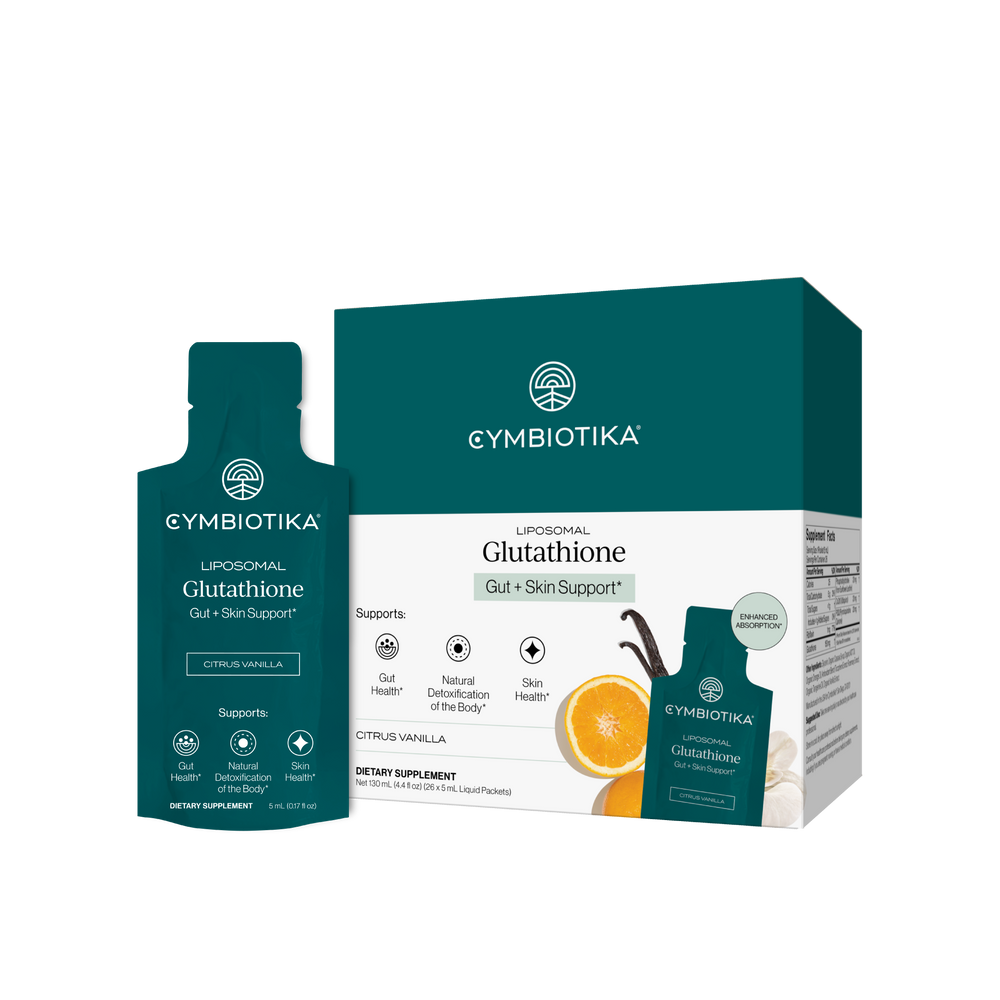
Liposomal delivery is designed to solve this absorption problem. A liposome is a tiny, microscopic bubble made of phospholipids—the same material that makes up your own cell membranes. By wrapping the glutathione in this protective phospholipid bilayer (a double layer of fatty molecules), the nutrient can bypass the destructive environment of the stomach. We use this advanced delivery method in our Liposomal Glutathione to ensure the master antioxidant reaches the bloodstream intact, supporting absorption at the cellular level.
L-glutamine absorption is generally more straightforward, but timing is key. Because glutamine is used by the gut cells themselves, many people find it most effective when taken on an empty stomach. This allows the enterocytes in the intestinal lining to utilize the amino acid directly for repair without having to compete with other proteins from a meal.
Bottom line: Without a specialized delivery system like liposomes, most glutathione supplements are broken down during digestion, whereas glutamine is best utilized when taken away from heavy meals.
How to Choose the Right Support for Your Goals
Deciding between these two—or deciding to take both—depends entirely on your current wellness priorities. They are not competitors; they are teammates that support different aspects of your internal environment.
When to prioritize L-Glutamine:
- You are focused on gut health: If you experience occasional digestive discomfort or are looking to support the "tight junctions" of your intestinal lining.
- You are physically active: If you are looking to support muscle tissue repair after heavy lifting, long runs, or high-intensity interval training.
- You want to support your immune foundation: Since a large portion of the immune system resides in the gut, fueling those cells is a proactive step for seasonal wellness, especially if you are exploring the Immunity collection.
When to prioritize L-Glutathione:
- You want to support healthy aging: If your goal is to protect your cells from the cumulative effects of oxidative stress and environmental toxins.
- You are focused on detoxification: If you want to support your liver’s natural ability to process pollutants, heavy metals, or alcohol.
- You need a "master" antioxidant: If you are looking for the most comprehensive way to neutralize free radicals and support cellular energy production (mitochondrial health).
Can you take them together? Many people find that a combination approach works best. By taking L-glutamine to support the gut and L-glutathione to protect the cells, you are addressing two of the most critical pillars of long-term health. Because they do not compete for the same receptors, they can be part of the same daily routine.
Building a Sustainable Routine
Creating a wellness routine shouldn't feel like a chore. The most effective strategies are the ones you can actually stick to every day. When incorporating these nutrients, consider how they fit into your existing habits.
Step 1: Identify your primary "why." Determine if your immediate need is digestive repair or cellular protection. If you aren't sure, we recommend starting with a foundational approach that addresses both—or taking our Health Quiz to narrow the choice.
Step 2: Choose high-bioavailability formats. Look for supplements that prioritize absorption. For glutathione, this means choosing a liposomal liquid or capsule. For gut support, look for clean powders or complexes that include other soothing ingredients like aloe or ginger. Our Liposomal Glutathione is designed for maximum impact, using a phospholipid shell to support cellular delivery.
Step 3: Be consistent with your timing. Most people find success taking their supplements at the same time each day. For example, you might take your gut-support nutrients in the morning on an empty stomach and your antioxidant support alongside your first meal or in the evening.
Step 4: Support your supplements with whole foods. While supplementation fills the gaps, your diet provides the background. Support your glutathione levels by eating sulfur-rich vegetables like broccoli, cauliflower, and kale. Support your glutamine levels with high-quality protein sources.
Key Takeaway: Consistency over intensity is the secret to wellness. A daily, moderate dose of high-absorption nutrients is more effective than an occasional high dose of standard supplements.
The Role of Cellular Energy and NAD+
To understand why glutathione is so important, we have to look at the mitochondria. Mitochondria are the powerhouses of your cells, responsible for creating energy. This process naturally creates free radicals as a byproduct. Without enough glutathione to clean up these "exhaust fumes," your mitochondria can become less efficient, leading to lower energy levels and faster cellular aging.
There is also a strong link between glutathione and NAD+. NAD+ (nicotinamide adenine dinucleotide) is a coenzyme found in all living cells and is essential for energy metabolism. When your body is under high oxidative stress, it uses up more resources to defend itself. By supporting your glutathione levels, you may help reduce the "stress load" on your cells, allowing your body to focus more on energy production and DNA repair.
Many people who take our Energy collection for healthy aging also include Liposomal Glutathione in their stack. This combination provides both the precursor for energy production and the master protector to keep the cellular environment clean. This is a science-forward way to look at wellness—not just masking symptoms, but supporting the underlying biological systems that keep you feeling vibrant.
Why Quality and Transparency Matter
In an unregulated industry, it is easy for brands to use filler ingredients or low-quality sourcing. We believe that wellness starts with trust. That means being transparent about where our ingredients come from and how they are tested.
Every batch of our products undergoes third-party testing for purity and potency. This ensures that what is on the label is exactly what is in the bottle. We avoid unnecessary synthetic fillers, GMOs, and artificial colors because we believe your body deserves clean fuel.
When you choose a supplement, you are making an investment in your future self. That investment only pays off if the product is effective. By focusing on bioavailability—how well your body can actually use the nutrient—we help you get the most value out of every dose. Whether it is our Liposomal Glutathione or our multi-ingredient Magnesium Complex, every decision is made with the end goal of cellular absorption in mind.
Conclusion
L-glutamine and L-glutathione are both essential for a high-functioning body, but they occupy very different niches in your internal ecosystem. Glutamine provides the physical building blocks for your gut and muscles, while glutathione provides the chemical defense necessary to protect your cells from the wear and tear of modern life.
Understanding these differences allows you to be the architect of your own health. You don't have to guess which one is "better" because their value depends on your unique needs and goals. For a broader perspective, see What Do We Know About Healthy Aging: Embracing Wellness at Every Stage of Life. By choosing high-bioavailability formulations and staying consistent with your routine, you can support your body’s natural ability to repair, protect, and thrive.
- L-Glutamine is your go-to for gut barrier integrity and muscle recovery.
- L-Glutathione is your master antioxidant for detoxification and cellular protection.
- Bioavailability is the bridge that ensures these nutrients actually reach your cells.
"The goal of supplementation is not to replace a healthy lifestyle, but to empower your body with the specific tools it needs to function at its peak in an imperfect world."
If you are ready to build a routine tailored to your specific needs, our Health Quiz is a great place to start. It takes the guesswork out of supplementation by providing personalized recommendations based on your lifestyle, diet, and wellness goals. We are here to help you build a routine you can trust.
FAQ
Can I take L-glutamine and L-glutathione together?
Yes, you can take both supplements together as they serve different functions and do not compete for absorption. Many people use L-glutamine to support gut health and L-glutathione for systemic antioxidant support and liver health. Taking them as part of a comprehensive routine can provide multi-layered support for both your digestive and cellular systems.
Does L-glutamine increase glutathione levels?
L-glutamine can indirectly support glutathione production because it provides glutamic acid, one of the three amino acids required to build glutathione. However, glutamine is rarely the limiting factor in glutathione synthesis; the availability of cysteine and the body’s natural enzymatic processes are usually the primary constraints. For significant increases in glutathione, direct supplementation with a high-bioavailability liposomal format is typically more effective.
What is the best time of day to take glutathione?
Most people find that taking glutathione in the morning on an empty stomach or about 20 minutes before a meal is most effective for absorption. This allows the liposomal delivery system to move through the digestive tract with minimal interference. However, the most important factor is consistency, so choose a time that allows you to take it daily without interruption.
Why is liposomal glutathione better than regular capsules?
Standard glutathione capsules are often broken down by stomach acid and digestive enzymes before the body can absorb them. Liposomal delivery wraps the glutathione in a protective layer of phospholipids, which mimics the body's cell membranes and allows the nutrient to pass through the digestive system intact. If you want a deeper look at the format, read Why Liposomal Glutathione is Essential for Your Health and Well-Being. This significantly increases the amount of glutathione that actually reaches your cells, providing much better value and results.