Introduction
Choosing the right antioxidant support can feel like navigating a maze of scientific terms and conflicting advice. You might have heard that glutathione is the "master antioxidant," but then you hear that N-acetyl cysteine, or NAC, is the best way to support it. If you have been standing in the supplement aisle wondering which bottle actually deserves a spot in your cabinet, you are not alone. Both compounds play a vital role in how our bodies handle oxidative stress and maintain cellular health, but they work in different ways.
At Cymbiotika, we believe that understanding the "how" behind your supplements is just as important as the supplements themselves. If you want a broader foundation before choosing, our guide to What is Glutathione and Why It Matters for Our Health is a helpful place to start. The choice between NAC and glutathione often comes down to your specific wellness goals and, most importantly, how your body absorbs these nutrients. This article will break down the science of both compounds, compare their unique benefits, and help you decide which approach fits your daily routine.
The central question isn't just about which ingredient is better, but rather which one your body can actually use to support its natural defense systems.
Understanding the Master Antioxidant: Glutathione
To understand whether you should take NAC or glutathione, we must first look at glutathione itself. It is a small protein found in nearly every cell of the human body. Because it is so widespread and powerful, researchers often call it the master antioxidant. It is made of three specific amino acids: cysteine, glycine, and glutamic acid.
The primary job of glutathione is to protect your cells from free radicals. Free radicals are unstable molecules that can damage cellular structures if they are not neutralized. Think of glutathione as a cellular cleanup crew that works 24/7 to keep things running. It also helps recycle other antioxidants, such as Vitamin C and Vitamin E, giving them a second life so they can continue protecting your body.
However, our natural levels of glutathione can fluctuate. Factors like age, environmental stressors, and poor nutrition can cause these levels to dip. When glutathione is low, the body may struggle to maintain its natural detoxification pathways and immune responses. This is why many people look toward supplementation to fill the gap.
The Problem with Standard Glutathione
One of the biggest hurdles in wellness is the issue of absorption. In the scientific community, we call this bioavailability—the amount of a nutrient that actually makes it into your bloodstream to be used by your cells.
Standard oral glutathione supplements often face a difficult journey. When you swallow a traditional capsule, the harsh acids and enzymes in your digestive system often break the glutathione molecule down into its individual amino acids before it ever reaches your cells. By the time it is absorbed, it is no longer the "master antioxidant" you intended to take. This is why the delivery method is the most critical factor when choosing a glutathione supplement.
What is NAC and How Does It Work?
NAC, or N-acetyl cysteine, is a supplemental form of the amino acid cysteine. While glutathione is the final product, NAC is often viewed as the building block. It is a precursor, meaning it provides the materials your body needs to manufacture its own glutathione internally.
Cysteine is often the "bottleneck" in glutathione production. Your body usually has plenty of glycine and glutamic acid, but cysteine is harder to come by. By taking NAC, you are essentially providing the raw materials to keep the glutathione factory running.
Unique Benefits of NAC
While NAC is famous for its role in glutathione production, it also has some distinct properties of its own. It is a sulfur-containing compound, which gives it a characteristic scent, but also makes it highly reactive in the right ways.
- Respiratory Support: NAC is often used to support lung health because it can help thin mucus, making it easier for the body to clear the airways.
- Liver Support: It has a long history of use in clinical settings for supporting liver health, especially when the liver is facing a high toxic load.
- Glutamate Regulation: NAC may help balance levels of glutamate, a key neurotransmitter in the brain that is involved in learning and memory.
Key Takeaway: NAC is a precursor that helps your body build its own glutathione, while also offering direct support for respiratory and liver health.
Should I Take NAC or Glutathione?
Deciding between the two depends on what you are trying to achieve. Both serve the same ultimate goal—increasing antioxidant activity—but the path they take is different.
The Case for NAC
You might choose NAC if you are focused on a "bottom-up" approach. Since NAC is stable and well-absorbed by the body in its standard form, it is an efficient way to encourage your liver to produce more glutathione naturally. It is also a great choice if you specifically want to support respiratory function or if you are looking for a more budget-friendly entry point into antioxidant support.
The Case for Glutathione
You might choose glutathione if you want a "top-down" approach. This is often preferred by those who want to provide the body with the finished antioxidant directly, bypassing the need for the liver to assemble it. Direct glutathione supplementation is particularly useful as we age, as the body's natural ability to convert precursors into glutathione may slow down.
However, the "top-down" approach only works if you use a high-bioavailability format. If you take a standard glutathione pill, you are essentially just taking expensive amino acids.
| Feature | NAC (N-Acetyl Cysteine) | Glutathione (GSH) |
|---|---|---|
| Role | Precursor (Building Block) | Master Antioxidant (Final Product) |
| Absorption | High in standard form | Low in standard form / High in Liposomal |
| Primary Goal | Support natural production | Direct cellular protection |
| Best For | Lung health & liver support | Systemic antioxidant defense |
| Mechanism | Provides rate-limiting cysteine | Neutralizes free radicals directly |
The Bioavailability Factor: Why Liposomal Delivery Matters
As we have mentioned, the biggest challenge with glutathione is getting it past the digestive system intact. This is where liposomal delivery changes the conversation. At Cymbiotika, we prioritize this technology because it mimics the body's own cellular structure.
A liposome is a tiny, microscopic bubble made of phospholipids—the same fats that make up your cell membranes. When we wrap glutathione in these phospholipids, we create a protective shield. This shield allows the glutathione to travel through the stomach unharmed. Once it reaches the small intestine, the liposome can fuse with your cell membranes, delivering the antioxidant directly into the bloodstream.
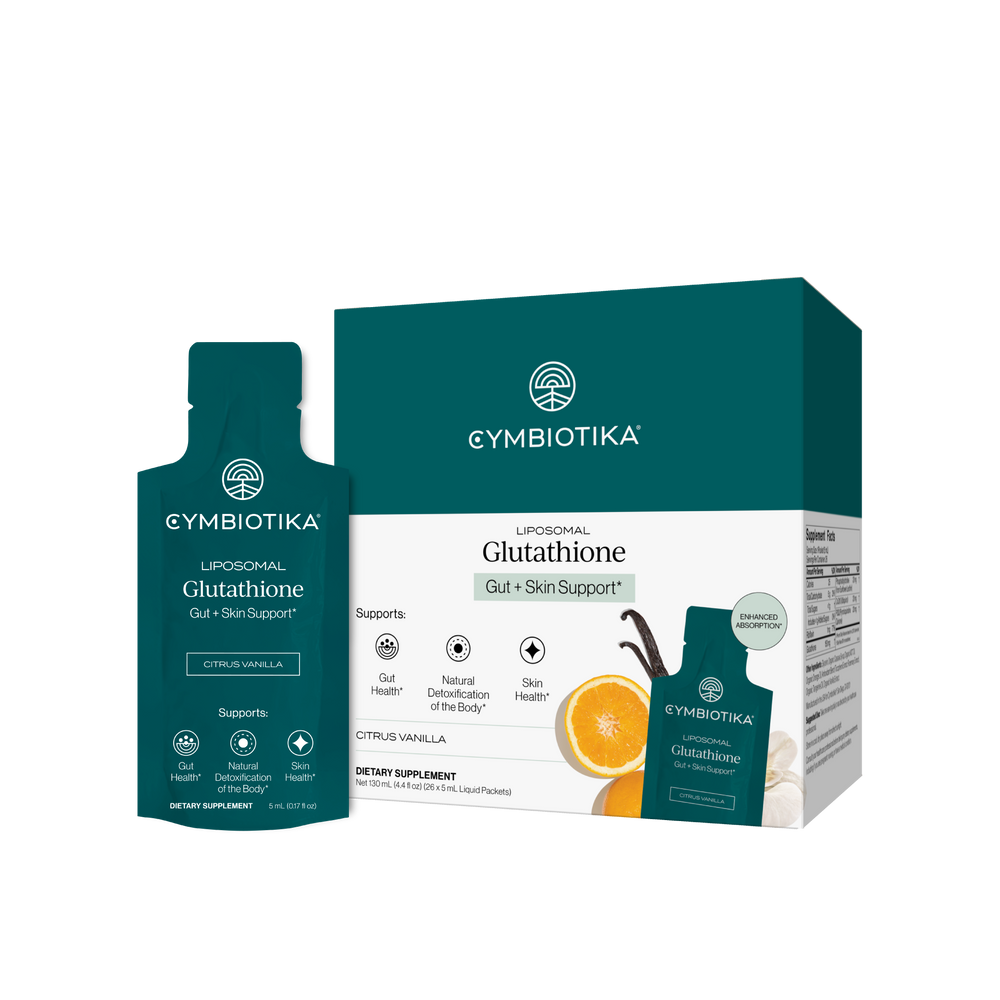
Our Liposomal Glutathione is designed with this exact process in mind. By using a phospholipid bilayer (a double layer of protective fats), we ensure that the "master antioxidant" actually stays in its master form until it reaches your cells. This level of formulation quality is what separates a supplement that works from one that simply passes through you.
Quick Answer: If you use a standard capsule, NAC is often more effective because it is better absorbed. However, if you use a liposomal format, glutathione is often the superior choice for direct, potent antioxidant support.
Can You Take NAC and Glutathione Together?
Many people wonder if they have to choose just one. The truth is that they can be used together quite effectively. Since NAC provides the building blocks for internal production and liposomal glutathione provides a direct supply, taking both can create a comprehensive "dual-action" approach to wellness.
Using them together might look like this:
- NAC supports the steady, internal manufacturing of glutathione in the liver.
- Liposomal Glutathione provides an immediate boost to cellular defenses and supports the recycling of other vitamins.
This combination is often favored by those who are under significant environmental stress, athletes looking for recovery support, or individuals focused on healthy aging. If that sounds like you, our Healthy Aging Supplements collection is a natural next stop.
How to Incorporate These into Your Routine
Building a routine shouldn't be complicated. The best supplement is the one you actually remember to take. When it comes to NAC or glutathione, timing and consistency are your best friends.
Step-by-Step: Starting Your Antioxidant Routine
- Step 1: Identify your primary goal. If you want lung and bronchial support, start with NAC. If you want skin health, immune support, and systemic antioxidant power, look for a liposomal glutathione.
- Step 2: Choose the right time. Most people find that taking these supplements in the morning on an empty stomach (about 20 minutes before eating) allows for the best absorption. However, if you have a sensitive stomach, taking them with a light meal is perfectly fine.
- Step 3: Check your format. Always ensure your glutathione is in a "reduced" form. This means it is in its active, "switched-on" state, ready to neutralize free radicals immediately.
- Step 4: Stay consistent. Antioxidants work best when they are maintained at steady levels in the body. Try to take your supplement at the same time every day for at least 30 days to feel the full benefits.
If you are still unsure which path fits your needs, the Cymbiotika Expert Quiz can help point you toward a personalized routine.
The Role of Co-Factors
Antioxidants don't work in a vacuum. To get the most out of NAC or glutathione, your body needs certain "co-factors"—other nutrients that help these compounds do their jobs.
- Selenium: This mineral is a key component of the enzymes that help glutathione neutralize free radicals. Without enough selenium, your glutathione can't work at full capacity.
- Vitamin C: Glutathione and Vitamin C have a unique relationship. They recycle each other. When Vitamin C neutralizes a free radical, it becomes spent. Glutathione can "recharge" it, and vice versa.
- Alpha-Lipoic Acid (ALA): This is another powerful antioxidant that works alongside glutathione to support metabolic health and cellular energy.
If you want to go deeper into how these pathways work, Reduced vs. Liposomal Glutathione: Which Is Better? is a helpful educational read.
Signs You Might Need More Antioxidant Support
How do you know if your body is asking for more glutathione or NAC? While we always recommend speaking with a healthcare provider, there are some common lifestyle indicators that suggest your antioxidant "bucket" might be running low.
Environmental Exposure If you live in a city with high pollution, travel frequently by plane, or work in an environment with chemical exposure, your body is likely using up its glutathione stores faster than it can replenish them.
Age-Related Changes Our natural production of glutathione begins to decline as early as our 20s. By the time we reach our 40s and 50s, the gap between what we produce and what we need can become significant. This is a natural part of the aging process, but supplementation can help bridge that gap.
High-Intensity Training Exercise is vital for health, but intense physical activity creates oxidative stress in the muscles. Athletes often use glutathione or NAC to help support the body's natural recovery processes and maintain cellular integrity after a tough workout. For more ways to support that kind of routine, the Energy collection is a good place to browse.
Myth vs. Fact
Myth: All glutathione supplements are the same. Fact: Standard glutathione capsules have very low bioavailability and are mostly broken down by digestion. Liposomal glutathione is designed to survive digestion for superior absorption.
Myth: You can get all the glutathione you need from food. Fact: While some foods like spinach, avocado, and asparagus contain glutathione, the body does not absorb it well from food sources. Diet is great for providing precursors (like the protein in whey or eggs), but it is difficult to significantly raise blood levels through food alone.
Myth: NAC is just a "weak" version of glutathione. Fact: NAC is a distinct compound with its own benefits, particularly for respiratory health and mucus regulation, which glutathione does not provide as effectively.
Supporting Your Liver Health
The liver is the primary site of glutathione production and the center of your body's natural detoxification system. It filters more than 250 gallons of blood every day. Supporting your liver is one of the best things you can do for your overall vitality.
Beyond taking NAC or glutathione, there are simple lifestyle shifts that can help:
- Hydration: Your liver needs water to process and flush out metabolic byproducts.
- Cruciferous Vegetables: Broccoli, kale, and Brussels sprouts contain sulfur compounds that naturally support glutathione production.
- Limiting Added Sugars: High sugar intake can put unnecessary stress on the liver, making it harder for the organ to focus on its protective roles.
For a deeper look at the science behind raising your levels, How to Increase Glutathione offers a practical follow-up.
The Importance of Purity and Testing
When you are choosing between NAC and glutathione, the quality of the raw ingredients is paramount. Many mass-market supplements contain synthetic fillers, flow agents, or lower-quality versions of these amino acids.
We take a different path. Every product we create is third-party tested for purity and potency. We ensure there are no unnecessary synthetic fillers and that our sourcing is non-GMO and organic where possible. When you take our Liposomal Glutathione, you are getting a clean, science-forward formulation that respects your body’s biology.
Making the Choice That’s Right for You
So, should you take NAC or glutathione?
If you are looking for a cost-effective way to support your body's natural production and you are particularly interested in lung health, NAC is a fantastic choice. It is reliable, well-studied, and easy for the body to process.
If you are looking for the most potent, direct antioxidant support and you want to bypass the body's conversion steps, Liposomal Glutathione is the gold standard. It provides the "master antioxidant" in a format your body can actually use.
Many people find that their needs change. You might take NAC during the winter months for respiratory support and switch to (or add) Liposomal Glutathione during periods of high stress or as part of a long-term healthy aging routine.
Conclusion
The journey to optimal health is personal, and there is no "one size fits all" answer. Both NAC and glutathione are remarkable compounds that may support your immune system, liver health, and cellular defenses. The most important factor isn't just the name on the bottle, but the quality of the delivery system and the consistency of your routine.
At Cymbiotika, we are dedicated to transparency and bioavailability. We believe that when you give your body high-quality, absorbable nutrients, you empower yourself to live a more vibrant life. Wellness is built through small, intentional choices made every day.
Key Takeaway: Whether you choose the building blocks of NAC or the direct support of Liposomal Glutathione, focusing on high-absorption formats ensures your body gets the support it deserves.
If you aren't sure where to start, we recommend taking our Health Quiz. It is designed to help you navigate our formulations and find the specific stack that aligns with your unique health goals.
FAQ
Can I take NAC and glutathione at the same time?
Yes, many people find that taking both provides a comprehensive approach to antioxidant support. NAC helps your body produce glutathione naturally in the liver, while Liposomal Glutathione provides a direct, immediate supply of the master antioxidant to your cells.
Is liposomal glutathione better than NAC?
It depends on your goal. Liposomal glutathione is generally more effective for directly raising systemic glutathione levels because it bypasses the need for the liver to convert precursors. However, NAC has unique benefits for respiratory health and is a very stable, effective precursor for internal production.
Which is better for liver health?
Both are excellent for the liver. NAC is often used for acute liver support and to provide the necessary amino acids for detox pathways. Glutathione is the liver's primary tool for neutralizing toxins, so providing it in a liposomal form can help maintain the liver's protective capacity.
Are there any side effects to taking NAC or glutathione?
Both supplements are generally recognized as safe for most adults. Some people may experience mild digestive upset, such as nausea or bloating, especially when taking high doses on an empty stomach. As always, it is best to consult with your healthcare provider before starting a new supplement routine, especially if you have underlying health concerns.