Introduction
The postnatal period is a time of incredible physical and emotional transition. As a breastfeeding mother, your body is working overtime to provide essential nutrients for your baby while simultaneously recovering from the demands of pregnancy and birth. It is natural to look for ways to support your energy, immune function, and overall well-being during this stage. However, every choice you make regarding your diet and supplements requires careful thought, as many substances can be passed through breast milk.
One of the most common questions we receive at Cymbiotika is whether taking glutathione is safe while nursing. Glutathione is often called the "master antioxidant," and its reputation for supporting cellular health makes it an attractive option for busy mothers. This article will explore the safety profile of glutathione during lactation, how it functions in your body, and why the way you take it matters for your results.
We will cover the natural role of this molecule in human milk, the current state of research regarding supplementation, and practical steps for building a wellness routine that prioritizes both you and your baby. While glutathione is a substance your body already produces, the goal is to help you feel informed and confident about whether adding a supplement is the right move for your unique journey.
What Is Glutathione and Why Does the Body Need It?
To understand its safety during breastfeeding, it is helpful to first understand what glutathione actually is. Glutathione is a tripeptide composed of three specific amino acids: cysteine, glutamate, and glycine. Unlike many other antioxidants that you must get from food, your body produces its own supply of glutathione, primarily in the liver. For a deeper look at this molecule, explore how glutathione works in the body.
It is present in nearly every cell in the human body, acting as a primary shield against oxidative stress. Oxidative stress occurs when there is an imbalance between free radicals (unstable molecules that can damage cells) and antioxidants. For a new mother, oxidative stress can be triggered by many factors, including lack of sleep, physical recovery, and the high metabolic demands of milk production.
Glutathione also plays a significant role in Phase II detoxification. This is the process where the liver neutralizes metabolic waste and environmental toxins so they can be safely excreted from the body. Because it supports the immune system and cellular repair, maintaining healthy levels is often a priority for those looking to sustain long-term vitality.
Quick Answer: Glutathione is naturally produced by the body and is a normal component of human breast milk. While most health experts consider it safe because of its natural occurrence, there is a lack of large-scale clinical trials on glutathione supplementation specifically in breastfeeding women, so consulting a healthcare provider is always recommended.
Is Taking Glutathione Safe for Breastfeeding Mothers?
When evaluating the safety of any supplement during lactation, the first question is whether it passes into the milk. Research indicates that human breast milk naturally contains glutathione. In fact, it is considered a vital component of the milk’s antioxidant defense system, helping to protect the infant’s developing digestive tract and supporting their early immune response.
Because glutathione is an endogenous substance—meaning your body already makes it and expects it—it is generally viewed as having a high safety profile. However, there is a distinction between the glutathione your body produces naturally and the concentrated doses found in supplements.
The Research Gap
Most healthcare professionals lean toward caution because there are limited clinical studies specifically tracking the effects of supplemental glutathione on nursing infants. While there is no evidence suggesting it is harmful, the lack of "gold standard" double-blind studies means that most practitioners will suggest you monitor your intake and discuss it with your doctor first.
Why Quality and Purity Matter
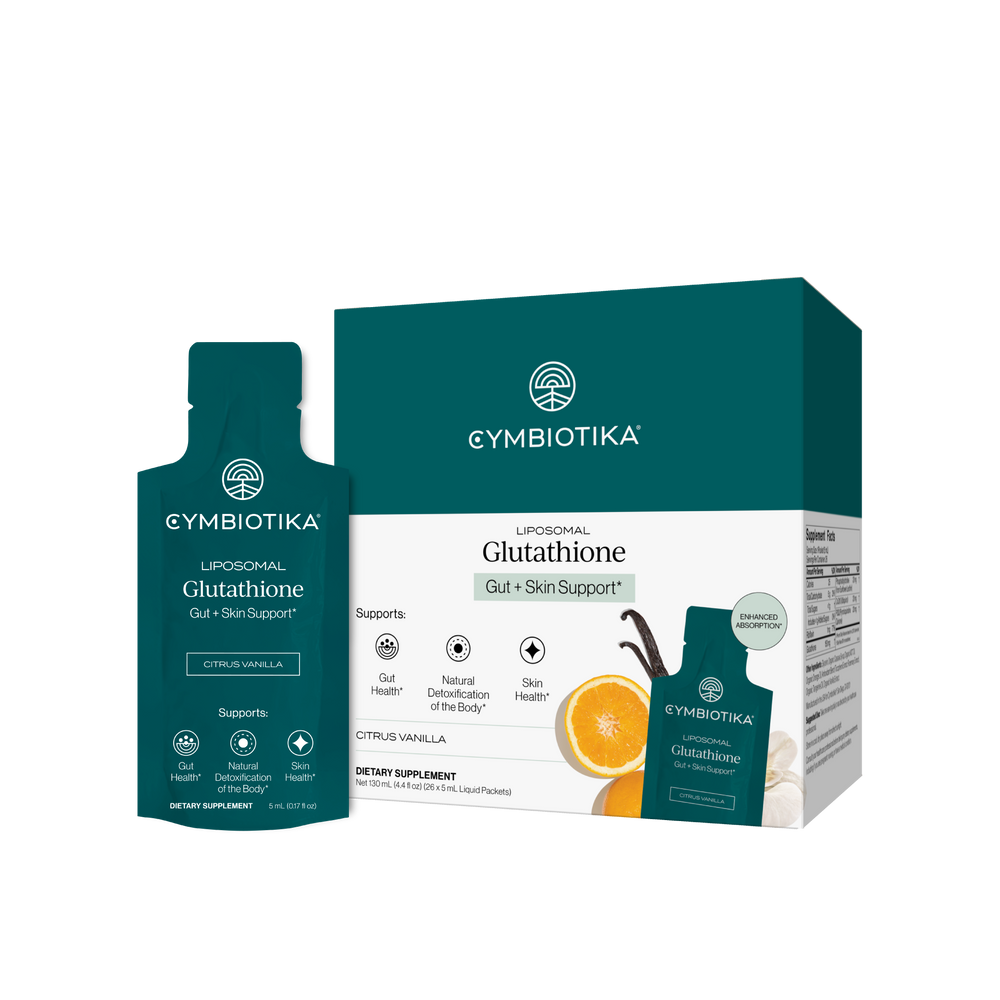
For a breastfeeding mother, the safety of a supplement isn't just about the active ingredient; it’s about the "extras." Many standard supplements contain synthetic fillers, artificial colors, or flow agents like magnesium stearate that you may not want to pass on to your baby. Choosing a clean, transparently sourced formulation ensures that you aren't unintentionally introducing unnecessary chemicals into your routine. You can review Liposomal Glutathione to learn more about the formula.
Key Takeaway: Since glutathione is a natural part of human milk, it is generally considered safe for maternal use, but the focus should be on choosing high-purity formulas and consulting a professional to determine the right dose for your needs.
The Role of Bioavailability in Supplementation
If you decide to incorporate this antioxidant into your routine, the next hurdle is bioavailability. This term refers to the proportion of a nutrient that enters the circulation and is able to have an active effect. Not all supplements are created equal, and this is especially true for glutathione.
Standard glutathione capsules or tablets are notoriously difficult for the body to use. When you swallow a traditional pill, the glutathione must pass through the harsh environment of the stomach. Gastric acid and digestive enzymes often break down the tripeptide into its individual amino acids before it can ever reach the bloodstream. Essentially, you may be paying for an expensive antioxidant but only receiving the basic building blocks.
To solve this, we utilize liposomal delivery. A liposome is a tiny, microscopic bubble made of phospholipids—the same material that makes up your own cell membranes. By wrapping the glutathione in this lipid shell, the nutrient is protected from digestion. Learn more about how liposomal delivery works.
- Protection: The phospholipid bilayer shields the glutathione from stomach acid.
- Absorption: The body recognizes the lipid shell and can absorb it more efficiently through the intestinal lining.
- Cellular Delivery: Because the shell is similar to your cell walls, it can merge with cells to deliver the glutathione directly where it is needed most.
Our Liposomal Glutathione is designed with this advanced technology to support maximum uptake. When you are a busy mother, you don't have time or energy to waste on products that your body can't actually absorb.
Potential Benefits for Nursing Mothers
While the primary concern is safety, many mothers are interested in glutathione because of the potential benefits it offers during the "fourth trimester" and beyond. The Healthy Aging collection includes formulas designed around cellular wellness and antioxidant support.
1. Supporting the Immune System
Breastfeeding requires a lot of energy, which can sometimes leave your immune system feeling taxed. Glutathione supports the function of white blood cells, which are your body's primary line of defense. By maintaining healthy antioxidant levels, you may find it easier to stay resilient during a time when your sleep is frequently interrupted. Explore the Immunity collection for additional wellness support.
2. Liver Support and Detoxification
The liver is responsible for processing hormones and filtering toxins. After birth, your body undergoes significant hormonal shifts. Glutathione is a critical substrate for the liver’s detoxification pathways, helping the body navigate these transitions more smoothly.
3. Combatting Oxidative Stress
The physical toll of caring for a newborn—combined with environmental factors—can increase the production of free radicals. Glutathione helps neutralize these molecules, supporting cellular health and potentially helping you feel more balanced and less "depleted."
Bottom line: While more research is needed on supplemental transfer to infants, the benefit to the mother’s own cellular health and immune resilience is a significant reason many choose to supplement under professional guidance.
Practical Considerations and Dosing
If you and your healthcare provider decide that glutathione is a good fit for your breastfeeding routine, how you take it matters. For additional guidance on timing and routine-building, read how to take vitamin C and glutathione for best results.
Start Low and Slow
It is often best to start with a smaller dose to see how your body responds. While side effects are rare, some people may experience mild digestive upset when starting a new supplement.
Consistency Over Intensity
Building a wellness routine is about long-term habits, not high-dose "quick fixes." Taking a consistent, bioavailable dose is generally more effective for maintaining steady cellular levels than taking large amounts sporadically.
Timing Your Intake
Many people find that taking glutathione on an empty stomach, or about 20 minutes before a meal, allows for the best absorption. Since the liposomal format is already optimized for uptake, you have more flexibility in your timing, which is helpful when your schedule is dictated by a baby’s needs.
Monitor Your Body
Every individual is different. Pay attention to your energy levels, digestion, and general sense of well-being. If you notice any changes that concern you, pause the supplement and check back in with your doctor.
Enhancing Glutathione Naturally
In addition to supplementation, you can support your body’s natural production of glutathione through lifestyle and dietary choices. This is a great "food-first" strategy that is safe for all breastfeeding mothers.
- Sulfur-Rich Foods: Your body needs sulfur to synthesize glutathione. Incorporate vegetables like broccoli, cauliflower, Brussels sprouts, garlic, and onions into your meals.
- Vitamin C: This vitamin works in tandem with glutathione. Vitamin C helps "recharge" spent glutathione molecules so they can go back to work. Our Liposomal Vitamin C can be a great companion to help maintain this antioxidant cycle.
- Adequate Protein: Since glutathione is made from amino acids, ensuring you get enough high-quality protein is essential for providing the raw materials your liver needs.
- Selenium-Rich Foods: Selenium is a mineral that acts as a cofactor for glutathione peroxidase, an enzyme that helps glutathione neutralize free radicals. Brazil nuts, sardines, and grass-fed beef are excellent sources.
Myth: You can only get glutathione from supplements. Fact: Your body is a glutathione-making machine! While supplements can provide a concentrated boost—especially in a bioavailable liposomal form—eating a diet rich in sulfur and antioxidants provides the necessary building blocks for natural production.
When to Consult Your Doctor
While the general consensus is that glutathione is safe, there are specific instances where professional guidance is non-negotiable.
- Pre-existing Conditions: If you have a history of liver issues, asthma (inhaled glutathione can sometimes trigger sensitivities), or other chronic concerns, consult your doctor.
- Medication Interactions: While there are no widely known major drug interactions with glutathione, it is always best to ensure it won't interfere with any postnatal medications you may be taking.
- Allergies: If you have known sensitivities to any amino acids or the phospholipids used in liposomal delivery (often derived from sunflower or soy), read labels carefully.
At Cymbiotika, we believe that wellness starts with trust. This means being transparent about what we know and what the science is still exploring. We encourage every mother to advocate for her health by having open conversations with her healthcare team.
Building a Sustainable Postnatal Routine
Breastfeeding is a marathon, not a sprint. While supplements like glutathione can be powerful tools, they are most effective when they are part of a broader, holistic approach to health.
- Hydration: Milk production requires significant water intake. Stay hydrated to support both milk volume and cellular detoxification.
- Rest: Though "sleep when the baby sleeps" is easier said than done, prioritizing rest whenever possible reduces the oxidative load on your body.
- Personalization: No two mothers have the same nutritional needs. What works for a friend might not be exactly what your body requires.
Using tools like our Health Quiz can help you identify which nutrients your body might be craving based on your specific lifestyle and goals. Whether it’s supporting your energy with a B-complex or focusing on cellular defense with glutathione, the goal is to create a routine that feels manageable and supportive.
Conclusion
Navigating the world of supplements while breastfeeding can feel overwhelming, but understanding the science behind the ingredients can provide peace of mind. Glutathione is a naturally occurring, vital molecule that already plays a role in your body’s defense system and the composition of your breast milk. While direct clinical studies on supplementation during lactation are still developing, the natural presence of glutathione suggests a high level of safety for most mothers.
Choosing a highly bioavailable, liposomal format ensures that your body can actually utilize the supplement without it being wasted during digestion. By focusing on purity and transparency, you can support your health without introducing unnecessary fillers to your system.
- Glutathione is naturally found in breast milk and supports infant health.
- Liposomal delivery is essential for the body to absorb oral glutathione effectively.
- Always choose clean, third-party tested supplements to avoid synthetic additives.
- Consult your healthcare provider to tailor your routine to your specific needs.
Our mission is to empower you with the tools and knowledge to take ownership of your health. We focus on advanced delivery systems and the highest quality ingredients because we know that when you feel your best, you can show up fully for the people who matter most.
Key Takeaway: Prioritize your own cellular health so you can sustain the energy needed for motherhood. A bioavailable glutathione supplement may be a helpful addition to your postnatal wellness toolkit.
To discover a supplement routine tailored to your unique needs, take our Health Quiz today and start building a foundation for long-term vitality.
FAQ
Does glutathione pass into breast milk?
Yes, glutathione is a natural component of human breast milk and is already present to help protect the infant's health. While supplemental glutathione can increase maternal levels, the body tightly regulates how much is transferred to the milk.
Can glutathione help with postnatal fatigue?
While it isn't a stimulant, glutathione supports cellular energy production and helps reduce oxidative stress. By supporting the immune system and liver function, many mothers find it helps them feel more resilient during the demanding postnatal period.
Are there side effects of taking glutathione while nursing?
Glutathione is generally well-tolerated, though some people may experience mild bloating or nausea when starting any new supplement. If you notice any unusual symptoms or if your baby seems particularly fussy after you start a new routine, it is best to pause and consult your doctor.
What is the best form of glutathione for absorption?
Liposomal glutathione is widely considered the most effective oral form. Because standard glutathione is often destroyed by stomach acid, the liposomal phospholipid shell is necessary to protect the nutrient and ensure it reaches your cells. For more information, explore which glutathione supplement may fit your health journey.