Introduction
You may have heard glutathione called the "master antioxidant," a reputation earned by its presence in nearly every cell in the body. As we become more proactive about our wellness routines, many of us are looking toward this powerful molecule to support our natural defenses and detoxification pathways. However, any time you introduce a concentrated nutrient into your routine, it is natural to wonder how it affects your vital organs, especially your kidneys.
At Cymbiotika, we believe that informed choices are the foundation of a lasting wellness routine. Understanding how a supplement interacts with your body—and whether your body can actually use it—is essential for building trust in your daily habits. This article explores the relationship between glutathione and kidney function, the importance of delivery methods, and what the current research suggests about its safety profile. For additional background, explore this guide to glutathione safety and supplementation.
The short answer is that glutathione is generally considered supportive of kidney health rather than harmful, though the quality and form of the supplement you choose make a significant difference.
Quick Answer: For most healthy adults, taking glutathione is not bad for the kidneys and may actually support their natural filtration processes by neutralizing oxidative stress. However, the effectiveness of the supplement depends heavily on its bioavailability, and those with existing health concerns should always consult a healthcare professional.
What is Glutathione?
Glutathione is a tripeptide—a small protein-like molecule—made from three specific amino acids: cysteine, glutamate, and glycine. Unlike many other antioxidants that we must get primarily from our diet, our bodies produce glutathione naturally. It acts as a primary internal defense mechanism, working to maintain cellular health by neutralizing free radicals.
Free radicals are unstable molecules that can cause damage to our cells through a process known as oxidative stress. Think of oxidative stress like the internal "wear and tear" that happens as we age or face environmental stressors. Glutathione helps "mop up" these molecules, protecting the integrity of our tissues.
While our bodies are built to produce this molecule, production often slows down as we get older. Factors like environmental pollutants, a lack of quality sleep, and general daily stress can also deplete our internal stores. This is why many people look to supplementation to help bridge the gap.
The Relationship Between Glutathione and Your Kidneys
The kidneys are the body’s primary filtration system. Every day, they process hundreds of quarts of blood to filter out waste products and excess water, which eventually leave the body as urine. Because the kidneys are constantly handling toxins and metabolic byproducts, they are particularly susceptible to oxidative stress.
Oxidative stress in the kidneys can interfere with their ability to filter blood efficiently. Because glutathione is a master at neutralizing the molecules that cause this stress, it is often found in high concentrations within healthy kidney tissue. It serves as a protective shield for the delicate structures that perform the filtration work.
Research generally indicates that maintaining healthy levels of glutathione may support the kidneys' natural ability to manage the toxic load they encounter daily. Rather than being "bad" for the kidneys, this antioxidant is a critical part of how the kidneys defend themselves. You can read more in this glutathione and kidney wellness guide.
Does Your Body Actually Absorb It?
When discussing glutathione, we have to address the "absorption gap." Bioavailability—the degree and rate at which a substance is absorbed into the bloodstream—is the most important factor in any supplement. Standard glutathione capsules are notoriously difficult for the body to use.
When you swallow a traditional glutathione pill, the harsh environment of your stomach and digestive enzymes often break the molecule down before it can ever reach your bloodstream. If the glutathione never makes it past your digestive tract, it cannot reach your kidneys to provide the support you are looking for. If you want to explore this topic further, read Can Glutathione Supplements Be Absorbed?.
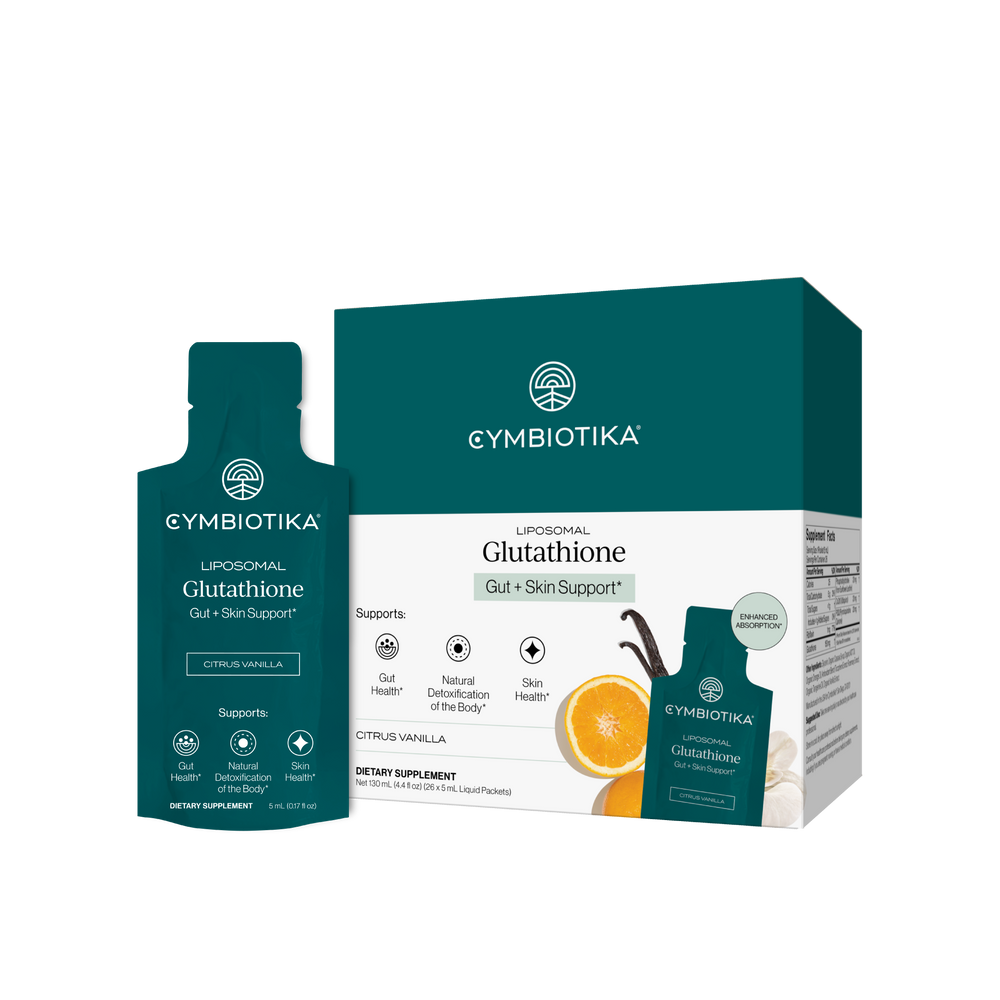
If you are looking for a direct way to explore a liposomal option, see Liposomal Glutathione.
Key Takeaway: Glutathione is a natural protector of kidney tissue, but its benefits are entirely dependent on whether the supplement can survive digestion to reach the cells that need it.
Is Taking Glutathione Bad for Your Kidney?
For the vast majority of people, taking a high-quality glutathione supplement is not harmful to the kidneys. In fact, many wellness professionals suggest it specifically to support the body's natural detoxification pathways.
However, the "is it bad" question often stems from a misunderstanding of how the kidneys process supplements. The kidneys do have to work to filter out excess nutrients or poorly formulated fillers. This is why the purity of your supplement matters just as much as the active ingredient. Synthetic fillers, artificial colors, and low-quality binders can add an unnecessary burden to your filtration system.
When to Exercise Caution
While glutathione itself is considered safe and supportive, there are specific scenarios where caution is necessary:
- Pre-existing health concerns: If you have already been diagnosed with a kidney-related condition, your filtration system is already working under pressure. Adding any concentrated supplement should only be done under the guidance of a healthcare provider.
- Medication interactions: Glutathione is involved in the body's detoxification pathways in the liver and kidneys. This means it can potentially change how the body processes certain medications.
- Poorly sourced supplements: Some low-quality glutathione products may contain heavy metals or impurities if they are not third-party tested. These impurities are what can truly be "bad" for your kidneys.
For additional context on daily use and potential side effects, explore this glutathione supplementation safety guide.
Myth: Taking more glutathione always results in better kidney support. Fact: The body can only process so much at once. High doses of poorly absorbed glutathione mostly result in digestive discomfort rather than better health outcomes. Focusing on absorption is more effective than focusing on a high milligram count.
The Importance of Liposomal Delivery
To overcome the issues with standard glutathione supplements, we utilize liposomal delivery. This technology is at the heart of our approach to wellness because it directly addresses the problem of bioavailability.
A liposome is a tiny, microscopic bubble made of phospholipids—the same fats that make up your own cell membranes. This fatty shell (the phospholipid bilayer) acts as a protective shield. It wraps around the glutathione molecule, allowing it to bypass the destructive acids of the stomach.
Because the liposome is made of the same material as your cells, your body recognizes it and allows it to pass through the intestinal lining more efficiently. This means the glutathione remains intact as it enters your bloodstream, where it can finally travel to the kidneys and other organs to perform its protective work. Learn more about the science in Why Liposomal Glutathione Is Essential for Daily Wellness.
What Makes Our Liposomal Glutathione Different?
We designed our Liposomal Glutathione with a focus on both purity and efficacy. We don't believe in using synthetic fillers that add work for your kidneys. Instead, we use clean, high-quality ingredients sourced with transparency.
- Advanced Absorption: By using liposomal technology, we ensure the glutathione is protected until it can be used at the cellular level.
- Clean Formulation: We avoid the unnecessary binders and artificial additives found in many standard supplements.
- Third-Party Tested: Every batch is tested to ensure it meets our high standards for potency and purity, so you know exactly what you are putting into your body.
For a broader range of formulas supporting healthy ageing and recovery, browse the Healthy Aging collection.
Potential Side Effects and What to Expect
Even with high-quality supplements, some people may experience mild side effects as their body adjusts. Most of these are related to the digestive system rather than the kidneys.
- Digestive changes: Some individuals may notice mild bloating, gas, or a change in stool consistency when starting glutathione. This is often a sign that the body is adjusting to the supplement.
- Sulfur smell: Because glutathione contains the amino acid cysteine, which is sulfur-rich, the supplement may have a slight "rotten egg" scent or leave a temporary aftertaste. This is normal and a characteristic of the molecule itself.
- Skin reactions: In rare cases, some people may develop a mild rash. If this happens, it is important to stop use and consult a doctor.
If you experience persistent discomfort, it is always best to lower your dose or speak with a professional to ensure the routine is right for your specific needs. You can also review what to expect when taking glutathione every day.
How to Support Kidney Health Naturally
While glutathione is a powerful tool, it works best when it is part of a holistic approach to wellness. Supporting your kidneys involves more than just a single supplement; it is about the daily habits that reduce the load on your filtration system.
1. Stay Hydrated
Water is the primary vehicle the kidneys use to flush out waste. Without enough hydration, toxins can become more concentrated, forcing the kidneys to work harder. Aim for consistent water intake throughout the day rather than drinking large amounts all at once.
2. Focus on Sulfur-Rich Foods
You can support your body's natural production of glutathione by eating foods high in sulfur. Cruciferous vegetables like broccoli, cauliflower, Brussels sprouts, and kale are excellent choices. Garlic and onions also provide the building blocks your body needs to create its own antioxidants.
3. Prioritize Quality Sleep
Studies show that the body’s antioxidant levels, including glutathione, are closely linked to the sleep-wake cycle. When you are sleep-deprived, your body produces more oxidative stress and less glutathione to combat it. Consistent, restful sleep gives your kidneys time to recover.
4. Move Your Body
Regular physical activity helps maintain healthy circulation, which ensures a steady flow of blood to the kidneys for filtration. A mix of gentle movement, like walking or yoga, combined with regular strength training can support overall metabolic health.
5. Manage Stress
Chronic stress keeps the body in a state of high alert, which increases the production of free radicals. Techniques like deep breathing, meditation, or spending time in nature can help lower the oxidative burden on your entire system.
Building a Routine You Can Trust
At Cymbiotika, our mission is to empower you to take ownership of your health through education and high-quality supplementation. We believe that wellness isn't about finding a "quick fix" or a "miracle" product; it's about building a sustainable routine based on science and transparency.
When it comes to glutathione and your kidneys, the evidence points toward support rather than harm. By choosing a liposomal format, you are ensuring that your body can actually absorb and use the nutrient, rather than letting it go to waste. This commitment to bioavailability is what sets our formulations apart.
If you are unsure where to start with your wellness journey, we recommend looking at your routine as a whole. Consistency over time is much more impactful than intensity in the short term. Our glutathione absorption guide offers another perspective on choosing a delivery format.
Bottom line: Glutathione is a vital antioxidant that your kidneys rely on for protection. Taking it in a highly bioavailable liposomal form supports your body's natural defenses without adding unnecessary strain from fillers or poor absorption.
Next Steps for Your Wellness
If you're ready to build a routine that fits your unique needs, here is a simple way to get started:
- Evaluate your goals: Are you looking for immune support, better energy, or general longevity?
- Choose quality over quantity: Opt for supplements with high bioavailability and clean ingredients.
- Be consistent: Give your body time to adjust to new nutrients—usually 30 to 90 days.
- Take the Health Quiz: Our personalized Health Quiz is designed to help you find the exact supplements that align with your lifestyle and wellness objectives.
FAQ
Can glutathione cause kidney stones?
There is currently no scientific evidence to suggest that glutathione supplementation causes kidney stones. Kidney stones are typically formed from minerals like calcium and oxalate, whereas glutathione is an antioxidant made of amino acids that the body naturally produces.
Is it safe to take glutathione every day?
For most healthy adults, daily supplementation with glutathione is considered safe. However, the ideal approach is to follow the serving size on the label and maintain a consistent routine rather than taking large "mega-doses" occasionally.
Who should not take glutathione?
Individuals undergoing certain medical treatments, such as chemotherapy, should consult their doctor before taking glutathione, as antioxidants can sometimes interfere with how those treatments work. Those with known allergies to sulfur or specific preservatives should also exercise caution.
How do I know if my glutathione is working?
While results vary, many people report feeling a more sustained sense of energy and clearer skin over time. Because glutathione works at the cellular level to support detoxification and neutralize oxidative stress, the benefits are often gradual and cumulative rather than instant.