Introduction
Finding a way to feel truly vibrant often leads down a path of various vitamins and nutrients. You might find yourself searching for that one missing piece in your morning routine—something to help with the mid-afternoon energy slump or to support a clearer, more even complexion. During this search, the term "glutathione" frequently appears, often labeled as the "master antioxidant." However, you will likely notice two different names on supplement labels: glutathione and reduced glutathione.
At Cymbiotika, we believe that understanding these nuances is the first step toward building a wellness routine that actually works. It is not just about taking a supplement; it is about knowing what your body can truly absorb and use. For a deeper look at how these terms relate to one another, explore this guide to reduced versus liposomal glutathione. This article will explore the differences between these forms, how they function within your cells, and why the delivery method is the most important factor in your decision. We will provide the clarity you need to choose a format that supports your long-term health goals.
The short answer is that reduced glutathione is the active form of the molecule, and while it is technically "better" than the oxidized version, the real secret to efficacy lies in how well your body can absorb it.
Defining the Master Antioxidant
To understand the debate between different forms, we must first look at what this molecule does. Glutathione is a tripeptide, which is a small protein made of three specific amino acids: cysteine, glycine, and glutamic acid. While your body produces it naturally in the liver, its presence is vital in every single cell you have. It is one of the few antioxidants that can be found in high concentrations within the cellular environment, acting as a primary shield against oxidative stress.
The reason it is called the "master antioxidant" is its unique ability to recycle other nutrients. When you take Vitamin C or Vitamin E, they eventually "spend" themselves by neutralizing a free radical. Glutathione has the remarkable ability to reactivate these other antioxidants, allowing them to continue working. Without adequate levels of this molecule, your entire antioxidant defense system can become sluggish. For more on its structure and building blocks, read this guide to what makes up glutathione.
Quick Answer: Reduced glutathione (GSH) is the active, functional form of the antioxidant that your body uses to neutralize free radicals. When a label simply says "glutathione," it is often referring to this same molecule, but the "reduced" label confirms it is in its active state rather than its "spent" or oxidized state.
Reduced vs. Oxidized: What’s the Difference?
In the world of biochemistry, "reduced" and "oxidized" are terms that describe how a molecule handles electrons. This may sound like a chemistry lecture, but it has a massive impact on how you feel every day.
Reduced Glutathione (GSH): This is the active form. The word "reduced" means the molecule has an extra electron to give away. Think of it like a fully charged battery. Because it has this extra electron, it can seek out harmful free radicals—unstable molecules that cause cellular damage—and neutralize them by giving them that electron.
Oxidized Glutathione (GSSG): This is the "spent" form. Once a reduced glutathione molecule has neutralized a free radical, it loses its extra electron and becomes oxidized. It essentially becomes a "dead battery." In a healthy body, an enzyme called glutathione reductase uses cellular energy to "recharge" this spent molecule, turning it back into the active, reduced form.
Why the "Reduced" Label Matters
When you are looking for a supplement, you want the "reduced" form because that is what your body actually uses to fight oxidative stress. If you were to take a supplement that was already oxidized, your body would have to spend its own precious energy (ATP) to convert it into something useful. By starting with the reduced form, you are giving your system a head start.
Key Takeaway: The "reduced" form of glutathione is the active state of the molecule, capable of donating electrons to neutralize oxidative stress. Always look for "reduced" or "GSH" on a label to ensure you are getting the active version.
The Role of L-Glutathione
You might also see the term "L-Glutathione." The "L" simply refers to the chemical orientation of the amino acids within the molecule. In nature, most amino acids used by the body are in the "L" form. Therefore, L-Glutathione and Reduced Glutathione are usually referring to the same thing: the active, natural form of the antioxidant that your body recognizes. For another explanation of these naming differences, see this L-glutathione comparison guide.
The Bioavailability Barrier: Why Most Supplements Fall Short
The biggest challenge with glutathione is not the form itself, but how it gets into your bloodstream. For a long time, many health experts believed that oral glutathione supplements were useless. This is because the human digestive system is incredibly efficient at breaking down proteins.
When you swallow a standard glutathione capsule, the harsh acids in your stomach and the enzymes in your gut treat it like food. They break the tripeptide down into its three component amino acids (cysteine, glycine, and glutamate) before it ever reaches your cells. By the time it is absorbed, it is no longer the "master antioxidant"—it is just a small collection of protein building blocks.
Bioavailability is the measure of how much of a substance actually enters your circulation and is able to have an active effect. With standard oral powders or capsules, the bioavailability of glutathione is notoriously low. This is why many people who take traditional supplements feel like they aren't seeing any results. You can learn more in this glutathione absorption guide.
Liposomal Delivery: The Modern Solution
To solve the problem of digestion, advanced delivery systems were developed. One of the most effective methods we use is liposomal delivery.
A liposome is a tiny, microscopic sphere made of phospholipids—the same material that makes up your own cell membranes. By wrapping the reduced glutathione molecule inside these fatty spheres, we can protect it as it travels through the digestive tract. For a broader explanation of this technology, explore Liposomes 101.
- Protection: The liposome acts as a shield, preventing stomach acid from breaking down the glutathione.
- Absorption: Because your cell membranes are made of phospholipids, they "recognize" the liposome. This allows the glutathione to be absorbed more easily through the intestinal lining and directly into the cells.
- Efficiency: This delivery method significantly increases the amount of active glutathione that reaches your bloodstream compared to standard pills.
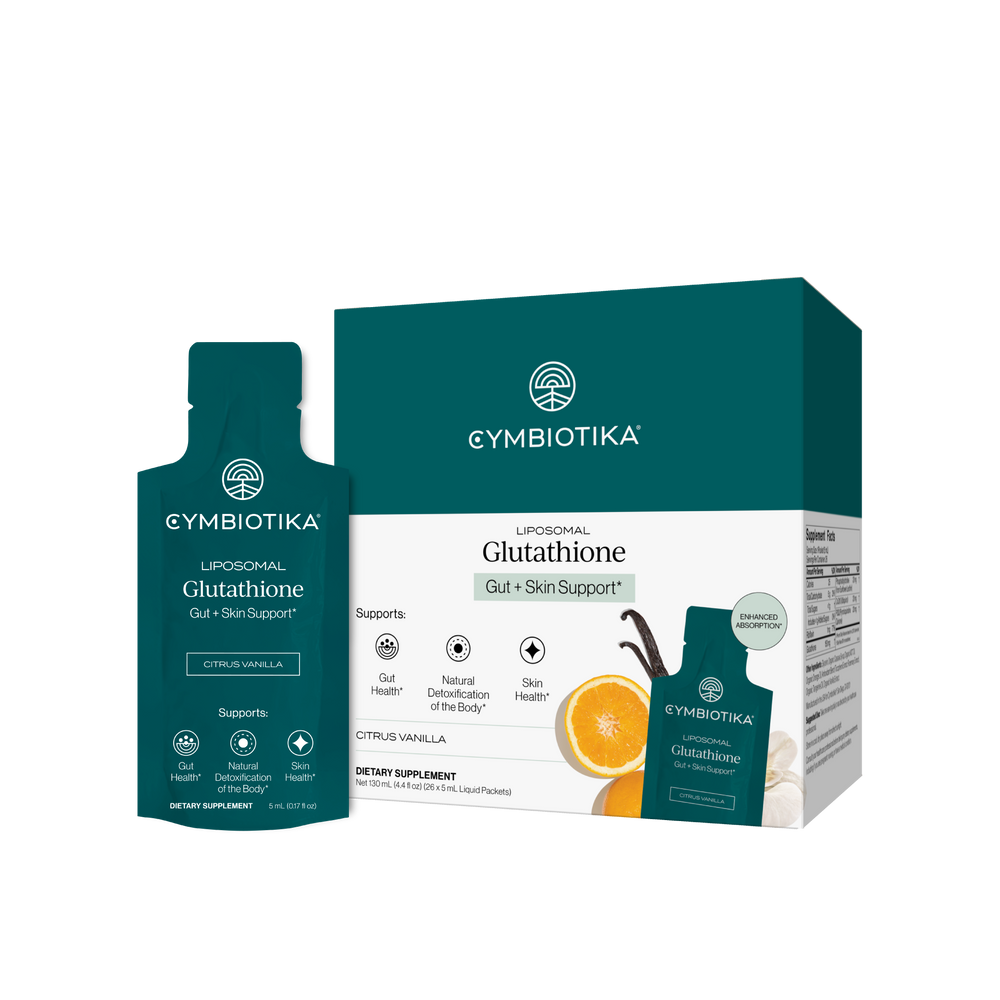
Our Liposomal Glutathione is designed with this exact science in mind. We use a phospholipid bilayer to ensure that the "master antioxidant" actually arrives where it is needed most, rather than being destroyed in the gut.
How Your Body Uses Reduced Glutathione
Once the reduced glutathione is successfully absorbed, it goes to work across several different systems. It is not just about "general health"; it plays very specific roles in how you function.
Natural Detoxification and Liver Support
The liver is your body’s primary filtration system. It is responsible for processing everything from environmental pollutants to the breakdown of metabolic byproducts. This process happens in two main phases.
In Phase 1, the liver begins breaking down toxins, often creating reactive intermediates that can actually be more harmful than the original toxin. This is where glutathione is essential. In Phase 2, the liver uses glutathione to "grab" these intermediates and turn them into water-soluble compounds that can be safely flushed out of the system. Without enough reduced glutathione, these toxins can linger, leading to feelings of sluggishness and fatigue.
Cellular Energy and Mitochondrial Health
Your mitochondria are the "power plants" of your cells. They take the oxygen you breathe and the food you eat and turn them into ATP (adenosine triphosphate), which is the energy your body uses for everything from thinking to walking.
However, the process of making energy creates "exhaust" in the form of free radicals. If this exhaust isn't cleared away, it can damage the mitochondria, making them less efficient. This is a common reason for persistent low energy. Reduced glutathione lives inside the mitochondria to neutralize this "exhaust" immediately, helping your cells maintain high energy production.
Skin Health and Radiance
Many people find that their skin is the first place they notice a difference when they optimize their glutathione levels. This is because oxidative stress is a major contributor to dullness and uneven skin tone. For more information, explore this guide to what glutathione does for skin.
Reduced glutathione also plays a role in the pathway that produces melanin (the pigment in your skin). It can help shift the production of darker pigments toward lighter, more luminous tones. This isn't about changing your natural color; it's about supporting a healthy, even glow and protecting the skin from the visible effects of environmental stressors like UV rays and pollution.
Maximizing Your Results: Timing and Routine
Building a wellness routine is about consistency, not intensity. Taking a high dose once in a while won't have the same impact as taking a bioavailable amount every day. This glutathione routine guide offers additional ideas for incorporating it into your day.
Step 1: Choose your timing. Most people find it best to take glutathione on an empty stomach to maximize absorption, though liposomal formats are generally much gentler on the stomach than standard pills. Taking it first thing in the morning can help "prime" your antioxidant defenses for the day ahead.
Step 2: Be consistent. Antioxidant levels take time to build up in the tissues. We often recommend staying consistent with your routine for at least 30 to 60 days to truly feel the difference in your energy levels and skin health.
Step 3: Support the "recharging" process. Since your body tries to recycle spent glutathione, you can help it by ensuring you have enough of the "helper" nutrients. Selenium, for example, is a mineral that is required for the glutathione reductase enzyme to work.
Bottom line: Reduced glutathione is essential for detox, energy, and skin health, but it must be taken in a format—like liposomal delivery—that bypasses the destructive nature of the digestive system.
Comparison: Reduced vs. Standard Glutathione
| Feature | Standard Glutathione (Powder/Capsule) | Reduced Glutathione (Liposomal) |
|---|---|---|
| Active Form | Often unspecified; may be oxidized | Guaranteed active GSH form |
| Digestive Survival | Poor; broken down by stomach acid | High; protected by phospholipid shell |
| Bioavailability | Very low | High; designed for cellular uptake |
| Cellular Impact | Minimal due to poor absorption | Direct support for mitochondria and liver |
| Value | Low (much is wasted during digestion) | High (more of the dose reaches the blood) |
Common Misconceptions
There is a lot of misinformation surrounding antioxidants. Let's clear up some of the most common myths.
Myth: More milligrams always means better results. Fact: With glutathione, milligrams matter less than delivery. 250mg of a liposomal glutathione is often far more effective than 1,000mg of a standard powder because the liposomal version actually makes it into your system.
Myth: You can get all the glutathione you need from food. Fact: While foods like asparagus, avocado, and spinach contain glutathione, the cooking process and digestion break most of it down. While a healthy diet is the foundation of wellness, supplementation is often needed to significantly raise cellular levels, especially as we age.
Myth: Supplements work instantly. Fact: While some people feel a shift in energy relatively quickly, glutathione works at a deep cellular level. It usually takes several weeks of consistent use for the body to clear out "oxidative debt" and for you to notice the full benefits in your skin and vitality.
How to Choose the Right Supplement
When you are browsing the aisles or searching online, use these criteria to ensure you are getting a product that aligns with your health goals.
- Check for the word "Reduced": This ensures the molecule is in its active, electron-donating state.
- Look for Liposomal Delivery: This is the most critical factor for ensuring the product doesn't just end up as expensive waste in your digestive tract.
- Purity Matters: At Cymbiotika, we prioritize clean formulations. Ensure your supplement is free from synthetic fillers, artificial flavors, and unnecessary additives.
- Third-Party Testing: Transparency is the cornerstone of trust. Only buy from brands that verify their potency and purity through independent labs.
Our commitment to transparency means we don't hide behind "proprietary blends." We want you to know exactly what you are putting into your body and why it works. Every product we create, including our Liposomal Glutathione, is formulated based on the latest science in bioavailability and cellular health.
For readers exploring broader healthy-ageing support, the Healthy Aging Supplements collection provides a relevant place to continue browsing.
Conclusion
When asking "is reduced glutathione better than glutathione," the answer lies in understanding that "reduced" is simply the active, ready-to-work version of the molecule. However, the most active form in the world won't help if it never reaches your cells.
By choosing a reduced, liposomal form, you are giving your body a tool it can actually use to support the liver, protect the mitochondria, and promote a healthy glow from the inside out. Wellness is a journey of small, informed choices. Each choice—like selecting a more bioavailable supplement—builds toward a foundation of long-term health and vitality.
We are here to help you navigate these choices. If you are unsure where to start your routine, we invite you to take our Health Quiz. It is designed to provide personalized recommendations based on your unique lifestyle and goals, helping you build a supplement stack that fits your life perfectly.
Key Takeaway: Success with glutathione depends on two factors: using the reduced (active) form and ensuring it is delivered via a liposomal system to bypass digestion. Consistency with this combination supports your body's "master" defense system most effectively.
FAQ
What is the best time of day to take reduced glutathione?
Most people find the greatest benefit taking it in the morning on an empty stomach, about 20 minutes before breakfast. This allows the liposomes to be absorbed without competing with other food, though liposomal formats are versatile and can be taken later in the day if that fits your schedule better.
Can I take reduced glutathione every day?
Yes, many people incorporate reduced glutathione into their daily wellness routine to provide ongoing support for their antioxidant defenses. Because the body's levels naturally decline with age and environmental stress, daily supplementation can help maintain a consistent "baseline" for cellular health.
How long does it take to see results from reduced glutathione?
While individual results vary, most people begin to notice changes in their energy levels and skin radiance within 4 to 8 weeks of consistent use. It takes time for the body to replenish cellular stores and reduce the overall burden of oxidative stress.
Is there a difference between L-glutathione and reduced glutathione?
In the context of supplements, they are almost always the same thing. L-glutathione refers to the natural molecular structure of the amino acids, and reduced glutathione refers to the active state of the molecule; a high-quality supplement will be both "L" and "reduced."