Introduction
If you have ever spent time looking into cellular health or liver support, you have likely come across the word glutathione. It is often called the master antioxidant because it is found in nearly every cell in your body. However, the labels can get confusing quickly. You might see one bottle labeled as L-Glutathione and another as Reduced Glutathione. You may wonder if you are looking at two different nutrients or if one is superior to the other.
At Cymbiotika, we believe that understanding the science behind your supplements is the first step toward a better wellness routine. Confusion often leads to inconsistent habits, and consistency is where real results happen. This guide will clarify the naming conventions, the biology of how this molecule works, and why the delivery method is more important than the name on the label.
Our goal is to help you understand exactly what you are putting into your body. We will explore the chemistry of these terms, the role glutathione plays in your daily energy and detoxification, and how to ensure your body actually absorbs what you take. By the end of this article, you will know exactly why Liposomal Glutathione and reduced glutathione are the same thing and how to choose a format that works.
Quick Answer: Yes, L-glutathione and reduced glutathione are essentially the same. L-glutathione refers to the specific molecular structure, while "reduced" refers to the active, stable form that is ready to neutralize free radicals in your body.
The Chemistry of Glutathione Explained
To understand these terms, we have to look at the molecule itself. If you want a deeper breakdown of its structure, our What Is in Glutathione guide is a helpful companion. Glutathione is a tripeptide. This is a fancy way of saying it is a tiny protein made of three specific amino acids: cysteine, glycine, and glutamic acid. Your body produces it naturally in the liver and then distributes it to your cells.
What Does the "L" in L-Glutathione Mean?
In the world of biochemistry, many molecules have a specific "handedness." This is called stereochemistry. The "L" stands for "levorotatory." It refers to how the amino acids in the molecule are shaped and how they rotate light.
Most amino acids used by the human body are in the "L" form. When you see L-Glutathione, the label is simply being technically precise about the molecular structure. There is no "R" form used in supplements, so "Glutathione" and "L-Glutathione" are used interchangeably in the wellness industry.
What Does "Reduced" Mean?
The word "reduced" does not mean there is less of it. In chemistry, "reduction" refers to the gain of electrons. Glutathione exists in two main states in your body:
- Reduced Glutathione (GSH): This is the active form. It is "charged" and ready to work. It has an extra electron that it can donate to an unstable molecule (a free radical) to neutralize it.
- Oxidized Glutathione (GSSG): This is the "spent" form. After the reduced glutathione gives away its electron, it becomes oxidized. It stays in this inactive state until an enzyme helps "recharge" it back into the reduced form.
When you buy a supplement, you want it to be in the reduced form. If you take the oxidized form, your body has to spend energy to convert it before it can do any work. Therefore, L-Glutathione and Reduced Glutathione both describe the active, ready-to-use version of this master antioxidant.
Key Takeaway: L-Glutathione and Reduced Glutathione are two different ways to describe the same active molecule. The "L" describes its shape, and "Reduced" describes its active, electron-rich state.
Why Glutathione is the Master Antioxidant
Your body is constantly managing a process called oxidative stress. Think of oxidative stress like biological "rust." It happens when unstable molecules called free radicals damage your cells, DNA, and proteins. This is a natural byproduct of breathing, eating, and moving, but environmental factors like pollution and stress can increase the load.
Glutathione is the primary defense against this "rusting" process. It is unique because it is endogenous, meaning your body makes it itself. Most other antioxidants, like Vitamin C or Vitamin E, must be recycled by glutathione to remain effective, which is one reason it belongs in Cymbiotika’s Healthy Aging collection.
Supporting the Liver and Detoxification
The liver is your body's main filtration system. It processes everything you eat, drink, and breathe. This process happens in two phases. In Phase I, the liver breaks down toxins into intermediate forms. These intermediates are often more reactive and dangerous than the original toxin.
In Phase II, the liver uses glutathione to "grab" these reactive molecules and make them water-soluble. Once they are water-soluble, your body can safely flush them out through your kidneys or gut. Without enough reduced glutathione, these toxins can linger and cause cellular damage. For a closer look at the topic, read Discovering the Best Liposomal Glutathione.
Protecting the Mitochondria
Mitochondria are the power plants of your cells. They turn the food you eat into ATP, which is the energy currency your body uses for everything from thinking to running. However, producing energy creates a lot of free radical exhaust.
Because glutathione is present inside the mitochondria, it neutralizes this exhaust immediately. This helps maintain high energy levels and protects the "power plants" from burning out. Many people find that supporting their glutathione levels helps with that feeling of midday sluggishness, and the Energy collection is a useful place to explore if that is part of your routine.
The Absorption Problem: Why Most Supplements Fail
Knowing that L-glutathione is the same as reduced glutathione is only half the battle. The bigger question is: Does your body actually absorb it?
Glutathione is a protein. Your stomach is very good at digesting proteins. When you swallow a standard glutathione capsule, your stomach acid and digestive enzymes often break that tripeptide back down into its three original amino acids.
By the time the supplement reaches your bloodstream, it is no longer glutathione. Your body then has to try and put those pieces back together. This is inefficient. This is why many older studies suggested that oral glutathione was not very effective at raising levels in the body. The bioavailability—or how much actually gets into your system—was simply too low. If you want a more detailed look at the delivery science, start with All About Liposomes.
The Liposomal Difference
To solve the absorption problem, we use advanced liposomal delivery. A liposome is a tiny, microscopic bubble made of phospholipids. These are the same fats that make up your own cell membranes.
We wrap the reduced glutathione inside these lipid bubbles. This phospholipid bilayer (a double layer of protective fats) acts as a shield. It protects the glutathione from being destroyed by stomach acid.
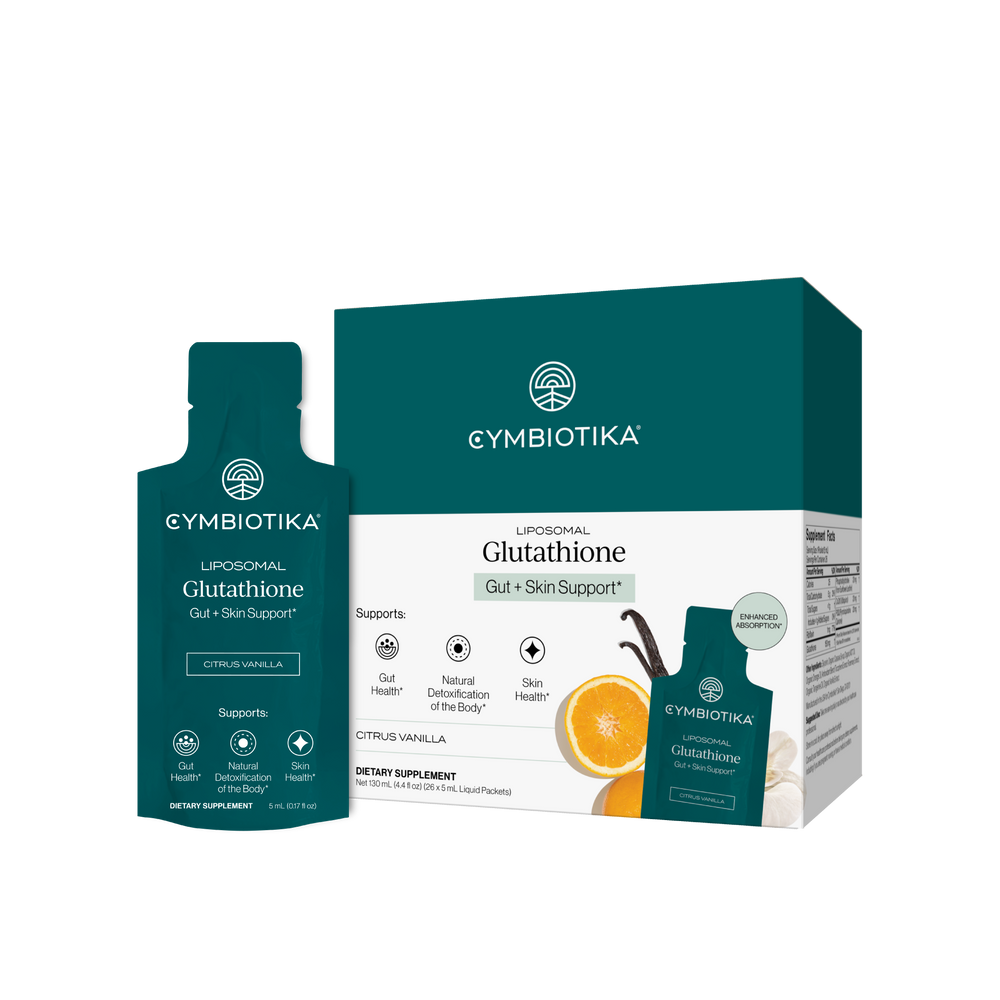
Because the liposome looks just like a human cell, your body can absorb it directly through the lining of the gut and into the bloodstream. It can even deliver the glutathione directly into your cells. For a deeper explainer on the format itself, see Ask Dr. Shilpa: Liposomes 101. Our Liposomal Glutathione is designed with this technology to ensure that the "master antioxidant" actually reaches its destination.
Myth: All glutathione supplements are the same if the milligram count is the same. Fact: Standard capsules are often broken down in the stomach. Liposomal delivery protects the molecule to support significantly higher absorption at the cellular level.
Factors That Deplete Your Glutathione Stores
Your body's demand for glutathione is not constant. It fluctuates based on your environment and lifestyle. While we produce it naturally, we can often use it up faster than we can create it.
Environmental Toxins Exposure to heavy metals, pesticides in food, and urban pollution puts a heavy load on the liver. The more toxins your liver has to process, the more glutathione it consumes.
The Aging Process As we age, our natural production of glutathione begins to decline. Many researchers believe this drop in antioxidant protection is a key factor in why we feel more "wear and tear" as the decades pass. Supporting these levels as you get older can help maintain cellular resilience.
Physical and Mental Stress High-intensity exercise is great for you, but it creates a temporary spike in oxidative stress. Similarly, chronic mental stress causes the body to use up antioxidant reserves. If you have a demanding job or a heavy training schedule, your glutathione needs may be higher.
Poor Sleep and Nutrition Your body "recharges" its glutathione levels primarily while you sleep. If you are consistently sleep-deprived, your "battery" never gets back to a full charge. Likewise, a diet low in the building blocks of glutathione—like sulfur-rich vegetables—can slow down production.
How to Naturally Support Your Glutathione Levels
While supplementation is a powerful tool, it works best when paired with a lifestyle that supports natural production. You can think of this as a two-pronged approach: providing the building blocks and reducing the "burn rate."
Step 1: Eat Sulfur-Rich Foods
Sulfur is a key component of the amino acid cysteine, which is the most important "ingredient" for making glutathione.
- Cruciferous Vegetables: Broccoli, cauliflower, Brussels sprouts, and kale are excellent sources.
- Allium Vegetables: Garlic, onions, and shallots are rich in the sulfur compounds your liver needs.
- High-Quality Protein: Grass-fed meats, wild-caught fish, and eggs provide the glycine and glutamate required for the tripeptide structure.
Step 2: Prioritize Sleep
Deep sleep is the time when your body focuses on repair and detoxification. During the night, your brain and liver work to clear out metabolic waste. Aim for 7–9 hours of quality sleep to give your body the time it needs to recycle oxidized glutathione back into its reduced, active form.
Step 3: Support with Precursors
Sometimes the body has enough of two ingredients but is missing the third. N-acetyl cysteine (NAC) is a common supplement that provides the "rate-limiting" ingredient for glutathione production. However, for direct support, many people prefer taking the complete molecule in a liposomal format. If you already use a vitamin C routine, Liposomal Vitamin C is a natural addition to consider alongside your routine.
Step 4: Use a Bioavailable Supplement
If you decide to supplement, look for the word "Reduced" or "GSH" on the label. This ensures you are getting the active form. Most importantly, ensure the delivery method is liposomal. At Cymbiotika, we prioritize this because a supplement only has value if your body can use it. Our Liposomal Glutathione also includes other cofactors to support the body’s natural recycling process.
Bottom line: You can support your levels by eating sulfur-rich foods and getting enough sleep, but a highly bioavailable liposomal supplement is the most direct way to replenish your stores.
Choosing the Right Routine for You
Wellness is not about taking every supplement available. It is about identifying the gaps in your own routine. If you live in a city, travel frequently, or feel like your energy levels aren't what they used to be, the Energy collection is a useful place to browse.
When to Take Glutathione
Most people find that taking glutathione in the morning on an empty stomach works best. This allows for optimal absorption before the digestive system gets busy with heavy meals. However, the most important thing is consistency. Choose a time that you can stick to every single day.
What to Expect
Glutathione is not a stimulant like caffeine. You likely won't "feel" it working within minutes. Instead, the benefits are often felt over time. Many people report better mental clarity, more stable energy levels throughout the day, and a generally "brighter" feeling in their skin and overall vitality after a few weeks of consistent use.
Building a Stack
Glutathione works very well alongside other antioxidants. For example, Vitamin C helps "recharge" glutathione, and glutathione helps "recharge" Vitamin C. Using them together can create a more robust defense system for your cells.
If you are unsure where to start, our Health Quiz is a great way to get a personalized recommendation based on your specific goals and lifestyle. It helps remove the guesswork so you can build a routine that actually fits your needs.
Summary: L-Glutathione vs. Reduced Glutathione
To wrap up, when you see these two terms, remember that they are describing the same high-quality, active form of the master antioxidant. L-glutathione is the chemical name, and reduced glutathione is the functional description. Both are what you want to see on a high-quality supplement label.
The real differentiator is not the name, but the delivery. Standard glutathione often falls apart in the gut. Liposomal glutathione is designed to survive the journey and deliver the nutrients directly to your cells.
At Cymbiotika, we are dedicated to this level of transparency. We want you to know not just what is in our products, but why we chose that specific form and delivery method. True wellness starts with trusting that your supplements are actually doing what they say on the bottle. By focusing on bioavailability and clean sourcing, we help you take control of your health with confidence.
Key Takeaway: Don't get hung up on the naming. Look for "Reduced" to ensure activity and "Liposomal" to ensure absorption. This combination provides the best support for your liver, energy, and cellular health.
FAQ
Is L-glutathione better than glutathione?
They are essentially the same thing. The "L" simply denotes the molecular shape of the amino acids used to make the glutathione. Almost all glutathione supplements use the "L" form because it is the version used and recognized by the human body.
Can I take reduced glutathione every day?
Yes, many people take reduced glutathione daily to support their natural antioxidant levels. Since factors like aging, stress, and environmental toxins can deplete your stores, a consistent daily routine is often more effective than occasional use. However, it is always a good idea to consult with your healthcare provider before starting any new supplement.
Is liposomal glutathione the same as reduced glutathione?
Liposomal glutathione refers to the delivery method, while reduced glutathione refers to the active state of the molecule itself. A high-quality supplement, like the one we offer, will be both. It uses the reduced form of glutathione and wraps it in a liposomal shell to ensure it survives digestion and reaches your cells.
Why is it called "reduced" glutathione?
In chemistry, "reduced" means the molecule has gained electrons, making it stable and active. This allows the glutathione to donate an electron to a free radical, neutralizing it and preventing cellular damage. The alternative is "oxidized" glutathione, which is the inactive form that has already used its antioxidant power.