Introduction
Have you ever wondered why some people seem to glow with health while others struggle with fatigue, stress, and a host of ailments? One potential key to this vitality lies in a powerful molecule produced naturally in our bodies known as glutathione. This tripeptide, composed of three amino acids—cysteine, glutamate, and glycine—serves as one of the body's most potent antioxidants. It plays a crucial role in neutralizing free radicals, detoxifying harmful substances, and supporting overall cellular health.
The importance of glutathione cannot be overstated. Research suggests that our glutathione levels may decline due to factors such as aging, chronic stress, poor nutrition, and exposure to environmental toxins. As these levels drop, we may become more susceptible to various health issues. This has led to an increased interest in glutathione supplementation, with many individuals turning to supplements in hopes of boosting their health and well-being.
At Cymbiotika, we believe that wellness starts with trust, and we are committed to providing high-quality, science-backed supplements with transparent labels and no hidden ingredients. In this blog, we will delve into the effectiveness of glutathione supplements, exploring their benefits, potential side effects, and how they fit into a holistic approach to health. By the end of this article, we hope to empower you with the knowledge to make informed decisions about your wellness journey.
We will cover the following topics:
- What is glutathione?
- The potential benefits of glutathione supplementation
- Different forms of glutathione supplements
- Factors affecting glutathione absorption
- Safety and side effects of glutathione supplementation
- How to boost glutathione levels naturally
- Conclusion and FAQs
Let’s embark on this journey together to explore whether glutathione supplementation is indeed effective.
What is Glutathione?
Glutathione is a small protein that consists of three amino acids: cysteine, glycine, and glutamate. It is often referred to as the "master antioxidant," playing a vital role in protecting cells from oxidative stress and damage caused by free radicals.
The Role of Glutathione in the Body
- Antioxidant Activity: Glutathione scavenges free radicals, helping to neutralize harmful oxidative agents that can damage cells and lead to chronic diseases.
- Detoxification: It aids in the detoxification process by binding to toxins, heavy metals, and harmful substances, making them easier for the body to excrete.
- Immune Function: Glutathione supports the immune system by enhancing the function of immune cells, helping the body fight off infections and diseases.
- Cellular Repair: It plays a crucial role in the repair of damaged cells and tissues, supporting overall health and well-being.
The Decline of Glutathione Levels
As we age, our natural production of glutathione tends to decrease. Additionally, lifestyle factors such as poor diet, chronic stress, pollution, and excessive alcohol consumption can further deplete our glutathione levels. This decline has been associated with various health conditions, including autoimmune diseases, neurodegenerative disorders, and overall decreased vitality.
The Potential Benefits of Glutathione Supplementation
As awareness grows about the importance of glutathione, many individuals are turning to supplementation to help restore their levels. But what benefits can glutathione supplements offer?
1. Enhancing Antioxidant Defense
One of the primary reasons people take glutathione supplements is to enhance their antioxidant defense. Research suggests that boosting glutathione levels may help reduce oxidative stress, which is linked to numerous chronic diseases, including heart disease, diabetes, and cancer.
2. Supporting Liver Health
Glutathione is crucial for liver detoxification processes. Studies indicate that glutathione supplementation may improve liver function and protect against damage from toxins and drugs. Individuals with liver conditions, such as nonalcoholic fatty liver disease, may especially benefit from increased glutathione levels.
3. Improving Immune Function
A robust immune response is essential for good health. Glutathione supports the immune system by enhancing the activity of lymphocytes (white blood cells) and promoting the production of other immune-related substances. Some studies suggest that adequate glutathione levels can lead to improved immune function.
4. Potential Anti-Aging Effects
Due to its role in combating oxidative stress, glutathione is often touted for its potential anti-aging benefits. Maintaining optimal glutathione levels may help slow down the aging process and reduce the risk of age-related diseases.
5. Improving Exercise Recovery
Athletes and fitness enthusiasts may benefit from glutathione supplementation to enhance recovery after intense workouts. By reducing oxidative stress and inflammation, glutathione may help improve muscle recovery and performance.
6. Skin Health and Appearance
Some individuals use glutathione for its purported skin benefits, including its potential to lighten skin tone and reduce hyperpigmentation. While some studies suggest a link between glutathione and improved skin appearance, more research is needed to fully validate these claims.
Different Forms of Glutathione Supplements
Glutathione supplements come in various forms, each with its advantages and disadvantages. Here’s a closer look at the most common types:
1. Oral Supplements
Oral glutathione supplements are widely available in capsule or liquid form. However, there is ongoing debate regarding their effectiveness. Some studies suggest that oral glutathione may be poorly absorbed in the gastrointestinal tract, limiting its benefits.
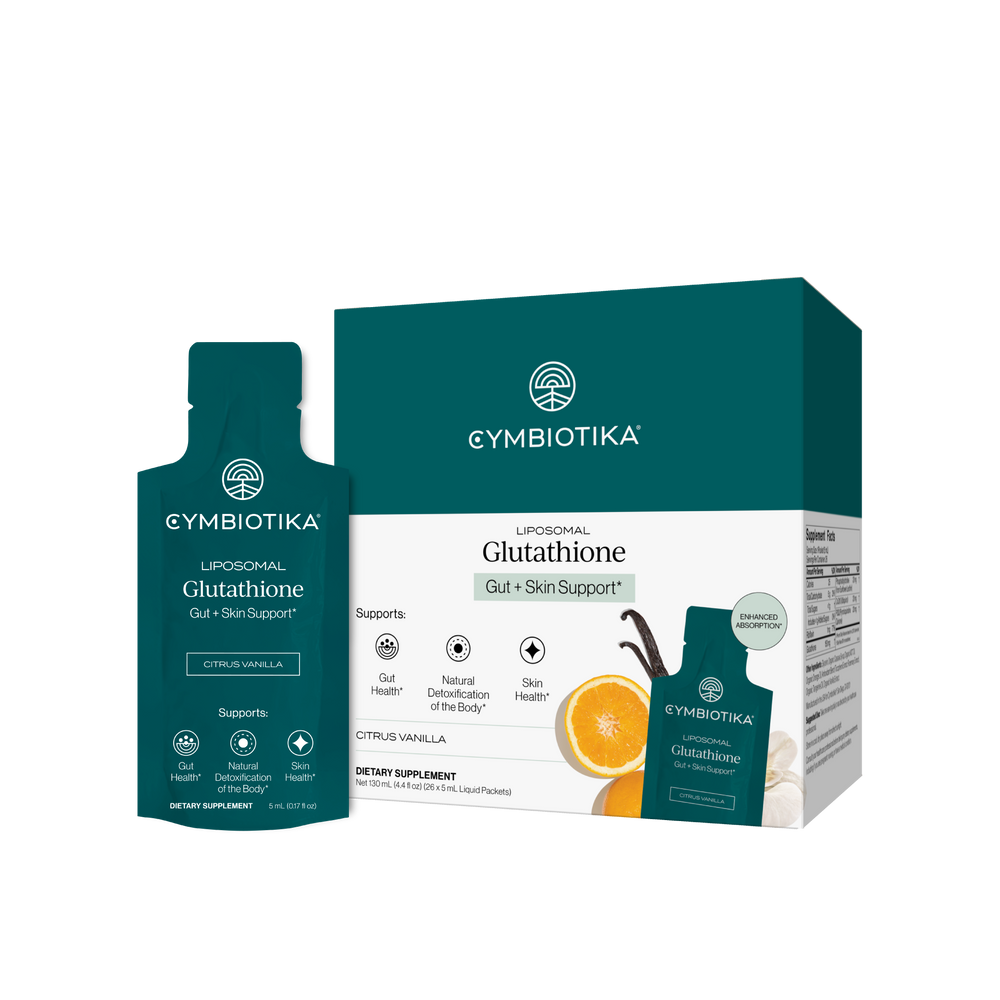
2. Liposomal Glutathione
Liposomal glutathione is encased in tiny lipid bubbles, which may enhance its absorption compared to standard oral supplements. This form is gaining popularity and may provide a more effective delivery method for glutathione.
3. Sublingual Glutathione
Sublingual forms dissolve under the tongue, allowing for direct absorption into the bloodstream. This method may bypass some of the digestive barriers associated with oral supplementation.
4. Intravenous (IV) Glutathione
IV administration delivers glutathione directly into the bloodstream, ensuring maximum absorption. This method is often used in clinical settings, but it may not be practical for everyday use.
Factors Affecting Glutathione Absorption
The effectiveness of glutathione supplementation can be influenced by several factors:
1. Form of Supplement
As discussed, the form of glutathione supplementation can impact absorption. Liposomal and sublingual forms may provide better bioavailability compared to standard oral supplements.
2. Dosage
The appropriate dosage of glutathione can vary based on individual needs and health goals. Research suggests that higher doses may be necessary for certain benefits, but it’s essential to consult with a healthcare professional to determine the right amount for you.
3. Individual Health Status
Individual factors, such as age, health conditions, and lifestyle choices, can affect glutathione levels and absorption. For example, those with compromised digestive systems may have difficulty absorbing oral supplements.
4. Diet and Lifestyle
A diet rich in sulfur-containing foods (such as garlic, broccoli, and onions) and antioxidants can support natural glutathione production. Additionally, reducing exposure to toxins and managing stress can promote optimal glutathione levels.
Safety and Side Effects of Glutathione Supplementation
While glutathione is generally considered safe for most individuals, there are some potential side effects and considerations:
1. Allergic Reactions
Some individuals may experience allergic reactions to glutathione supplements, including rashes or gastrointestinal discomfort. If you notice any adverse effects, discontinue use and consult a healthcare professional.
2. Interactions with Medications
Glutathione may interact with certain medications, particularly those that affect liver function. It is crucial to inform your healthcare provider about any supplements you are taking.
3. Potential Risk of Over-Supplementation
Excessive glutathione supplementation may lead to imbalances in other antioxidants in the body. Maintaining a balanced approach is essential for overall health.
How to Boost Glutathione Levels Naturally
In addition to supplementation, there are several lifestyle changes that can help increase your body’s natural production of glutathione:
- Eat a Balanced Diet: Focus on consuming a variety of fruits, vegetables, and lean proteins, especially those high in sulfur, like garlic and cruciferous vegetables.
- Regular Exercise: Engaging in regular physical activity can help enhance antioxidant defenses, including glutathione.
- Reduce Stress: Incorporate stress-reducing practices, such as meditation, yoga, or deep breathing exercises, to support overall health and well-being.
- Limit Alcohol and Toxin Exposure: Reducing alcohol consumption and avoiding environmental toxins can help maintain optimal liver function and support glutathione levels.
- Stay Hydrated: Drinking plenty of water is vital for overall health and aids in the detoxification process.
Conclusion
Glutathione is an essential molecule that plays a critical role in maintaining cellular health and protecting against oxidative stress. While the effectiveness of glutathione supplementation remains a topic of debate, many individuals report benefits from its use, particularly in enhancing antioxidant defenses and supporting liver health.
At Cymbiotika, we are committed to empowering individuals with science-backed supplements that prioritize transparency and quality. If you're interested in exploring whether glutathione supplementation might be right for you, we encourage you to take our AI quiz to find tailored recommendations that suit your needs.
FAQs
1. What are the main functions of glutathione? Glutathione acts as a powerful antioxidant, supports detoxification, enhances immune function, and aids in cellular repair.
2. Can I increase my glutathione levels through diet? Yes, consuming sulfur-rich foods (like garlic and cruciferous vegetables) and other antioxidants can help boost your natural glutathione production.
3. Is glutathione supplementation safe? While generally safe for most individuals, it is essential to consult with a healthcare professional before starting any new supplement to ensure it is appropriate for your specific health needs.
4. How do I choose the right form of glutathione supplement? Consider factors such as absorption efficiency, your health goals, and any potential interactions with medications. Consulting a healthcare provider can help guide your choice.
5. What is Cymbiotika’s approach to glutathione supplementation? At Cymbiotika, we prioritize transparency, quality, and science-backed formulations, ensuring our products are crafted to support your wellness journey without hidden ingredients.
By understanding the role of glutathione in our health and exploring supplementation options, we can make informed decisions to enhance our well-being. Together, we can take proactive steps toward a healthier future.