Introduction
The postpartum period is a time of immense physical and emotional transition. Your body has just performed the incredible feat of bringing a new life into the world, and now it is tasked with the demanding work of recovery and nourishing an infant. It is completely natural to look for ways to support your energy, immune function, and overall resilience during this phase. You want to feel your best so you can show up fully for your baby, but every choice you make regarding nutrition and supplementation now carries extra weight.
Glutathione is often called the master antioxidant, a title it earns by being one of the most hardworking molecules in your cells. Because it is naturally produced by your body and found in human breast milk, many mothers wonder if taking it as a supplement is a safe way to boost their wellness routine. At Cymbiotika, we believe that informed choices are the foundation of a healthy life, especially when you are navigating the complexities of breastfeeding.
This article explores the safety of glutathione for nursing mothers, the role it plays in maternal and infant health, and why the way a supplement is formulated matters more than just the dosage on the label. We will look at how your body uses this vital compound and what you should consider before adding it to your daily routine. For additional background, explore this guide to why glutathione matters. Our goal is to help you build a wellness strategy that supports both you and your little one with confidence.
What is Glutathione and Why Does it Matter?
Glutathione is a small protein molecule produced naturally by the liver and found in nearly every cell of the human body. It is composed of three essential amino acids: cysteine, glutamine, and glycine. While many antioxidants come solely from the diet, glutathione is unique because your body can manufacture it internally. It serves as a primary line of defense against oxidative stress, which occurs when there is an imbalance between free radicals and antioxidants in the body.
For a closer look at glutathione’s structure and building blocks, read what makes up glutathione. Think of glutathione as a cellular janitor. Its job is to sweep up metabolic waste, neutralize harmful molecules, and protect the integrity of your DNA. In the context of a new mother, the body is under significant physiological stress. Lack of sleep, the physical demands of healing, and the energy required for milk production can all increase the production of free radicals. Having adequate levels of antioxidants may support your body’s ability to handle these daily pressures.
Beyond its role as a protector, glutathione is deeply involved in the detoxification process. It helps the body process and eliminate environmental toxins through what is known as Phase II detoxification in the liver. This is a critical function for everyone, but for a breastfeeding mother, maintaining a healthy internal environment is often a top priority.
Key Takeaway: Glutathione is a naturally occurring molecule that acts as the body's primary internal protector against cellular stress and metabolic waste.
Is Glutathione Safe for Breastfeeding Moms?
The short answer is that glutathione is a substance already present in your body and your breast milk. Because it is an endogenous compound—meaning it is made within you—it is not a foreign substance. Research indicates that human milk naturally contains glutathione to help protect the infant’s developing systems from oxidative damage. However, when it comes to taking concentrated supplements, the conversation requires a bit more nuance.
Most health professionals consider glutathione to be low-risk because of its natural presence in the body. There is currently no evidence to suggest that moderate supplementation causes harm to a nursing infant. In fact, some perspectives suggest that supporting a mother’s antioxidant levels could potentially improve the quality of her milk by reducing maternal oxidative stress.
That said, clinical studies specifically focusing on high-dose glutathione supplementation in lactating women are limited. This lack of exhaustive data is common in the world of prenatal and postnatal health, as clinical trials involving breastfeeding mothers are ethically complex and rare. For this reason, the standard advice is to approach supplementation with mindfulness and always consult with your healthcare provider or a lactation consultant before starting a new regimen. Mothers exploring broader wellness support can also review Cymbiotika’s Immunity collection.
How Glutathione Supports Postpartum Wellness
The transition into motherhood involves a series of biological shifts. Supporting your cellular health during this time can have a ripple effect on your energy levels and mood. While many people look to glutathione for skin radiance, its internal benefits are far more significant for a busy mom.
Immune System Support
Your immune system is often pushed to its limits when you are caring for a newborn. Glutathione plays a vital role in the proper function of white blood cells, which are the frontline soldiers of your immune defense. By maintaining healthy glutathione levels, you may support your body’s ability to stay resilient against seasonal challenges.
Energy and Mitochondrial Health
The mitochondria are the powerhouses of your cells, responsible for creating the energy you need to get through the day. Mitochondria are also very sensitive to oxidative damage. Glutathione helps protect these energy-producing structures, which can help many women feel less depleted as they navigate the demands of a nursing schedule.
Detoxification and Environmental Protection
Every day, we are exposed to environmental pollutants, from the air we breathe to the products we use in our homes. Glutathione is the primary substrate used by the liver to bind to these toxins and make them water-soluble so they can be excreted. Supporting these pathways may help maintain a cleaner internal environment during a period when your body is focused on providing pure nutrition for your baby.
Quick Answer: Glutathione is generally considered safe for breastfeeding because it is naturally produced by the body and found in breast milk. While it may support maternal energy and immunity, mothers should always consult a doctor before starting a supplement due to the limited number of clinical trials on nursing populations.
The Problem with Standard Glutathione Supplements
If you decide to supplement with glutathione, the most important factor to consider is bioavailability. This term refers to how much of a substance actually reaches your bloodstream and can be used by your cells. Not all supplements are created equal, and this is especially true for glutathione.
Standard glutathione capsules or tablets often have very poor absorption rates. When you swallow a traditional pill, it must pass through the harsh environment of the stomach. The digestive enzymes and stomach acid often break down the glutathione molecule into its individual amino acids before it ever has a chance to be absorbed. In many cases, you are essentially paying for an expensive amino acid supplement rather than the active glutathione molecule your body needs.
This is why many people who seek the benefits of this antioxidant are disappointed by the results of standard oral supplements. If the body cannot absorb the compound intact, it cannot perform its specific role as the master antioxidant. For a breastfeeding mother who is already managing a busy schedule, a supplement that doesn't work is simply a waste of time and resources. Learn more about choosing the right glutathione supplement.
Why Liposomal Delivery is a Meaningful Difference
To solve the problem of poor absorption, advanced delivery methods have been developed. At Cymbiotika, we prioritize bioavailability through the use of liposomal technology. This is not a marketing term; it is a sophisticated method of nutrient delivery designed to mimic the body’s own cellular structure.
A liposome is a tiny, microscopic sphere made of phospholipids—the same fats that make up your cell membranes. When glutathione is "encapsulated" in these liposomes, it is shielded from the destructive forces of the digestive system. The liposome acts as a protective vehicle, carrying the glutathione through the stomach and into the small intestine, where it can be absorbed directly into the bloodstream.
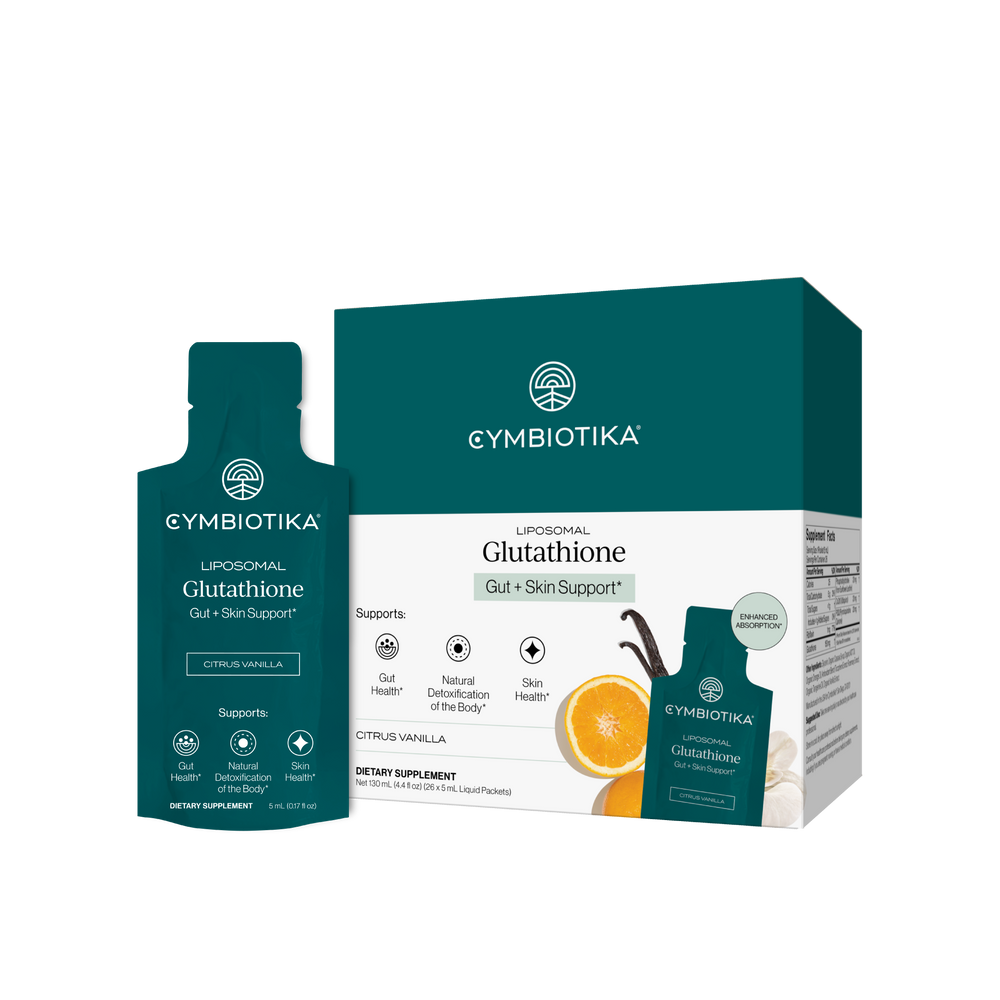
Our Liposomal Glutathione is designed with this technology to ensure that the nutrients actually reach their destination. By using a phospholipid bilayer, we create a delivery system that the body recognizes and accepts. This means you can take a smaller, more effective dose and know that your body is actually utilizing the supplement to support your wellness.
Natural Ways to Support Glutathione Levels
While supplementation can be a helpful tool, it is only one part of a holistic wellness routine. You can also support your body’s natural production of glutathione through your diet and lifestyle. For breastfeeding moms, these strategies are often the best place to start.
Prioritize Sulfur-Rich Foods
The body requires sulfur to synthesize glutathione. Incorporating foods rich in sulfur can provide the raw materials your liver needs. Excellent sources include:
- Cruciferous vegetables like broccoli, cauliflower, and Brussels sprouts
- Allium vegetables such as garlic, onions, and leeks
- High-quality protein sources like grass-fed meats and poultry
Vitamin C and Selenium
Certain nutrients act as cofactors, helping the body recycle and produce glutathione. Vitamin C helps maintain glutathione levels by attacking free radicals first, sparing the glutathione for other tasks. Selenium is a mineral that acts as a catalyst for the enzyme glutathione peroxidase. You can find these in citrus fruits, bell peppers, and Brazil nuts. For another antioxidant-focused option, explore Liposomal Vitamin C.
Rest and Stress Management
It may feel impossible to "reduce stress" with a newborn, but even small moments of mindfulness can help. Chronic stress and lack of sleep can deplete your antioxidant stores quickly. While you may not be getting a full eight hours of sleep, focusing on deep breathing or short periods of rest can help your body stay in a state where it can effectively manage its internal chemistry.
Practical Steps for Adding Glutathione to Your Routine
If you and your healthcare provider decide that glutathione is a good addition to your postpartum routine, consistency is more important than intensity. Building a sustainable habit will yield better results than taking a high dose sporadically.
Step 1: Consult Your Doctor
Before starting any new supplement while breastfeeding, have a conversation with your OBGYN or primary care physician. They can help you determine the right approach based on your specific health history and the needs of your baby.
Step 2: Choose a High-Quality Format
Look for a liposomal liquid rather than a standard pill. This ensures you are getting the highest possible bioavailability. Check the label for purity—ensure there are no synthetic fillers, artificial flavors, or unnecessary sugars.
Step 3: Start Low and Slow
When introducing a new supplement, many people find it helpful to start with a half-dose to see how their body responds. This allows your digestive system to adjust to the new nutrients.
Step 4: Time it Right
Many people find that taking glutathione on an empty stomach, or about 20 minutes before a meal, supports the best absorption. This is especially true for liposomal formats, which are designed to be absorbed quickly.
Key Takeaway: Bioavailability is the most critical factor in glutathione supplementation. Liposomal delivery protects the molecule from digestion, allowing it to be absorbed at the cellular level where it is needed most.
Common Misconceptions About Glutathione
There is a lot of information—and some misinformation—circulating about glutathione, especially in the context of pregnancy and breastfeeding. It is important to separate fact from fiction so you can make the best decision for your family.
Myth: Glutathione supplements are only for skin lightening.
Fact: While glutathione is involved in skin health and radiance, its primary role is cellular protection and detoxification. Its benefits for energy, immunity, and liver function are much more significant for overall wellness.
Myth: All glutathione supplements work the same way.
Fact: Standard glutathione is easily destroyed during digestion. Only advanced delivery systems like liposomes can ensure the molecule remains intact for absorption.
Myth: You can get all the glutathione you need from a multivitamin.
Fact: Most multivitamins contain very small amounts of antioxidants, and rarely in a bioavailable liposomal form. Supporting glutathione often requires a targeted approach.
Potential Side Effects and Considerations
While glutathione is generally recognized as safe, it is a powerful supplement that can affect people differently. Results vary based on your individual biochemistry and current health status. Some people may experience mild digestive changes, such as bloating or loose stools, when they first begin taking an antioxidant supplement. This is often a sign that the body is adjusting to the new nutrient profile and usually resolves within a few days.
It is also worth noting that long-term, high-dose glutathione supplementation may impact zinc levels in some individuals. If you plan to use glutathione for an extended period, you might want to ensure your diet includes plenty of zinc-rich foods like pumpkin seeds, legumes, and lean meats.
Always listen to your body. If you notice any unusual symptoms or feel that a supplement isn't agreeing with you, stop taking it and speak with your healthcare provider. Your intuition as a mother is a powerful tool, and it should always be part of your health decision-making process.
The Importance of Transparency in Supplements
When you are breastfeeding, you are hyper-aware of everything that enters your body. You read labels, check ingredients, and research brands. This is a practice we encourage at Cymbiotika. We believe that wellness starts with trust, and trust is built through transparency.
You should know exactly where your supplements come from and what is inside them. Many conventional supplements contain "hidden" ingredients like magnesium stearate, silicon dioxide, or artificial preservatives that don't add any nutritional value. When choosing a glutathione supplement, look for a brand that prioritizes clean sourcing and third-party testing.
Our commitment to quality means we avoid synthetic fillers and use only non-GMO, high-quality ingredients. We believe that a supplement should only contain what is necessary to support your health. This philosophy is especially important for breastfeeding mothers who want to ensure they are providing the cleanest possible environment for their babies.
Building a Holistic Postpartum Routine
Glutathione is a powerful ally, but it works best when it is part of a larger, balanced approach to wellness. Recovery after childbirth is a marathon, not a sprint. Focusing on foundational pillars will make any supplement you take more effective. Mothers exploring broader long-term wellness support can browse the Healthy Aging & Recovery collection.
- Hydration: Water is essential for every metabolic process, including the detoxification pathways that glutathione supports. Aim for filtered water and consider adding electrolytes if you feel chronically dehydrated.
- Whole Foods: Supplements are meant to supplement a healthy diet, not replace it. Focus on nutrient-dense foods that provide the vitamins and minerals your body needs to heal.
- Mindful Movement: Once cleared by your doctor, gentle movement like walking or stretching can support circulation and lymphatic drainage, helping your body process metabolic waste more efficiently.
- Community Support: Wellness isn't just physical. Having a support system of friends, family, or a parenting group can reduce the mental load, which in turn reduces the physiological impact of stress on your body.
Bottom line: Glutathione is a natural part of your body's chemistry and can be safely used during breastfeeding to support energy and immunity, provided you choose a high-quality, bioavailable format and consult with your doctor.
Conclusion
Navigating the world of supplements while breastfeeding can feel overwhelming, but it doesn't have to be. By focusing on the science of bioavailability and choosing clean, transparent formulations, you can support your postpartum journey with confidence. Glutathione is a remarkable molecule that helps your body stay resilient, and using a liposomal delivery system ensures you are getting the most out of every dose.
At Cymbiotika, we are dedicated to providing you with the tools you need to take ownership of your health. Whether you are looking for immune support, cellular energy, or simply a way to feel more like yourself during the busy days of early motherhood, our goal is to empower you with products you can trust. We believe that when you feel your best, you can provide the best care for your family.
If you are unsure where to start or which supplements might best fit your current needs, we invite you to take our Health Quiz. It is designed to provide personalized recommendations based on your unique goals and lifestyle, helping you build a routine that fits into your life.
FAQ
Can I take glutathione if I am also taking a postnatal multivitamin?
Yes, many women take glutathione alongside their postnatal vitamins. Since glutathione is a targeted antioxidant and multivitamins provide a broad range of nutrients, they can often complement each other. However, it is always best to show your full supplement list to your healthcare provider to ensure there are no overlapping ingredients or contraindications.
How soon will I notice the effects of taking liposomal glutathione?
Results vary significantly from person to person. Some people feel a subtle shift in their energy levels within a few days, while for others, it may take several weeks of consistent use to notice a difference in their overall well-being. Because glutathione works at the cellular level, the benefits are often cumulative and become more apparent over time.
Does glutathione change the taste or quality of breast milk?
There is no evidence to suggest that glutathione supplementation changes the taste of breast milk. Glutathione is naturally present in human milk and is a vital part of the infant's antioxidant defense. By supporting your own antioxidant levels, you are maintaining the natural balance of your body’s systems, which supports overall milk quality.
Are there any specific ingredients I should avoid in a glutathione supplement?
When breastfeeding, it is wise to avoid supplements that contain artificial colors, flavors, or synthetic sweeteners like sucralose or aspartame. You should also look out for unnecessary fillers like maltodextrin or soy lecithin if you have sensitivities. Choosing a clean, liposomal formula ensures you are getting the active ingredient without any unwanted extras.