Introduction
Did you know that the most abundant antioxidant in our bodies is a powerful compound called glutathione? It plays a crucial role in protecting our cells from oxidative stress and supporting overall health. However, as we age, our natural levels of glutathione can decline, prompting many of us to seek ways to supplement it effectively. With a myriad of options available—from oral supplements to injections—understanding how to take L-glutathione effectively is essential for reaping its benefits.
In this blog post, we will delve into the science behind glutathione, exploring its functions, the different forms in which it can be taken, and best practices for supplementation. Our goal is to empower you with the knowledge needed to make informed decisions about incorporating L-glutathione into your wellness routine. Together, we'll explore the optimal methods, dosages, and timing for taking glutathione, ensuring that you maximize its potential.
By the end of this article, you will have a comprehensive understanding of how to integrate L-glutathione into your lifestyle effectively, along with practical tips and insights on boosting your body's natural glutathione levels through diet and supplementation. So, let’s embark on this journey toward better health and well-being!
What is Glutathione?
Glutathione is a tripeptide composed of three amino acids: cysteine, glutamate, and glycine. It is synthesized in our cells and is essential for various physiological processes, including detoxification, immune response, and maintaining cellular health. This remarkable compound acts as a powerful antioxidant, neutralizing harmful free radicals and protecting our bodies from oxidative damage.
The Importance of Glutathione
Glutathione plays a pivotal role in several bodily functions:
- Antioxidant Defense: It helps combat oxidative stress, which can damage cells and contribute to chronic diseases.
- Detoxification: Glutathione aids in the detoxification of harmful substances, including heavy metals and environmental toxins.
- Immune Function: It supports the immune system by maintaining the integrity of immune cells and enhancing their activity.
- Cellular Repair: Glutathione is involved in repairing damaged cells and promoting overall cellular health.
Due to its vital role in health, maintaining optimal levels of glutathione is crucial, especially as our natural levels may decline due to aging, stress, poor diet, and environmental factors.
Understanding Different Forms of Glutathione
When considering how to take L-glutathione effectively, it’s essential to understand the various forms available and their respective benefits.
1. Oral Glutathione Supplements
Oral glutathione supplements are the most common and convenient way to increase glutathione levels. Available in capsules, tablets, or powder forms, these supplements are easy to incorporate into daily routines.
Pros:
- Convenient and easy to take.
- Generally well-tolerated.
Cons:
- Limited absorption: Glutathione may be broken down in the digestive system, reducing its effectiveness.
- Variable results: Some studies suggest that oral glutathione may not significantly raise levels in the bloodstream.
2. Liposomal Glutathione
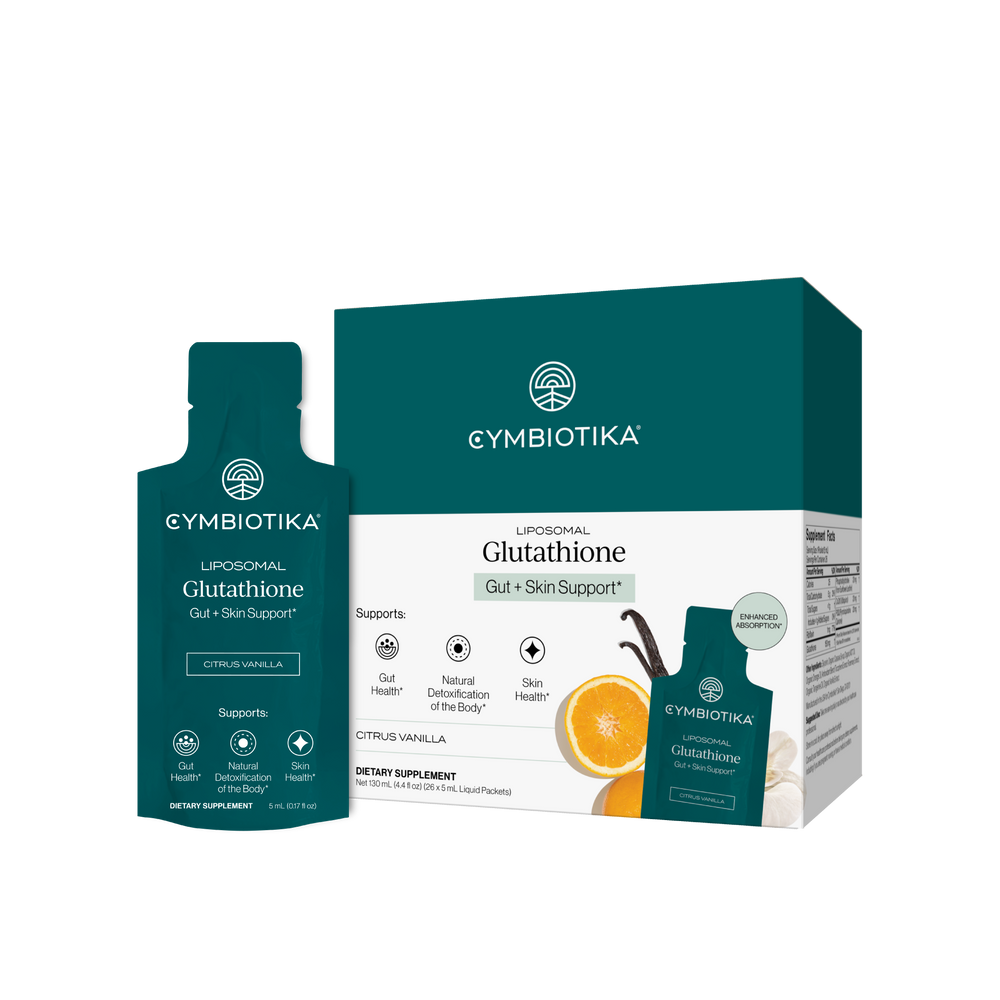
Liposomal glutathione is encapsulated in lipid layers, enhancing its absorption and bioavailability. This advanced formulation protects glutathione from degradation in the digestive tract, allowing for more effective delivery to the cells.
Pros:
- Improved absorption compared to standard oral forms.
- Offers a balance between convenience and efficacy.
Cons:
- Typically more expensive than standard oral supplements.
3. Sublingual Glutathione
Sublingual glutathione is administered under the tongue, allowing it to bypass the digestive system and enter the bloodstream directly through the mucous membranes.
Pros:
- High bioavailability and rapid absorption.
- Convenient and easy to use.
Cons:
- Limited availability compared to other forms.
4. Intravenous (IV) Glutathione
IV glutathione is administered directly into the bloodstream, providing immediate and complete absorption. This method is often used in clinical settings for individuals needing a rapid boost in glutathione levels.
Pros:
- 100% absorption and rapid effects.
- Ideal for individuals with specific health concerns.
Cons:
- Requires medical supervision.
- More invasive and costly.
5. Food Sources of Glutathione
In addition to supplements, we can also boost our glutathione levels through our diet. Foods rich in sulfur-containing amino acids—such as garlic, broccoli, spinach, and avocados—can help support our body’s natural production of glutathione.
Best Practices for Taking L-Glutathione
Timing and Dosage
The effectiveness of glutathione supplementation can be influenced by timing and dosage. Here are some guidelines to consider:
- Dosage: A common starting dose for oral or sublingual glutathione is between 250 mg to 500 mg daily. For liposomal glutathione, a lower dose of 100 mg to 300 mg is often sufficient due to its enhanced absorption. Always consult a healthcare professional for personalized recommendations.
- Timing: It’s generally recommended to take glutathione on an empty stomach to maximize absorption. Taking it first thing in the morning, ideally 30 minutes before breakfast, can be beneficial. If you find it difficult to take on an empty stomach, combining it with a small amount of healthy fat (such as avocado or nuts) can also support absorption.
Supporting Nutrients
To enhance the effectiveness of glutathione supplementation, it’s beneficial to pair it with certain nutrients:
- Vitamin C: This vitamin plays a critical role in recycling glutathione and enhancing its antioxidant effects.
- Selenium: Selenium supports the synthesis of glutathione and helps maintain its levels in the body.
- Milk Thistle: This herb is known for its liver-supporting properties and may help boost glutathione levels.
Consistency is Key
For optimal results, consistency in supplementation is crucial. Regular intake helps maintain elevated levels of glutathione in the body. Consider setting a daily reminder to ensure you don't miss a dose.
Avoiding Common Mistakes
When taking L-glutathione, it's essential to avoid common pitfalls that can hinder its effectiveness:
- Skipping Doses: Consistency is vital for maintaining glutathione levels. Missing doses can slow down progress.
- Using Low-Quality Supplements: Not all glutathione supplements are created equal. Choose reputable brands that prioritize quality and transparency in their formulations.
- Ignoring Dietary Sources: While supplements are helpful, don’t overlook the importance of a nutrient-rich diet that can support glutathione levels.
How Long Does It Take to See Results?
The timeline for experiencing the benefits of glutathione supplementation can vary based on the form used and individual factors, such as health status:
- Oral and Sublingual: Effects may be noticeable within 2 to 4 weeks.
- Liposomal Glutathione: Results can often be felt within 1 to 2 weeks.
- IV Glutathione: Many individuals report immediate benefits, often within hours.
Conclusion
Understanding how to take L-glutathione effectively can significantly impact our overall health and well-being. By selecting the right form, adhering to recommended dosages, and incorporating supportive nutrients into our regimen, we can maximize the benefits of this powerful antioxidant.
At Cymbiotika, we are dedicated to providing high-quality, science-backed supplements that empower individuals to take control of their health. If you're interested in exploring our collection of wellness products, we invite you to check out our AI quiz to find the best supplement tailored to your needs.
FAQs
- Can I take glutathione every day? Yes, most people can take glutathione daily; however, it is best to consult with a healthcare professional to determine the right dosage for your specific needs.
- What are the side effects of glutathione? Generally, glutathione is considered safe, but some individuals may experience mild side effects such as stomach upset or allergic reactions. If you experience any adverse effects, discontinue use and consult a healthcare provider.
- Can I get glutathione from food? Yes, certain foods, such as garlic, broccoli, spinach, avocados, and nuts, can help boost your body's natural production of glutathione.
- What is the best time to take glutathione? It is recommended to take glutathione on an empty stomach, preferably in the morning before breakfast, to enhance absorption. If needed, pairing it with healthy fats can also be beneficial.
- How do I know which form of glutathione to choose? The best form of glutathione depends on your individual health goals and preferences. Oral and liposomal forms are convenient for daily use, while IV administration may be more appropriate for those needing immediate effects. It’s wise to consult a healthcare professional for personalized recommendations.
We hope this comprehensive guide has equipped you with the knowledge you need to incorporate L-glutathione into your wellness journey effectively!