Introduction
You have likely heard it called the "master antioxidant." Glutathione is a small molecule found in almost every cell of your body, playing a foundational role in how you handle oxidative stress and environmental toxins. As we look for ways to support our long-term vitality, many of us turn to supplements to maintain optimal levels of this essential compound.
Finding the right amount to take can feel confusing because there is no one-size-fits-all answer. The ideal dosage often depends on your specific wellness goals, your lifestyle, and most importantly, how well your body can actually absorb the supplement you choose. At Cymbiotika, we focus on the science of bioavailability to ensure that what you put into your body actually reaches your cells.
This guide will break down the research surrounding glutathione dosages, explain the different delivery methods available, and help you determine a routine that fits your needs. We will cover why formulation matters more than milligram count and how you can maximize your results through consistent habits.
What is Glutathione?
Glutathione is a tripeptide, which is a fancy way of saying it is a small protein made of three specific amino acids: cysteine, glycine, and glutamic acid. Your liver produces it naturally, and it serves as a primary internal defense mechanism. It does not just float around; it actively works to neutralize free radicals—unstable molecules that can damage your cells over time.
Beyond its role as an antioxidant, this molecule is a heavy lifter in the detoxification process. It binds to metabolic waste and environmental pollutants, helping the body process and eliminate them through the proper channels. It also plays a part in supporting the immune system and maintaining cellular energy production.
Quick Answer: For general wellness, many people find success with 250 mg to 500 mg per day. If you are looking for more intensive support for skin radiance or liver health, some protocols suggest 500 mg to 1,000 mg, provided the supplement is designed for high absorption.
The Problem with Standard Glutathione
A major hurdle with this supplement is its fragile nature. When you swallow a standard glutathione capsule or tablet, it must pass through the harsh environment of the stomach. Gastric acids and digestive enzymes often break the molecule down into its individual amino acids before it ever reaches your bloodstream.
Bioavailability is the measure of how much of a substance actually enters your circulation to have an active effect. If a supplement has low bioavailability, it does not matter how many milligrams are on the label; your cells may only receive a fraction of that amount. This is why many people who take traditional glutathione supplements fail to see the results they expect.
How Many MG Should I Take for General Wellness?
For most healthy adults looking to maintain their current state of wellbeing, a daily dose of 250 mg to 500 mg is a common starting point. This range is typically sufficient to support the body’s natural antioxidant defenses and help manage the everyday oxidative stress caused by diet, exercise, and the environment.
At this level, the goal is "maintenance." You are essentially providing your body with a steady supply of building blocks to ensure your internal stores do not dip too low. This is especially important as we age, as our natural production of glutathione tends to decline gradually after the age of 25.
Why Quality Trumps Quantity
In the world of supplements, more is not always better. Taking 2,000 mg of a poorly absorbed powder may be less effective than taking 250 mg of a highly bioavailable formula. When you choose a high-quality delivery system, you can often take a lower total dose while achieving better cellular uptake.
For readers who want to explore the broader category, the Healthy Aging Supplements collection is a helpful starting point.
Key Takeaway: Dosage is secondary to delivery. A smaller, well-absorbed dose is more efficient for the body and easier on the digestive system than a high-dose supplement that lacks a protective delivery mechanism.
Dosing for Specific Wellness Goals
If you are looking for more than just maintenance, you might consider adjusting your daily intake. Different goals require different levels of support.
Support for Skin Radiance and Brightening
One of the most popular reasons people seek out glutathione is for its effect on skin health. It is known to influence melanin production, which can lead to a more even skin tone and a natural "glow."
For these cosmetic and structural benefits, research often points toward higher doses, typically between 500 mg and 1,000 mg per day. Consistency is the most important factor here. Because skin cells take time to turnover, most people do not notice visible changes for at least four to eight weeks.
If skin support is part of your routine, you may also want to explore the Healthy Aging Supplements collection for a broader view of related products.
Liver and Detoxification Support
The liver is the body’s primary filtration system and the largest reservoir of glutathione. When the liver is working hard to process toxins—whether from processed foods, alcohol, or environmental exposure—it uses up its glutathione stores rapidly.
To support these natural pathways, doses in the 500 mg to 1,000 mg range are often recommended. Supporting the liver is not about a quick "cleanse." It is about providing the sustained nutritional support the organ needs to perform its daily functions.
Immune System Defense
Your immune cells rely on glutathione to function properly and communicate with one another. During times of seasonal change or increased stress, the body's demand for antioxidants increases. Many people find that a temporary increase in their dosage—moving from a maintenance dose of 250 mg to an active dose of 500 mg—helps them feel more resilient.
If immune support is a priority, the Immunity collection is a natural place to look next.
The Role of Liposomal Delivery
To overcome the absorption issues mentioned earlier, we utilize liposomal delivery. A liposome is a tiny, microscopic bubble made of phospholipids—the same material that makes up your own cell membranes.
When glutathione is encapsulated in these phospholipids, it creates a "phospholipid bilayer" (a double-layered protective shell). This shell protects the glutathione from being destroyed in the stomach. Instead of being broken down, the liposome travels through the digestive tract and fuses directly with the cells in the small intestine. This allows the nutrient to enter the bloodstream intact.
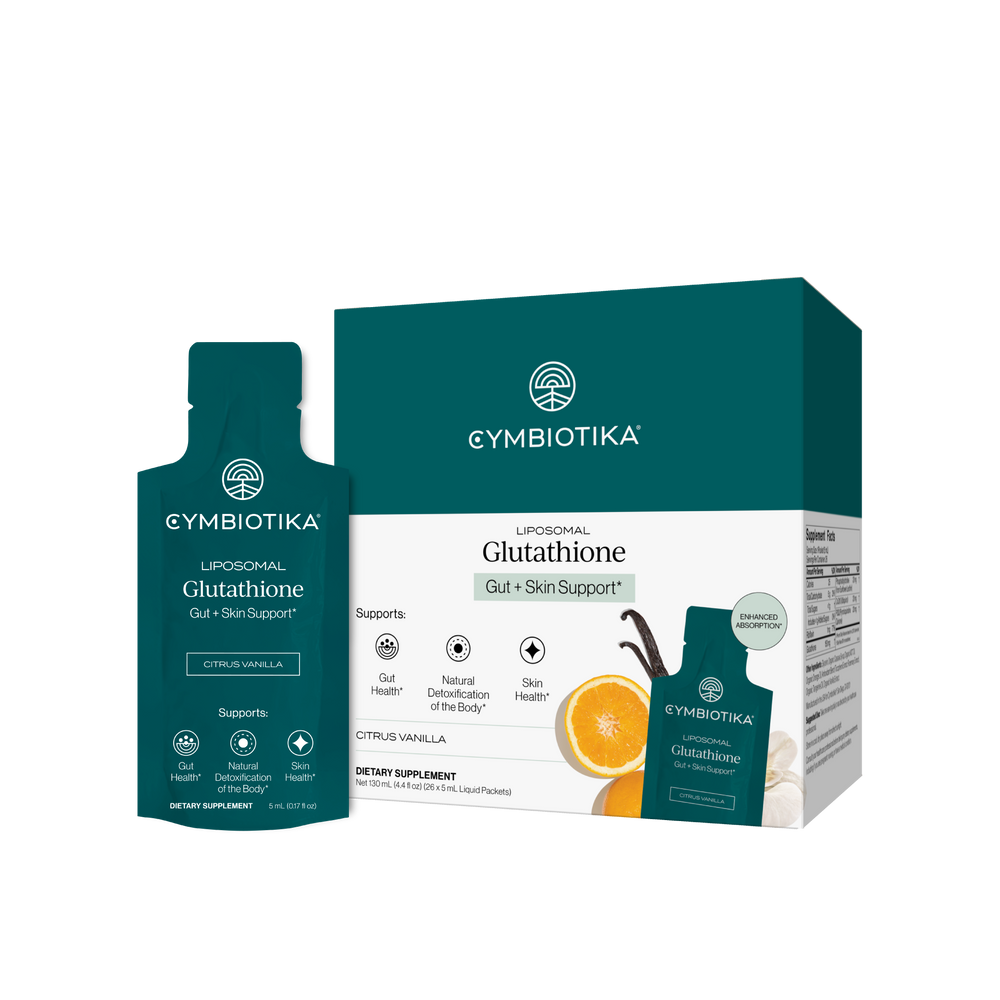
Our Liposomal Glutathione is designed with this technology to ensure that the milligrams you see on the label are the milligrams your body can actually use. This delivery method mimics the body's natural cellular structure, making the supplement "body-ready."
For a deeper explanation of the format, you can also read What Is Liposomal Glutathione? Benefits & How It Works.
Myth: All glutathione supplements are equally effective as long as the milligram count is high.
Fact: Standard glutathione is easily destroyed by digestion. Liposomal delivery is necessary to protect the molecule and ensure it reaches the bloodstream for maximum effectiveness.
Factors That Influence Your Ideal Dosage
Your body is unique, and several variables can change how much glutathione you might need on any given day.
Body Weight and Composition
A common rule of thumb used in some clinical settings is to calculate dosage based on weight. Some practitioners suggest 20 mg to 40 mg of glutathione per kilogram of body weight. For a person weighing 70kg (about 154 lbs), this would translate to a daily range of 1,400 mg to 2,800 mg. However, these higher doses are usually reserved for specific, short-term protocols and should be discussed with a healthcare provider.
Age and Natural Production
As we get older, our cells naturally become less efficient at producing their own antioxidants. If you are in your 40s, 50s, or beyond, you may find that you require a slightly higher daily dose than someone in their early 20s to maintain the same level of cellular protection.
Lifestyle and Environment
External factors can "drain" your glutathione levels. If you live in a highly polluted city, spend a lot of time in the sun, or have a high-stress job, your body is likely dealing with a higher-than-average amount of oxidative stress. In these scenarios, your "maintenance" dose might need to be on the higher end of the spectrum (500 mg) to keep up with the demand.
If your routine also needs support for daily energy, the Energy & Focus collection can help round out your wellness stack.
How to Incorporate Glutathione into Your Routine
To get the most out of your supplement, how you take it is just as important as how much you take.
Step 1: Choose your timing. Most people find that taking glutathione on an empty stomach yields the best results. Taking it about 20 minutes before breakfast allows the liposomes to move through the digestive tract without competing with food for absorption.
Step 2: Maintain consistency. Glutathione is not a "quick fix" supplement. Its benefits are cumulative. Whether you choose 250 mg or 500 mg, taking it at the same time every day helps maintain steady levels in your tissues.
Step 3: Pair with cofactors. Glutathione does not work alone. It operates within a network of other nutrients. For example, Liposomal Vitamin C helps "recycle" glutathione, turning it back into its active state after it has neutralized a free radical.
Step 4: Monitor your response. Pay attention to how you feel over a period of 30 days. You might notice improvements in your energy levels, mental clarity, or skin appearance. If you do not see the desired results after a month, you might consider increasing your dose slightly, provided you stay within the recommended guidelines.
Bottom line: Start with a standard dose (250–500 mg) of a high-absorption formula and stay consistent for at least four weeks before deciding to adjust your intake.
Supporting Glutathione Naturally
While supplementation is a powerful tool, you can also support your body's internal production through your diet and lifestyle choices.
- Sulfur-Rich Foods: Garlic, onions, and cruciferous vegetables (like broccoli and kale) provide the sulfur needed for glutathione synthesis.
- Selenium-Rich Foods: This mineral is a vital component of the enzymes that help glutathione work. Brazil nuts, sardines, and grass-fed beef are excellent sources.
- Quality Sleep: Studies show that chronic lack of sleep can significantly deplete antioxidant levels. You can explore the Sleep Supplements collection if sleep support is part of your broader routine.
- Hydration: Water is essential for the detoxification processes that glutathione supports.
Potential Side Effects and Considerations
Glutathione is generally well-tolerated by most people because it is a substance the body already knows how to produce. However, there are a few things to keep in mind.
Some individuals may experience minor digestive upset when starting a new supplement. This is often a sign that the body is adjusting or that the dose is a bit too high for a beginner. If this happens, try cutting the dose in half for a week before gradually increasing it.
Note: Long-term, high-dose supplementation of glutathione may lead to lower levels of zinc in the body. If you plan on taking 1,000 mg or more daily for several months, you may want to monitor your zinc levels or ensure your diet is rich in zinc-containing foods.
As with any supplement, if you are pregnant, nursing, or taking medication, you should consult with your healthcare professional before adding glutathione to your routine. While it is a natural compound, everyone’s health history is different.
The Importance of Third-Party Testing
When you are looking for the right dosage, you need to be certain that the label is accurate. The supplement industry is not always transparent, and some products may contain fillers or lower amounts of the active ingredient than promised.
We prioritize transparency by ensuring our formulations are third-party tested for purity and potency. This means you can trust that when you take our Liposomal Glutathione, you are getting exactly what is listed on the package, without unnecessary synthetic additives or GMOs.
For readers who want a closer look at how the formula is discussed in our education hub, Is Liposomal Glutathione Absorbed? Bioavailability Facts is a useful next read.
Creating a Personalized Wellness Stack
Glutathione is often the "anchor" of a wellness routine, but it can be even more effective when combined with other targeted supplements.
For example, pairing it with our Liposomal Vitamin C creates a powerful duo for immune support and skin health. If you are focused on healthy ageing, you might look into our NMN + Trans-Resveratrol formula, which supports cellular energy and complements the antioxidant work of glutathione.
Everyone's needs are different. A busy professional might need more support for mental clarity, while an athlete might focus more on recovery and inflammatory response. Determining your specific needs is the first step toward a routine that actually works.
If you are still figuring out where to begin, the Cymbiotika Expert can help guide you toward a more personalized routine.
Conclusion
Finding the right amount of glutathione to take is a balance of understanding your goals and choosing a delivery method that ensures absorption. While 250 mg to 500 mg is standard for wellness, the most important factor is bioavailability. Without a protective delivery system like liposomes, much of the glutathione you ingest may go to waste.
We believe that wellness starts with trust and informed choices. By focusing on high-quality sourcing and science-backed delivery, we provide tools that help you take control of your health.
If you are unsure where to start or which products are best for your unique lifestyle, we recommend taking our Health Quiz. It is designed to help you build a personalized routine based on your specific health goals, ensuring you get exactly what your body needs to thrive.
Key Takeaway: Don't get distracted by high milligram counts on standard supplements. Focus on a consistent routine with a bioavailable, liposomal glutathione to support your body's master antioxidant levels effectively.
FAQ
Is it safe to take 1,000 mg of glutathione every day?
For most healthy adults, taking 1,000 mg per day is considered safe, especially when used for specific goals like skin radiance or intensive detox support. However, it is generally recommended to start with a lower dose, such as 250 mg or 500 mg, to see how your body responds. Always consult your healthcare provider if you plan to stay at a high dosage for an extended period.
Should I take glutathione in the morning or at night?
Most people find the best results by taking glutathione in the morning on an empty stomach, about 20 minutes before eating. This allows for optimal absorption without interference from food. Some people prefer taking it at night to support the body's natural repair processes during sleep, so you can choose the time that best fits your daily habit.
Can I get enough glutathione from food alone?
While foods like garlic, broccoli, and spinach help support your body's natural production, the glutathione found directly in food is often poorly absorbed during digestion. Supplementing with a bioavailable form is a more reliable way to significantly raise your cellular levels, especially as natural production declines with age or during times of high stress.
How long does it take to see results from taking glutathione?
Results vary from person to person, but most people begin to notice subtle changes in energy or skin radiance within 4 to 8 weeks of consistent daily use. Because glutathione works at a cellular level to reduce oxidative stress and support detoxification, it takes time for these internal changes to manifest outwardly. Consistency is the most important factor for long-term success.