Introduction
Glutathione, often referred to as the body’s master antioxidant, plays a vital role in protecting our cells from oxidative stress and harmful free radicals. Its importance is underscored by the fact that it is present in every cell of our body, composed of three amino acids: cysteine, glutamate, and glycine. Yet, many of us remain unaware of how much glutathione we should be consuming daily for optimal health, especially as our bodies naturally produce less of it with age or due to various lifestyle factors.
Did you know that the levels of glutathione in our bodies can drop significantly as we age? Research suggests that this decline can be linked to various health issues. Therefore, understanding how many mg of glutathione a day is optimal for our well-being is crucial. In this blog post, we will explore the recommended dosages of glutathione, its benefits, sources, and the best methods to boost our levels.
By the end of this article, we aim to empower you with knowledge that can help you make informed decisions about incorporating glutathione into your wellness routine. We will also discuss the significance of quality supplements, like those provided by Cymbiotika, that adhere to our commitment to transparency and high-quality ingredients.
Let’s embark on this journey of understanding glutathione, its role in our health, and how we can ensure we are getting enough of this essential compound.
What is Glutathione?
Glutathione is a tripeptide composed of three amino acids: cysteine, glutamate, and glycine. It is synthesized in the liver and is critical for various bodily functions, including:
- Antioxidant defense: Glutathione neutralizes free radicals, thereby reducing oxidative stress and protecting cells from damage.
- Detoxification: It aids in the detoxification process by binding to harmful substances, facilitating their elimination from the body.
- Immune function: Glutathione is vital for maintaining a healthy immune system, ensuring that our body can effectively respond to infections and diseases.
- Cellular repair: It plays a role in repairing damaged cells and tissues, promoting overall health and vitality.
Given these essential functions, maintaining optimal levels of glutathione in our bodies is crucial for overall health and well-being.
Why Should We Supplement with Glutathione?
As we age, our bodies' ability to produce glutathione diminishes. Several factors can contribute to reduced levels, including:
- Poor diet: A diet low in nutrient-dense foods can impair glutathione synthesis.
- Environmental toxins: Exposure to pollutants, heavy metals, and chemicals can deplete glutathione levels.
- Stress: Chronic stress can lead to increased oxidative stress, further diminishing glutathione reserves.
- Health conditions: Certain chronic diseases can also impact glutathione levels.
Given these challenges, supplementation can be beneficial. It can help restore glutathione levels, leading to enhanced cellular function, improved detoxification, and better overall health.
How Many mg of Glutathione a Day?
When it comes to determining the right dosage of glutathione, there is no one-size-fits-all answer. However, research suggests several ranges based on different forms of supplementation:
- Oral Supplements: Most studies have reported effective doses ranging from 250 mg to 1,000 mg of glutathione taken orally per day. Some individuals may find that they require higher doses, particularly if they are dealing with increased oxidative stress or specific health challenges.
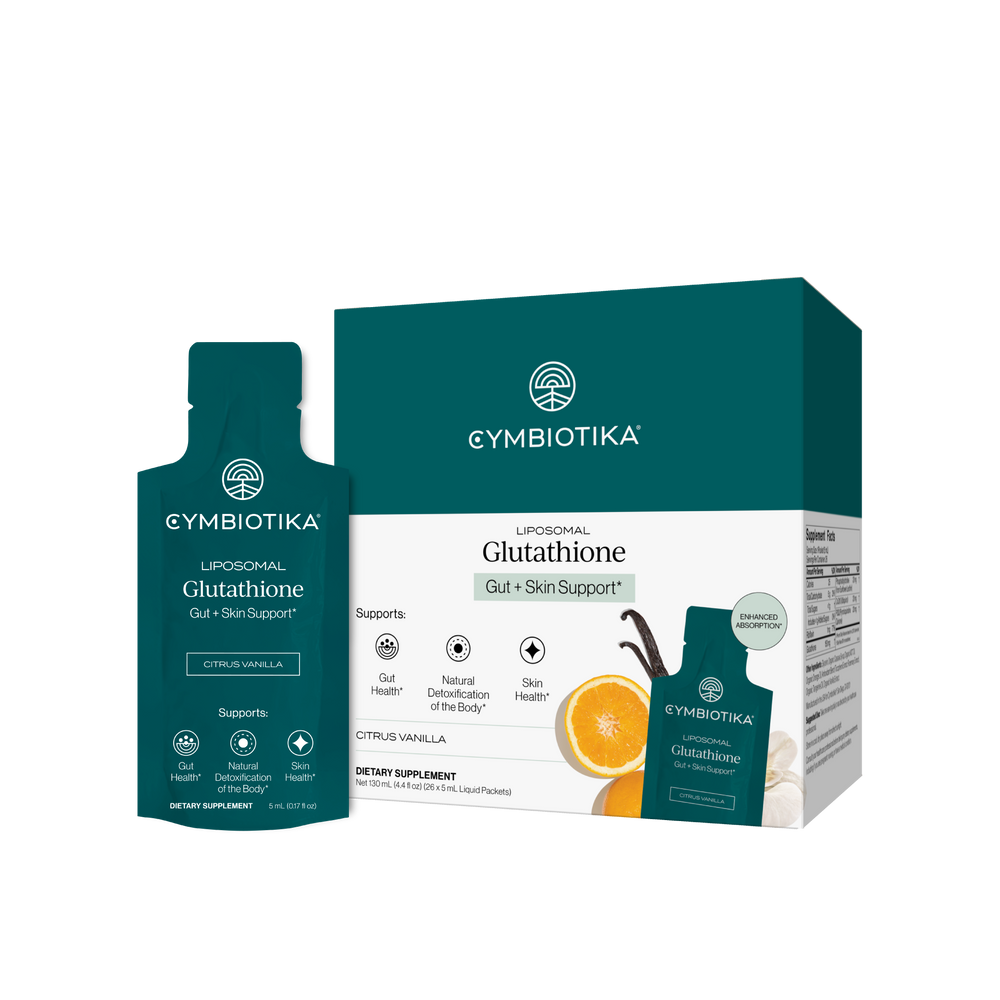
- Liposomal Glutathione: This form of glutathione is encapsulated in liposomes, enhancing its absorption in the body. Doses typically range from 100 mg to 500 mg taken once or twice daily.
- Intravenous (IV) Glutathione: For specific medical conditions, higher doses may be administered intravenously, often ranging from 600 mg to 2,000 mg per session, depending on individual health needs.
- Inhalation: Some studies have explored inhaled glutathione, which may require different dosing strategies based on individual conditions and health goals.
It’s important to remember that individual requirements may vary based on age, health status, diet, and lifestyle factors. Therefore, consulting with a healthcare professional before starting any new supplement regimen is advisable.
Benefits of Glutathione Supplementation
1. Enhanced Antioxidant Protection
One of the most significant benefits of glutathione is its role as a powerful antioxidant. By neutralizing free radicals, glutathione helps protect cellular integrity, potentially reducing the risk of chronic diseases associated with oxidative stress.
2. Improved Detoxification
Glutathione plays a key role in detoxifying harmful substances, including heavy metals and environmental toxins. This detoxification process is essential for maintaining optimal health, particularly in today's toxin-laden environment.
3. Support for Immune Function
A robust immune system is vital for overall health, and glutathione is crucial for optimal immune function. By supporting T-cell production and enhancing immune responses, glutathione helps us fend off infections and illnesses.
4. Liver Health
Glutathione is particularly important for liver function. It aids in detoxifying the liver and may protect against damage from alcohol, medications, and other toxins. Studies have shown that glutathione supplementation can positively affect liver enzyme levels and overall liver health.
5. Anti-Aging Properties
As we age, our bodies naturally produce less glutathione, leading to increased oxidative stress and cellular damage. By supplementing with glutathione, we may help mitigate some effects of aging, promoting better skin health and overall vitality.
6. Improved Athletic Performance and Recovery
Athletes often experience oxidative stress due to intense physical activity. Glutathione supplementation may help improve exercise performance, reduce muscle fatigue, and enhance recovery by combating oxidative damage.
7. Potential Cognitive Benefits
Emerging research suggests that glutathione may have protective effects on brain health, potentially supporting cognitive function and reducing the risk of neurodegenerative diseases.
Sources of Glutathione
While supplementation is an effective way to boost glutathione levels, incorporating glutathione-rich foods into our diets can also be beneficial. Some dietary sources of glutathione include:
- Fruits: Avocados, oranges, and strawberries are known to contain compounds that support glutathione production.
- Vegetables: Cruciferous vegetables such as broccoli, Brussels sprouts, and kale are rich in sulfur-containing compounds that enhance glutathione levels.
- Proteins: Foods high in sulfur, such as unprocessed meats, eggs, and legumes, can support the body’s production of glutathione.
By consuming a balanced diet rich in these foods, we can support our body's natural production of glutathione.
The Importance of Quality Supplements
At Cymbiotika, we believe that wellness starts with trust. Our commitment to transparency and quality means that we provide supplements with no hidden ingredients and clear labeling. When considering glutathione supplementation, it’s essential to choose high-quality products that utilize advanced delivery systems, such as liposomal formulations, to enhance absorption and bioavailability.
We encourage you to explore our range of scientifically formulated supplements to find the best options for your health needs. If you're unsure where to start, take our AI quiz to determine the best supplement for your unique wellness journey.
Conclusion
Understanding how many mg of glutathione a day is optimal can significantly impact our health and well-being. With its vital role as an antioxidant, detoxifier, and supporter of immune function, glutathione is essential for maintaining overall health, especially as we age.
By considering supplementation, alongside a diet rich in glutathione-boosting foods, we can take proactive steps toward enhancing our health. Remember to consult with a healthcare professional before starting any new supplement regimen to ensure it aligns with your individual health goals.
We invite you to join us at Cymbiotika as we empower our community to take control of their health through science-backed supplements. Explore our collection of supplements designed to support your wellness journey.
FAQ
1. What is the best form of glutathione to take?
The best form of glutathione depends on individual needs. Oral supplements, liposomal glutathione, and intravenous options are available, each with unique benefits. Liposomal glutathione may offer better absorption compared to standard oral forms.
2. Can I get enough glutathione from my diet?
While certain foods can help boost glutathione levels, it may be challenging to get sufficient amounts solely through diet. Supplementation can be a helpful addition to ensure optimal levels.
3. Are there any side effects of glutathione supplementation?
Glutathione is generally considered safe, but some individuals may experience mild side effects, such as bloating or allergic reactions. It is essential to consult with a healthcare professional before starting supplementation.
4. How long does it take to see benefits from glutathione supplementation?
Benefits can vary from person to person, but many individuals may start to notice improvements in energy levels, detoxification, and overall wellness within a few weeks of consistent supplementation.
5. Is it safe to take glutathione every day?
For most individuals, daily supplementation at recommended dosages is considered safe. However, it is always advisable to consult with a healthcare professional to determine the best approach for your specific health needs.