Introduction
You may have heard glutathione described as the "master antioxidant" of the human body. This title is well-earned. Found in nearly every cell, this molecule plays a vital role in protecting us from oxidative stress and supporting our natural detoxification pathways. However, many people who start taking a Liposomal Glutathione supplement are often disappointed by the lack of noticeable results.
The reality is that not all supplements are created equal. When it comes to this specific antioxidant, the delivery method is the most important factor in whether it actually works. At Cymbiotika, we believe that understanding the science of bioavailability—how well your body can absorb and use a nutrient—is the first step toward a successful wellness routine.
In this article, we will explore why standard glutathione often fails to reach your cells. We will look at the science of liposomal delivery and provide practical tips on how to incorporate this essential molecule into your daily life. Our goal is to help you understand how glutathione is best absorbed so you can make informed choices for your health.
Quick Answer: Glutathione is best absorbed when delivered in a liposomal form. Standard oral capsules are often broken down by digestive enzymes before they can reach the bloodstream. Liposomal technology protects the molecule through the digestive tract, allowing for significantly higher absorption rates at the cellular level.
Understanding the "Master Antioxidant"
To understand how to absorb glutathione, we first need to understand what it is. Glutathione is a tripeptide. This means it is a small protein made of three specific amino acids: cysteine, glycine, and glutamate. Unlike many other antioxidants that we get primarily from food, our bodies are designed to produce glutathione internally.
It serves as a primary shield against free radicals. Free radicals are unstable molecules that can damage our cells and DNA if left unchecked. By neutralizing these molecules, glutathione helps maintain cellular integrity and supports the body’s natural resilience against environmental stressors.
The Role of Glutathione in the Body
Glutathione is not just a passive protector. It is actively involved in several critical biological processes:
- Metabolic Support: It helps the body process and eliminate toxins, acting as a key player in liver health.
- Immune Function: It supports the activity of white blood cells, which are the front-line defenders of our immune system.
- Recycling Other Antioxidants: One of its most unique roles is "recharging" other antioxidants like Vitamin C and Vitamin E. After these vitamins neutralize a free radical, glutathione helps return them to their active state.
- Energy Production: It protects the mitochondria, the power plants of our cells, ensuring they can produce energy efficiently.
As we age, our natural production of glutathione tends to decline. Factors like environmental pollutants, a diet high in processed foods, and high levels of stress can further deplete our internal stores. This is why many people look to supplementation to fill the gap, often alongside resources in our Healthy Aging blog.
The Bioavailability Challenge
The biggest hurdle with glutathione is not its effectiveness, but its fragility. When you swallow a standard capsule or tablet, it must travel through a very harsh environment before it can be absorbed into your blood.
Bioavailability is the term we use to describe the portion of a substance that enters the circulation when introduced into the body and is so able to have an active effect. With standard oral glutathione, bioavailability is notoriously low.
Why Standard Supplements Often Fail
The human digestive system is highly efficient at breaking down proteins. Since glutathione is a tripeptide (a small protein), the stomach treats it just like a piece of steak or a handful of almonds.
Once the supplement hits your stomach, gastric acid begins to unfold the molecule. Then, enzymes called peptidases—which are designed to break protein bonds—start to dismantle the glutathione into its individual amino acids. By the time the supplement reaches your small intestine where absorption occurs, the "master antioxidant" has often been reduced to three simple amino acids. While these amino acids are useful, they no longer function as a whole glutathione molecule.
Key Takeaway: Standard glutathione pills are frequently dismantled by digestive enzymes before they can be absorbed. This means the body receives the building blocks of the molecule rather than the functional antioxidant itself, leading to suboptimal results.
Why Liposomal Delivery is the Solution
If standard capsules are ineffective, how do we get glutathione into the system? The answer lies in liposomal delivery. This is a sophisticated delivery method designed to protect nutrients as they travel through the digestive system.
What is a Liposome?
A liposome is a microscopic sphere made of phospholipids. Phospholipids are the same types of fats that make up your cell membranes. In a liposomal supplement, we wrap the glutathione molecule inside these tiny fat bubbles.
This creates a protective shield that is resistant to stomach acid and digestive enzymes. Because the "shell" of the liposome is made of the same material as your cell walls (the phospholipid bilayer), your body recognizes it and can absorb it more easily.
How Liposomal Glutathione is Absorbed
When you take a liposomal supplement, the liposomes pass through the stomach largely intact. Once they reach the small intestine, they can fuse directly with the cells lining the intestinal wall. This allows the glutathione to enter the lymphatic system or the bloodstream directly, bypassing the "first-pass" breakdown that happens in the liver and gut.
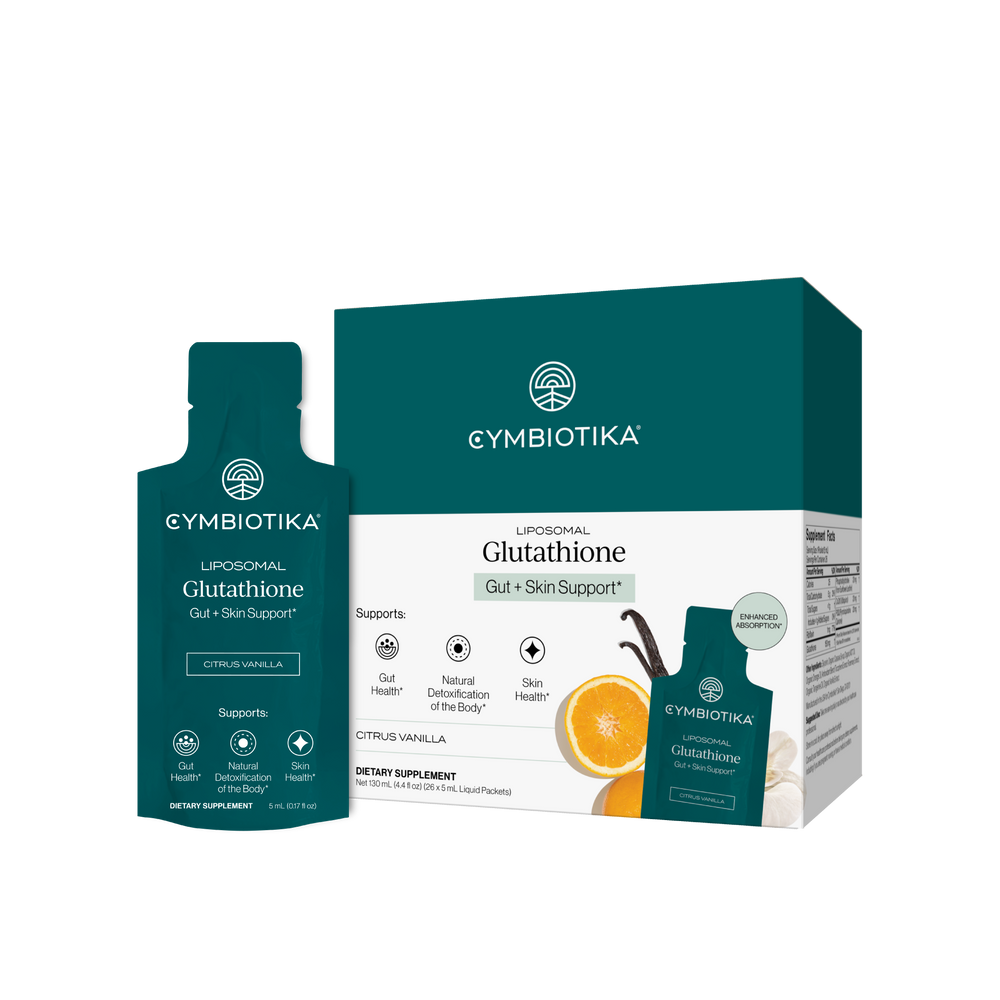
This method significantly increases the amount of glutathione that actually reaches your cells. Our Liposomal Glutathione is designed specifically with this delivery system to ensure you are getting the most out of every dose. We use high-quality phospholipids to ensure the stability and integrity of the liposomes.
Myth: All glutathione supplements provide the same benefits regardless of format. Fact: Standard oral glutathione has very poor absorption. Liposomal delivery is scientifically designed to protect the molecule from digestion, leading to much higher cellular uptake.
Comparing Different Forms of Glutathione
When looking for a way to boost your levels, you will encounter several different formats. Each has its own set of pros and cons regarding absorption and convenience.
| Format | Absorption Level | Convenience | Notes |
|---|---|---|---|
| Standard Oral (Pills) | Low | High | Mostly broken down into amino acids during digestion. |
| Liposomal Oral | High | High | Uses fat-based bubbles to bypass digestion and deliver to cells. |
| Sublingual (Under Tongue) | Moderate | Medium | Absorbed through the mouth tissues; bypasses some digestion but can have a strong taste. |
| IV Therapy | Very High | Low | Delivers directly to the blood; requires a clinic visit and can be expensive. |
| Topical (Creams) | Low to Moderate | Medium | Primarily used for localized skin benefits; less effective for systemic levels. |
While IV therapy is the most direct method, it is not practical for daily use for most people. Liposomal delivery offers a balance of high bioavailability and the convenience of a daily oral routine.
When and How to Take Glutathione for Best Results
Even with the best delivery system, how you take your supplement can influence how well it works. Consistency is the most important part of any wellness routine.
Optimal Timing
Many people find that taking glutathione in the morning on an empty stomach is most effective. This allows the liposomes to move quickly through the digestive tract without competing with heavy meals.
If you have a sensitive stomach, you can take it with a small amount of food. However, try to avoid taking it alongside a high-protein meal, as the enzymes produced to digest that protein might still interfere with the supplement’s absorption.
The Power of Synergy
Glutathione does not work in a vacuum. It works alongside other nutrients to maintain the body’s "redox" balance (the balance between free radicals and antioxidants). Pairing your glutathione with these nutrients can support its function:
- Vitamin C: Since glutathione helps recycle Vitamin C, taking them together can create a powerful antioxidant loop. Our Liposomal Vitamin C is a great partner for this.
- Selenium: This mineral is a co-factor for the enzyme glutathione peroxidase. Your body needs selenium to actually "activate" the glutathione so it can neutralize free radicals.
- Alpha-Lipoic Acid (ALA): This is another antioxidant that helps regenerate glutathione levels within the cell.
- Milk Thistle: This herb contains silymarin, which may support the liver’s natural ability to produce and maintain glutathione levels.
Steps to Build Your Routine
- Step 1: Choose Quality. / Look for a liposomal formula that is third-party tested and free from synthetic fillers.
- Step 2: Time it Right. / Aim to take your dose roughly 20 minutes before breakfast.
- Step 3: Be Consistent. / Glutathione levels build up over time. It may take 4 to 12 weeks of daily use to notice a difference in your overall energy or skin health.
- Step 4: Support with Diet. / Eat sulfur-rich foods like garlic, onions, and broccoli to provide your body with the building blocks it needs to make its own glutathione.
Lifestyle Factors That Affect Absorption and Levels
Boosting your glutathione isn't just about what you take; it's also about protecting the glutathione you already have. Certain lifestyle habits can drain your antioxidant stores faster than you can replenish them.
Managing Oxidative Stress
Every time your body deals with toxins, it uses up glutathione. Reducing your toxic load can help your levels stay higher for longer. Consider these factors:
- Alcohol Consumption: The liver uses massive amounts of glutathione to process alcohol. Reducing intake can significantly preserve your antioxidant levels.
- Sleep Quality: Your body produces and regenerates antioxidants while you sleep. Poor sleep is directly linked to higher oxidative stress, which is why many readers also explore our Sleep Supplements collection when building a routine.
- Environmental Toxins: Exposure to pollution, heavy metals, and cigarette smoke increases the demand for glutathione.
The Role of the Gut
The health of your gut microbiome also plays a role in how well you absorb nutrients. A balanced gut can support the integrity of the intestinal lining, making it easier for liposomes to pass through into the bloodstream. Including a high-quality Gut Health range or eating fermented foods can support this foundational aspect of health.
Dietary Sources of Glutathione
While your body struggles to absorb glutathione directly from food, eating "precursor" foods can help your body manufacture its own supply. Glutathione synthesis requires sulfur, which is why sulfur-rich foods are so important.
Foods to Include:
- Cruciferous Vegetables: Broccoli, cauliflower, Brussels sprouts, and kale are rich in glucosinolates, which support detoxification and glutathione production.
- Allium Vegetables: Garlic, onions, and leeks contain the sulfur compounds necessary for the tripeptide structure.
- High-Quality Protein: Since glutathione is made of amino acids, getting enough protein (especially those high in cysteine) is essential. Whey protein is often cited as a good source of these precursors.
- Avocados and Asparagus: These are among the few foods that actually contain small amounts of glutathione itself, though the cooking process can reduce these levels.
Note: Cooking glutathione-rich foods at high temperatures can destroy the delicate molecule. Try steaming your vegetables lightly or eating raw sources like avocado to preserve as much nutritional value as possible.
What to Look for in a Glutathione Supplement
Because the supplement industry is not always transparent, it is up to the consumer to vet the products they buy. When you are looking for the best-absorbed glutathione, keep these criteria in mind:
- True Liposomal Technology: Some brands simply mix glutathione with lecithin and call it "liposomal." A high-quality product uses advanced manufacturing to ensure actual liposomes are formed.
- Purity: Check for the absence of GMOs, soy, and artificial flavors. Clean labels are a sign of a brand that values your health.
- Packaging: Glutathione is sensitive to light and air. It should be stored in opaque packaging and, ideally, in a format that limits exposure to oxygen (like a squeeze pouch or airless pump).
- Sourcing: We prioritize wild-crafted and organic ingredients whenever possible. Transparency in where ingredients come from is a hallmark of trust.
At our core, we focus on the intersection of science and nature. We don't just put ingredients in a bottle; we design delivery systems that honor the biology of the human body.
Bottom line: The "best" glutathione is the one that actually reaches your cells. Look for liposomal delivery, clean ingredients, and a brand that prioritizes bioavailability over marketing hype.
Conclusion
Glutathione is a fundamental pillar of health, acting as the body’s most powerful internal protector. However, the standard way most people take it—through traditional pills and capsules—simply isn't effective due to the way our digestive systems work. By switching to a liposomal delivery system, you are essentially providing the molecule with a protective suit of armor, ensuring it arrives at the cellular level where it can do its job.
Remember that wellness is a long-term journey. Supplementing with glutathione is most effective when paired with a clean diet, adequate sleep, and reduced exposure to environmental toxins. Our mission is to provide you with the tools and education needed to build a routine that actually yields results. If you are deciding where to begin, our Health Quiz can help you find a personalized starting point.
- Focus on Bioavailability: Choose liposomal formats for maximum absorption.
- Be Patient: Allow several weeks of consistent use to feel the cumulative effects.
- Think Holistically: Support your supplement with sulfur-rich foods and lifestyle habits.
- Trust the Science: Look for third-party testing and transparent sourcing.
"Wellness is not a destination, but a series of small, informed choices made every day. By choosing supplements designed for absorption, you are making your routine work for you, not against you."
FAQ
Is it better to take glutathione on an empty stomach?
Yes, most people find that taking glutathione—especially in liposomal form—about 20 minutes before a meal leads to better absorption. This prevents the molecule from competing with proteins and other nutrients for space in the digestive tract.
How long does it take for glutathione levels to increase?
While some initial cellular changes may occur quickly, most studies show that it takes about 3 to 4 weeks of consistent daily supplementation to see a significant rise in blood glutathione levels. For benefits like skin health or energy support, it may take up to 3 months of consistent use.
Can I take glutathione with Vitamin C?
Taking glutathione and Vitamin C together is highly recommended. These two antioxidants work in a synergistic loop, where glutathione helps to regenerate used-up Vitamin C, keeping your antioxidant defenses active for longer.
Are there any side effects to taking glutathione?
Glutathione is generally well-tolerated because it is a substance your body already produces. However, some individuals may experience mild digestive upset or a temporary "detox" feeling when first starting. As always, it is a good idea to consult with your healthcare provider before starting a new supplement routine, especially if you are pregnant or nursing.