Introduction
Many of us have experienced the frustration of a weight loss plateau. You are eating the right foods, staying active, and prioritizing sleep, yet the scale refuses to budge. Often, the missing piece isn't more cardio or fewer calories, but rather how your body handles internal stress and detoxification. This is where glutathione, often called the "master antioxidant," plays a critical role. At Cymbiotika, we focus on how the body's internal chemistry dictates external results, particularly through the lens of cellular health and our Healthy Aging Supplements collection.
In this article, we will explore the relationship between glutathione and metabolic health. We will cover the ideal dosage ranges for supporting weight management, the specific ways this molecule interacts with fat cells, and why the delivery method is more important than the number of milligrams on the label. Understanding how much glutathione to take for weight loss requires a look at your unique biology and the quality of your supplements.
What is Glutathione and Why Does it Matter?
Glutathione is a powerful tripeptide found in nearly every cell in your body. It is composed of three amino acids: cysteine, glycine, and glutamate. While your liver naturally produces this molecule, your levels can be depleted by stress, environmental toxins, poor diet, and the natural process of ageing. Because it is the primary defender against oxidative stress—an imbalance between free radicals and antioxidants—its presence is vital for maintaining a healthy metabolism.
When we talk about weight loss, we are really talking about metabolic efficiency. If your cells are bogged down by oxidative damage, they cannot process energy effectively. Glutathione acts like a cellular janitor, neutralizing harmful molecules and supporting the liver in its job of filtering out waste. Without enough of this "janitor" on duty, the body may prioritize survival and toxin storage over fat burning.
For a deeper look at the compound itself, our guide on What Is Glutathione and Why It Matters for Our Health is a helpful place to start.
Quick Answer: For active weight loss support, many experts suggest a daily dose of 500mg to 1,000mg of glutathione. However, the most effective dose depends heavily on the supplement's bioavailability, with liposomal formats requiring lower doses than standard powders for the same results.
The Connection Between Glutathione and Fat Loss
The relationship between glutathione and your waistline is multi-faceted. It is not a stimulant or a fat-burner in the traditional sense. Instead, it supports the underlying biological systems that allow weight loss to happen.
Improving Insulin Sensitivity
Insulin is the hormone responsible for moving sugar out of your bloodstream and into your cells for energy. When your cells become resistant to insulin, your body stores more fat, particularly around the midsection. Research suggests that high levels of oxidative stress can impair insulin signaling. By neutralizing this stress, glutathione may help your cells remain responsive to insulin, making it easier for your body to use stored fat for fuel.
Supporting the Liver's Fat-Burning Capacity
The liver is your primary fat-burning organ. It is responsible for metabolizing fats and filtering out toxins that enter your body through food, water, and the air. When the liver is overwhelmed by toxins, it may become "sluggish." In this state, it is less efficient at processing lipids. Glutathione is the liver's most important tool for detoxification. By supporting liver health, you are essentially ensuring that your "fat-burning furnace" is clean and running at peak performance.
Toxin Release and Weight Loss
Many environmental toxins are lipophilic, meaning they are stored in fat tissue. When you begin to lose weight, these stored toxins are released back into your bloodstream. If your body doesn't have enough glutathione to process these released chemicals, you may experience a "rebound" effect where the body stops burning fat to protect itself from toxic overload. Maintaining high glutathione levels ensures that as fat is broken down, the toxins within it are safely escorted out of the body.
Key Takeaway: Glutathione supports weight loss by improving insulin response and helping the liver process both dietary fat and the toxins released from stored fat tissue.
How Much Glutathione to Take for Weight Loss
Determining the right amount of glutathione for your routine depends on your current health status and your specific goals. Because there is no one-size-fits-all "standard dose," it is helpful to look at the ranges used in successful clinical observations and wellness protocols.
For Active Weight Loss Support
If you are currently in a phase of active weight loss or a detox protocol, a higher dose is often recommended. Many practitioners suggest 500mg to 1,000mg per day. This higher range is designed to provide the body with enough antioxidant power to handle the increased toxic load that comes with breaking down fat cells.
For Weight Maintenance and General Wellness
Once you have reached your target weight or are simply looking to support your metabolic health, a maintenance dose of 200mg to 400mg per day is often sufficient. This level helps protect against daily environmental stressors and keeps your liver's detoxification pathways open.
Dosing Based on Body Weight
Some protocols suggest calculating the dose based on your current weight. A common guideline is 20mg to 40mg per kilogram of body weight. For a person weighing 70kg (about 154 lbs), this would translate to 1,400mg to 2,800mg. However, these very high doses are typically reserved for specific goals like skin brightening or addressing significant deficiencies and should only be undertaken with professional guidance.
Bottom line: Start with 500mg daily if your goal is weight loss support, then adjust based on how you feel and the recommendations of your healthcare provider.
Why Bioavailability Changes Everything
When researching how much glutathione to take for weight loss, you will notice a wide range of suggested milligrams. The reason for this discrepancy is bioavailability—the measure of how much of a substance actually enters your bloodstream and becomes available for use by your cells.
Standard oral glutathione is notoriously difficult for the body to absorb. When you swallow a traditional glutathione capsule or powder, the enzymes in your stomach often break the molecule down into its individual amino acids before it can ever reach your cells. This means that a 1,000mg cheap powder supplement might only deliver a tiny fraction of that amount to your system.
To solve the absorption problem, we utilize liposomal delivery. A liposome is a microscopic bubble made of phospholipids—the same material that makes up your own cell membranes. By wrapping the glutathione molecule in this protective fatty layer, we allow it to bypass the harsh environment of the digestive tract. If you want to explore the science further, All About Liposomes is a helpful next read.
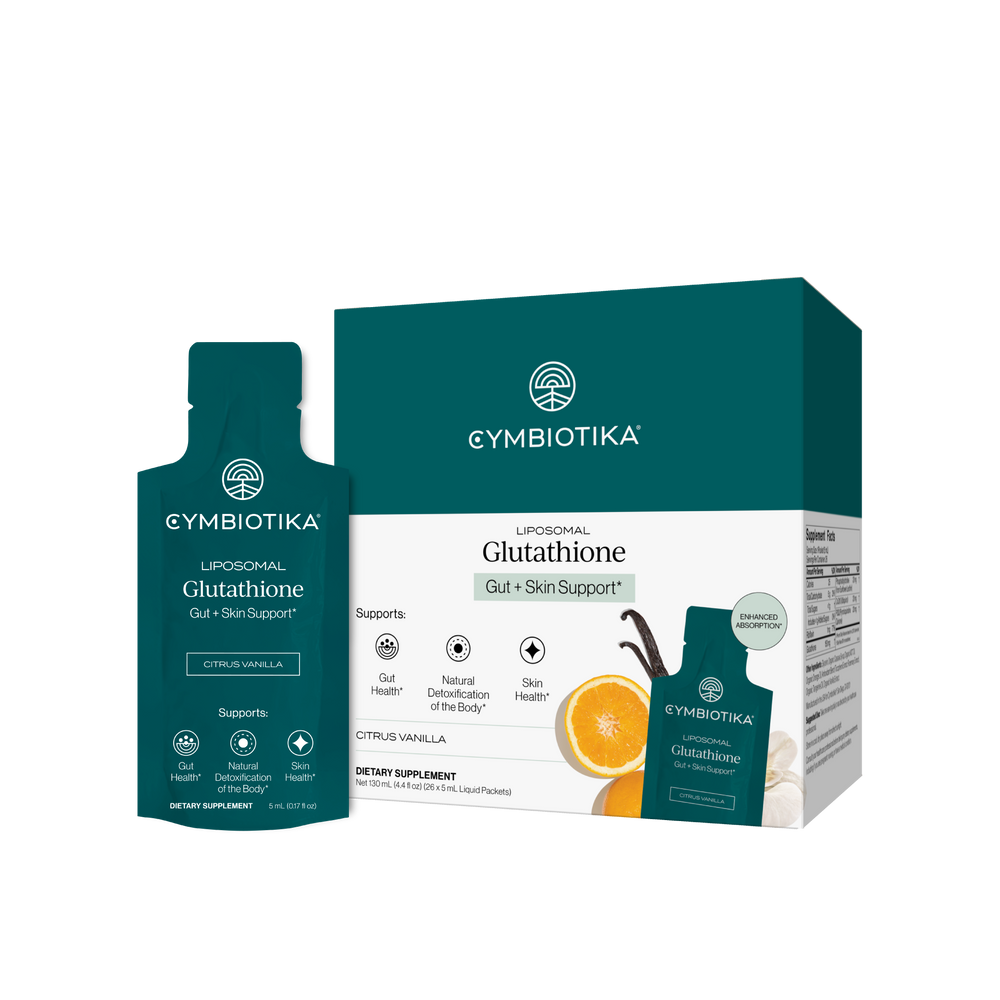
Our Liposomal Glutathione is designed to fuse directly with your cell membranes, delivering the antioxidant payload where it is needed most. Because this method is so much more efficient, you often need a lower dose to achieve better results than you would with a massive dose of standard powder.
Myth: A higher milligram count on a supplement label always means better results.
Fact: If the supplement has low bioavailability, most of those milligrams are wasted. A smaller, liposomal dose is often more effective than a large, non-liposomal dose.
Essential Nutrients that Support Glutathione
Glutathione does not work in a vacuum. To maximize its impact on your weight loss journey, you should consider the "supporting cast" of nutrients that help your body produce, use, and recycle it.
Vitamin C
Vitamin C and glutathione have a reciprocal relationship. Vitamin C helps "recharge" glutathione after it has neutralized a free radical, allowing it to go back to work. Conversely, glutathione does the same for Vitamin C. Taking them together can significantly boost your overall antioxidant capacity.
N-Acetyl Cysteine (NAC)
NAC is a precursor to glutathione. It provides the cysteine your body needs to build its own supply of the "master antioxidant." While supplementing with pre-formed glutathione is the most direct way to raise levels, providing the building blocks can support long-term production.
Selenium
Selenium is a mineral that acts as a cofactor for glutathione peroxidase, an enzyme that uses glutathione to neutralize harmful hydrogen peroxide in the cells. Without enough selenium, glutathione cannot perform its duties effectively.
NMN and Resveratrol
For those focused on healthy ageing and metabolic health, pairing glutathione with NAD+ precursors can be highly effective. Our Healthy Aging Supplements collection includes formulas designed to support cellular energy production (ATP). When your cells have more energy and less oxidative stress, your metabolism can function at a much higher level.
Building Your Glutathione Routine
Success with any supplement comes down to consistency rather than intensity. It is better to take a moderate dose every day than a massive dose once a week.
Timing Your Intake
Many people find that taking glutathione on an empty stomach, about 20 minutes before a meal, allows for the best absorption. If you are using a liposomal liquid, you can take it directly or mix it into a small amount of water or juice.
Starting Slow
If your body has a high toxic load, starting with a full dose of glutathione may trigger a mild "detox" sensation. This might feel like slight fatigue or a dull headache as your liver begins to process stored waste. If this happens, simply lower your dose for a few days and gradually work your way up as your body adjusts.
Step-by-Step Supplement Strategy
- Step 1: Check your baseline. Use our Health Quiz to see how glutathione fits into your wider wellness goals.
- Step 2: Start with a liposomal format. Choose a high-quality delivery system to ensure the glutathione actually reaches your cells.
- Step 3: Begin with 500mg daily. Monitor your energy levels and digestion over the first two weeks.
- Step 4: Support with diet. Eat sulfur-rich foods like garlic, onions, and cruciferous vegetables (broccoli, kale) to provide natural building blocks.
- Step 5: Maintain consistency. Take your dose at the same time every day to keep your cellular levels stable.
Dietary Sources of Glutathione
While supplements are the most effective way to significantly raise glutathione levels, your diet provides the foundation. Incorporating specific foods can help your body maintain its natural production.
- Cruciferous Vegetables: Broccoli, cauliflower, Brussels sprouts, and kale are rich in sulfur, which is essential for glutathione synthesis.
- Allium Vegetables: Garlic, onions, and leeks also provide the sulfur needed for the cysteine component of glutathione.
- Lean Proteins: Whey protein, eggs, and lean meats provide the amino acids (cysteine, glycine, and glutamate) that serve as building blocks.
- Avocados and Spinach: These are among the highest whole-food sources of pre-formed glutathione.
It is important to note that cooking can reduce the glutathione content in these foods. Eating them raw or lightly steamed is the best way to preserve their nutritional value. However, even with a perfect diet, the modern toxic load often makes supplementation a helpful tool for those pursuing specific weight loss goals.
Lifestyle Factors that Deplete Your Levels
Knowing how much glutathione to take for weight loss is only half the battle. You also need to be aware of the factors that drain your "antioxidant bank account." If you are constantly depleting your levels, even the best supplement routine will struggle to keep up.
Alcohol Consumption
The liver uses a massive amount of glutathione to process alcohol. Frequent drinking can leave very little left over for other metabolic processes, including fat metabolism. If you are serious about weight loss, minimizing alcohol is one of the fastest ways to preserve your glutathione stores.
Lack of Sleep
Sleep is the time when your body performs its most intensive cellular repair. Studies have shown that chronic sleep deprivation can significantly lower glutathione levels. Prioritizing seven to nine hours of quality rest allows your body to replenish its antioxidant supplies naturally.
Chronic Stress
Mental and emotional stress creates a physical reaction in the body, increasing the production of free radicals. This "oxidative burden" uses up your glutathione quickly. Incorporating daily stress-management techniques, like breathwork or walking, can help protect your levels.
Environmental Toxins
Exposure to pesticides, heavy metals, and air pollution forces your body to use more glutathione for detoxification. While you can't control everything in your environment, choosing organic produce when possible and using air purifiers can reduce the "assault" on your antioxidant stores.
Bottom line: Supporting your weight loss journey requires a "defensive" strategy (reducing depletion) alongside an "offensive" strategy (supplementing and eating well).
What to Expect: Realistic Results
It is important to frame glutathione as a supporting player in your wellness routine, not a "magic pill" that causes weight to disappear overnight. When you start taking the right amount of glutathione, you may notice subtle changes before you see a difference on the scale.
Many people report:
- Improved Energy: As cellular stress decreases, mitochondrial function (energy production) often improves.
- Reduced Puffy Appearance: By supporting the liver and reducing systemic inflammation, you may notice less water retention in your face and joints.
- Better Recovery: You might find that you feel less sore after workouts, allowing you to stay more consistent with your exercise routine.
- Clearer Skin: Glutathione's impact on detoxification often shows up as a "glow" or more even skin tone.
For more on the timing of results, How Long Does It Take for Glutathione to Work? is a useful companion read.
Weight loss typically follows as your metabolic health improves. It is a gradual process of bringing your body back into balance so it no longer feels the need to hold onto excess fat and toxins.
Safety and Considerations
Glutathione is generally considered safe for most adults when taken in appropriate doses. However, there are a few things to keep in mind as you begin your routine.
- Zinc Levels: Long-term, high-dose glutathione use has been associated with a potential decrease in zinc levels. If you plan to supplement for more than a few months, consider monitoring your zinc intake or using a multi-mineral support.
- Asthma: Some people with asthma may be sensitive to inhaled forms of glutathione, though this is rarely an issue with oral or liposomal formats.
- Pregnancy and Breastfeeding: As with any supplement, if you are pregnant or nursing, it is essential to consult with your healthcare provider before starting glutathione.
- Drug Interactions: If you are taking chemotherapy drugs or other medications that affect liver enzymes, speak with your doctor to ensure there are no contraindications.
Conclusion
Finding the right balance in your weight loss journey often means looking beneath the surface at your cellular health. Glutathione is a vital tool for anyone looking to optimize their metabolism, support their liver, and protect their body from the oxidative stress that can stall progress. While a dose of 500mg to 1,000mg is a common starting point for weight loss support, the real secret lies in bioavailability.
At Cymbiotika, we believe that wellness starts with trust and transparency. We don't just provide ingredients; we provide advanced delivery systems that ensure your body can actually use what you take. By choosing a liposomal format, you are ensuring that your "master antioxidant" survives digestion and reaches your cells, where it can do the heavy lifting of detoxification and metabolic support.
Combining glutathione with a clean diet, consistent movement, and proper hydration creates a powerful foundation for long-term health. If you are ready to build a supplement routine tailored to your specific needs, we invite you to take the next step.
Key Takeaway: Sustainable weight loss is a result of a healthy, functioning body. Supporting your master antioxidant pathways is one of the most effective ways to ensure your internal systems are working with you, not against you.
To find the perfect combination of support for your metabolic goals, take our Health Quiz today for a personalised recommendation.
FAQ
Can I take glutathione every day for weight loss?
Yes, most people find that daily consistency is the best way to maintain high cellular levels of glutathione. For weight loss support, a daily dose helps manage the ongoing release of toxins from fat cells. If you want a deeper explanation of how to build a routine around this ingredient, How to Use Glutathione for Maximum Wellness Support is a useful next step. Always listen to your body and adjust the dose if you experience any mild detox symptoms like fatigue or headaches.
How long does it take for glutathione to help with weight loss?
Glutathione works by improving metabolic health and liver function, which is a gradual process. While some people notice improved energy and reduced puffiness within two weeks, meaningful changes in weight often take six to eight weeks of consistent use alongside a healthy lifestyle.
Is liposomal glutathione better than regular capsules?
Liposomal glutathione is significantly more bioavailable than standard capsules. Standard glutathione is often destroyed by stomach acid and enzymes during digestion. For a more detailed breakdown of the delivery science, Can Glutathione Supplements Be Absorbed? The Real Truth is a helpful read. Liposomal delivery wraps the molecule in a protective fatty layer, allowing it to be absorbed directly into the bloodstream and delivered to the cells.
Are there side effects to taking glutathione for weight loss?
Most people tolerate glutathione very well. However, because it encourages detoxification, some individuals may experience "detox symptoms" like mild nausea, skin rashes, or fatigue when they first start. These symptoms are usually temporary and can be managed by lowering the dose and gradually increasing it as the body adjusts.