Introduction
Occasional digestive discomfort can feel like an unwelcome guest that refuses to leave. For many, that familiar burning sensation in the chest or throat is more than just a nuisance; it is a sign that the delicate lining of the esophagus is under stress. While many people reach for quick-fix solutions to neutralize stomach acid, a growing body of research suggests that supporting the body’s internal defense systems may be just as important for long-term comfort.
At Cymbiotika, we focus on the root of wellness by looking at how the body protects itself at a cellular level. One of the most powerful tools in this internal defense kit is Liposomal Glutathione. Often called the "master antioxidant," this compound is produced naturally in our cells to combat oxidative stress.
In this article, we will explore the relationship between glutathione and digestive health. We will look at whether increasing your levels can help manage the irritation associated with acid reflux and why the way you take this supplement matters more than you might think. Our goal is to help you understand how to support your body’s natural resilience through science-backed nutrition.
Quick Answer: Glutathione may support the esophageal lining by neutralizing oxidative stress caused by acid and bile. While it is not a cure for reflux, it helps protect cells from the inflammatory damage that often accompanies chronic digestive irritation.
Understanding Acid Reflux and Oxidative Stress
Acid reflux occurs when the contents of the stomach move backward into the esophagus. This happens when the lower esophageal sphincter—the muscular valve that acts as a gate—fails to close properly. Because the lining of the esophagus is much more sensitive than the stomach, the presence of hydrochloric acid and pepsin (a digestive enzyme) can cause significant irritation.
Most people think of reflux as a simple chemical burn, but it is actually a source of oxidative stress. Oxidative stress is an imbalance between free radicals—unstable molecules that damage cells—and antioxidants, which neutralize them. When stomach acid hits the esophageal tissue, it triggers the production of reactive oxygen species (ROS). These molecules can damage the DNA and protein structures of your cells, leading to a cycle of inflammation.
Chronic exposure to these free radicals can weaken the esophageal defense mechanisms. Over time, this stress may lead to more significant changes in the tissue. This is where antioxidants come into play. By providing a "shield" against these reactive molecules, antioxidants like glutathione may help break the cycle of irritation and support the body’s natural repair processes.
What Is Glutathione?
Glutathione is a tripeptide molecule made up of three specific amino acids: cysteine, glycine, and glutamic acid. It is found in high concentrations in nearly every cell in the human body. Unlike other antioxidants that you must get from your diet (like Vitamin C or Vitamin E), your body has the remarkable ability to manufacture its own glutathione.
This molecule is often referred to as the "master antioxidant" because it also helps recycle other antioxidants. For example, after Vitamin C neutralizes a free radical, it becomes "spent." Glutathione can step in to "recharge" that Vitamin C molecule so it can go back to work. This makes it the backbone of your body's entire cellular defense system.
The roles of glutathione extend far beyond just neutralizing free radicals. It is essential for:
- Detoxification: It binds to toxins in the liver to help flush them out of the body.
- Immune Support: It supports the function of white blood cells, which are the primary defenders of your immune system.
- Cellular Energy: It protects the mitochondria, the "powerhouses" of your cells, from damage.
Key Takeaway: Glutathione is the body's primary internal defense against cellular damage. It works by neutralizing free radicals and supporting the liver’s ability to process and remove irritants.
The Link Between Glutathione and Acid Reflux
Research suggests that the health of the esophageal lining is closely tied to antioxidant levels. For a deeper look at how absorption affects this, our guide on Can Glutathione Supplements Be Absorbed? explains why delivery matters so much. Studies have shown that people experiencing frequent digestive irritation often have lower levels of protective enzymes in their esophageal tissue. Specifically, a decrease in superoxide dismutase (SOD)—another critical antioxidant—has been linked to increased mucosal damage.
Glutathione works alongside these enzymes to maintain the integrity of the digestive tract. When acid enters the esophagus, the body’s natural response is to deploy antioxidants to prevent cell death. If your glutathione levels are depleted due to age, poor diet, or chronic stress, your cells are left vulnerable to the "burning" effects of reflux.
A specific enzyme called Glutathione Peroxidase 7 (GPX7) is particularly important for esophageal health. GPX7 is a member of the glutathione family that helps neutralize hydrogen peroxide and other oxidative stressors. Research has indicated that when the expression of this enzyme is low, the esophagus becomes more susceptible to bile-induced inflammation. By supporting glutathione levels, you may help provide the "raw materials" your body needs to maintain these protective pathways.
Supporting the Mucosal Barrier
The lining of your digestive tract is your first line of defense against the outside world. This barrier is made of a single layer of cells held together by "tight junctions." When these junctions are compromised—a concept sometimes referred to as "leaky gut" or intestinal permeability—irritants can pass through into the bloodstream.
Glutathione helps maintain these tight junctions by protecting the proteins that hold them together. If you want to understand the broader digestive connection, the article on Is Glutathione Good for Gut Health? is a helpful companion read. In the context of acid reflux, a strong mucosal barrier means that even when acid exposure occurs, the damage to the underlying tissue is minimized. Many people find that focusing on mucosal health is the "missing piece" in their digestive wellness routine.
The Bioavailability Problem
Not all glutathione supplements are created equal, and for those with acid reflux, the format is everything. Traditional glutathione capsules or tablets often have very low bioavailability. Bioavailability refers to the amount of a substance that actually enters your bloodstream and becomes available for your body to use.
The primary challenge is that the digestive system is designed to break down proteins. Since glutathione is a tripeptide (a small protein), the enzymes in your stomach and small intestine often break it back down into its individual amino acids before it can be absorbed as a whole molecule. If you are already dealing with acid reflux, your stomach environment may be even more prone to breaking down these supplements before they can do their job.
The Liposomal Difference
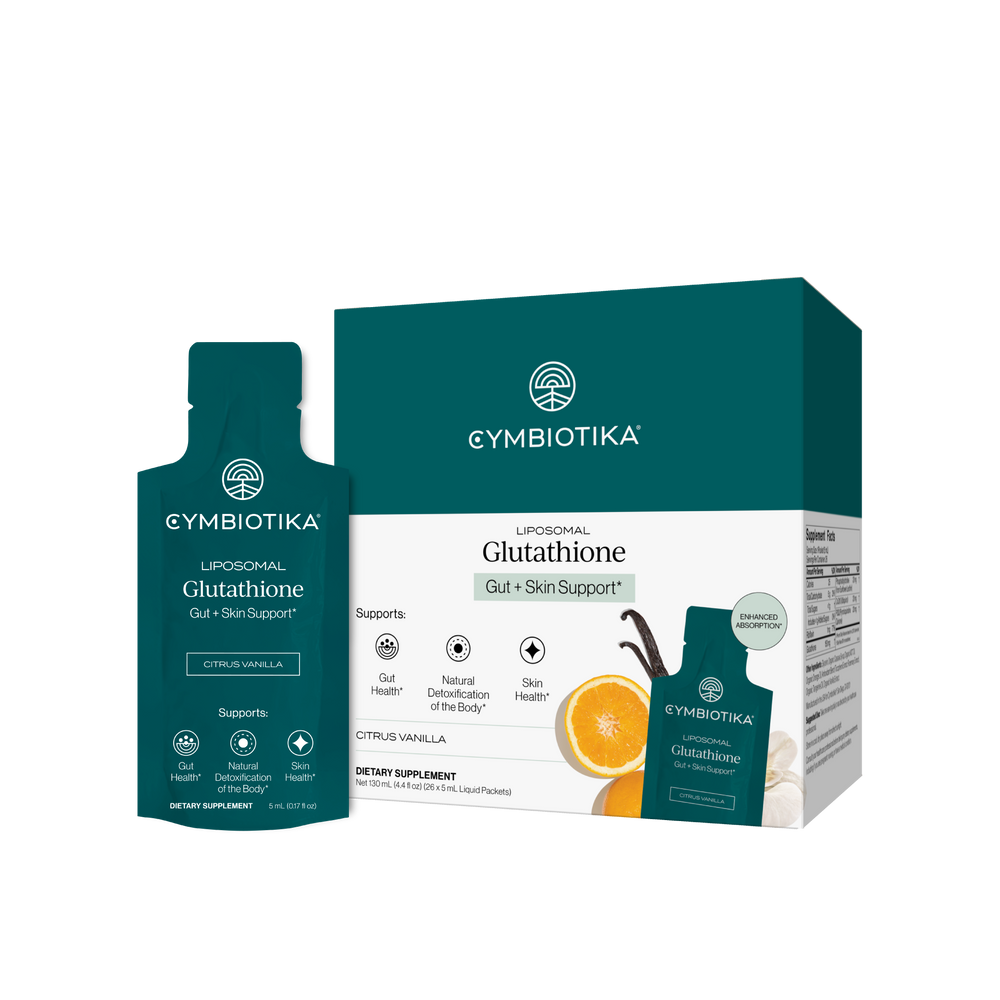
Liposomal delivery is a sophisticated technology designed to protect nutrients as they pass through the digestive system. In this format, the glutathione molecule is wrapped in a tiny bubble of phospholipids—the same fats that make up your cell membranes. This "lipid shield" protects the glutathione from being destroyed by stomach acid or digestive enzymes.
At Cymbiotika, we prioritize bioavailability above all else. If you want a deeper look at the delivery method, read Why Liposomal Glutathione Is Essential for Daily Wellness. We understand that a supplement is only useful if your body can actually absorb it. By using liposomal delivery, we ensure that the glutathione can pass through the stomach intact and be delivered directly into the cells. This is especially beneficial for those with sensitive digestive systems who want to avoid the irritation sometimes caused by standard pills.
Note: If you are taking glutathione to support your digestive lining, choosing a liposomal format is the most effective way to ensure the nutrient reaches the areas where it is needed most.
How to Support Glutathione Levels Naturally
While supplementation is a powerful tool, you can also support your body’s natural production through daily habits. Your body requires specific building blocks and environmental conditions to maintain optimal glutathione levels.
Dietary Building Blocks
To make glutathione, your body needs a steady supply of sulfur-containing amino acids. Including these foods in your diet can help provide the "raw materials" for your cells:
- Cruciferous Vegetables: Broccoli, cauliflower, Brussels sprouts, and kale are rich in sulfur and compounds like sulforaphane, which trigger the body's antioxidant response.
- Allium Vegetables: Garlic, onions, and leeks are excellent sources of the sulfur compounds needed for glutathione synthesis.
- Protein-Rich Foods: Grass-fed beef, poultry, and eggs provide the cysteine and glycine necessary for the tripeptide structure.
- Selenium-Rich Foods: Selenium is a mineral that acts as a cofactor for glutathione enzymes. Brazil nuts, sardines, and organ meats are great sources.
Lifestyle Factors
Oxidative stress isn't just caused by what we eat; it’s also caused by how we live. Reducing the overall "toxic load" on your body allows your glutathione to focus on internal repair rather than just putting out fires.
- Prioritize Sleep: Your body does its heaviest antioxidant production and cellular repair during deep sleep. For broader support, the Sleep Supplements collection is a natural place to explore. Aim for 7–9 hours of quality rest.
- Manage Stress: Chronic stress depletes glutathione levels rapidly. Techniques like deep breathing or gentle movement can help preserve your internal resources.
- Moderate Exercise: While intense overtraining can increase oxidative stress, regular, moderate activity (like walking or yoga) has been shown to boost natural antioxidant levels over time.
Building a Digestive Wellness Routine
Managing acid reflux and supporting gut health is rarely about a single "magic" ingredient. It is about building a consistent routine that addresses both the symptoms and the underlying environment of the gut. If you want to compare supportive options, the Gut Health Supplements collection can help you browse related formulas.
Step 1: Focus on Timing. Avoid eating large meals late at night. Giving your body 2–3 hours to digest before lying down can significantly reduce the amount of acid that travels back into the esophagus.
Step 2: Use Targeted Support. Incorporate supplements that focus on bioavailability and mucosal protection. Our Liver Health+ is designed to support the body's natural detoxification pathways, while Liposomal Glutathione helps replenish your master antioxidant levels without upsetting the stomach.
Step 3: Consider Precursors. Sometimes, giving the body the tools to make its own glutathione is just as effective. If you are exploring the broader routine-building angle, What Supplements Should I Take: Supplement Quiz can help narrow down a personalized starting point. N-acetyl cysteine (NAC) is a stable precursor to glutathione that can help boost levels over time. However, for immediate support of the esophageal lining, the direct liposomal form is often preferred.
Step 4: Monitor Your Triggers. Everyone’s digestive system is unique. Keep a simple log of foods or stressors that seem to precede a reflux episode. This data will help you tailor your routine to your specific needs.
Key Takeaway: A holistic approach—combining liposomal glutathione for cellular protection with mindful eating habits—provides the best foundation for long-term digestive ease.
Why Quality and Transparency Matter
When you are dealing with digestive sensitivities, you cannot afford to take chances with low-quality ingredients. Many standard supplements contain synthetic fillers, artificial colors, or hidden "flow agents" like magnesium stearate that can actually irritate the gut lining further.
Wellness starts with trust. To see how this philosophy extends across the line, explore the Healthy Aging Supplements collection. We believe you should know exactly what is going into your body. This is why we use third-party testing to ensure our formulas are pure and potent. We source organic and wild-crafted ingredients whenever possible and maintain GMP-aligned manufacturing standards.
Our commitment to science-forward supplementation means we don't just follow trends. We look at the delivery mechanism, the sourcing of the raw materials, and the synergy of the ingredients. When you choose a high-quality glutathione supplement, you aren't just buying a bottle; you are investing in a tool that works with your body's natural biology.
The Role of the Liver in Digestive Health
It may seem counterintuitive to talk about the liver when your primary concern is acid reflux, but the two are deeply connected. The liver is responsible for producing bile, which is essential for digesting fats. If bile flow is sluggish or imbalanced, it can contribute to a "backlog" in the digestive tract, potentially worsening reflux symptoms.
Glutathione is the liver's primary tool for detoxification. By supporting your liver's health, you are indirectly supporting your entire digestive process. When the liver is functioning optimally, the body is better at processing the foods and chemicals we encounter daily, leading to less systemic inflammation and a happier gut.
Using a combination of targeted nutrients can create a more resilient system. Many of our community members combine glutathione support with Molecular Hydrogen for additional antioxidant benefits. A balanced microbiome is essential for keeping the lower esophageal sphincter functioning properly and preventing gas buildup that can push acid upward.
Conclusion
While glutathione is not a direct "antacid," its role in protecting the esophageal lining from oxidative damage makes it a valuable part of a digestive wellness strategy. By neutralizing free radicals and supporting the mucosal barrier, it may help provide a layer of defense that standard treatments often overlook.
The key to success is consistency and quality. Choosing a liposomal format ensures that the glutathione actually reaches your cells, rather than being lost to the very stomach acid you are trying to manage. When paired with a sulfur-rich diet and mindful lifestyle habits, you can empower your body to maintain its own internal balance.
We are here to support you on your journey toward better health. At Cymbiotika, our mission is to provide the education and the clean, transparent tools you need to build a routine you can trust. If you are unsure where to start, we invite you to take our Health Quiz for a personalized recommendation tailored to your unique goals.
Bottom line: Glutathione helps shield your cells from the oxidative stress of acid reflux, but only if it's delivered in a way your body can actually absorb.
FAQ
Can glutathione help heal the esophagus?
Glutathione is not a medicine, but it may support the body's natural repair processes by neutralizing oxidative stress. For readers comparing broader support options, the Gut Health Supplements collection is a useful place to start. By protecting the esophageal cells from further damage by acid and bile, it provides a healthier environment for the mucosal lining to maintain its integrity.
What is the best form of glutathione for acid reflux?
The liposomal form is generally considered the best for those with digestive concerns. Liposomal delivery wraps the glutathione in a protective layer of phospholipids, which prevents the supplement from being broken down by stomach acid and increases its absorption into the bloodstream.
Should I take glutathione on an empty stomach?
Many people find that taking liposomal glutathione on an empty stomach—about 15 to 20 minutes before a meal—allows for the best absorption. If you want help deciding whether this fits your routine, the What Supplements Should I Take: Supplement Quiz can point you toward a personalized starting point. However, if you have a very sensitive stomach, you can take it with a light meal, as the liposomal shield still provides excellent protection.
Are there side effects to taking glutathione for digestion?
Glutathione is generally well-tolerated because it is a substance your body already produces. Some people may notice mild changes in digestion as their body adjusts, but these are typically temporary. As always, it is a good idea to consult with your healthcare provider before starting any new supplement routine, especially if you have an existing condition.