Introduction
We have all looked in the mirror after a long week and noticed those stubborn, shadowy crescents lingering beneath our eyes. Whether they appear as a result of a few late nights or seem to be a permanent fixture, finding a way to brighten the under-eye area is a top priority for many health-conscious individuals. Among the many buzzed-about solutions in the wellness world, one molecule stands out: glutathione.
You may have heard it called the "master antioxidant," but the question remains: does glutathione remove dark circle appearances effectively? In this guide, we will explore the science behind this powerful tripeptide, how it interacts with skin pigmentation, and why the way you take it matters more than the dose itself. At Cymbiotika, we believe that understanding the "how" and "why" of your supplements is the first step toward building a routine that actually works. For a deeper look at the ingredient, explore this guide to glutathione and skin health.
We will cover the biological causes of under-eye shadows, the specific mechanism by which glutathione may support a brighter complexion, and the critical role of bioavailability in seeing real results. Our goal is to empower you with the knowledge to decide if this antioxidant is the missing piece in your wellness regimen.
What Is Glutathione?
To understand if it can help with under-eye darkness, we first need to define what glutathione actually is. Glutathione is a tripeptide—a small protein-like molecule—composed of three essential amino acids: cysteine, glutamic acid, and glycine. Unlike many nutrients that we must get entirely from our diet, our bodies actually produce glutathione naturally, primarily in the liver.
It is often referred to as the "master antioxidant" because it exists in high concentrations in almost every cell in the human body. Its primary job is to protect our cells from oxidative stress. This occurs when unstable molecules called free radicals—byproducts of normal metabolism and environmental factors like pollution or UV rays—begin to damage cellular structures.
Key Takeaway: Glutathione is a naturally occurring antioxidant made of three amino acids that protects cells from damage and plays a central role in maintaining overall skin health.
Beyond simple protection, glutathione is unique because it helps "recycle" other antioxidants. When vitamins C and E neutralize a free radical, they become unstable themselves. Glutathione steps in to recharge them, allowing them to continue their work. This creates a powerful defense system within the body that supports everything from immune function to cellular energy and, most importantly for our topic, skin clarity.
Understanding the Anatomy of Dark Circles
Before we look at how glutathione works, we must understand what it is working against. Dark circles are not a single issue; they are often the result of several overlapping factors. To address them effectively, we need to identify why they are appearing in the first place.
Pigmentation and Melanin
One of the most common causes of under-eye darkness is hyperpigmentation. This happens when there is an overproduction of melanin—the pigment that gives our skin, hair, and eyes their color—in the delicate skin beneath the eyes. This can be triggered by sun exposure, genetics, or even frequent rubbing of the eyes. When melanin clusters in this thin area, it creates a darker, brownish appearance.
Oxidative Stress and Environmental Damage
The skin under our eyes is incredibly thin and fragile, making it one of the first places to show signs of environmental wear. Pollution, blue light from screens, and UV radiation all contribute to oxidative stress. This stress can damage the skin’s structure, leading to a duller, more tired appearance. Because this area lacks the thick fat pads found elsewhere on the face, any loss of clarity is immediately visible.
The Role of Thinning Skin
As we age, our bodies naturally produce less collagen, the protein responsible for skin elasticity and thickness. When the skin under our eyes thins, the underlying blood vessels become more apparent. This often results in a bluish or purplish tint, which is distinct from the brownish tint caused by melanin. While glutathione primarily targets the pigmentation side of the equation, its role in cellular protection can support the skin's overall resilience over time.
For broader support related to skin and healthy ageing, explore Cymbiotika’s Healthy Aging collection.
How Glutathione Supports Under-Eye Brightness
Does glutathione remove dark circle shadows? While it is not a "magic fix," it may support a brighter under-eye area through a very specific biological process. The primary way glutathione influences skin tone is by interacting with tyrosinase.
The Tyrosinase Connection
Tyrosinase is an enzyme in the body that acts as the primary trigger for melanin production. Think of it like a light switch for pigment. When tyrosinase is highly active, the body produces more melanin. Glutathione has been shown to inhibit the activity of this enzyme. By "dimming the switch," it can help slow down the production of excess pigment, leading to a more even and brighter skin tone over time.
Shifting Melanin Types
Interestingly, there are different types of melanin. Eumelanin is the darker, brownish-black pigment, while pheomelanin is a lighter, yellowish-red pigment. Research suggests that glutathione may help the body shift its production from the darker eumelanin to the lighter pheomelanin. This transition doesn't happen overnight, but it is one of the reasons many people find that consistent glutathione support leads to a more radiant complexion.
For more information on glutathione’s relationship with pigmentation, read this educational guide to glutathione and pigmentation.
Detoxification and Skin Clarity
Since glutathione is the body’s primary internal cleanser, it helps the liver process and remove waste products. When our internal systems are functioning optimally and managing oxidative load effectively, it often reflects on our skin. A "clogged" system can lead to a dull, sallow complexion, which only makes dark circles look more prominent. By supporting the body's natural pathways, glutathione helps maintain the "canvas" of the skin.
Quick Answer: Glutathione may help reduce the appearance of dark circles by inhibiting the enzyme tyrosinase, which controls melanin production. It also supports cellular repair and neutralizes the oxidative stress that can make under-eye skin look dull and aged.
The Bioavailability Problem: Why Your Supplement Might Fail
This is where most people get stuck. You might go out and buy a standard glutathione capsule, take it for a month, and see absolutely no change in your under-eye area. This is usually not because glutathione doesn't work; it is because your body never actually absorbed it. Learn more about the role of delivery systems in this overview of liposomes and bioavailability.
The Destruction of Oral Glutathione
Standard glutathione is a fragile molecule. When you swallow a typical tablet or capsule, it has to pass through the stomach's highly acidic environment. The digestive enzymes in your gut are designed to break proteins apart. Since glutathione is a tripeptide, these enzymes often break it down into its individual amino acids before it ever reaches your bloodstream. By the time it is absorbed, it is no longer the "master antioxidant"—it is just a small serving of protein.
The Liposomal Difference
At Cymbiotika, we solve this problem through liposomal delivery. A liposome is a tiny, microscopic bubble made of phospholipids—the same material that makes up your own cell membranes. We wrap the glutathione inside this phospholipid bilayer, creating a protective "stealth" shield.
This shell protects the glutathione from being destroyed by stomach acid. Instead of being broken down, the liposome travels through the digestive tract and is absorbed directly into the bloodstream and into the cells. This significantly increases bioavailability, which is the degree and rate at which a substance is absorbed into a living system.
Key Takeaway: If a supplement isn't bioavailable, your body can't use it. Liposomal delivery is designed to protect fragile antioxidants like glutathione from digestion, ensuring they reach your cells intact.
Formats and Methods: Comparing the Options
When looking for glutathione, you will encounter several different formats. Each has its pros and cons, but understanding their impact on absorption is vital for your routine.
| Format | Absorption Level | Practicality | Cost |
|---|---|---|---|
| Standard Capsules | Low | High | Low |
| Topical Creams | Moderate (Surface only) | High | Medium |
| IV Injections | Very High | Low (Requires clinic) | Very High |
| Liposomal Liquid | High | High | Medium |
IV Injections
Intravenous (IV) glutathione is often used in clinical settings for rapid delivery. While it is highly effective because it bypasses the digestive system entirely, it is also expensive, time-consuming, and requires a medical professional. For most people, it is not a sustainable daily routine.
Topical Serums
Topical glutathione can help protect the very surface of the skin from immediate environmental damage. However, because the molecule is relatively large, it has a hard time penetrating deep enough into the skin to affect the cells where melanin is actually produced. It is best used as a secondary support rather than a primary solution.
Liposomal Glutathione
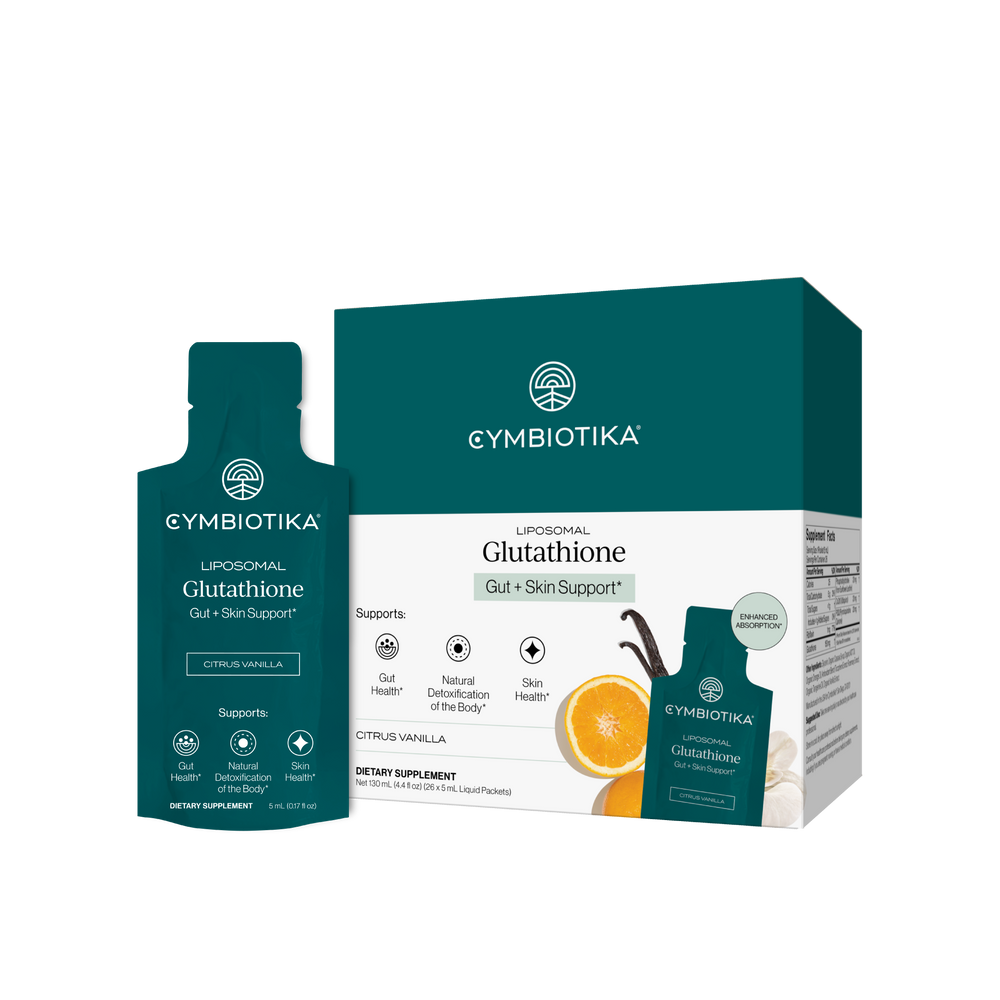
For those looking for the best balance of efficacy and convenience, Liposomal Glutathione is designed to offer the high absorption of an IV in a simple, daily liquid format. It provides the systemic support your liver and skin need to maintain long-term brightness without the needle.
Setting Realistic Expectations: How Long Does It Take?
One of the biggest misconceptions in the wellness space is that supplements work like a switch. You take one dose, and your dark circles disappear the next morning. In reality, supporting your skin from the inside out is a game of consistency and patience.
The Cellular Turnover Cycle
Your skin cells take approximately 28 to 40 days to renew themselves. This means that any pigment-related changes being supported by glutathione will take at least one full cycle to become visible. Most people find that they begin to see a meaningful difference in skin clarity and under-eye brightness after 3 to 4 weeks of consistent daily use.
Factors That Influence Results
Results vary from person to person based on:
- The root cause: If your dark circles are purely genetic or due to deep-set bone structure (hollowness), glutathione will have a much smaller impact than if they are caused by pigmentation or stress.
- Lifestyle habits: No supplement can outpace a total lack of sleep or chronic dehydration.
- Bioavailability: As discussed, using a standard capsule vs. a liposomal formula will drastically change your timeline.
Building a Comprehensive Routine for Brighter Eyes
While glutathione is a powerful tool, it works best when part of a holistic approach. If you want to address the question "does glutathione remove dark circle" appearances in your own life, consider these four pillars of under-eye health.
1. Optimize Your Internal Defense
Start with a high-quality, bioavailable glutathione. Our Liposomal Glutathione is formulated to support not only skin brightness but also energy production and liver health. Taking it consistently at the same time each day helps maintain steady levels in your system.
2. Pair with Vitamin C
Vitamin C and glutathione are partners in the body. Vitamin C is also an inhibitor of tyrosinase and supports the production of collagen, which can help thicken the skin under the eyes. When taken together, they enhance each other's antioxidant effects. Our Liposomal Vitamin C is an excellent companion to ensure your skin has the building blocks it needs for resilience.
3. Hydration and Electrolytes
Dehydration is a leading cause of the "sunken" look that makes dark circles appear darker. When the body is dehydrated, the skin loses volume, making the blood vessels beneath more obvious. Drink plenty of water and ensure you are getting adequate minerals to help that water actually reach your cells.
4. Protect Externally
While you work from the inside out, don't forget the outside in. Wear sunglasses and SPF daily to prevent UV-induced melanin spikes. UV rays are the primary trigger for the tyrosinase enzyme, so protection is your first line of defense against new pigmentation.
Bottom line: Glutathione is most effective when combined with sun protection, proper hydration, and complementary nutrients like Vitamin C.
The Connection Between Gut Health and Skin
It may seem strange to talk about your gut when you are worried about your eyes, but the "gut-skin axis" is a well-documented connection in wellness science. When the gut is inflamed or the microbiome is out of balance, it can lead to systemic inflammation that shows up on the skin.
This inflammation can worsen the appearance of puffiness and shadows around the eyes. By using liposomal supplements, you are not only getting better absorption but also avoiding the digestive upset that some standard high-dose supplements can cause. Supporting your internal environment creates the foundation for external results. Explore the Gut Health supplements collection for additional wellness support.
Why Quality and Sourcing Matter
When choosing a glutathione supplement, "cheap" often ends up being expensive because you are paying for something your body cannot use. At Cymbiotika, we focus on several key pillars of quality:
- Purity: Our formulas are third-party tested to ensure they are free from heavy metals and contaminants.
- Non-GMO and Clean Ingredients: We avoid synthetic fillers and unnecessary additives that can trigger sensitivities.
- Science-Forward Formulations: We don't just put an ingredient on the label; we ensure it is in a form—like our liposomal delivery—that your body can actually recognize and utilize at the cellular level.
Key Takeaway: Wellness starts with trust. Choosing supplements that prioritize bioavailability and transparent sourcing ensures that your investment in your health actually pays off.
Common Myths About Glutathione and Skin
Myth: Glutathione will "bleach" your skin.
Fact: This is a common misconception. Glutathione does not bleach the skin; it helps regulate melanin production and supports a more even tone. It works with your body’s natural chemistry to reduce excess pigmentation and improve clarity.
Myth: More is always better.
Fact: Taking massive doses of poorly absorbed glutathione won't help. It's about how much reaches your cells. A smaller, highly bioavailable dose (like a liposomal format) is far more effective than a massive dose of a standard powder that your body can't process.
Myth: It works instantly.
Fact: As we’ve discussed, you need to allow for at least one full cycle of skin cell turnover (about a month) to see the results of any nutritional support for your skin.
Myth: It’s only for dark circles.
Fact: Glutathione is a systemic antioxidant. While it may help with under-eye brightness, it is also supporting your liver, your brain health, and your immune system simultaneously.
Moving Toward a Brighter Routine
Building a wellness routine is about more than just solving one problem like dark circles. It is about giving your body the tools it needs to thrive on a cellular level. When you provide your system with high-quality, bioavailable nutrients, the benefits ripple outward—from your energy levels to the clarity of your skin.
If you are ready to see how glutathione can fit into your life, we recommend starting with a focus on consistency.
Step-by-Step Approach:
- Assess your needs: Are your dark circles pigmentation-based or due to lifestyle factors?
- Select a bioavailable source: Choose a liposomal formula to ensure the glutathione survives digestion.
- Track your progress: Take a "before" photo in natural light and check back in 30 days.
- Support the foundation: Ensure you are getting enough sleep and staying hydrated to give the supplement the best environment to work in.
Conclusion
So, does glutathione remove dark circle appearances? The science suggests that it is a powerful ally in the fight against under-eye shadows, particularly those caused by hyperpigmentation and oxidative stress. By inhibiting the enzymes that lead to excess pigment and protecting the delicate skin cells from environmental damage, it supports a more radiant, rested look from the inside out.
However, the key to success lies in bioavailability. Without a delivery system designed to protect this fragile molecule, most glutathione supplements simply don't reach the cells where they are needed most. By choosing high-quality, science-backed formulas, you can ensure that you are actually getting the benefits you are paying for.
At Cymbiotika, our mission is to provide you with the cleanest, most effective supplements possible. We believe in transparency and education, helping you build a routine that fits your unique goals. If you're not sure where to start, we invite you to take our Health Quiz. It's a simple way to get personalized recommendations based on your specific wellness needs, helping you move away from guesswork and toward a routine you can trust.
"Wellness is not a destination; it is a series of informed choices that support your body's natural ability to heal and thrive."
FAQ
How long does it take for glutathione to show results for dark circles?
Because skin cells take about 28 to 40 days to regenerate, most people see visible improvements in skin brightness and under-eye clarity after 3 to 4 weeks of consistent use. Individual results vary based on the root cause of the darkness and the bioavailability of the supplement.
Can I take glutathione every day?
Yes, glutathione is a naturally occurring molecule in the body, and daily supplementation is generally considered safe for most healthy adults. Consistently maintaining your levels is actually more effective for skin health than taking high doses occasionally, as it provides steady support for your cellular turnover.
Is liposomal glutathione better than regular glutathione?
Liposomal glutathione is significantly more bioavailable because it protects the fragile antioxidant from being destroyed by stomach acid and digestive enzymes. This delivery method ensures that a much higher percentage of the nutrient actually reaches your bloodstream and cells compared to standard capsules.
Does glutathione help with puffiness as well as dark circles?
While glutathione primarily targets pigmentation and oxidative stress, its anti-inflammatory properties may help support overall skin clarity. However, puffiness is often related to fluid retention or allergies, so it is best managed by combining glutathione with proper hydration and a healthy lifestyle.