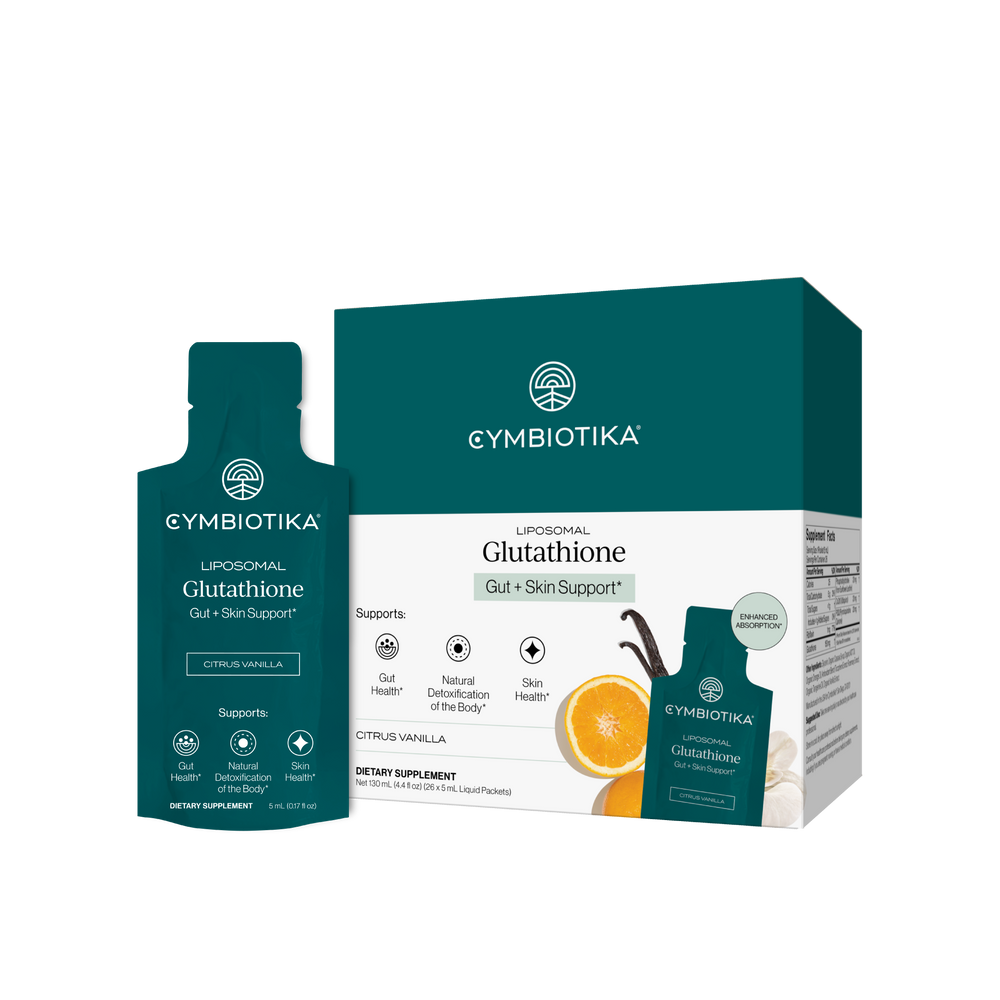
Imagine standing in front of a mirror and admiring your reflection, your skin glowing with radiance and clarity. For many, achieving that luminous complexion has become a quest, leading to the exploration of various skin treatments. One ingredient that has garnered significant attention in recent years is glutathione, often hailed as a skin whitening agent. But does it really work? As a community committed to transparency and wellness, we at Cymbiotika believe in empowering individuals with science-backed information. This blog post aims to delve deep into the role of glutathione in skin whitening, the science behind it, and what you need to know before considering it as a supplement.
Introduction
When it comes to skincare, the desire for lighter, more even-toned skin has consistently been a topic of fascination across cultures. From natural remedies to pharmaceutical innovations, the beauty industry is flooded with options promising to lighten skin tone. Among these, glutathione has emerged as a popular choice, often marketed as a wonder molecule for achieving a fairer complexion.
Glutathione is a powerful antioxidant that plays a critical role in maintaining cellular health by combating oxidative stress. It is composed of three amino acids: cysteine, glutamate, and glycine. The hype surrounding its skin-lightening properties can be traced back to its ability to inhibit the enzyme tyrosinase, essential for melanin production in the skin. However, the effectiveness and safety of glutathione as a skin-whitening agent remain subjects of ongoing debate.
In this article, we will explore the biochemical mechanisms of glutathione, its purported benefits for skin whitening, the current scientific evidence supporting its use, potential side effects, and alternative approaches for achieving healthy skin. By the end of this discussion, we hope to provide clarity on whether glutathione is a viable option for those seeking to enhance their skin tone.
Understanding Glutathione: The Antioxidant Powerhouse
Glutathione is often referred to as the body's "master antioxidant." It is produced in the liver and is found in every cell, where it helps protect against oxidative damage caused by free radicals and toxins. This antioxidant is essential for various bodily functions, including detoxification, immune response, and the maintenance of skin health.
The Role of Glutathione in Skin Health
The skin, being the largest organ, relies heavily on the protective effects of antioxidants. Glutathione helps neutralize harmful free radicals generated by UV radiation, pollution, and other environmental stressors. By maintaining a healthy balance of glutathione, we can potentially enhance our skin's resilience against damage, promoting a youthful appearance.
Moreover, research suggests that glutathione may play a role in the skin's pigmentation process. When glutathione levels are adequate, it can inhibit the activity of tyrosinase, an enzyme that catalyzes melanin production. This inhibition may lead to a lighter skin tone, making glutathione a popular choice for those seeking to reduce hyperpigmentation and achieve a more even complexion.
How Glutathione Works
The skin-lightening effects of glutathione are attributed to several mechanisms:
- Inhibition of Tyrosinase: As mentioned, glutathione inhibits the enzyme responsible for melanin production. By doing so, it may reduce the formation of eumelanin (the darker pigment) while promoting phaeomelanin (the lighter pigment).
- Detoxification: Glutathione aids in detoxifying the skin by eliminating harmful substances and free radicals. This detoxification process can lead to a clearer complexion.
- Reduction of Oxidative Stress: By combating oxidative stress, glutathione helps maintain skin elasticity and prevents premature aging, which can contribute to uneven skin tone.
Forms of Glutathione Supplements
Glutathione supplements are available in various forms, including:
- Oral Tablets and Capsules: These are the most common forms and are easily accessible. However, their bioavailability may be limited due to digestion.
- Topical Creams and Serums: These products are designed to be applied directly to the skin. While they may provide localized benefits, their effectiveness in achieving systemic skin lightening is still under study.
- Intravenous (IV) Injections: Some clinics offer glutathione injections, claiming faster and more effective results. However, the safety and efficacy of this method are debated.
At Cymbiotika, we prioritize high-quality ingredients and transparency in our formulations. If you're considering adding glutathione to your wellness regimen, we recommend exploring options that align with our commitment to safety and efficacy.
The Science Behind Glutathione and Skin Whitening
While the mechanisms of glutathione's effects on skin lightening sound promising, scientific evidence supporting these claims is still emerging. Let's take a closer look at the studies conducted on this topic.
Current Research and Findings
- Clinical Studies: Some randomized controlled trials have shown that oral glutathione supplements may reduce melanin levels and improve skin tone. However, the sample sizes in these studies are often small, and the duration of treatment varies.
- Topical Applications: Research on topical glutathione formulations has yielded mixed results. Some studies indicate a temporary lightening effect, while others find no significant changes in skin tone. Factors such as formulation quality, concentration, and individual skin type can influence outcomes.
- Limitations: Many studies rely on subjective evaluations and lack long-term follow-up. Moreover, the mechanisms by which glutathione exerts its effects are not fully understood. This uncertainty raises questions about the longevity of results and the need for continued use.
Addressing Skepticism
Despite the excitement surrounding glutathione, skepticism remains prevalent within the scientific community. Some experts argue that the marketing of glutathione as a miracle skin lightener may be exaggerated. The variability in individual responses, potential side effects, and the lack of comprehensive studies underscore the need for cautious optimism.
Potential Side Effects and Precautions
Like any supplement, glutathione may come with side effects. While many individuals tolerate it well, some reported reactions include:
- Gastrointestinal Issues: Nausea, bloating, and stomach discomfort can occur, particularly with high doses.
- Allergic Reactions: Although rare, some individuals may experience skin rashes or other allergic responses.
- Interactions with Medications: If you are taking other medications, consult with a healthcare provider to ensure there are no adverse interactions.
Who Should Be Cautious?
Certain populations should exercise caution when considering glutathione supplements:
- Pregnant or Breastfeeding Women: The safety of glutathione supplementation during pregnancy and lactation is not well established.
- Individuals with Pre-existing Conditions: Those with asthma, respiratory conditions, or liver and kidney diseases should consult a healthcare professional before use.
Alternative Approaches to Skin Lightening
While glutathione may hold potential for skin whitening, it is not the only option available. Here are some alternative methods to achieve a brighter, more even complexion:
1. Topical Treatments
Several topical agents are commonly used for skin lightening, including:
- Vitamin C: An antioxidant that helps inhibit melanin production and enhances skin brightness.
- Kojic Acid: Derived from fungi, this compound is known for its skin-lightening properties.
- Retinoids: These vitamin A derivatives promote skin cell turnover and can improve skin texture and tone.
2. Natural Remedies
For those seeking more natural approaches, many ingredients can help brighten skin, such as:
- Licorice Extract: Known for its anti-inflammatory properties, it can reduce hyperpigmentation.
- Niacinamide: This form of vitamin B3 can improve skin texture and reduce the appearance of dark spots.
3. Lifestyle Changes
Incorporating healthy lifestyle habits can significantly impact skin health:
- Balanced Diet: Consuming a diet rich in fruits and vegetables can support overall skin health and may help maintain glutathione levels in the body.
- Sun Protection: Using sunscreen daily can prevent further pigmentation and protect against UV damage.
Conclusion
The quest for lighter, more even-toned skin is a common concern for many individuals. Glutathione, with its antioxidant properties and potential skin-lightening effects, has gained popularity as a supplement for achieving this goal. However, the scientific evidence surrounding its efficacy remains inconclusive, and the safety of various forms of supplementation must be carefully considered.
At Cymbiotika, we believe that wellness starts with trust. Our commitment to transparency means we encourage our community to research thoroughly and consult healthcare professionals before trying new supplements. If you’re interested in exploring supplements that support your wellness journey, consider taking our AI quiz to find the best options tailored to your needs.
Ultimately, while glutathione may hold promise for some, a holistic approach to skincare that encompasses diet, sun protection, and the use of proven topical agents may yield the best results for achieving healthy, radiant skin.
FAQ
1. Is glutathione safe for everyone? While many individuals tolerate glutathione well, those with specific health conditions or who are pregnant or breastfeeding should consult a healthcare professional before use.
2. How long does it take to see results from glutathione supplements? Results can vary widely among individuals. Some may notice changes within weeks, while others may require several months of consistent use.
3. Can glutathione replace traditional skin-lightening treatments? Glutathione may complement other treatments but should not be viewed as a sole solution. A combination of methods, including topical treatments and lifestyle changes, is often more effective.
4. Are there any side effects of glutathione? Potential side effects can include gastrointestinal issues and allergic reactions. As with any supplement, it’s essential to monitor your body's response.
5. How can I support glutathione levels naturally? Eating a balanced diet rich in fruits and vegetables, exercising regularly, and managing stress can all help support your body's natural glutathione production.