Introduction
You may have heard health enthusiasts or practitioners refer to glutathione as the "master antioxidant." It is a heavy-hitting molecule produced naturally by your body to protect cells and support the liver. However, as its popularity grows, so does a common question: Does glutathione really work as a supplement? Many people feel frustrated when they invest in wellness routines only to find out their bodies aren't actually absorbing the nutrients they take.
At Cymbiotika, we believe that the effectiveness of any supplement depends entirely on its bioavailability. Bioavailability refers to the proportion of a substance that enters the circulation when introduced into the body and is so able to have an active effect. For glutathione, this is a particularly complex challenge because the digestive system is very efficient at breaking it down before it ever reaches your cells.
This article explores the science behind this essential molecule, the common hurdles to absorption, and how modern delivery methods are changing the conversation. We will look at why your body needs it, what the research suggests about its benefits, and how you can ensure your routine actually delivers results.
What Exactly Is Glutathione?
To understand if glutathione works, we first need to define what it is and why the body makes it. Glutathione is a tripeptide, which means it is a small protein composed of three specific amino acids: cysteine, glutamate, and glycine. Unlike many other antioxidants that you must get from food, your body can produce its own glutathione primarily within the liver. For additional background, explore Cymbiotika’s Reduced Glutathione ingredient guide.
It is found in virtually every cell of the human body. Its primary role is to act as a primary line of defense against oxidative stress. This occurs when there is an imbalance between free radicals—unstable molecules that can damage cellular structures—and the antioxidants meant to neutralize them. By sacrificing itself to stabilize these free radicals, glutathione protects your DNA, mitochondria, and cell membranes from damage.
Beyond its role as a protector, it also acts as a "recycler." It helps regenerate other vital antioxidants, such as Vitamin C and Vitamin E, so they can continue working longer. Without adequate levels of this master molecule, your cellular "cleanup crew" becomes much less efficient.
Quick Answer: Glutathione works as a powerful antioxidant and cellular protector, but its effectiveness as a supplement depends on the delivery method. Standard oral capsules are often broken down in the stomach, while liposomal delivery is designed to protect the molecule for better absorption.
The Reality of Supplementing with Glutathione
When people ask "does glutathione really work," they are usually asking about oral supplements. For a long time, the medical community was skeptical about oral glutathione because of the "peptidase problem." Peptidases are enzymes in your digestive tract designed to break down proteins and peptides into their individual amino acids.
Because glutathione is a peptide, your stomach and small intestine often treat it like any other protein, such as a piece of chicken or a bean. They break it down into cysteine, glutamate, and glycine. While your body can use these building blocks to make its own glutathione, it is a slow and inefficient process. This led to early studies suggesting that standard oral glutathione pills did very little to raise actual levels within the blood or cells.
Why Standard Formats Often Fall Short
Bioavailability is the most critical factor when choosing a supplement. Most standard tablets or powders must pass through the harsh environment of the stomach. The high acidity and enzymatic activity can degrade the glutathione molecule before it reaches the small intestine for absorption. For more on this topic, read how liposomal glutathione works.
Even if some of the molecule survives the stomach, it still faces the "first-pass effect." This means the liver may process and metabolize the compound before it ever reaches the rest of your systemic circulation. For those looking for targeted support for skin health, energy, or immune resilience, this low absorption rate can be a major hurdle.
Key Takeaway: The effectiveness of glutathione is limited by the digestive system’s tendency to break down peptides. To make it "work," the delivery method must bypass these digestive barriers.
Liposomal Delivery: A Modern Solution
The reason many people now find that glutathione works for them is the development of liposomal delivery. A liposome is a tiny, spherical vesicle made of a phospholipid bilayer—the same material that makes up your own cell membranes. By wrapping the glutathione molecule in these healthy fats, the supplement is protected as it travels through the digestive tract.
Liposomal delivery acts like a protective shield. This technology allows the glutathione to stay intact as it passes through the stomach's acidic environment. Once it reaches the small intestine, the liposome can fuse directly with the intestinal lining or enter the lymphatic system. This bypasses the traditional breakdown process and allows for a much higher concentration of the nutrient to reach the bloodstream.
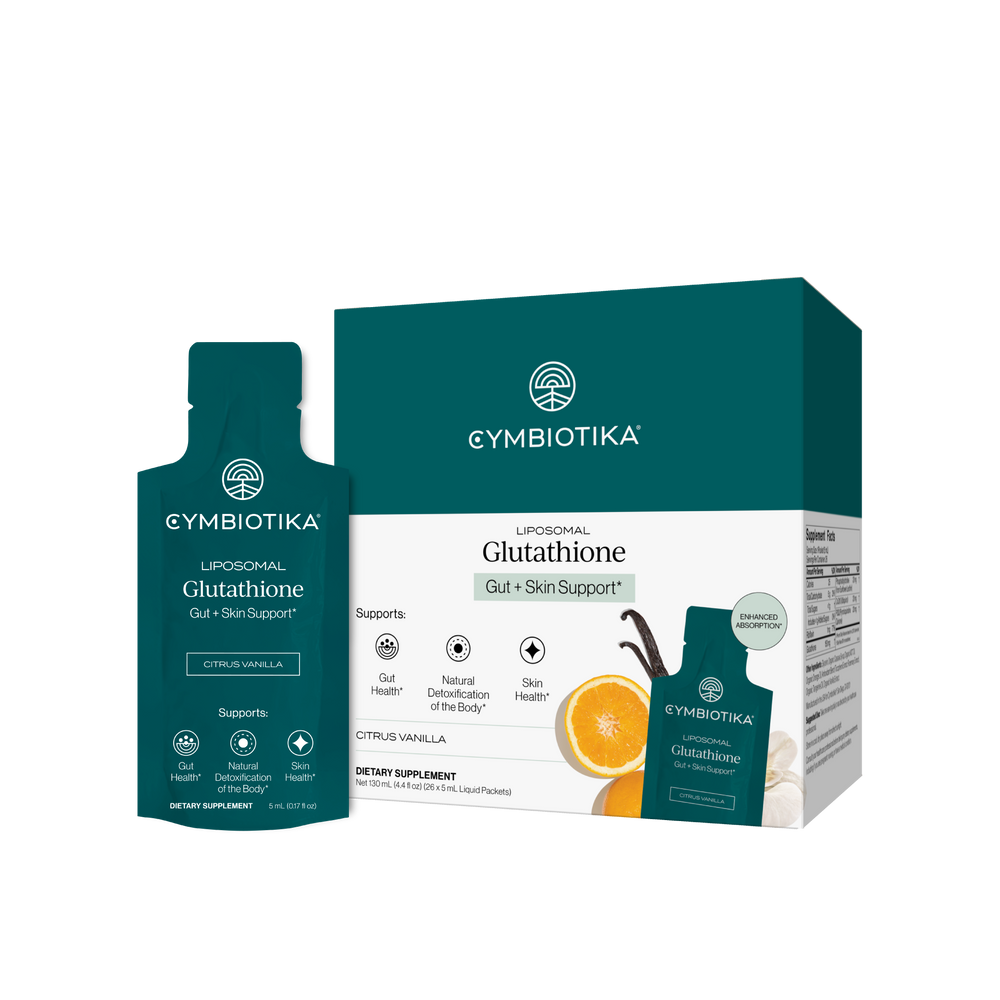
Our Liposomal Glutathione is designed with this specific challenge in mind. By using a phospholipid shell, we support the body’s ability to absorb the intact molecule. This is a meaningful difference from standard capsules that may offer high milligram counts on the label but deliver very little to the actual cells.
The Roles Glutathione Plays in Your Body
When glutathione is successfully absorbed, it supports a wide range of biological functions. Because it is involved in so many processes, the benefits can feel broad, ranging from better recovery after exercise to a more balanced complexion. Explore Cymbiotika’s Healthy Aging Supplements collection for formulas focused on cellular and healthy-ageing support.
Supporting Liver Health and Detoxification
The liver is the body’s primary filtration system, and it uses massive amounts of glutathione to perform its job. The liver processes toxins through two main phases. In phase II detoxification, the liver attaches glutathione molecules to fat-soluble toxins, making them water-soluble so the body can more easily eliminate them.
Supporting the liver’s natural pathways is essential for overall wellness. Environmental pollutants, alcohol, and certain medications can deplete the liver’s stores of this antioxidant. By maintaining healthy levels, you may support the liver's ability to process these daily stressors more efficiently. For broader support, explore Liver Health+.
Metabolic Function and Energy
There is an interesting link between antioxidant levels and metabolic health. Research suggests that glutathione may support insulin sensitivity—how well your cells respond to the hormone that moves sugar from your blood into your cells for energy. When oxidative stress is high, it can interfere with this process, leading to energy slumps and metabolic friction.
By neutralizing the free radicals that interfere with cellular signaling, glutathione may help maintain a more balanced metabolic rate. This is often why people taking high-quality, bioavailable versions of the supplement report feeling a steadier sense of energy throughout the day.
Immune Resilience
Your immune system relies on the constant reproduction of white blood cells. This process requires significant energy and a stable environment. Oxidative stress can weaken the immune response by damaging the very cells meant to protect you. Glutathione helps protect these immune cells, allowing them to function at their peak.
Many people find that supporting their antioxidant levels is especially helpful during seasonal shifts or periods of high stress. It doesn't "boost" the immune system in a way that causes overactivity; rather, it provides the cellular foundation necessary for a balanced and resilient response.
Skin Health and Aging
The skin is the body's largest organ and is constantly exposed to UV radiation and pollution. These external factors create free radicals that break down collagen and elastin, leading to signs of premature ageing. Because glutathione is a systemic antioxidant, it works from the inside out to neutralize this damage.
Some people use it to support a more even skin tone. By influencing the production of melanin, glutathione may help reduce the appearance of dark spots and support a natural, healthy glow. However, it is important to remember that skin results often take time, as the body prioritizes internal organs like the liver and heart before sending nutrients to the skin's surface. For more context, read what liposomal glutathione can do for your wellness journey.
Factors That Deplete Your Natural Levels
Even though the body produces its own glutathione, several factors in modern life can cause those levels to drop. Understanding these "depletors" can help you decide if supplementation is right for you. You can also learn more about what may deplete glutathione in the body.
- Ageing: Natural production typically begins to decline as we get older, often starting in our late 20s or early 30s.
- Environmental Toxins: Exposure to heavy metals, pesticides, and air pollution forces the body to use up its antioxidant stores more quickly.
- Poor Nutrition: A diet high in processed foods and low in sulfur-rich vegetables provides fewer building blocks for the body to create its own supply.
- Chronic Stress: Both physical and mental stress increase the production of free radicals, placing a higher demand on the body's protective systems.
- Alcohol Consumption: The liver uses significant amounts of glutathione to process alcohol, which can leave other systems undefended.
How to Maximize the Benefits of Glutathione
If you decide to incorporate this antioxidant into your routine, how you take it matters as much as what you take. To get the most out of your supplement, consider a holistic approach that supports the body's natural chemistry.
1. Choose the Right Delivery Format
As discussed, avoid standard oral tablets. Look for liposomal liquids or sublingual (under the tongue) formats. These are designed to enter the bloodstream more directly. Liposomal versions are generally considered the gold standard for oral supplementation because they mimic the body’s own cell structures.
2. Consistency is Key
Supplements are not "quick fixes." Because glutathione works at a cellular level, it often takes several weeks of consistent use to notice a difference. Many people find the best results after 30 to 60 days of daily use, as this allows the body to replenish its systemic stores.
3. Support with Precursors
You can help your body make its own glutathione by eating foods rich in sulfur. This include:
- Garlic and onions
- Cruciferous vegetables like broccoli, kale, and Brussels sprouts
- Lean proteins and legumes
Additionally, taking nutrients like Vitamin C and Selenium can help. Vitamin C helps "recharge" glutathione once it has been used, and selenium is a necessary cofactor for the enzymes that make the antioxidant work.
4. Watch Your Timing
Many people find that taking glutathione on an empty stomach, about 15 to 20 minutes before a meal, helps with absorption. This reduces the chance that the liposomes will get mixed up with food and digestive enzymes, allowing for a clearer path to the intestinal wall.
Myth: All glutathione supplements are the same if the milligram count is high.
Fact: Higher doses do not equal better results if the delivery system is poor. A lower dose of liposomal glutathione is often more effective than a high dose of standard powder because the body can actually use it.
What to Look for in a High-Quality Supplement
When navigating the supplement aisle, transparency is your best friend. Because the FDA does not regulate supplements the same way it does prescription drugs, the burden of quality control falls on the brand.
At Cymbiotika, we prioritize third-party testing and clean sourcing. When choosing a glutathione supplement, check for the following:
- Liposomal Technology: Ensure the product explicitly uses liposomes or phospholipids for delivery.
- Clean Ingredients: Avoid synthetic fillers, artificial flavors, and GMOs.
- Stability: Glutathione can have a strong, sulfur-like smell. High-quality formulations use natural citrus or other extracts to make the taste palatable without compromising the integrity of the molecule.
- Transparency: The brand should be open about its manufacturing standards and sourcing.
Potential Side Effects and Considerations
Glutathione is generally considered safe for most people when taken in appropriate doses. However, there are a few things to keep in mind. Some people report mild digestive upset, such as bloating or abdominal cramps, when they first start taking it. This is often a sign that the body is adjusting, and starting with a smaller dose can help.
Long-term use of glutathione supplements may lead to lower levels of zinc in the body. If you plan on taking it for several months, you might want to ensure your diet or supplement routine includes adequate zinc.
As with any new addition to your routine, it is always a good idea to consult with a healthcare professional, especially if you are pregnant, nursing, or taking medication. They can help you determine the right dose for your specific needs and ensure there are no interactions with other health concerns.
Building a Complete Wellness Routine
Glutathione is a powerful tool, but it works best as part of a broader strategy. Wellness is not about finding one "miracle" ingredient; it is about creating a sustainable environment where your cells can thrive.
For some, this means pairing glutathione with our Molecular Hydrogen to further support antioxidant activity. For others, it might mean using it alongside our Liver Health+ to provide comprehensive support for the body’s detoxification pathways.
The goal is to move away from a "scattered" approach to supplements and toward a thoughtful, science-backed routine. When you understand how these molecules work and why delivery matters, you can stop guessing and start building a foundation for long-term health.
Conclusion
So, does glutathione really work? The evidence suggests that it is one of the most important molecules for human health, but its success as a supplement is entirely dependent on how it is delivered to your cells. Standard oral capsules often struggle to survive the digestive process, but liposomal technology has bridged that gap, making it possible to effectively support your body's antioxidant levels.
By choosing high-quality, bioavailable formulations and supporting your body with a nutrient-dense diet, you can empower your cellular defense system. At Cymbiotika, we are dedicated to providing that transparency and quality, ensuring that what you put into your body actually makes a difference.
If you are ready to take the next step in your wellness journey but aren't sure where to start, we invite you to take our Health Quiz. It is designed to help you identify your specific needs and build a personalized routine that fits your lifestyle.
Key Takeaway: Glutathione is essential for protecting cells and supporting the liver. To ensure it works for you, focus on liposomal delivery and consistent daily habits.
FAQ
Is it better to take glutathione or NAC?
N-acetylcysteine (NAC) is a precursor that helps your body produce its own glutathione, while a glutathione supplement provides the molecule directly. Many people find that taking a bioavailable, liposomal glutathione is more efficient for raising levels quickly, though both can be part of a healthy routine.
How long does it take for glutathione to work?
While some people feel a difference in energy levels within a few days, most cellular benefits take place over 4 to 8 weeks of consistent use. This timeframe allows your body to replenish its internal stores and support its natural detoxification and repair processes.
Can I take glutathione every day?
Yes, many people take glutathione daily to maintain consistent antioxidant support, especially if they are over 30 or live in high-stress environments. It is generally well-tolerated, though it is wise to consult your healthcare provider for personalized dosing advice based on your health history.
What are the signs that I might need more glutathione?
Common signs that your antioxidant levels might be low include persistent fatigue, frequent feelings of being "run down," brain fog, or skin that looks dull and tired. Since glutathione levels naturally decline with age and stress, many people find it helpful to supplement proactively before significant symptoms arise.