Introduction
Every day, our bodies manage a complex invisible workload. From the air we breathe in urban environments to the trace compounds found in modern convenience foods, we are constantly processing substances that the body needs to neutralize and remove. This internal maintenance system is largely silent, but its efficiency dictates how we feel, how much energy we have, and how well we age.
At the center of this vital waste management system is a molecule often called the "master antioxidant." You may have heard it mentioned in wellness circles or seen it on the labels of high-end supplements. This molecule is glutathione. For those looking to optimize their health, the question usually boils down to one specific query: does glutathione detox, and if so, how does it actually work within the body?
At Cymbiotika, we believe that understanding the science behind your supplements is the first step toward building a routine that actually produces results. In this article, we will explore the biological role of glutathione, the mechanics of its detoxification pathways, and why the way you take this supplement determines whether your body can actually use it. We will also look at how to support your natural levels to maintain a resilient internal environment.
Glutathione is the primary tool the body uses to conjugate and eliminate harmful compounds, making it the cornerstone of natural cellular detoxification. For additional background, explore this guide to how glutathione detoxifies.
What Is Glutathione?
Before we look at the detoxification process, we need to understand what this molecule is. Glutathione is a tripeptide, which is a small protein-like molecule made of three specific amino acids: cysteine, glycine, and glutamic acid. Unlike many other antioxidants that we must get primarily from our diet, our bodies actually produce glutathione within almost every cell.
While it is present throughout the body, the highest concentrations are found in the liver. This is no accident. The liver is the primary hub for filtration and waste processing. Glutathione acts as a powerful protector for this organ, ensuring that as the liver filters the blood, it has the tools necessary to neutralize reactive molecules that could cause cellular damage. For a broader explanation, read how glutathione works in the body.
Key Takeaway: Glutathione is a naturally occurring tripeptide produced in the cells, with its highest concentrations located in the liver to support the body’s primary filtration system.
The Two States of Glutathione
In the body, glutathione exists in two distinct states: reduced (GSH) and oxidized (GSSG). Reduced glutathione is the active form. It is the "charged" version of the molecule, ready to neutralize a free radical or bind to a toxin. Oxidized glutathione is what remains after the molecule has done its job and used up its antioxidant "charge."
In a healthy individual, about 90% of the glutathione in the cells should be in the reduced state. When this ratio shifts and more oxidized glutathione is present, it is often a sign that the body is under significant environmental or metabolic stress. This balance is critical because glutathione doesn't just work once; our bodies have a recycling system that uses energy to turn GSSG back into active GSH.
Does Glutathione Detox?
To answer the core question—does glutathione detox—we have to look at the liver's two-step process for handling waste. The body generally handles foreign substances in two phases, and glutathione is the star player of the second phase. You can also review this overview of glutathione and liver detoxification.
Phase I: Preparation
In Phase I, the liver uses enzymes to begin breaking down toxins. This process often makes these substances more reactive. Think of this like breaking down a large piece of furniture so it can fit out the door; you might create some sawdust and sharp edges in the process. These "sharp edges" are free radicals, which can be harmful if they aren't handled quickly.
Phase II: Conjugation
This is where glutathione comes in. Phase II is called conjugation. In this stage, glutathione attaches itself directly to the reactive metabolites produced in Phase I. This process changes the chemical nature of the toxin. Most harmful environmental compounds are fat-soluble, which means the body has a hard time getting rid of them.
Glutathione makes these compounds water-soluble. Once a toxin is water-soluble, the body can easily move it into the bile or the kidneys for final elimination. Without enough glutathione, these reactive intermediates can linger in the body, leading to a "backlog" in the liver’s processing plant.
Quick Answer: Yes, glutathione is essential for detoxification. It works by binding to fat-soluble toxins and heavy metals, converting them into a water-soluble form that the body can safely excrete through urine or bile.
The Problem of Bioavailability
While the body produces its own glutathione, several factors can deplete our natural stores. Aging, environmental stressors, and poor sleep can all lower our levels. This leads many people to look for a supplement. However, not all supplements are created equal, and this brings us to the concept of bioavailability.
Bioavailability is the measure of how much of a substance actually enters the bloodstream and reaches the cells where it is needed. Most standard glutathione capsules or tablets have very poor bioavailability. This is because glutathione is a fragile tripeptide. When you swallow a standard pill, the harsh acids and enzymes in your stomach often break the molecule down into its individual amino acids before it ever reaches your liver.
If you are taking a supplement that is destroyed in the gut, your body isn't getting the "master antioxidant"—it's just getting a small dose of protein. This is why we focus so heavily on delivery methods that bypass this digestive destruction. Learn more about liposomal delivery and bioavailability.
Liposomal Delivery: A Different Approach
To solve the absorption problem, we use liposomal delivery. A liposome is a tiny, microscopic bubble made of phospholipids—the same material that makes up your own cell membranes. We wrap the glutathione molecule inside these protective lipid shells.
When you take a liposomal supplement, the phospholipid bilayer (the double layer of healthy fats) protects the glutathione from stomach acid. Instead of being digested, the liposome travels to the small intestine, where it can be absorbed directly into the bloodstream. Because the liposome looks just like a cell, it can fuse with your cell membranes to deliver the glutathione directly into the cellular environment.
Key Takeaway: Standard glutathione supplements are often destroyed during digestion. Liposomal delivery uses a protective fat layer to support absorption and ensure the nutrient reaches the cells intact.
The Many Roles of Glutathione
While detoxification is the primary reason people search for this nutrient, the benefits of maintaining high glutathione levels extend to almost every aspect of wellness. Because it is present in nearly every cell, its influence is widespread. Explore formulas focused on this broader area in the Healthy Aging collection.
Support for Cellular Energy
Your cells contain tiny power plants called mitochondria. These structures produce ATP, which is the "energy currency" of the body. In the process of creating energy, mitochondria also produce waste products called reactive oxygen species. If these aren't managed, they can damage the mitochondria and lead to feelings of fatigue. Glutathione acts as the primary shield for your mitochondria, helping to maintain high energy levels at the cellular level.
Immune System Coordination
The immune system relies on the health of white blood cells. These cells need to be able to multiply and communicate effectively to protect the body. Research suggests that glutathione supports the activity of T-cells and other immune components. By reducing the overall "noise" of oxidative stress in the body, glutathione allows the immune system to focus on its primary job of defense.
Skin Health and Glow
Many people notice that their skin appears brighter and more "even" when their glutathione levels are optimized. This is because glutathione helps manage the oxidative stress that can lead to visible signs of ageing. It also plays a role in how the body processes melanin, the pigment in our skin. While it is not a "magic" skin fix, it supports the underlying cellular health that results in a natural glow. For more on this topic, read what glutathione does for skin.
How to Support Your Glutathione Levels
Maintaining a high level of this master antioxidant requires a multi-pronged approach. Supplementation is a powerful tool, but it works best when paired with a lifestyle that doesn't constantly drain your stores.
1. Focus on Sulfur-Rich Foods
Glutathione production requires specific raw materials. Sulfur is a key component of the cysteine amino acid that makes up the molecule. You can support your body's natural synthesis by including these foods in your diet:
- Cruciferous vegetables: Broccoli, Brussels sprouts, cauliflower, and kale.
- Allium vegetables: Garlic, onions, and leeks.
- High-quality protein: Grass-fed meats and eggs contain the amino acids needed for production.
2. Manage Environmental Exposure
The more toxins your body has to process, the faster it uses up its glutathione. You can "save" your stores by making simple swaps in your daily life.
- Use filtered water to reduce exposure to chlorine and heavy metals.
- Choose natural cleaning products and personal care items to limit synthetic chemical exposure.
- Limit alcohol consumption, as the liver uses massive amounts of glutathione to process alcohol.
3. Move Your Body
Regular physical activity can help boost your body’s natural antioxidant defenses. While intense, over-training can actually deplete glutathione, moderate and consistent exercise signals the body to upregulate its production.
4. Smart Supplementation
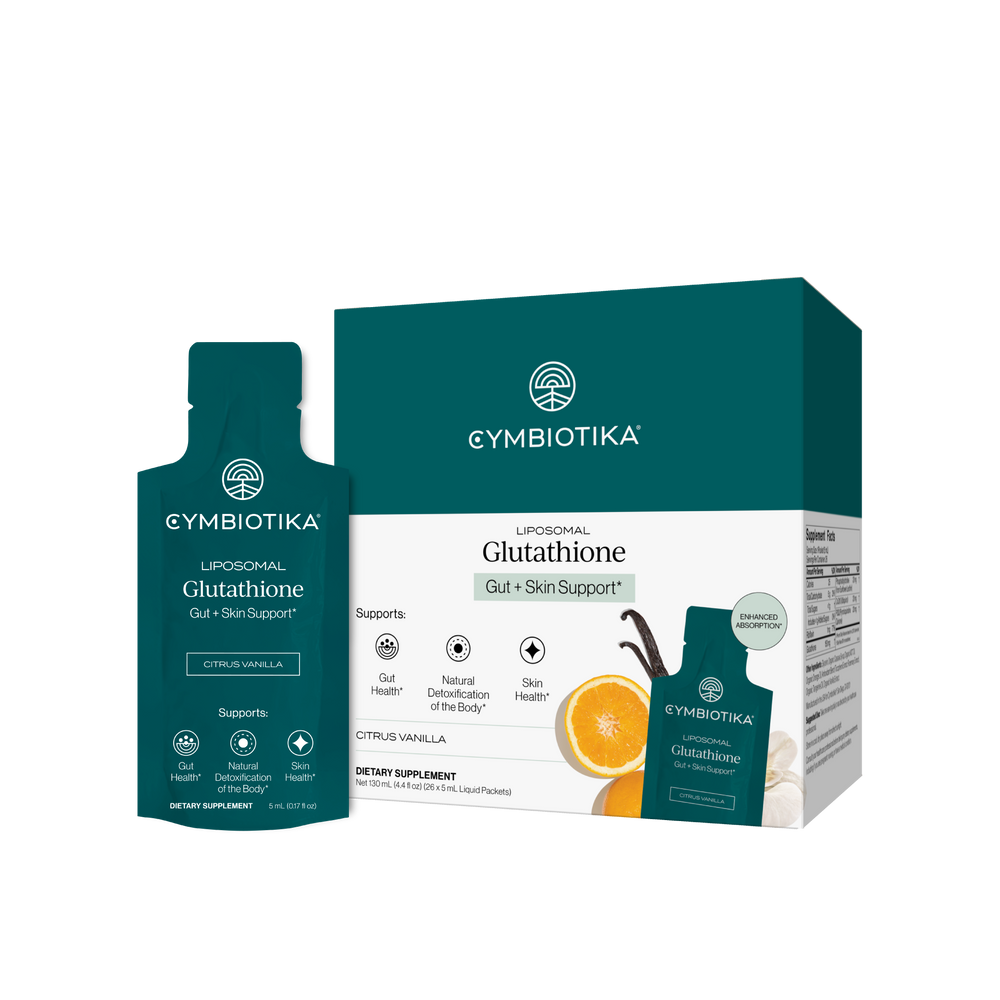
When dietary changes aren't enough, a high-quality supplement can bridge the gap. Our Liposomal Glutathione is designed with the highest standards of purity and absorption in mind. We include cofactors like Vitamin C and CoQ10 to support the "recycling" of glutathione once it has been used by the body. This ensures that you aren't just getting a one-time dose, but are supporting the entire antioxidant cycle.
Why Quality Matters
The supplement industry is often criticized for a lack of transparency. Many products contain synthetic fillers, artificial colors, or low-grade ingredients that the body can't recognize. At Cymbiotika, we take a different path.
Transparency is our foundation. We use third-party testing to ensure that what is on the label is exactly what is in the bottle. Our formulations are non-GMO and free from unnecessary synthetic additives. When you are taking a supplement for detoxification, the last thing you want is to add more synthetic load to your liver. This is why we source the cleanest ingredients available, ensuring that our products support your health without the hidden trade-offs.
Bottom line: Detoxification is a high-energy process that requires specific nutrients. Using a high-purity, liposomal formula ensures your body has the tools it needs without the interference of synthetic fillers.
Building a Consistent Routine
Wellness isn't achieved through a single "detox" weekend or a one-time bottle of vitamins. It is the result of small, consistent actions taken every day. Glutathione is a molecule that your body uses constantly, which means a consistent daily routine is more effective than an occasional high dose.
If you are new to supplementation, the sheer number of options can feel overwhelming. We often suggest starting with the basics of cellular health. Supporting your liver and your antioxidant levels provides a strong foundation upon which everything else—energy, focus, and physical performance—is built. If you are unsure where to begin, take the Cymbiotika Health Quiz for personalized guidance.
Step 1: Assess your needs. Consider your current energy levels, your exposure to environmental stressors, and your overall goals.
Step 2: Choose quality over quantity. It is better to take one highly bioavailable supplement than five low-quality capsules that your body can't absorb.
Step 3: Be patient. While some people notice a difference in energy and clarity within a few days, the deep cellular work of glutathione often takes several weeks of consistent use to fully manifest.
Conclusion
So, does glutathione detox? The science is clear: it is the essential "key" that unlocks your body’s ability to move waste out of the system. By binding to harmful compounds and making them water-soluble, it protects your cells from the modern world's environmental challenges.
However, the efficacy of glutathione depends entirely on how you support it. By combining sulfur-rich foods, lifestyle shifts, and advanced liposomal supplementation, you can empower your body's natural defense mechanisms.
At Cymbiotika, our mission is to provide you with the education and the clean, bioavailable tools you need to take ownership of your health. We believe in transparency and science-forward formulas that respect the complexity of the human body. If you are ready to see which nutrients your body needs most, we invite you to take our Health Quiz for personalized recommendations. It is a simple way to get personalized recommendations tailored to your unique lifestyle and wellness goals.
"True wellness is not about fixing a problem after it arises; it is about providing your body with the superior architecture it needs to thrive in any environment."
FAQ
How long does it take for glutathione to detox your body?
The process of detoxification happens continuously in your liver, but if you are supplementing to boost your levels, most people begin to notice subtle changes in energy and skin clarity within 2 to 4 weeks of consistent use. For deeper cellular support, a routine of 3 months is often recommended to see significant results. Learn more about supporting glutathione levels.
Can I take glutathione every day?
Yes, glutathione can be taken daily as part of a wellness routine. Because the body uses and recycles it constantly, consistent daily intake helps maintain optimal levels in the cells. It is always best to follow the dosage instructions on your specific product and consult with a healthcare provider if you have underlying health concerns.
Does glutathione help with skin brightening?
Many people use glutathione for its potential to support a more even skin tone and a natural glow. By reducing oxidative stress and influencing melanin pathways, it can help diminish the appearance of dark spots over time, though results vary based on individual skin type and consistency of use.
Why is liposomal glutathione better than regular capsules?
Regular capsules are easily broken down by stomach acid into simple amino acids, meaning very little intact glutathione reaches the bloodstream. Liposomal glutathione uses a protective fat layer (liposome) to shield the molecule, allowing it to bypass digestion and be absorbed directly into your cells for much higher bioavailability. For a deeper explanation, read Liposomes 101.