Introduction
You may have spent years curating a skincare routine filled with expensive topical serums, only to feel like you are barely scratching the surface of true radiance. While what you put on your skin matters, the most significant shifts often happen at the cellular level. This brings us to a molecule that has gained significant attention in the wellness community: glutathione. Often called the master antioxidant, this compound is naturally produced by your body and plays a critical role in how your skin looks and feels.
At Cymbiotika, we believe that wellness starts with understanding the "why" behind your supplements. Many people turn to this specific antioxidant because of its reputation for influencing skin tone. In this post, we will explore whether glutathione can actually decrease melanin, how it interacts with your biological pathways, and why the way you take it matters more than the dosage itself. For a broader look at skin-supportive formulas, explore the Healthy Aging Supplements collection.
The goal is to help you understand the relationship between this powerhouse molecule and your skin’s natural pigment. By the end of this article, you will have a clear picture of the science behind melanin regulation and how to support your body's internal environment for a more balanced complexion.
Understanding the Master Antioxidant
Before we dive into the specifics of skin pigment, it is important to understand what glutathione actually is. It is a tripeptide, which is a fancy way of saying it is made up of three amino acids: glutamine, glycine, and cysteine. These three components work together to perform some of the most vital tasks in your body, from supporting the immune system to neutralizing free radicals.
Free radicals are unstable molecules that can cause oxidative stress—a process that damages cells and contributes to the visible signs of aging. Because glutathione is present in nearly every cell of the human body, it serves as a primary shield against this damage. It is so effective at this task that it is widely recognized as the body’s most important antioxidant. For more on its broader role, read Does Liposomal Glutathione Work?.
However, your internal supply of this molecule is not infinite. Factors like environmental pollution, UV exposure, and the natural process of aging can all deplete your levels. When these levels drop, your body's ability to manage oxidative stress weakens, which can manifest as dullness or unevenness in your skin tone.
Key Takeaway: Glutathione is a foundational molecule produced by your body to neutralize oxidative stress and protect cellular integrity.
The Direct Link: How Glutathione Interacts with Melanin
The question of whether glutathione decreases melanin is rooted in biochemistry. Melanin is the pigment that gives your skin, hair, and eyes their color. It is produced by specialized cells called melanocytes through a complex process known as melanogenesis. This process is driven by an enzyme called tyrosinase.
Glutathione influences melanin in several distinct ways. First, it directly interferes with the activity of tyrosinase. By binding to the enzyme's active site, glutathione can slow down the production of pigment. This does not mean it "stops" melanin production entirely, but rather that it can help regulate the speed and volume at which pigment is created.
Beyond just the amount of melanin, this antioxidant also influences the type of melanin your body produces. There are two primary forms of this pigment:
- Eumelanin: This is the darker pigment responsible for brown and black tones.
- Pheomelanin: This is a lighter pigment that produces yellow and red tones.
Research suggests that glutathione can encourage the body to produce more pheomelanin instead of eumelanin. This shift in the ratio of pigments is what often leads to the appearance of a brighter, more even complexion. Many people find that this process helps support a natural glow that feels internal rather than just surface-level. For additional perspective on this topic, see Does Glutathione and Vitamin C Whiten Skin?.
The Role of Oxidative Stress in Pigmentation
To understand why an antioxidant like glutathione would affect skin color, we have to look at how the skin reacts to stress. When your skin is exposed to triggers—such as excessive sun or environmental toxins—it produces free radicals. These free radicals signal your melanocytes to produce more melanin as a protective response.
This is why you might notice darker spots or an uneven tone after spending time outdoors without protection. It is your body's way of trying to shield itself. Because glutathione is designed to neutralize these free radicals before they can trigger that pigment response, it acts as a preventative measure.
By maintaining high levels of antioxidants, you are essentially telling your skin that it doesn't need to overproduce pigment for protection. This creates a calmer environment for your cells, which may support a more consistent and balanced skin tone over time.
Why Bioavailability is the Deciding Factor
One of the most common mistakes people make is assuming that all glutathione supplements are equal. If you take a standard capsule or tablet, the glutathione must pass through your digestive system. Unfortunately, the harsh environment of the stomach and the enzymes in your gut are very good at breaking down this tripeptide before it ever reaches your bloodstream.
This is where the concept of bioavailability comes in. Bioavailability refers to how well your body can actually absorb and use what it takes in. If a supplement has low bioavailability, most of the active ingredients are simply wasted. For a closer look at this issue, read Reduced vs. Liposomal Glutathione: Which Is Better?.
To solve this, we use liposomal delivery. A liposome is a tiny, microscopic bubble made of phospholipids—the same material that makes up your own cell membranes. By wrapping the glutathione in this phospholipid bilayer (a double layer of protective fats), we can protect it as it travels through the digestive tract.
This delivery method is designed to support absorption at the cellular level. Instead of the antioxidant being destroyed by stomach acid, the liposome helps it "unlock" the path into your cells, ensuring your body actually gets the support you are paying for. Learn more about the format in How to Use Glutathione for Maximum Wellness Support.
Bottom line: Standard glutathione often has poor absorption rates, but liposomal technology protects the molecule to support significantly higher bioavailability.
Reduced vs. Oxidized Glutathione: What’s the Difference?
When looking at labels, you might see "Reduced Glutathione" (GSH). This is the "active" form of the molecule. In the body, glutathione exists in two states: reduced and oxidized. Think of the reduced form as a fully charged battery ready to do work. Once it neutralizes a free radical, it becomes "oxidized," meaning it has spent its energy.
A healthy body has a high ratio of reduced glutathione to oxidized glutathione. However, when you are under a lot of stress or exposed to toxins, that ratio can flip. When you supplement, you want the reduced form because it is ready to go to work immediately.
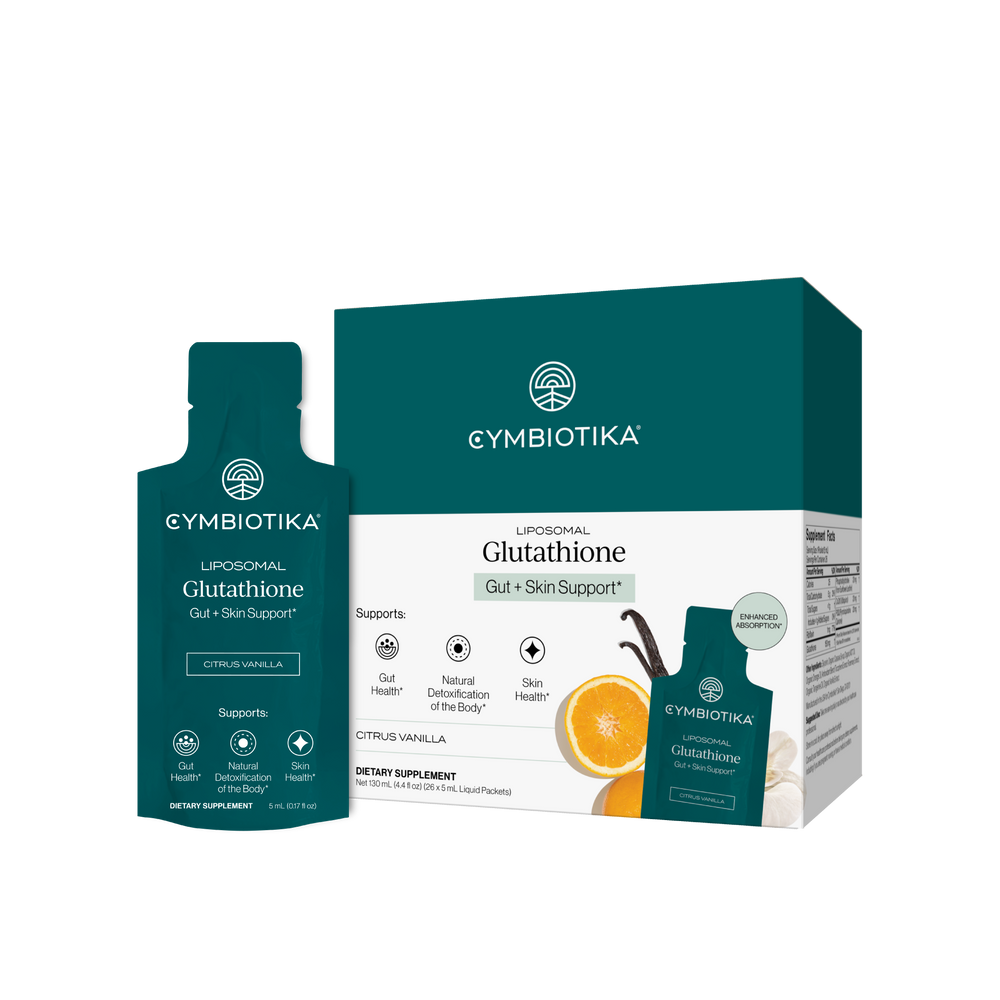
Our Liposomal Glutathione is formulated with this active state in mind. We also include complementary ingredients like Vitamin C and CoQ10. These antioxidants work together to "recycle" glutathione, helping to turn the spent, oxidized form back into the active, reduced form. This creates a continuous cycle of support for your skin and cellular health.
Setting Realistic Expectations
It is important to approach glutathione with a sense of patience. While it can help support a brighter complexion, it is not an overnight fix. The skin’s natural turnover cycle typically takes about 28 to 40 days, depending on your age. This means it usually takes several weeks of consistent use before you may start to notice a visible difference in your skin's radiance or evenness.
Results vary from person to person. Factors like your baseline glutathione levels, your diet, your sun exposure, and your overall lifestyle all play a role in how your body responds.
Myth: Taking a massive dose of glutathione once will instantly lighten skin.
Fact: Consistency is more important than intensity. Supporting your levels daily allows the body to steadily regulate melanin production over multiple skin cell cycles.
A Step-by-Step Approach to Your Routine
If you are looking to support your skin from the inside out, building a sustainable routine is the most effective path forward. For additional guidance on creating a routine, explore Can I Take Glutathione and Vitamin C Together?.
Step 1: Focus on Bioavailability.
Skip the standard tablets and choose a liposomal liquid format. This ensures that the delicate tripeptide survives digestion.
Step 2: Prioritize Consistency.
Take your supplement at the same time every day. Many people find that taking it in the morning on an empty stomach, or right before bed, helps them stay consistent.
Step 3: Combine with Sun Protection.
Because glutathione works by influencing how your skin responds to UV stress, it is vital to continue using topical SPF. This reduces the "workload" for your internal antioxidants.
Step 4: Stay Hydrated.
Antioxidants work best in a well-hydrated environment. Water helps transport nutrients to your cells and aids in the natural detoxification processes that glutathione supports.
Broad Benefits for Radiant Skin
While the interaction with melanin is a major draw, glutathione offers much more than just a shift in pigment. It supports the overall "architecture" of the skin in several ways:
Supporting Elasticity
As an antioxidant, glutathione protects the proteins responsible for keeping your skin firm—specifically collagen and elastin. Oxidative stress is one of the primary culprits behind the breakdown of these fibers. By neutralizing that stress, glutathione may help maintain the skin's resilience and flexibility as you age.
Cellular Repair and Detoxification
The liver is your body's primary filtration system, and it uses massive amounts of glutathione to process toxins. When your liver is functioning optimally, it shows in your skin. A clear, healthy-looking complexion is often a reflection of how well your body is managing its internal toxic load.
Reducing Inflammation
While we won't get into specific conditions, general puffiness or redness in the skin can often be a sign that the body's inflammatory response is working overtime. Glutathione helps modulate this response, promoting a calmer, more even-toned appearance.
Why Quality Standards Matter
In an unregulated supplement market, transparency is everything. We believe you should know exactly what is going into your body. This is why we prioritize third-party testing for purity and potency. When you are taking a supplement for skin health, you want to ensure it is free from synthetic fillers, GMOs, and heavy metals that could actually increase the oxidative stress you are trying to fight.
We also focus on sourcing. Whether it is our Liposomal Vitamin C or our Glutathione, we look for ingredients that are bio-available and clean. This commitment to quality is what allows you to build a routine you can actually trust for the long term.
Practical Scenarios: Who Might Benefit?
Imagine you have noticed that your skin looks a bit "tired" or "gray" despite getting enough sleep. Or perhaps you’ve spent a summer in the sun and your skin tone feels uneven and stubborn. These are common signs that your body’s antioxidant stores might be struggling to keep up with the demands of your environment.
In these moments, adding a high-quality antioxidant to your routine is like giving your cells a much-needed reinforcement. You aren't just trying to "mask" a surface issue; you are providing the raw materials your body needs to regulate its own pigment and repair pathways.
"True wellness isn't about chasing a single result; it's about giving your body the tools it needs to maintain balance from within."
Building Your Sustainable Routine
The journey to radiant skin is rarely about one "miracle" ingredient. It is about a collection of small, consistent choices. This includes eating a diet rich in sulfur-containing foods (like broccoli, kale, and garlic) which provide the precursors for natural glutathione production. It also includes managing stress and prioritizing sleep, as these are the times when your body does its most intense cellular repair.
At Cymbiotika, we want to empower you to make informed decisions. We don't want you to just buy a bottle; we want you to understand how that bottle fits into your life. Supporting your glutathione levels is a powerful way to invest in your skin’s longevity and appearance, but it works best when paired with a holistic approach to wellness.
Conclusion
Glutathione does more than just decrease melanin; it helps orchestrate the entire way your skin interacts with its environment. By inhibiting the tyrosinase enzyme and shifting the balance from darker to lighter pigments, it can support a more radiant and even complexion. However, the key to seeing these benefits lies in bioavailability. Without a delivery system like liposomes, much of the supplement's potential is lost to the digestive process.
Our mission is to provide clean, transparent, and science-forward formulations that actually work at the cellular level. We believe that when you take care of your internal environment, your external beauty follows naturally. If you are ready to build a routine tailored to your specific needs, we invite you to take our Health Quiz. It is a simple tool designed to help you find the right supplements to support your unique goals, ensuring you are investing in your health with confidence.
- Glutathione regulates melanin by inhibiting the tyrosinase enzyme.
- It supports a shift from darker eumelanin to lighter pheomelanin.
- Liposomal delivery is essential for the molecule to survive digestion and be absorbed.
- Consistency is key, as skin turnover takes several weeks to show results.
Key Takeaway: Supporting your internal antioxidant levels with high-bioavailability glutathione is a science-backed way to promote a balanced, radiant skin tone from the inside out.
FAQ
How long does it take for glutathione to affect melanin?
Because skin cells take time to regenerate, most people notice visible changes in skin radiance and evenness after 4 to 12 weeks of consistent use. Individual results vary based on your baseline levels and lifestyle factors like sun exposure.
Can I get enough glutathione from food alone?
While foods like spinach, avocados, and asparagus contain glutathione, and cruciferous vegetables provide the building blocks for it, the amounts are often quite small. Supplementation can provide a more concentrated, bioavailable dose to meaningfully support your body’s levels.
Is it better to take glutathione in the morning or at night?
There is no "wrong" time, but many people prefer taking it in the morning on an empty stomach to support their antioxidant shield for the day. Others prefer taking it at night to assist with the body's natural repair and detoxification processes during sleep. For more routine guidance, read How to Use Glutathione for Maximum Wellness Support.
Does glutathione make your skin more sensitive to the sun?
Glutathione does not increase sun sensitivity; in fact, its antioxidant properties help the skin manage the oxidative stress caused by UV rays. However, you should always wear topical SPF to protect your skin and prevent the overproduction of melanin that the sun triggers.