Introduction
Weight loss is often framed as a simple equation of "calories in versus calories out." However, many people find that even with a disciplined diet and regular exercise, the scale refuses to budge. This frustration often leads to a search for the underlying biological factors that govern how our bodies store and burn fuel. One molecule that has recently gained significant attention in the wellness community is glutathione.
Often called the "master antioxidant," glutathione is a hard-working compound found in every cell of your body. While it is best known for its ability to neutralize free radicals—unstable molecules that can damage cells—emerging research suggests it may also play a supporting role in metabolic health. At Cymbiotika, we believe that understanding the cellular environment is the first step toward achieving sustainable wellness goals, and our Healthy Aging Supplements collection is a helpful place to explore that approach.
In this article, we will explore the relationship between glutathione and fat metabolism. We will look at how it supports the liver, influences insulin sensitivity, and helps manage the oxidative stress that can often stall weight loss efforts. Our goal is to help you understand if and how this powerful molecule fits into your personal health routine.
Quick Answer: Glutathione does not "burn" fat in the way a stimulant does, but it may support weight loss by improving insulin sensitivity, optimizing liver function, and reducing oxidative stress. By creating a healthier cellular environment, it helps the body shift from fat storage to fat utilization.
What Is Glutathione?
To understand how glutathione influences weight, we must first understand what it is. Glutathione is a tripeptide, which means it is made of three specific amino acids: cysteine, glycine, and glutamine. Unlike many other antioxidants that you must get entirely from your diet, your body can produce its own glutathione, primarily within the liver.
This molecule serves as the body’s primary internal defense system. It circulates through the blood and resides inside cells, waiting to "handcuff" toxins, heavy metals, and free radicals. Once these harmful substances are bound to glutathione, they become water-soluble, allowing the body to flush them out through urine or bile.
As we age, our natural production of glutathione tends to decline. Factors like chronic stress, poor diet, environmental pollutants, and lack of sleep can further deplete our levels. When glutathione levels run low, the body enters a state of oxidative stress. This imbalance doesn't just affect your immune system; it can have a significant impact on your metabolic rate and how your body processes energy.
The Metabolic Connection: How Glutathione Supports Fat Loss
The question of whether glutathione "burns" fat is a matter of mechanics. It is not a thermogenic agent that artificially raises your heart rate or body temperature. Instead, it works on the "machinery" of your metabolism. If you want a deeper look at the compound itself, What Is Liposomal Glutathione? Benefits & How It Works is a useful companion guide.
Mitochondrial Support
Your mitochondria are the powerhouses of your cells. Their job is to take nutrients like glucose and fatty acids and turn them into energy (ATP). This process naturally produces free radicals as a byproduct. If glutathione isn't present to neutralize these byproducts, the mitochondria can become damaged and less efficient. Healthy, protected mitochondria are essential for a robust metabolism and the effective burning of body fat.
Fatty Acid Oxidation
Some research suggests that increasing glutathione levels can help the body shift its preference toward burning fat for fuel. This process is known as fatty acid oxidation. When the body is under high oxidative stress, it may struggle to access stored fat, leading to fatigue and stubborn weight gain. By lowering that stress, glutathione may help "unlock" those fat stores to be used for energy.
Key Takeaway: Glutathione supports weight management by protecting the mitochondria, the cellular engines responsible for turning fat into energy.
The Liver: Your Primary Fat-Burning Organ
The liver is arguably the most important organ when it comes to weight management. It is responsible for processing every nutrient you consume and filtering out every toxin you encounter. Most importantly, the liver is the site where the majority of fat metabolism occurs.
If the liver is "congested" with toxins or overwhelmed by oxidative stress, its ability to process fats efficiently can slow down. This can lead to fat being stored in the liver itself or elsewhere in the body. Because glutathione is highly concentrated in the liver, it acts as the primary fuel for the liver's detoxification pathways.
Phase I and Phase II Detoxification
The liver filters toxins in two main stages. In Phase I, toxins are partially broken down, which often makes them even more reactive and dangerous than they were initially. In Phase II, the liver uses glutathione to neutralize these reactive intermediates so they can be safely removed. Without enough glutathione, these toxins can linger, causing inflammation and metabolic dysfunction.
By supporting the liver's ability to clear waste, you are essentially "cleaning the furnace." A clean, efficient liver is much better at regulating the hormones and enzymes required to maintain a healthy weight. If this is the part of glutathione that interests you most, Is Glutathione Good for Liver Detox? Understanding Its Role and Benefits goes further into the details.
Insulin Sensitivity and Blood Sugar Balance
One of the most significant barriers to weight loss is insulin resistance. Insulin is the hormone that tells your cells to take in glucose (sugar) from the blood. When your cells become resistant to insulin, the sugar stays in the bloodstream, and the body compensates by producing even more insulin.
High levels of insulin are a signal to the body to store fat and stop burning it. This cycle makes weight loss nearly impossible for many people. Research has shown a strong link between low glutathione levels and decreased insulin sensitivity.
Reducing Oxidative Stress in Cells
Oxidative stress is a known trigger for insulin resistance. When cells are under "attack" from free radicals, the insulin receptors on the cell surface may stop working correctly. By neutralizing these free radicals, glutathione may help restore the proper function of these receptors. Many people find that as their internal antioxidant status improves, their blood sugar levels stabilize, making it easier to manage cravings and lose body fat.
Bioavailability: Why Formulation Matters
If you decide to support your glutathione levels through supplementation, the most critical factor to consider is bioavailability. Bioavailability refers to how much of a substance actually reaches your bloodstream and cells after you take it.
The Challenge with Standard Capsules
Standard glutathione capsules are notoriously difficult for the body to absorb. When you swallow a traditional pill, it must pass through the harsh environment of the stomach. The digestive enzymes in your gut often break the glutathione molecule back down into its three individual amino acids before it can ever reach your liver. In many cases, you are essentially just taking an expensive amino acid supplement rather than actual glutathione.
The Liposomal Advantage
To solve this problem, we use liposomal delivery. A liposome is a tiny, microscopic bubble made of phospholipids—the same material that makes up your own cell membranes. This fatty "shell" protects the glutathione as it travels through your digestive system.
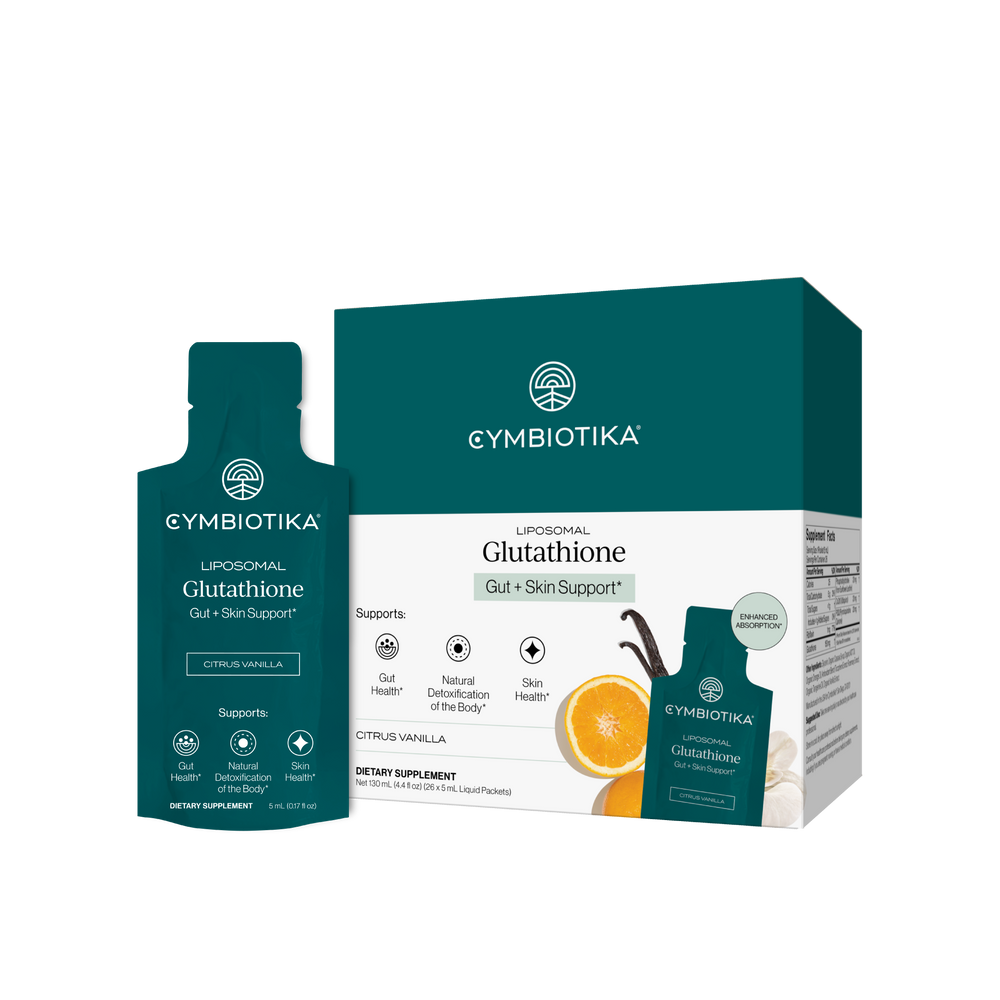
Because the liposome mimics your body’s own cells, it can pass through the intestinal wall and into the bloodstream more effectively. This delivery method is designed to ensure that the glutathione stays intact until it reaches the cells that need it most. When choosing a supplement, always ask: "Is my body actually going to absorb this?" Our Liposomal Glutathione is formulated specifically to answer that question with a "yes."
Real-Life Friction: Why We Run Low
Even if you have a great supplement routine, it is helpful to understand what "drains" your glutathione stores in the first place. Addressing these factors can help your body maintain its metabolic momentum.
- Environmental Toxins: Exposure to pollutants in the air, water, and household cleaning products creates a constant demand for glutathione.
- Highly Processed Foods: Diets high in refined sugars and industrial seed oils increase the production of free radicals.
- Alcohol Consumption: The liver uses vast amounts of glutathione to process alcohol, leaving less available for fat metabolism.
- Chronic Stress: Physical and emotional stress increase the metabolic demand for antioxidants.
- Inconsistent Sleep: The body does much of its "repair and regenerate" work—including glutathione production—during deep sleep.
How to Build a Routine for Success
Using glutathione for weight support is not about a quick fix; it’s about consistency. Building a routine that supports your body’s natural antioxidant production can lead to better long-term results than any "crash" diet.
Step 1: Focus on Sourcing
Look for high-quality supplements that prioritize transparency and purity. Ensure there are no synthetic fillers or unnecessary additives that could add to your toxic load.
Step 2: Prioritize Bioavailability
Choose a liposomal format. This ensures that the delicate glutathione molecule is protected and can be used at the cellular level. If you want a broader overview of why this matters, What is the Best Form of Glutathione? is a good next read.
Step 3: Support with Nutrition
Eat foods that provide the building blocks for glutathione. This includes sulfur-rich vegetables like broccoli, cauliflower, garlic, and onions, as well as high-quality protein sources containing cysteine.
Step 4: Combine with Vitamin C
Vitamin C and glutathione work together in a continuous loop. Vitamin C helps "recharge" glutathione after it has neutralized a free radical, allowing it to go back to work. Our Liposomal Vitamin C can be a great addition to this routine.
Step 5: Move Your Body
Physical activity naturally boosts glutathione production over time, provided you aren't overtraining. Regular, moderate exercise is key.
Myth: Taking more glutathione will result in faster weight loss.
Fact: More is not always better. The goal is to reach an optimal level where your body can manage oxidative stress effectively. Consistency in your routine matters much more than taking high doses sporadically.
What to Expect
When you begin supporting your glutathione levels, you may not see a change on the scale overnight. Instead, many people notice "non-scale victories" first. These may include:
- Improved Energy Levels: As your mitochondria become more efficient, you may find you have more sustained energy throughout the day.
- Better Recovery: You might notice less soreness after workouts, allowing you to stay consistent with your exercise plan.
- Mental Clarity: Reducing oxidative stress in the brain can help lift "brain fog."
- Skin Health: Glutathione is famous for supporting a clear, glowing complexion by managing internal inflammation.
Results vary from person to person. It often takes several weeks of consistent support to see the metabolic benefits. If you’re not sure where to begin, the Cymbiotika Expert can help point you toward a personalized routine. Always consult with your healthcare provider before starting a new supplement, especially if you have an existing medical condition or are taking medication.
Sustainable Progress Over "Quick Fixes"
In a world full of "fat-burning" marketing hype, it is important to stay grounded in science. Glutathione is a vital part of your body's internal chemistry. By supporting your levels, you aren't forcing your body to do something unnatural; you are giving it the tools it needs to function the way it was designed to.
Whether your goal is to support your metabolism, improve your liver health, or simply age as gracefully as possible, focusing on cellular health is a winning strategy. When your cells are clean and protected, your body is naturally better at maintaining a healthy weight. For more context on the delivery method behind this approach, Is Liposomal Glutathione Absorbed? A Comprehensive Look at Its Benefits and Bioavailability is worth exploring next.
Conclusion
The connection between glutathione and fat loss is rooted in the "master antioxidant’s" ability to optimize the cellular environment. By supporting liver function, protecting the mitochondria, and helping the body manage insulin more effectively, glutathione can be a valuable ally in your wellness journey. It is not a substitute for a healthy lifestyle, but rather a way to make your healthy habits more effective.
At Cymbiotika, our mission is to empower you with the education and high-quality tools you need to take control of your health. We believe in transparency and the power of bioavailability. If you are ready to build a routine that works at the cellular level, we invite you to take our Health Quiz. It is designed to help you find the specific nutrients your body needs most, so you can stop guessing and start thriving.
Bottom line: While glutathione isn't a direct fat-burner, its role in detoxification and mitochondrial health makes it a powerful supporter of metabolic efficiency.
FAQ
Does glutathione cause weight gain?
There is no evidence that glutathione causes weight gain; in fact, most research suggests the opposite. By improving insulin sensitivity and reducing the inflammation that can lead to fat storage, glutathione typically supports weight management and metabolic health.
How long does it take for glutathione to help with weight loss?
Results vary, but most people find it takes at least 4 to 8 weeks of consistent use to notice metabolic changes. This time allows the body to reduce its "toxic load" and for the mitochondria to begin functioning more efficiently.
Can I get enough glutathione from food alone?
While foods like avocado, asparagus, and cruciferous vegetables contain glutathione, the body does not absorb it well through the digestive tract. Eating sulfur-rich foods can help your body produce its own, but many people find that high-quality liposomal supplements are necessary to significantly raise their levels. For more education on how Cymbiotika approaches immune support alongside foundational nutrients, the Immunity Supplements collection is a useful place to browse.
Is liposomal glutathione better than regular glutathione?
Yes, liposomal glutathione is generally considered superior because it protects the molecule from being broken down in the stomach. The phospholipid layer allows for much higher bioavailability, ensuring that the antioxidant actually reaches your cells where it can do its work.