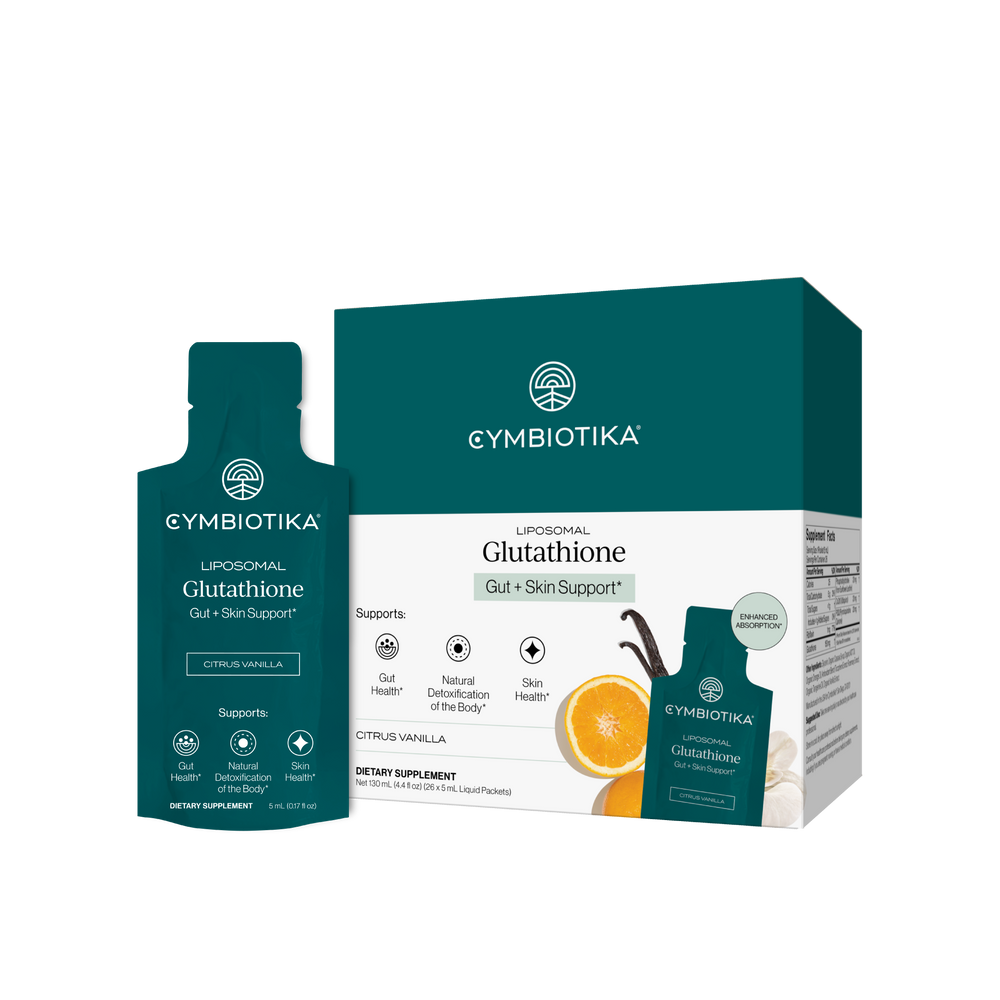
When it comes to skin care, the quest for a brighter, more even complexion is a common desire. Endless marketing campaigns tout miraculous results from various products, but do they deliver? One ingredient that has gained significant attention is glutathione, often hailed for its potential skin-brightening properties. But does glutathione really brighten skin, or is it just another fleeting beauty trend? In this blog post, we will dive deep into the science behind glutathione, its mechanisms, and its implications for skin health. Together, we will unravel the mystery and determine whether this popular antioxidant truly lives up to the hype.
Introduction
It’s fascinating to consider that something as simple as a tripeptide could be at the center of so much discussion in the beauty and wellness industry. Glutathione, a powerful antioxidant produced naturally in our bodies, has been celebrated for its various health benefits, including its role in detoxification and immune support. However, its rising fame as a skin-lightening agent has sparked curiosity and skepticism alike.
As consumers become increasingly aware of the ingredients in their beauty products, the demand for transparency and efficacy has never been higher. At Cymbiotika, we believe that wellness starts with trust. This means providing our community with supplements that are free from hidden ingredients and backed by science. Today, we will explore the question: does glutathione brighten skin?
By the end of this post, you will have a clearer understanding of glutathione’s role in skin health, how it works, and whether it truly holds the potential to enhance your complexion. We will also discuss our commitment to quality and transparency in supplement formulation, highlighting our science-backed approach to wellness.
What is Glutathione?
Glutathione is a low molecular weight thiol-tripeptide composed of three amino acids: cysteine, glutamine, and glycine. This powerful antioxidant is found in every cell of our bodies, playing a crucial role in maintaining cellular health by combating oxidative stress and supporting various bodily functions.
The Role of Glutathione in the Body
In addition to its antioxidant properties, glutathione is involved in several essential processes, including:
- Detoxification: Glutathione helps neutralize harmful substances and facilitates their removal from the body.
- Immune Support: By enhancing the immune response, glutathione helps protect against infections and diseases.
- Cellular Repair: Glutathione plays a vital role in repairing damaged cells and maintaining overall cellular integrity.
Glutathione and Skin Health
As our understanding of glutathione's functions has evolved, its potential benefits for skin health have garnered attention. The connection between glutathione and skin lightening primarily arises from its ability to inhibit melanin production, the pigment responsible for skin color.
How Does Glutathione Work?
The skin lightening effects attributed to glutathione are primarily due to its ability to:
- Inhibit Tyrosinase: This enzyme plays a crucial role in melanin production. By inhibiting tyrosinase activity, glutathione may help reduce melanin synthesis, leading to a lighter skin tone.
- Shift Melanin Production: Glutathione is believed to promote the conversion of eumelanin (darker pigment) to pheomelanin (lighter pigment), resulting in a brighter appearance.
- Scavenge Free Radicals: By neutralizing free radicals, glutathione helps minimize oxidative stress, which can contribute to skin damage and pigmentation issues.
While these mechanisms sound promising, it’s important to approach the topic with a critical eye. The efficacy of glutathione as a skin-brightening agent has been debated among experts, with some studies showing positive results while others highlight the need for more robust clinical evidence.
The Evidence: Does Glutathione Brighten Skin?
Research Overview
Numerous studies have explored the effects of glutathione on skin pigmentation, but results have been mixed. Some research indicates that oral and topical glutathione may lead to a noticeable reduction in melanin levels, while other studies question its overall efficacy and safety.
Oral Glutathione
Oral supplementation of glutathione has gained popularity as a skin-lightening method. Some clinical trials have reported significant reductions in melanin levels among participants taking oral glutathione supplements. For instance, one study found that daily doses of glutathione resulted in skin lightening in a majority of participants, with improvements observed in both sun-exposed and sun-protected areas.
However, the absorption of oral glutathione is a topic of debate. Some experts suggest that the digestive process may hinder its bioavailability, raising questions about whether it can effectively reach the target areas within the skin.
Topical Glutathione
Topical formulations of glutathione have also been explored for their skin-brightening effects. Some studies report that topical application can lead to temporary lightening of the skin, particularly when combined with other active ingredients. However, the results tend to vary, and long-term outcomes remain unclear.
Intravenous Glutathione
Intravenous (IV) glutathione has gained attention, particularly in certain regions where it is marketed as a quick solution for skin lightening. However, this method raises safety concerns. The FDA has not approved IV glutathione for skin lightening, and there are reports of adverse effects associated with its use. Moreover, the evidence supporting its efficacy for this purpose is limited, leading some health professionals to caution against its use.
Summary of Findings
While some studies show promising results regarding glutathione's skin-brightening effects, more research is needed to establish its efficacy and safety comprehensively. The current body of evidence suggests that glutathione may offer mild skin lightening benefits, particularly when used in conjunction with other treatments.
Potential Side Effects and Considerations
As with any supplement or treatment, it's crucial to consider potential side effects and safety concerns. While glutathione is generally regarded as safe when taken in appropriate doses, some individuals may experience:
- Gastrointestinal Issues: Nausea, diarrhea, and abdominal discomfort have been reported in some users of oral glutathione.
- Allergic Reactions: Rarely, allergic reactions may occur, leading to symptoms such as rash or itching.
- Long-term Effects: The long-term effects of high doses of glutathione, particularly through IV administration, are not well understood.
Consulting with Professionals
Before incorporating glutathione supplements into your routine, we encourage you to consult with a healthcare professional. This ensures that you receive personalized advice based on your individual health needs and goals.
How to Support Skin Brightness Naturally
While glutathione may have some potential as a skin-brightening agent, there are various holistic approaches to promoting skin health and achieving a radiant complexion. At Cymbiotika, we believe in empowering individuals to take control of their wellness journey. Here are some natural ways to support skin brightness:
1. Maintain a Balanced Diet
A diet rich in antioxidants, vitamins, and minerals can significantly impact skin health. Incorporate foods high in vitamin C (such as citrus fruits), vitamin E (found in nuts and seeds), and omega-3 fatty acids (from fish or flaxseeds) to nourish your skin from within.
2. Stay Hydrated
Hydration is key to maintaining skin elasticity and a healthy glow. Aim to drink plenty of water throughout the day to keep your skin hydrated and support its natural functions.
3. Protect Your Skin from UV Damage
Sun exposure can lead to hyperpigmentation and uneven skin tone. Always use sunscreen with a broad-spectrum SPF to protect your skin from harmful UV rays, even on cloudy days.
4. Use Quality Skin Care Products
Select skin care products that contain effective ingredients known for their brightening properties, such as vitamin C, niacinamide, or licorice extract. At Cymbiotika, we emphasize transparency and quality in our formulations, ensuring that our products are backed by science and free from harmful additives.
5. Consider Professional Treatments
If you're looking for more immediate results, you might explore professional treatments such as chemical peels, microdermabrasion, or laser therapies. These options can help address specific pigmentation issues and promote an even skin tone.
The Role of Cymbiotika in Your Wellness Journey
At Cymbiotika, we are dedicated to empowering our community to take charge of their health. Our commitment to transparency means that you can trust our products to deliver only the highest quality ingredients without hidden additives. Whether you're exploring glutathione or other wellness solutions, we invite you to embark on this journey with us.
If you're interested in finding the best supplements for your individual needs, we encourage you to take our AI quiz. This interactive tool can guide you toward the right products based on your unique lifestyle and health goals.
Conclusion
In conclusion, glutathione has garnered attention for its potential skin-brightening properties, but the evidence remains mixed. While it may offer mild benefits, it’s essential to approach its use with caution and awareness of potential side effects.
We invite you to consider the holistic approaches to skin health that we’ve discussed, and remember that every individual’s journey is unique. At Cymbiotika, we are dedicated to supporting your wellness journey with transparency, quality, and science-backed formulations. Together, let’s explore the possibilities that can lead you to a brighter, healthier complexion.
FAQ
1. Can glutathione be taken orally for skin brightening? Yes, oral glutathione is commonly taken as a supplement, but its absorption and efficacy vary among individuals.
2. Is glutathione safe for everyone? While generally safe, some individuals may experience side effects. Always consult with a healthcare professional before starting any new supplement.
3. How long does it take to see results from glutathione? Results may vary, but some individuals report changes in skin tone within a few weeks to a few months of consistent use.
4. Are there natural alternatives to glutathione for skin brightening? Yes, a balanced diet rich in antioxidants, proper hydration, and sun protection can naturally support skin brightness.
5. How can I find the right supplements for my needs? We encourage you to take our AI quiz to discover the best supplements tailored to your lifestyle and health goals.
By understanding the role of glutathione in skin health and employing a holistic approach to wellness, we can all work toward achieving the beautiful, radiant skin we desire.