Introduction
You are likely looking at your morning supplement routine and wondering if your various capsules and liquids are working in harmony. It is a common question: can you take omega-3 and glutathione together, or will they interfere with one another? When building a wellness routine, understanding how different nutrients interact is the key to ensuring you are getting the most out of your investments.
The short answer is yes—not only can you take them together, but these two nutrients often work in a complementary fashion to support cellular health and your body’s natural defense systems. At Cymbiotika, we focus on how these compounds are delivered to your cells because the most important factor isn't just what you take, but what you actually absorb. If you’re already taking The Omega, it can be a simple addition to your existing routine.
In this article, we will explore the roles of omega-3 fatty acids and glutathione, how they interact within your body, and why the delivery format of these supplements matters more than the dosage on the label. This guide will help you understand how to integrate these two powerhouses into a consistent daily routine.
Quick Answer: Yes, you can take omega-3 and glutathione together. They do not compete for absorption and may actually support one another by protecting cells from oxidative stress and supporting healthy inflammatory responses.
Understanding the Basics: Omega-3 and Glutathione
Before looking at how they work together, it is helpful to define what each of these substances does for your body. Both are essential for long-term wellness, but they perform very different roles.
What are Omega-3 Fatty Acids?
Omega-3s are a family of essential polyunsaturated fatty acids. They are called "essential" because your body cannot produce them on its own; you must get them from your diet or through supplementation. The most well-known types are EPA (eicosapentaenoic acid) and DHA (docosahexaenoic acid), which are primarily found in marine sources like fish and algae.
These fatty acids are fundamental components of the membranes that surround every cell in your body. They support heart health, cognitive function, and joint mobility. Because they are fats, they require a specific digestive environment—usually involving other dietary fats—to be absorbed effectively by the gut. If you want to compare omega-focused formulas, the The Omega page is the most direct place to start.
What is Glutathione?
Glutathione is often referred to as the "master antioxidant." Unlike omega-3s, your body produces glutathione naturally in the liver and in almost every cell. It is a tripeptide composed of three amino acids: cysteine, glutamine, and glycine.
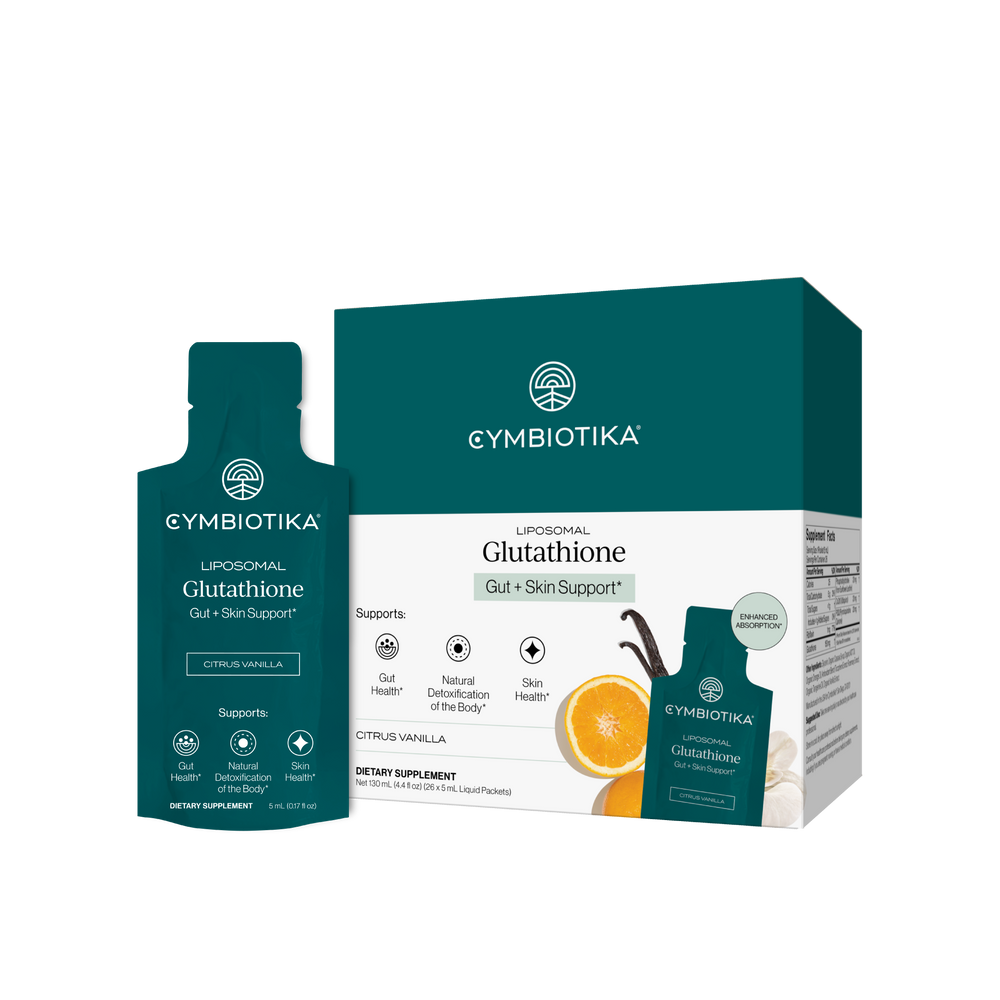
Glutathione’s primary job is to protect your cells from oxidative stress. It neutralizes free radicals—unstable molecules that can damage cellular structures—and helps the body process metabolic waste. It also plays a vital role in supporting the immune system and liver function. However, factors like age, poor diet, and environmental stressors can cause your natural glutathione levels to decline, which is why many people choose to supplement with Liposomal Glutathione.
Can I Take Omega 3 and Glutathione Together?
There is no evidence to suggest that omega-3 and glutathione have negative interactions. In fact, taking them as part of the same routine is a common practice for those focused on longevity and cellular recovery.
Omega-3s and glutathione operate through different pathways. Omega-3s are primarily structural, building flexible and healthy cell membranes. Glutathione is functional, acting as a shield for those same cells. When you take them together, you are essentially providing the building blocks for your cells while also providing the protection they need to thrive.
Do they compete for absorption?
Absorption competition usually happens when two nutrients use the same "transporter" to get from the gut into the bloodstream. For example, some minerals like calcium and magnesium can compete if taken in very high doses simultaneously.
However, omega-3s are fats, and glutathione is a peptide (a small protein). Because they are digested and absorbed through different mechanisms, there is no "traffic jam" in your digestive tract. Your body can process both at the same time without one hindering the other.
How They Work Together in the Body
While they don't "need" each other to work, there is a fascinating relationship between healthy fats and antioxidants. Omega-3 fatty acids are highly susceptible to oxidation. This means that when they are exposed to heat, light, or oxygen, they can become rancid or break down.
Inside your body, glutathione helps maintain an environment where these delicate fatty acids can stay stable. By neutralizing oxidative stress, glutathione may help protect the omega-3s already present in your cell membranes, allowing them to function at their best.
Support for Physical Recovery
Many athletes and active individuals combine these two for recovery. High-intensity exercise naturally increases oxidative stress and temporary inflammation in the muscles.
- Omega-3s help support a healthy inflammatory response in the joints and muscles.
- Glutathione helps the body manage the oxidative byproducts of a hard workout.
If recovery is one of your goals, the Healthy Aging Supplements collection can help you explore formulas built around resilience, longevity, and daily support.
Key Takeaway: Omega-3 and glutathione are a powerful pairing because they target cellular health from two different angles—omega-3s provide the structural foundation for cell membranes, while glutathione provides the antioxidant defense to protect those structures.
The Bioavailability Factor: Why Delivery Matters
A common frustration in the supplement world is taking a high-quality ingredient but not feeling any difference. This often comes down to bioavailability, which refers to the proportion of a nutrient that enters the circulation when introduced into the body and is so able to have an active effect. If you want a deeper explanation of that concept, All About Liposomes is a helpful next step.
The Challenge with Standard Glutathione
Standard glutathione capsules are notoriously difficult for the body to use. When you swallow a regular glutathione pill, the acid and enzymes in your stomach often break down the peptide before it ever reaches your bloodstream. You might be buying a 500mg dose, but your body may only be absorbing a tiny fraction of that.
The Challenge with Standard Omega-3
Similarly, many fish oil or algae oil supplements come in large, unstable softgels. If the oil is not protected or if your body struggles to break down large fat globules, much of the omega-3 content can pass through your system or, worse, cause digestive discomfort (the "fishy burp" phenomenon).
Liposomal Delivery: A More Efficient Path
At Cymbiotika, we solve this problem using liposomal delivery. A liposome is a tiny, microscopic bubble made of phospholipids—the same material that makes up your cell membranes.
We wrap the nutrient (like glutathione or omega-3) inside this phospholipid bilayer. This protective shell serves two purposes:
- Protection: It shields the nutrient from the harsh environment of the stomach.
- Absorption: Because the liposome is made of the same material as your cells, your body recognizes it and allows it to pass more easily into the bloodstream and directly into your cells.
For a more focused look at how this applies to glutathione specifically, you can read Is Liposomal Glutathione Absorbed?.
Liposomal Glutathione and our The Omega formula are designed with this technology to ensure that you aren't just taking these nutrients, but actually utilizing them at a cellular level.
| Feature | Standard Supplement | Liposomal Supplement |
|---|---|---|
| Digestion | Often broken down by stomach acid | Protected through the digestive tract |
| Absorption | Relies on passive diffusion | Designed for cellular-level uptake |
| Stability | Susceptible to oxidation | Encapsulated for freshness |
| Comfort | May cause digestive upset | Generally gentler on the stomach |
Building Your Routine: Timing and Dosing
If you decide to take both, you might wonder about the best time of day to incorporate them. While consistency is more important than perfect timing, there are a few tips that can help you get the best results.
When to Take Omega-3
Since omega-3s are fats, they are best taken with a meal that contains some healthy fats (like avocado, eggs, or olive oil). This triggers the release of digestive enzymes that help break down the fats for better absorption. Many people find taking them with breakfast or lunch is a great way to start the day.
When to Take Glutathione
Glutathione can be taken at any time, but many people prefer taking it on an empty stomach or about 20 minutes before a meal to allow the liposomes to move through the digestive system quickly. If you have a sensitive stomach, taking it with a light snack is also perfectly fine.
Step-by-Step: Incorporating Both into Your Day
- Step 1: Check your levels. / Consider your diet and lifestyle. Do you eat enough fatty fish? Are you under a lot of stress? This helps you determine your needs.
- Step 2: Choose high-quality formats. / Opt for liposomal glutathione and a high-purity, molecularly distilled or algae-based omega-3.
- Step 3: Set a schedule. / Take your glutathione first thing in the morning, followed by your omega-3 with your first meal of the day.
- Step 4: Stay consistent. / Supplements are not "quick fixes." It can take 4–8 weeks of consistent use to notice changes in how you feel as your cellular levels stabilize.
Common Myths About Omega-3 and Glutathione
There is a lot of misinformation online regarding supplement interactions. Let's clear up a few common misconceptions.
Myth: Taking too many antioxidants "turns off" your body’s natural production. Fact: While your body does have a feedback loop, supplementing with glutathione generally provides the "raw materials" or extra support during times of high demand. It doesn't permanently stop your body from making its own.
Myth: All omega-3 supplements are the same regardless of price. Fact: Quality varies wildly. Many cheap oils are already oxidized (rancid) before they hit the shelf. Purity, sourcing, and the delivery method—like the liposomal technology we use—significantly impact the value you get from the product.
Myth: You have to take them at the exact same second for them to work together. Fact: Your body maintains a "pool" of nutrients. As long as you are taking them consistently within the same 24-hour period, your cells will have access to what they need.
What to Look for in a Supplement Brand
When you are looking for these products, don't just look at the price tag. Look at the transparency of the brand. Wellness starts with trust, and you deserve to know exactly what is going into your body.
Key things to look for:
- Third-Party Testing: Does the company test for heavy metals, purity, and potency?
- No Synthetic Fillers: Avoid products with unnecessary "flow agents," artificial colors, or synthetic preservatives.
- Sustainable Sourcing: For omega-3s, look for formulas that use wild-crafted or sustainable sources to protect our oceans.
- Bioavailability focus: Does the brand explain how the nutrient gets into your cells?
We take these standards seriously. Our formulations are designed to be clean, effective, and science-forward, so you can focus on feeling your best without worrying about hidden ingredients.
Potential Considerations and Cautions
While taking omega-3 and glutathione is generally considered safe for most healthy adults, there are always individual variations. Results vary from person to person based on genetics, lifestyle, and existing health status.
If you are pregnant, nursing, or taking prescription medications—particularly blood thinners or chemotherapy medications—it is essential to consult with your healthcare provider before starting a new supplement regimen. Omega-3s can have a mild blood-thinning effect, which is generally positive for heart health but needs to be monitored in specific medical contexts.
Note: Always start with the recommended dose on the packaging and see how your body responds before making adjustments.
Why Your Gut Health Matters for Absorption
Even the best liposomal supplements work better when your digestive environment is healthy. Your gut is the "gatekeeper" for everything you consume. If your gut lining is compromised or your microbiome is out of balance, your ability to absorb nutrients can decrease.
If you find that you aren't seeing the results you expect from your routine, it might be worth looking at your gut health. Supporting your microbiome with a high-quality probiotic or using something like our Liquid Colostrum can help strengthen the gut lining, ensuring that your omega-3 and glutathione have the best possible chance to be absorbed. You can also take a closer look at Liquid Colostrum - 4 Weeks to a Stronger Gut for a more educational overview.
Conclusion
Taking omega-3 and glutathione together is a smart, effective way to support your cellular health, recovery, and antioxidant defenses. These two nutrients don't compete; instead, they provide a two-pronged approach to wellness—one building the cell's structure and the other protecting it from the inside out.
The most important takeaway is that quality and absorption matter more than just the milligram count on the bottle. By choosing advanced delivery methods like the ones we offer, you ensure that your body is actually receiving the support you are giving it.
Next Steps for Your Routine:
- Prioritize consistency over taking massive doses once in a while.
- Look for liposomal formats to maximize your investment in your health.
- Focus on a whole-food diet to provide a foundation for your supplements.
We believe that you should have the tools to build a routine you can trust. If you are unsure which products are right for your specific goals, we recommend taking our Cymbiotika Expert quiz. It is designed to provide personalized recommendations based on your unique needs, helping you cut through the noise and build a stack that works for you.
Bottom line: Omega-3 and glutathione are highly compatible and can be a foundational part of a science-forward wellness routine.
FAQ
Is it better to take omega-3 or glutathione in the morning?
Both are excellent additions to a morning routine. Many people take glutathione first thing on an empty stomach to support daily antioxidant levels, while omega-3 is best taken with your first meal to aid fat absorption.
Can I take these if I have a sensitive stomach?
Yes, especially if you use liposomal formats. Standard fish oils can cause "fishy burps" and some glutathione powders can be harsh, but liposomal delivery wraps the nutrients in phospholipids, which are generally much gentler on the digestive tract.
How long does it take to see results from taking them together?
While some people feel a difference in recovery or mental clarity within a week, it typically takes 4 to 8 weeks for cellular levels to reach an optimal state. Consistency is the most important factor in seeing long-term wellness benefits.
Do I need to take glutathione if I already take a multivitamin?
Most multivitamins contain very little, if any, glutathione because the ingredient is expensive and difficult to stabilize in a standard pill. If you are looking for specific antioxidant support or help with oxidative stress, a dedicated liposomal glutathione is usually more effective.