Introduction
Finding the right balance in a wellness routine often feels like assembling a complex puzzle. You may have heard about the impressive benefits of astaxanthin for skin and eye health, alongside the reputation of glutathione as the "master antioxidant." Naturally, the question arises: can I take astaxanthin and glutathione together?
At Cymbiotika, we believe that understanding how different nutrients interact is the key to building a routine that actually works. Many people find that combining these two compounds provides a more comprehensive approach to cellular health than taking either one alone. Because they work in different parts of the cell, they may offer a layered defense against the daily stressors your body faces.
This article covers the compatibility of these two antioxidants, their unique roles in the body, and how to ensure you are actually absorbing them. We will explore how these nutrients support everything from immune function to healthy aging and how to timing your intake for the best results. If you’re browsing broader longevity support, the Healthy Aging Supplements collection is a helpful place to explore.
Quick Answer: Yes, you can take astaxanthin and glutathione together. These two antioxidants are complementary because one is fat-soluble and the other is water-soluble, allowing them to protect different parts of your cells simultaneously.
Understanding Astaxanthin: The Pink Powerhouse
Astaxanthin is a vibrant red-pink pigment that belongs to the carotenoid family. It is produced naturally by specific types of microalgae and is the reason salmon, shrimp, and flamingos have their distinct coloration. In the world of nutrition, it is regarded as one of the most potent antioxidants found in nature.
What makes astaxanthin unique is its physical structure. Most antioxidants only work on the inside or the outside of a cell membrane. Astaxanthin is different because it is long enough to span the entire cell membrane. This "transmembrane" orientation allows it to provide protection to the lipid bilayer from both sides, acting as a sturdy bridge that stabilizes the cell. You can also learn more on Cymbiotika’s Astaxanthin science page.
Key Roles of Astaxanthin
Many people incorporate astaxanthin into their routines for specific wellness goals:
- Skin Health: It may help support the skin’s natural resilience against environmental factors and support moisture retention.
- Eye Support: It can cross the blood-retinal barrier, allowing it to provide direct antioxidant support to the eyes.
- Physical Recovery: It is often used by active individuals to help manage oxidative stress related to exercise.
- Cognitive Function: Like its ability to reach the eyes, it can also cross the blood-brain barrier to support neurological health.
Understanding Glutathione: The Master Antioxidant
While astaxanthin comes from the environment, glutathione is a molecule your body produces itself. It is a tripeptide made of three amino acids: cysteine, glycine, and glutamic acid. It is present in virtually every cell of the human body, with the highest concentrations found in the liver.
Glutathione is often called the "master antioxidant" because it does more than just neutralize free radicals. It also helps regenerate other antioxidants, such as Vitamin C and Vitamin E, so they can keep working. Without enough glutathione, your body’s entire antioxidant defense system can become less efficient.
Why Glutathione Matters
Glutathione is essential for several core biological functions:
- Detoxification Pathways: It plays a central role in the liver’s ability to process and eliminate toxins.
- Immune Support: It helps maintain the proper function of T-cells, which are vital for a healthy immune response.
- Cellular Repair: It supports the protection of DNA and mitochondrial function, which is critical for energy production.
- Healthy Aging: Levels of glutathione naturally decline as we age, making supplementation a popular choice for those focused on longevity.
For a deeper dive into this antioxidant, read Cymbiotika’s article on Understanding How Glutathione Works in Our Body.
Key Takeaway: Astaxanthin provides external and membrane-level protection, while glutathione works internally to manage cellular waste and recycle other nutrients.
Can I Take Astaxanthin and Glutathione Together?
The short answer is yes. In fact, taking them together is often a superior strategy compared to taking them in isolation. There are no known negative interactions between these two compounds for healthy individuals. Instead, they function like a well-coordinated team.
The reason they work so well together comes down to their solubility. Astaxanthin is fat-soluble, meaning it lives and works in the fatty parts of your cells, like the membranes. Glutathione is water-soluble, meaning it operates in the fluid-filled spaces inside and between your cells. By taking both, you are essentially covering all your bases.
The Power of the Antioxidant Network
Antioxidants do not work in a vacuum. They participate in what scientists call the "antioxidant network." When an antioxidant neutralizes a free radical, it often becomes "spent" or oxidized. To become useful again, it needs another antioxidant to donate an electron and refresh it.
Because glutathione helps recycle other antioxidants, it may help maintain the overall effectiveness of your entire supplement stack. Adding astaxanthin to this mix adds a layer of protection that glutathione cannot provide on its own, particularly regarding the structural integrity of cell membranes.
The Importance of Bioavailability
The most expensive supplement you can buy is the one your body cannot absorb. This is a core principle at Cymbiotika. When you ask if you can take these two together, the follow-up question should always be: How do I ensure they actually get into my cells?
The Glutathione Absorption Problem
Standard glutathione capsules are notoriously difficult for the body to use. When you swallow a regular glutathione pill, the enzymes in your digestive tract often break the molecule down into its individual amino acids before it ever reaches your bloodstream. This means your cells may never see the intact glutathione molecule.
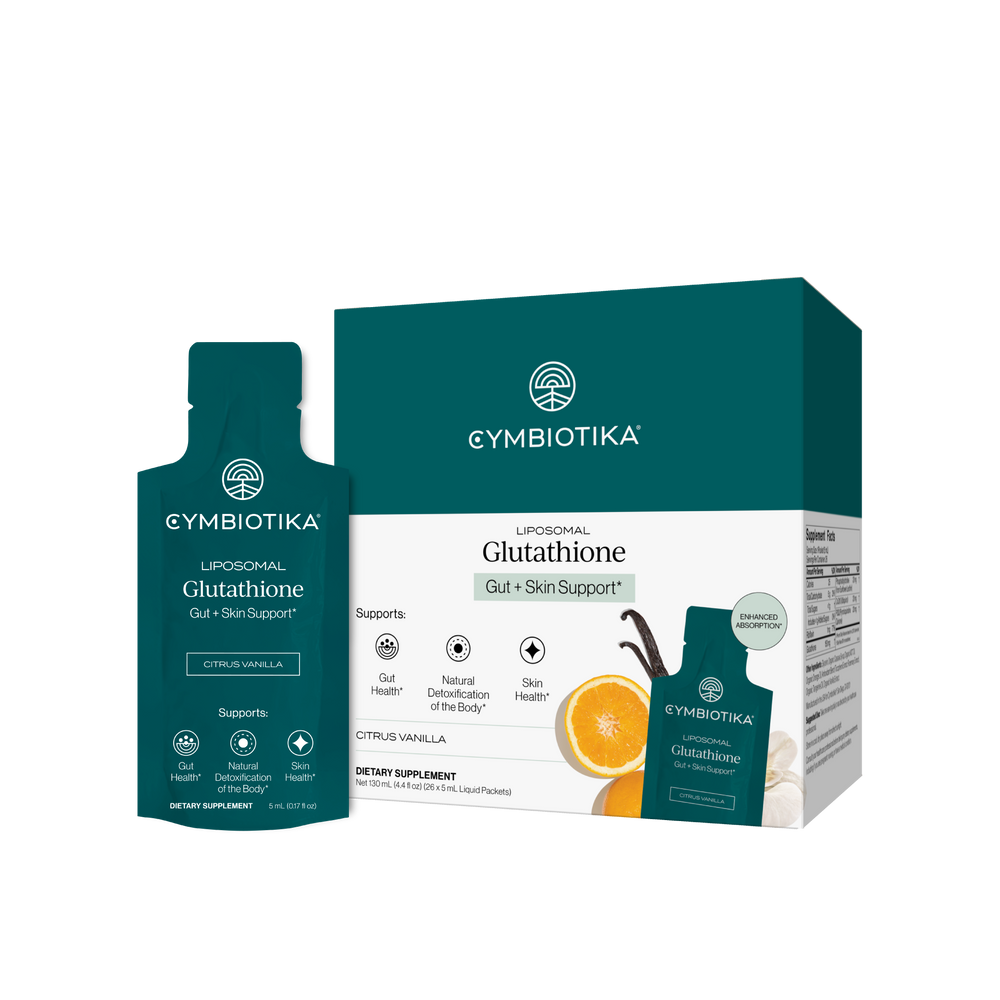
To solve this, we use liposomal delivery. A liposome is a tiny, fatty sphere (a phospholipid bilayer) that mimics the structure of your own cell membranes. By wrapping the glutathione in these lipids, we protect it from the harsh environment of the stomach. This allows the nutrient to pass through the digestive system and be delivered directly into the bloodstream. Our Liposomal Glutathione is designed with this advanced technology to ensure maximum bioavailability. If you want a deeper explanation of the delivery method, see All About Liposomes.
Optimizing Astaxanthin Absorption
Since astaxanthin is fat-soluble, it requires dietary fats to be absorbed properly. If you take an astaxanthin supplement on an empty stomach with just a glass of water, much of it may simply pass through your system.
To get the most out of astaxanthin, you should:
- Take it with a meal that contains healthy fats (like avocado, eggs, or olive oil).
- Pair it with an omega-3 supplement.
- Choose a high-quality, cold-pressed oil-based format if possible.
A formula like The Omega can fit naturally into that kind of fat-containing routine.
Potential Benefits of the Combination
When you combine these two powerhouses, you may notice benefits that span several areas of wellness. While everyone’s body reacts differently, here is what many people find when they stay consistent with this duo.
Enhanced Skin Resilience
Astaxanthin is famous for its "beauty from within" reputation. It helps protect the skin's collagen framework from oxidative damage. Glutathione adds to this by supporting liver health, which is often reflected in the clarity and tone of the skin. Together, they offer a comprehensive approach to maintaining a healthy glow and supporting the skin’s natural defenses.
Immune System Coordination
A healthy immune system requires both protection and communication. Glutathione supports the "soldiers" of the immune system (white blood cells), while astaxanthin helps manage the inflammatory signals that can sometimes go into overdrive. By taking both, you support a balanced and responsive immune environment.
Mitochondrial Support and Energy
Your mitochondria are the "power plants" of your cells. They are also the primary site where oxidative stress is generated as a byproduct of energy production. Astaxanthin protects the mitochondrial membrane, while glutathione neutralizes the waste products inside the mitochondria. This dual-action support can help maintain steady energy levels and support recovery after a long day.
Myth: Taking more than one antioxidant at a time "overloads" the body. Fact: Your body is designed to use a wide variety of antioxidants simultaneously. Using a diverse range of nutrients often leads to better results than taking a massive dose of just one.
How Astaxanthin May Boost Glutathione
Emerging research suggests that astaxanthin might do more than just work alongside glutathione—it might actually help your body produce more of it. Some studies indicate that astaxanthin can activate a pathway in the body called Nrf2.
The Nrf2 pathway is like a master switch for your body’s internal antioxidant production. When this pathway is activated, it signals the cells to increase the production of several protective enzymes, including glutathione.
By supplementing with astaxanthin, you may be providing a "nudge" to your cells to keep their internal glutathione levels higher. This creates a beautiful synergy where one supplement supports the production and maintenance of the other.
Building Your Daily Routine
If you are ready to add these to your routine, timing and consistency are your best friends. Supplements are not "one-hit wonders"; they work best when they are integrated into a sustainable daily habit.
A Sample Schedule
- Morning: Take your Liposomal Glutathione on an empty stomach or about 20 minutes before your first meal. This allows the liposomes to be absorbed without competing with other food particles.
- Breakfast or Lunch: Take your astaxanthin supplement with your meal. Since this meal likely contains some fats, it will facilitate the absorption of the astaxanthin.
- Pairing: If you take The Omega or other essential fatty acids, take them at the same time as your astaxanthin to further boost its bioavailability.
Dosage Considerations
Results vary based on individual needs, but most people find success with:
- Astaxanthin: 4mg to 12mg per day.
- Glutathione: 250mg to 500mg in a liposomal format.
Note: It is always a good idea to consult with your healthcare provider before starting a new supplement regimen, especially if you are taking medications or have an underlying health concern.
What to Look for in Your Supplements
Not all supplements are created equal. The market is full of fillers, synthetic ingredients, and poorly designed delivery systems. To get real results, you need to look for quality markers that guarantee purity and potency.
Transparency and Sourcing
You should know exactly where your nutrients come from. At Cymbiotika, we prioritize wild-crafted and organic sourcing whenever possible. Our formulas are non-GMO and free from unnecessary synthetic fillers, toxins, and artificial flavors.
Third-Party Testing
A label is only as good as the testing behind it. Look for brands that utilize third-party testing to verify that what is on the label is actually in the bottle. This ensures you are not consuming heavy metals or contaminants along with your wellness nutrients.
Delivery Systems
As mentioned, the delivery system is the most critical factor for glutathione. If it isn't liposomal, you are likely wasting your money. For astaxanthin, ensure the product is derived from Haematococcus pluvialis (microalgae), which is the most researched and potent source.
Managing Your Expectations
While the combination of astaxanthin and glutathione is powerful, it is not a substitute for a healthy lifestyle. Supplements are designed to "supplement" a foundation of good sleep, hydration, and whole-food nutrition.
Most people begin to notice subtle shifts in their energy, skin clarity, or recovery within 4 to 8 weeks of consistent use. Antioxidants work at the cellular level, and cellular turnover takes time. Patience and consistency are essential.
Possible Side Effects
Both supplements have excellent safety profiles. However, some people may experience minor adjustments:
- Astaxanthin: In very high doses, it can occasionally cause a slight reddish tint to the skin (similar to eating too many carrots), though this is harmless.
- Glutathione: Some individuals may experience a "detox" period where they feel slightly fatigued as the body processes accumulated toxins. This usually passes within a few days.
Summary of the "Power Duo"
Taking astaxanthin and glutathione together is a proactive way to support your body’s resilience. By addressing both the watery and fatty environments of your cells, you provide a comprehensive shield against oxidative stress.
Quick Step-by-Step for Success
Step 1: Choose a liposomal glutathione. / This ensures the molecule survives digestion and reaches your cells. Step 2: Source high-quality astaxanthin. / Look for microalgae-derived sources and avoid synthetic versions. Step 3: Time your intake properly. / Take glutathione on an empty stomach and astaxanthin with a meal containing fats. Step 4: Stay consistent for 60 days. / Allow your body time to integrate these nutrients into its cellular processes.
Bottom line: Combining a fat-soluble antioxidant like astaxanthin with a water-soluble one like glutathione creates a comprehensive cellular defense system that is greater than the sum of its parts.
Conclusion
The journey to optimal health is about making informed choices that respect your body’s biology. Can you take astaxanthin and glutathione together? Not only can you, but doing so may be one of the most effective ways to support your long-term wellness goals. By focusing on bioavailability and high-quality sourcing, you ensure that your body is getting the most out of every dose.
At Cymbiotika, our mission is to empower you with the tools and knowledge needed to reclaim your health. We believe in total transparency and science-backed formulations that help you build a routine you can trust. If you are unsure which nutrients are right for your specific needs, we invite you to take our Health Quiz. It is designed to provide personalized recommendations based on your unique lifestyle and health goals, helping you take the guesswork out of your wellness journey.
FAQ
Is it better to take glutathione in the morning or at night?
Most people find that taking glutathione in the morning on an empty stomach is most effective. This allows for optimal absorption and provides your body with antioxidant support as you face the stressors of the day. However, consistency is more important than the exact hour, so choose a time you can stick to daily.
Can I get enough astaxanthin and glutathione from food alone?
While you can find glutathione in foods like avocado and asparagus, and astaxanthin in wild-caught salmon, it is difficult to reach therapeutic levels through diet alone. Cooking and digestion often significantly reduce the levels of these antioxidants. Supplementation provides a concentrated, bioavailable dose that fills the gaps in a modern diet.
Will taking these two together help with my skin tone?
Many people report improvements in skin clarity and tone when combining these two. Glutathione supports the liver's role in detoxification, which often manifests as clearer skin, while astaxanthin supports elasticity and moisture. While results vary, this combination is a favorite among those focusing on "inner beauty" and skin health.
Do I need to take a break from these supplements?
There is generally no need to "cycle" or take a break from astaxanthin or glutathione, as they are nutrients your body uses daily. However, it is always a good practice to reassess your supplement routine every few months with a healthcare professional to ensure it still aligns with your current health needs and goals.